⚖️ No Mass
The sheet metal is fractions of a millimetre, and the PU foam weighs next to nothing (it is ultra-light). The sound wave hits the metal and makes it vibrate effortlessly.
If you want to quickly partition a room, enclose a balcony or build a small structure on the roof, the fastest and cheapest option is industrial Sandwich Panels. They consist of two thin sheets of painted steel with a thick layer of rigid polyurethane (PU) or polyisocyanurate (PIR) foam between them.
The contractor will say: "It's 5 cm thick, has foam inside, it'll insulate you perfectly!". He is right, but only half the truth. It will insulate you perfectly thermally. Acoustically, you have just built a giant loudspeaker!
People constantly confuse thermal insulation with sound insulation. Heat and cold are stopped by trapped air (like foam materials and polystyrene). Sound, on the other hand, is stopped by mass (weight) and decoupling (breaking contact).
The classic PU sandwich panel fails spectacularly at both:
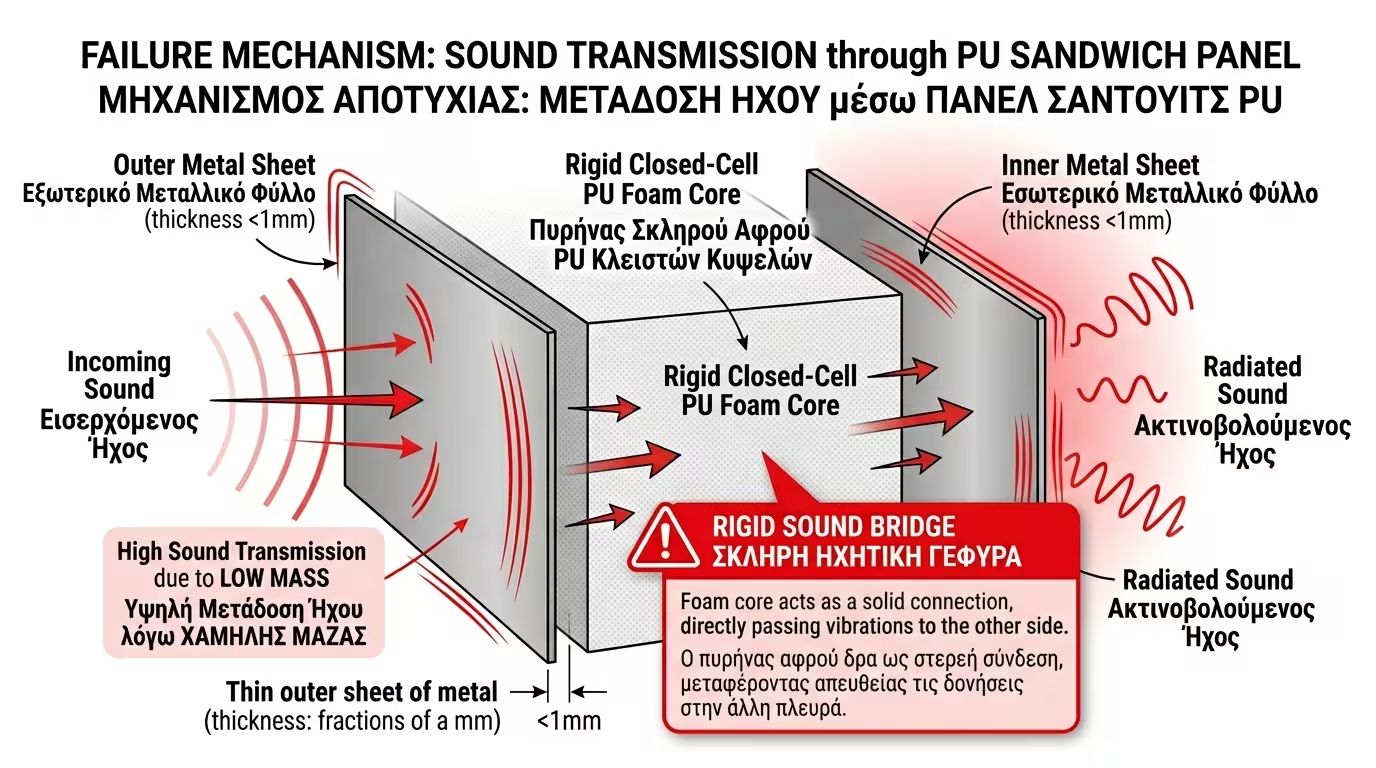
The sheet metal is fractions of a millimetre, and the PU foam weighs next to nothing (it is ultra-light). The sound wave hits the metal and makes it vibrate effortlessly.
The PU foam inside the panel is "closed-cell" and extremely stiff. When the outer sheet vibrates from noise, the rigid foam transfers the vibration directly to the inner sheet, which in turn emits it into your room!
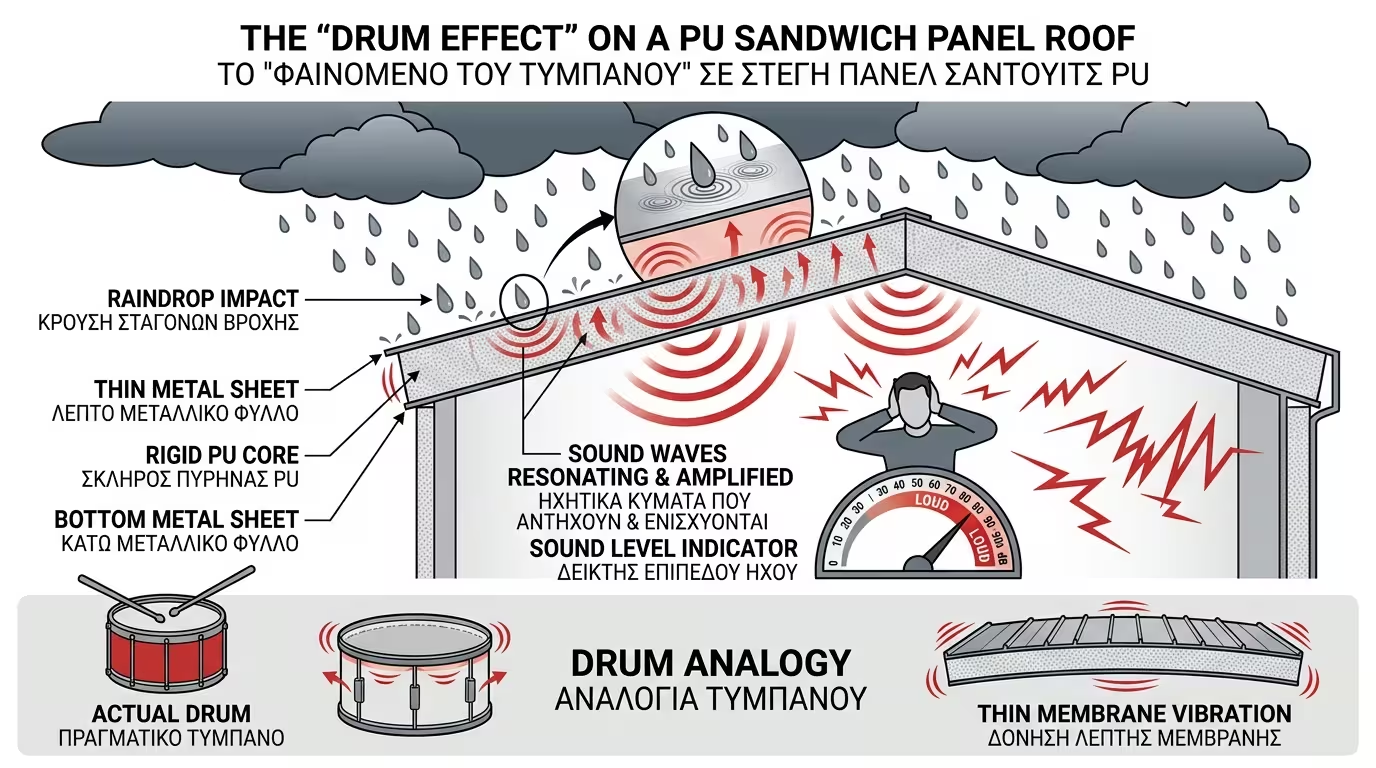
This phenomenon is called the "Drum Effect". Especially when it rains, the sound of droplets on the panel's sheet metal sounds like a machine gun inside the house.
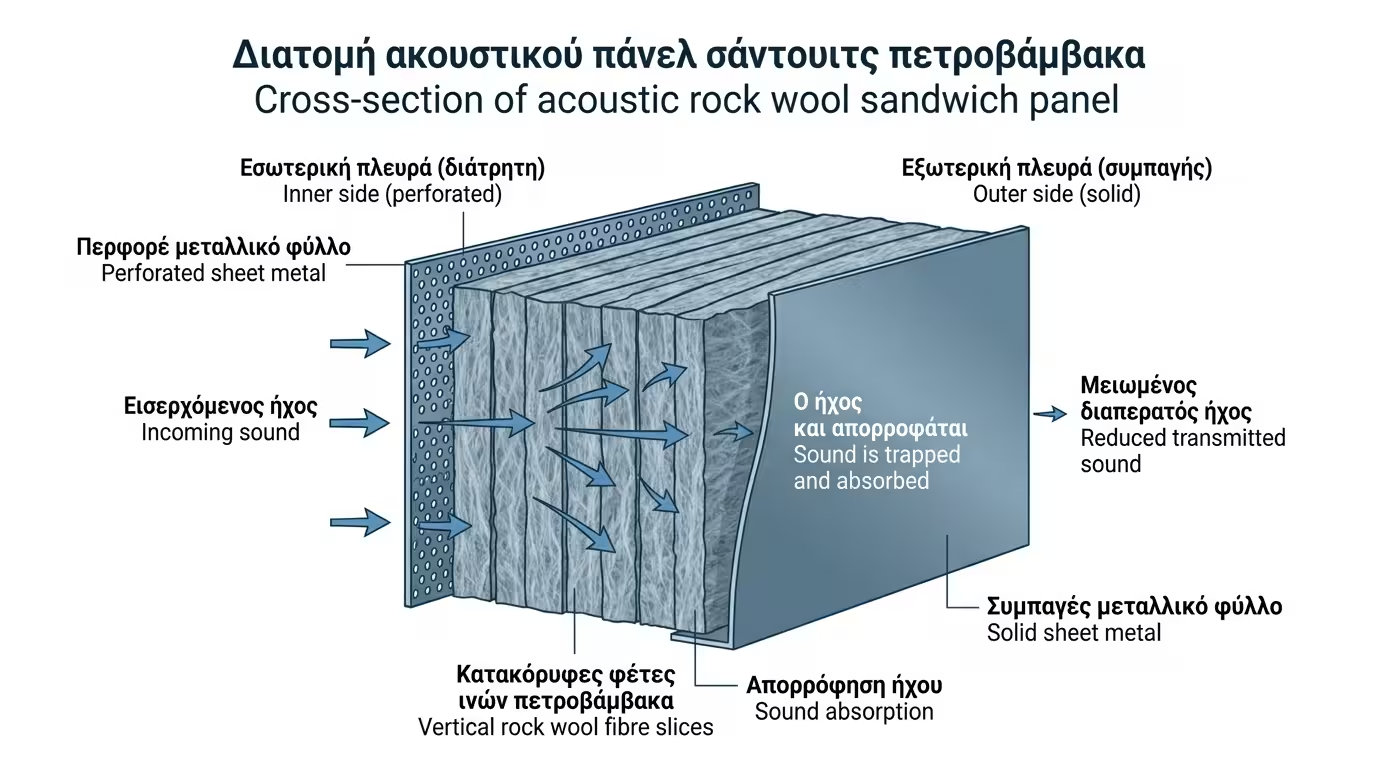
If you are forced (for speed of construction) to use prefabricated industrial panels, there is a solution - but you must change the "filling" material.
Instead of PU panels, you should request Acoustic Panels with a Rock Wool Core (Rockwool Panels).
We want to partition our space in two to create a small home office, and we are in a hurry.
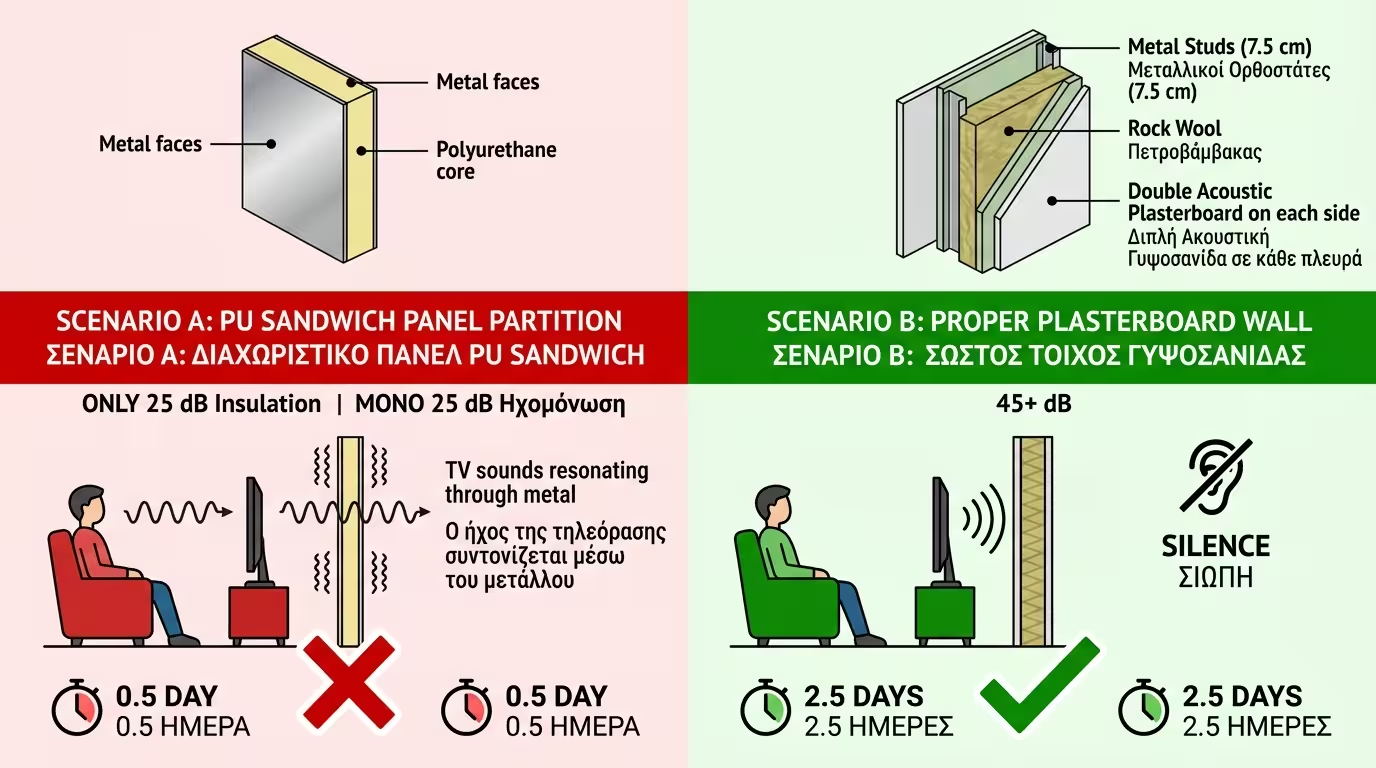
We buy 5 cm PU sandwich panels (on special offer). We erect the wall in half a day. We sit in our new office. The flatmate outside watches TV. Not only do we hear everything, but the sheet-metal wall seems to "amplify" the voices. The sound insulation we got barely reaches 25 dB.
We leave the panels for warehouses. We build a proper plasterboard wall: metal stud frame (7.5 cm), rock wool in the middle, and double acoustic plasterboard on each side. It took 2 extra days plus filling and sanding. The result? A solid wall at 45+ dB that blocks the TV and lets us work in peace.
The Final Conclusion: Never buy a thermal insulation product expecting it to solve your acoustic problem. EPS/XPS polystyrene and polyurethane (PU) are the kings of warmth - but the… court jesters of soundproofing!
Return to category.
Go to categoryReturn to the central guide.
Go to guide