🎯 Its Purpose
To detect the fire, alert people and attempt to extinguish (or contain) it in the first minutes.
When you ask the average person "what does your building have to protect it from fire?", the answer is almost always the same: "We have fire extinguishers in the corridors and those sprinkler heads on the ceiling that spray water".
That's an excellent answer, but it covers only half (and perhaps the most vulnerable half) of a building's defence. In fire-safety science, the defence is split into two entirely different but interdependent worlds: Active and Passive Fire Protection.
Let's see what each one does and why your life depends on combining both.
Active fire protection includes all those systems that spring into action the moment a fire breaks out. They are the systems you see, hear and use.
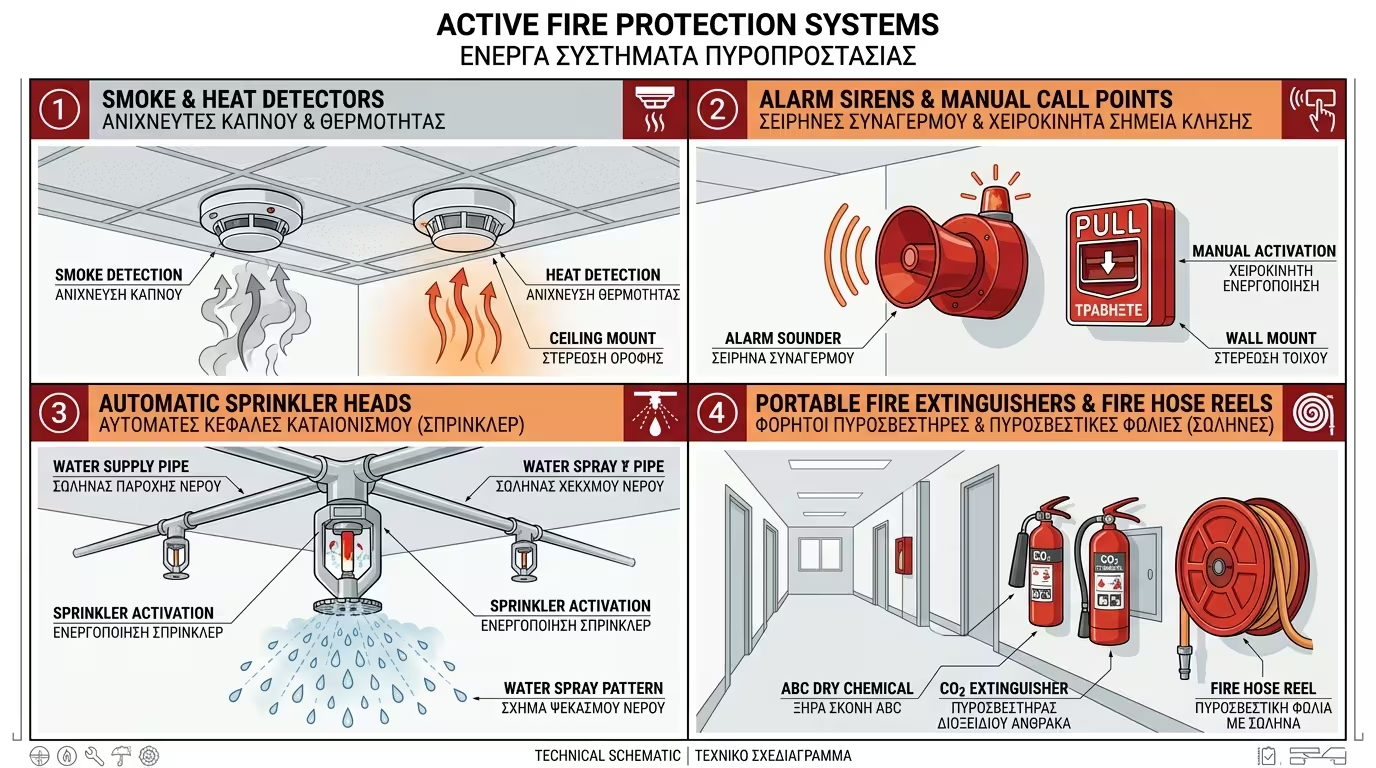
To detect the fire, alert people and attempt to extinguish (or contain) it in the first minutes.
Active fire protection is critical, but it works mechanically. And, like any mechanical system, it can fail.
Passive fire protection is invisible to the ordinary visitor. It is embedded in the very "DNA" (the structural materials) of the building. It needs no electricity, no water, no button press. It is always there and waiting.
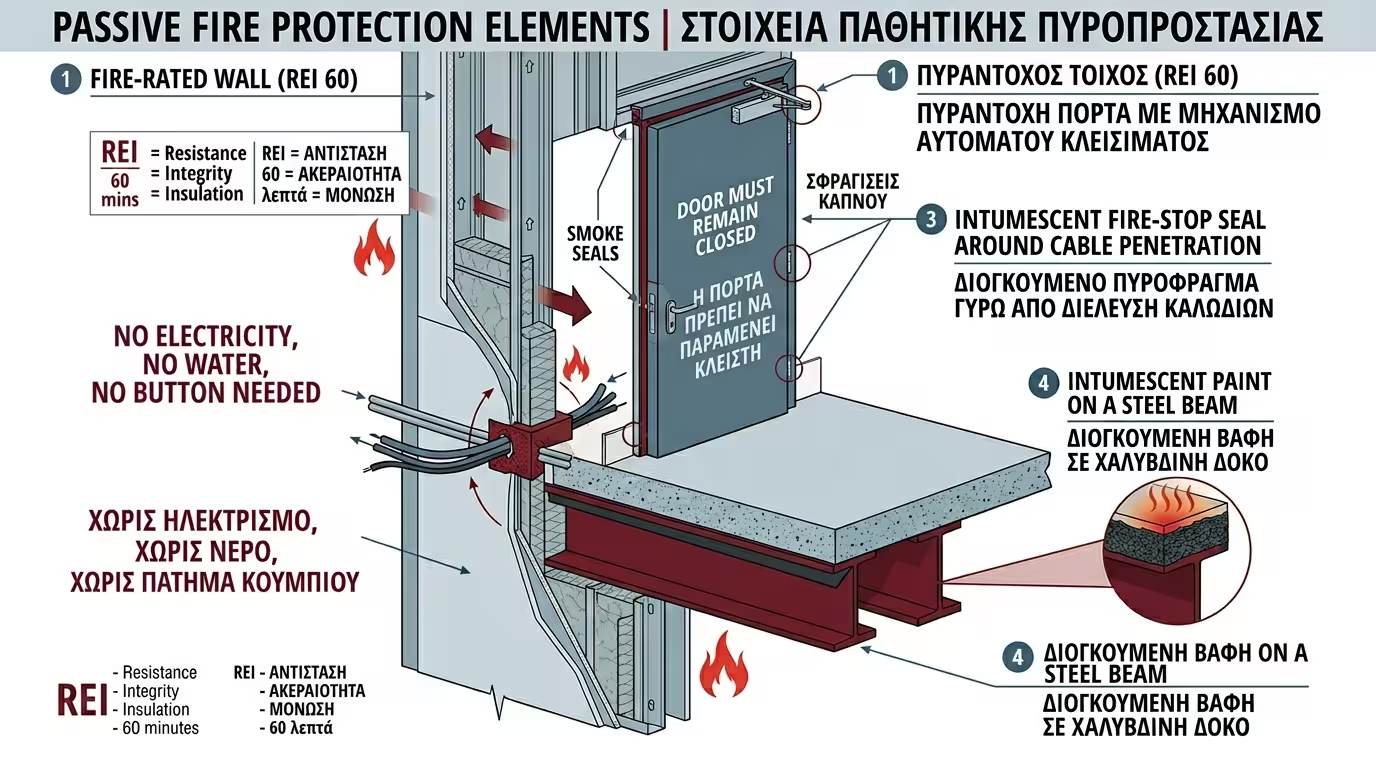
To keep the building standing so people can evacuate in time, and to "imprison" fire and smoke in the room where they started, preventing them from spreading to the rest of the building.
Many contractors and owners say: "I've installed the best sprinkler system in the world-I don't need expensive fire-rated walls and special doors".
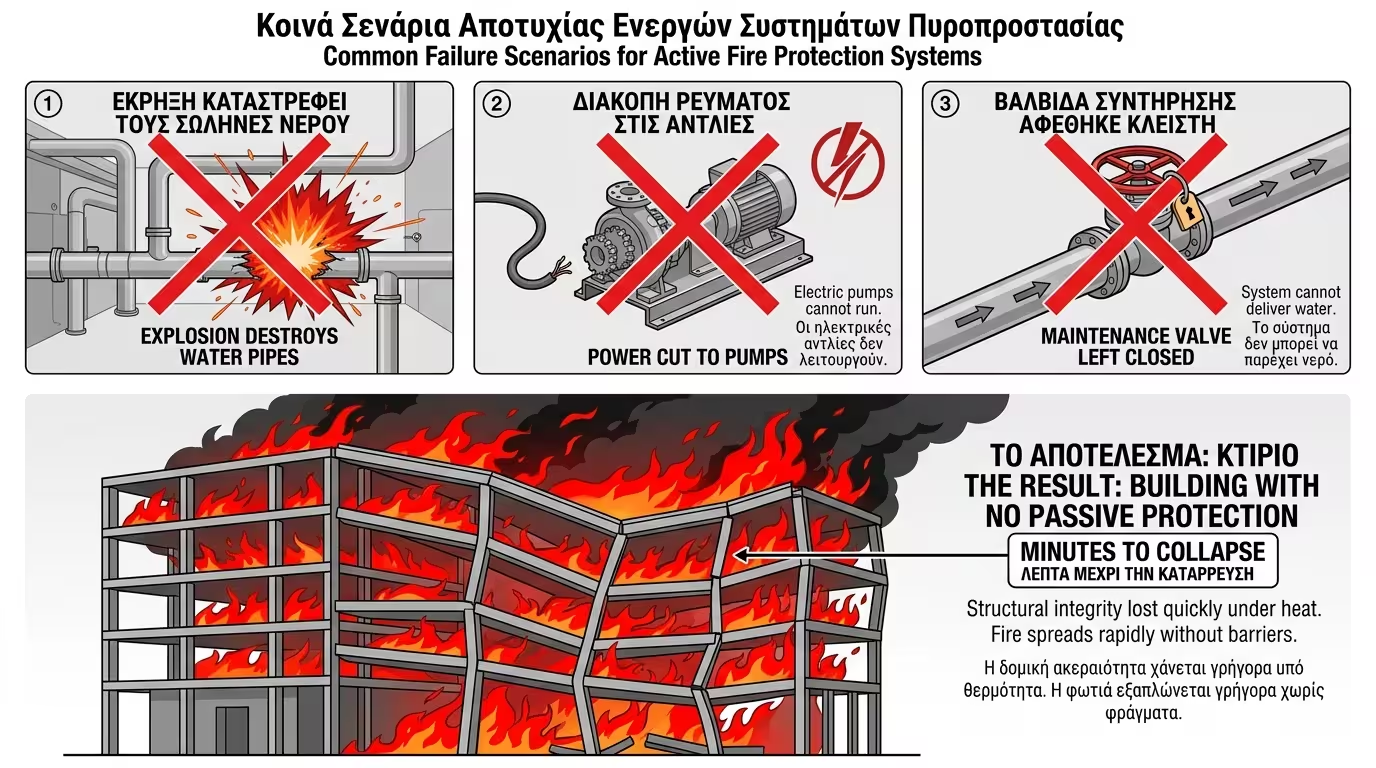
What if the fire starts from an explosion that destroys the water piping? What if the power to the pumps is cut? What if the building manager closed the water valve for maintenance and forgot to re-open it?
If active fire protection (the water) fails and the building has no passive fire protection (fire-rated walls), the flames will devour the space and the building will collapse within minutes.
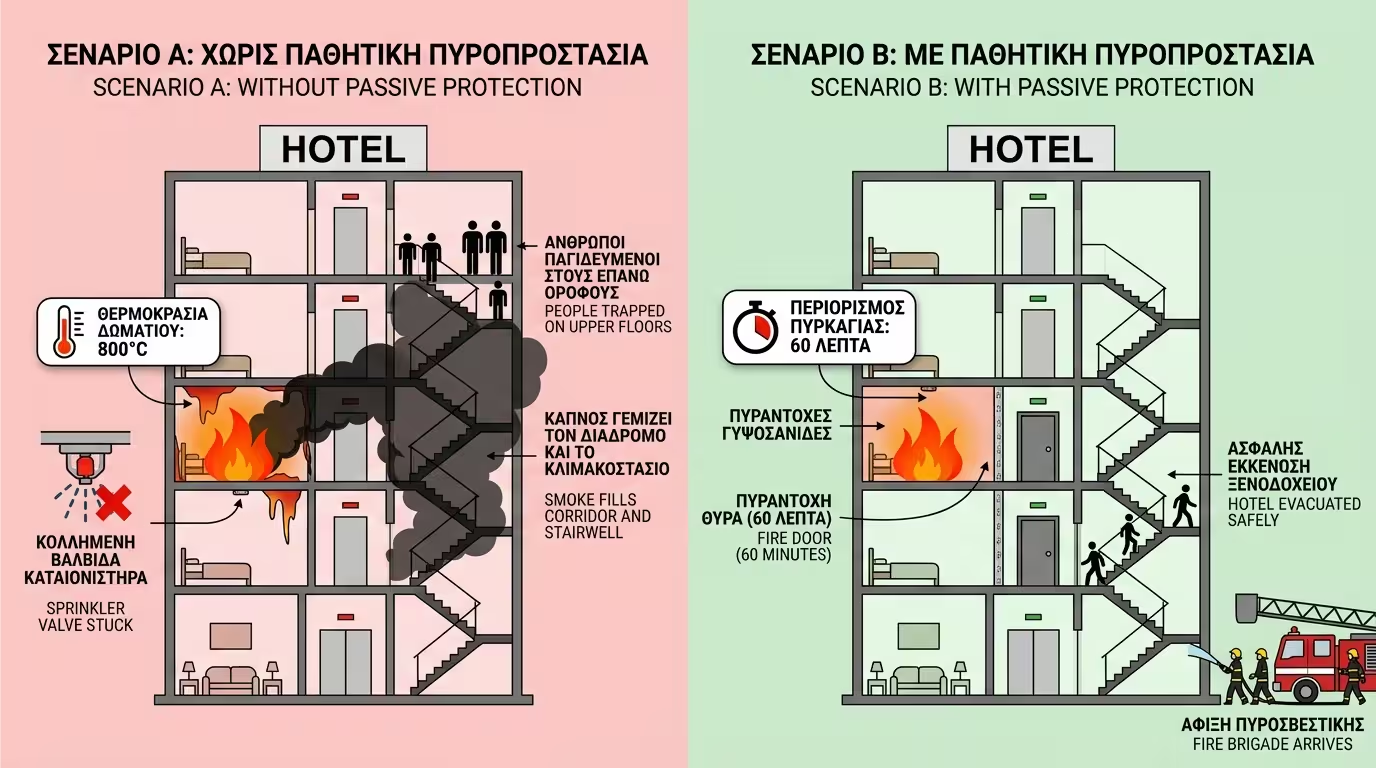
A fire breaks out in a 3rd-floor hotel room.
The smoke detector sounds, the sprinklers activate but the valve is stuck and no water comes out. The plain plasterboard walls melt, fire escapes into the corridor, smoke rises through the stairwell to upper floors. People are trapped.
The sprinklers fail again. However, the room wall is made of special fire-rated plasterboard. The room door is a heavy-duty fire door that closes on its own with a closer. Fire rages inside the room, but it is imprisoned. The wall and door keep it "locked up" for a full 60 minutes. During those 60 minutes, the alarm has sounded, the entire hotel has been safely evacuated, and the Fire Brigade has arrived. Passive fire protection just saved hundreds of lives without discharging a single drop of water!
The Bottom Line: Active fire protection fights to extinguish the fire. Passive fire protection fights to buy you time. And in a fire, time is the difference between life and death. No safe building can exist without the absolute combination of both.
Return to category.
Go to categoryReturn to the central guide.
Go to guide