🎨 Aesthetic Destruction
You hide the magnificent carved stone under 10 cm of plastic and render. The house now looks like a generic apartment block. For listed buildings and traditional settlements, this is also legally prohibited.
Traditional stone houses were built with a completely different philosophy. The old masons relied on the wall's enormous thickness (often 60-80 cm) to slow heat or cold transfer.
But stone is a "cold" material - an excellent heat conductor. If you try to heat such a house, the walls "suck" all the warmth. Insulation is needed, but stone breathes - if you cut off its breath, you'll suffocate it!
Logic says: "Since external ETICS is the best solution, let's apply it to the stone house." Wrong!
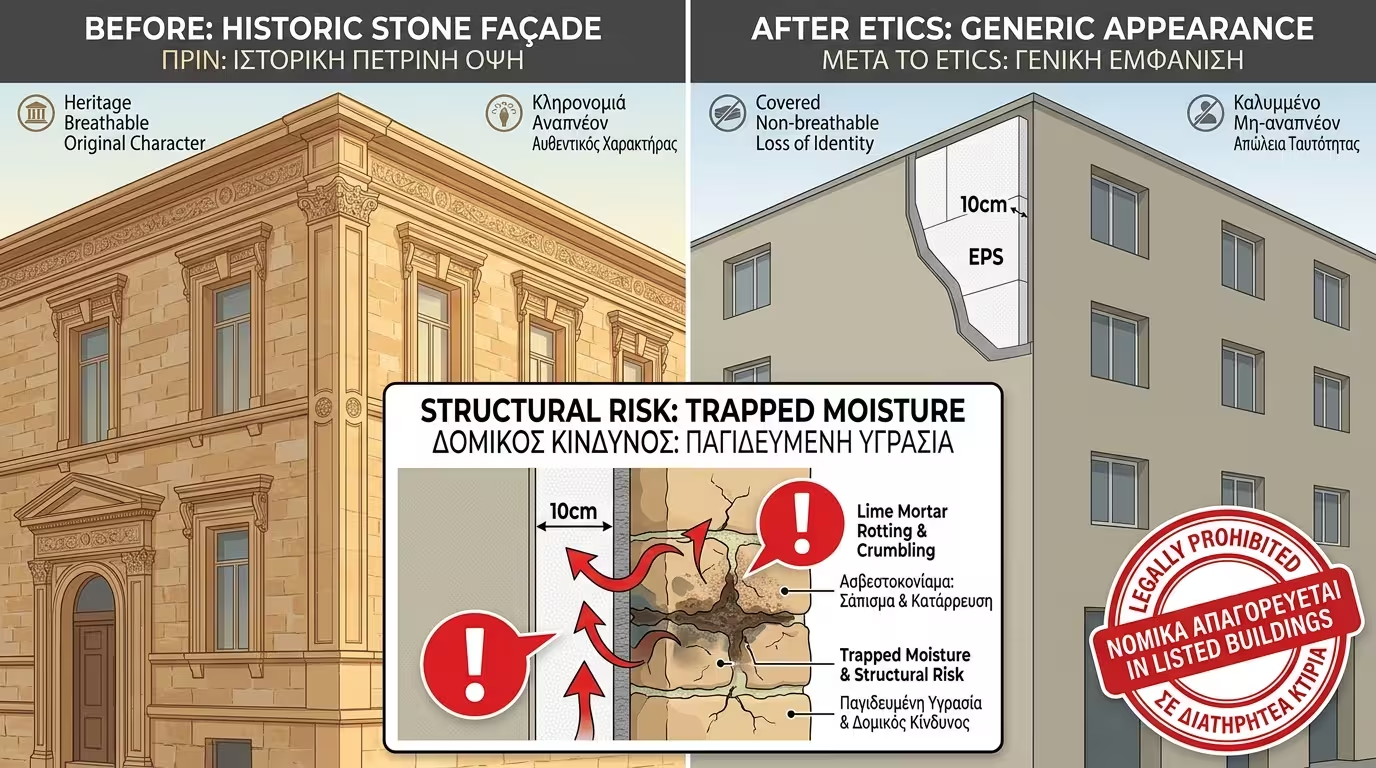
You hide the magnificent carved stone under 10 cm of plastic and render. The house now looks like a generic apartment block. For listed buildings and traditional settlements, this is also legally prohibited.
If the exterior is sealed with non-breathable EPS, rising damp gets trapped inside the stone wall. The lime mortar between the stones begins to rot and crumble.
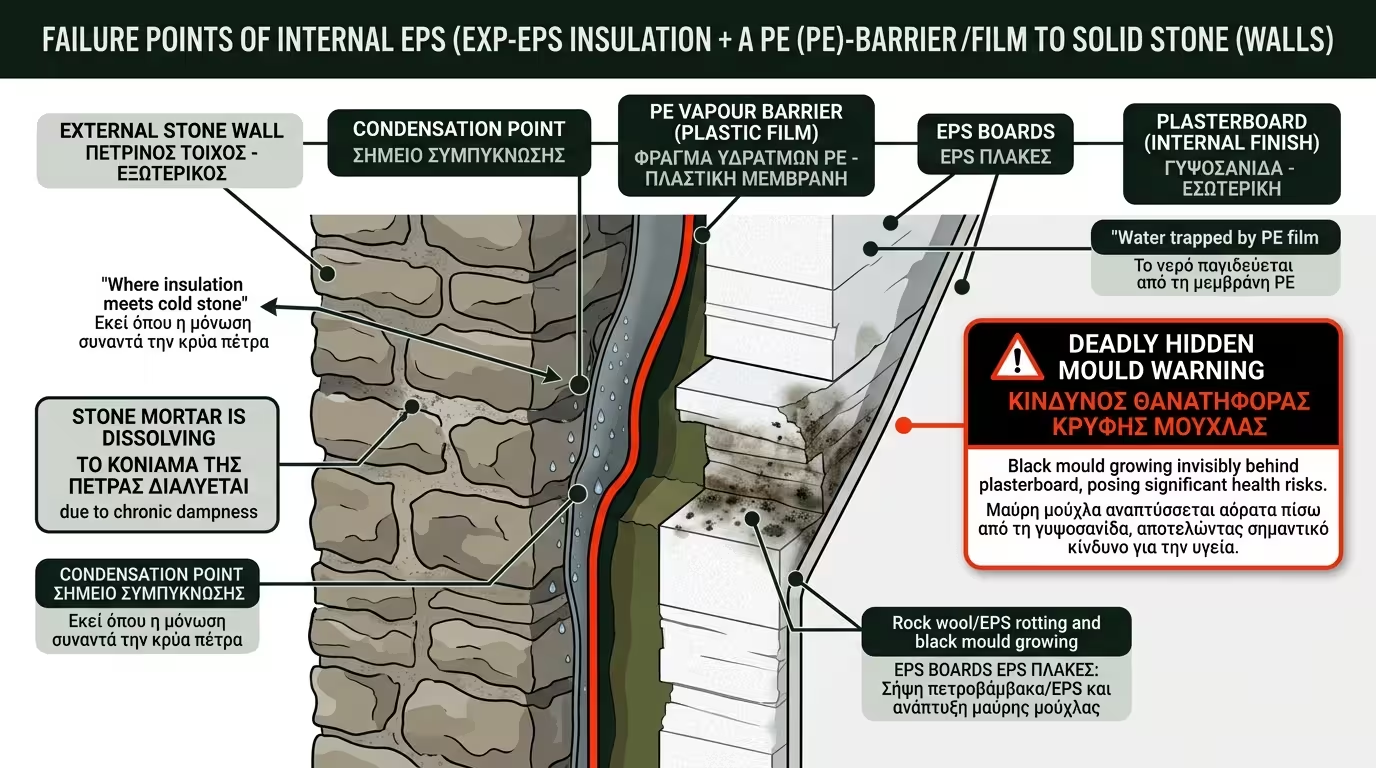
The contractor builds a stud frame, stuffs EPS or rock wool, and seals with heavy PE film (vapour barrier). The point where insulation meets the freezing stone becomes wet (condensation). PE and stone don't let that moisture evaporate. Behind the beautiful plasterboard, deadly black mould develops and the wall literally dissolves.
The solution for stone houses comes from materials that mimic nature. We insulate from inside, but allow the wall to sweat and dry (capillary-active systems).
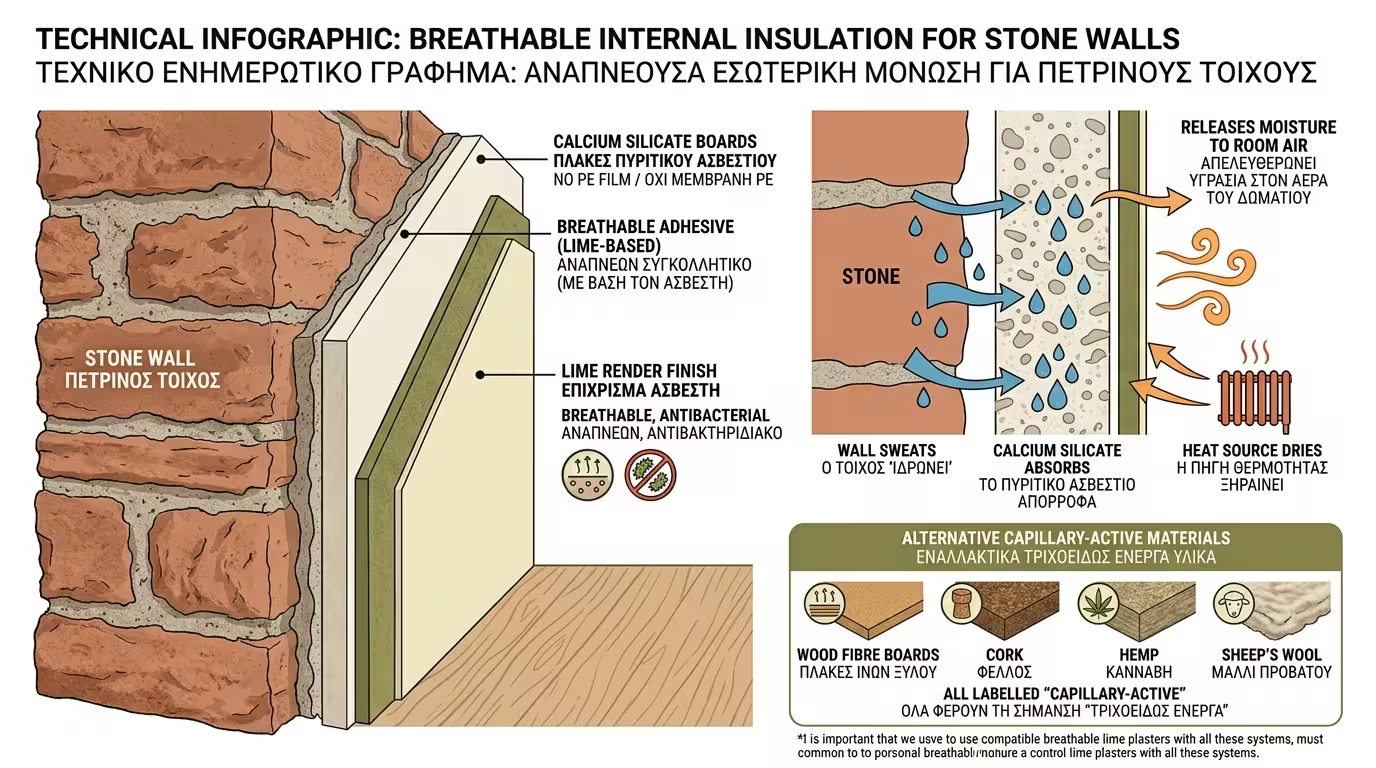
Hard boards bonded directly to stone. No PE film at all. When the wall sweats, the boards absorb moisture like a sponge and release it slowly into the room when the fire is lit. They never grow mould!
Wood fibre boards, cork, hemp or sheep's wool. Organic materials that "love" to manage moisture naturally, without losing their insulating ability.
Above the boards - lime-based renders (not cement, which seals). They let the wall "breathe" freely and have natural antibacterial properties.
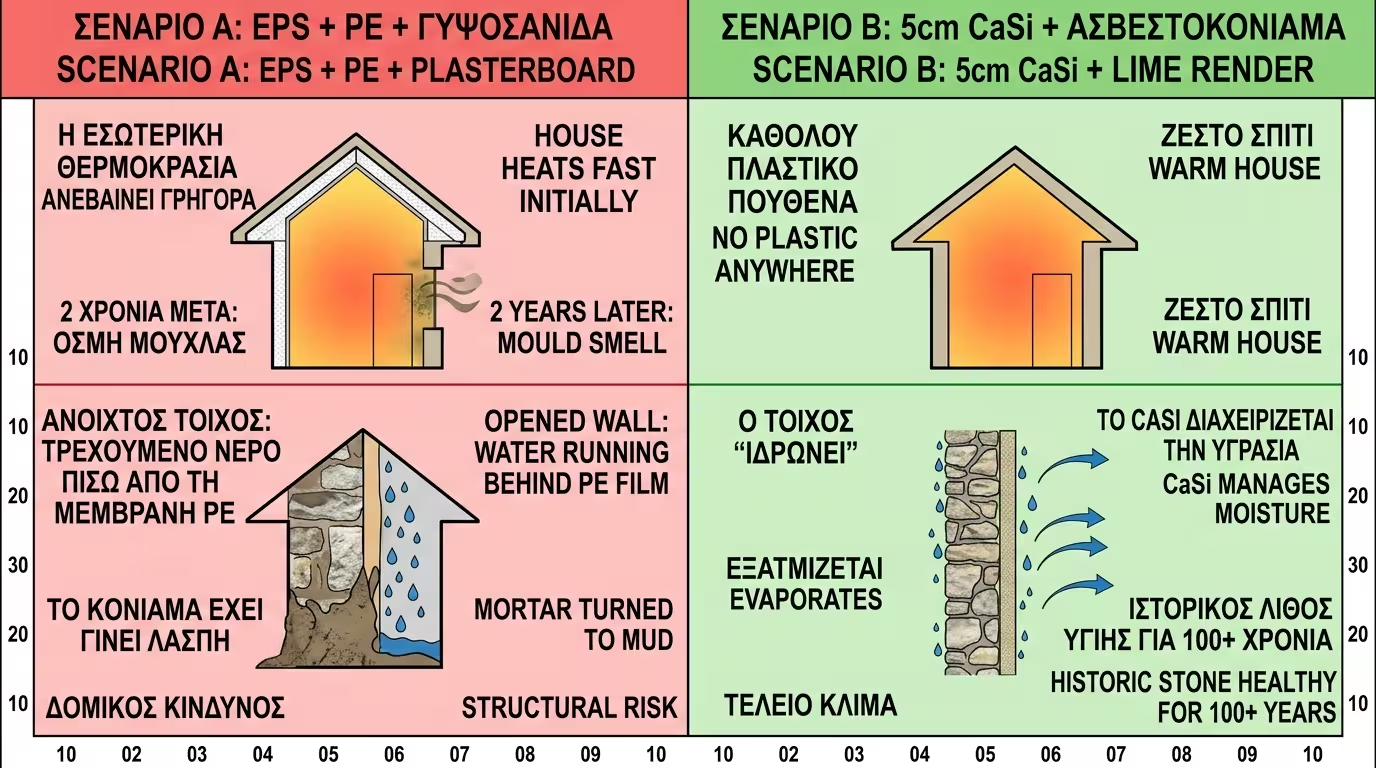
Our stone holiday home freezes in winter. We renovate internally - keeping the exterior stone exposed.
The builder installs 5cm EPS, PE film and plasterboard. The house heats up fast. Two years later, it smells of mould. We cut a hole: water runs behind the film, the mortar has turned to mud. The wall is structurally at risk.
We bond 5cm breathable CaSi boards and render with lime plaster. Not a single piece of plastic. The house is warm, heat no longer "escapes" to the stone. When the wall "sweats", the calcium silicate draws the moisture, manages it and evaporates it - perfect microclimate and historic stone healthy for another 100 years!
The Final Conclusion: Renovating a stone house is not a job for just anyone. Modern "plastic" (petrochemical) insulation materials are the enemy of stone. Invest exclusively in internal insulation with "breathable" and "capillary-active" systems. Let the house breathe!
Return to category.
Go to categoryReturn to the central guide.
Go to guide