✅ 30-50 kg/m³ (Ideal)
Soft or semi-rigid in rolls or slabs. Air (and sound) can enter but struggles to exit. This is the absolute "sweet spot" for filling plasterboard stud frames on walls and ceilings. And the best part? It is much cheaper!
If you walk into an insulation supply shop and ask for rock wool to build an acoustic stud wall, the salesperson (or even your builder) will often say: "Get the 100 (100 kg/m³). It's heavier, stiffer, so it will block more noise".
This advice sounds perfectly logical (we have learned that weight stops sound), but in reality it is one of the biggest and costliest mistakes you can make in your build!
To understand why extreme density is a problem, we need to remember the role of rock wool. As we saw, in a double-wall system (plasterboard – cavity – wall), rock wool does NOT act as the mass (the shield). The shield is the plasterboard.
Rock wool is the "sponge" inside the air gap (sound absorption). Its job is to let sound enter between its fibres and then "drown" it through friction.
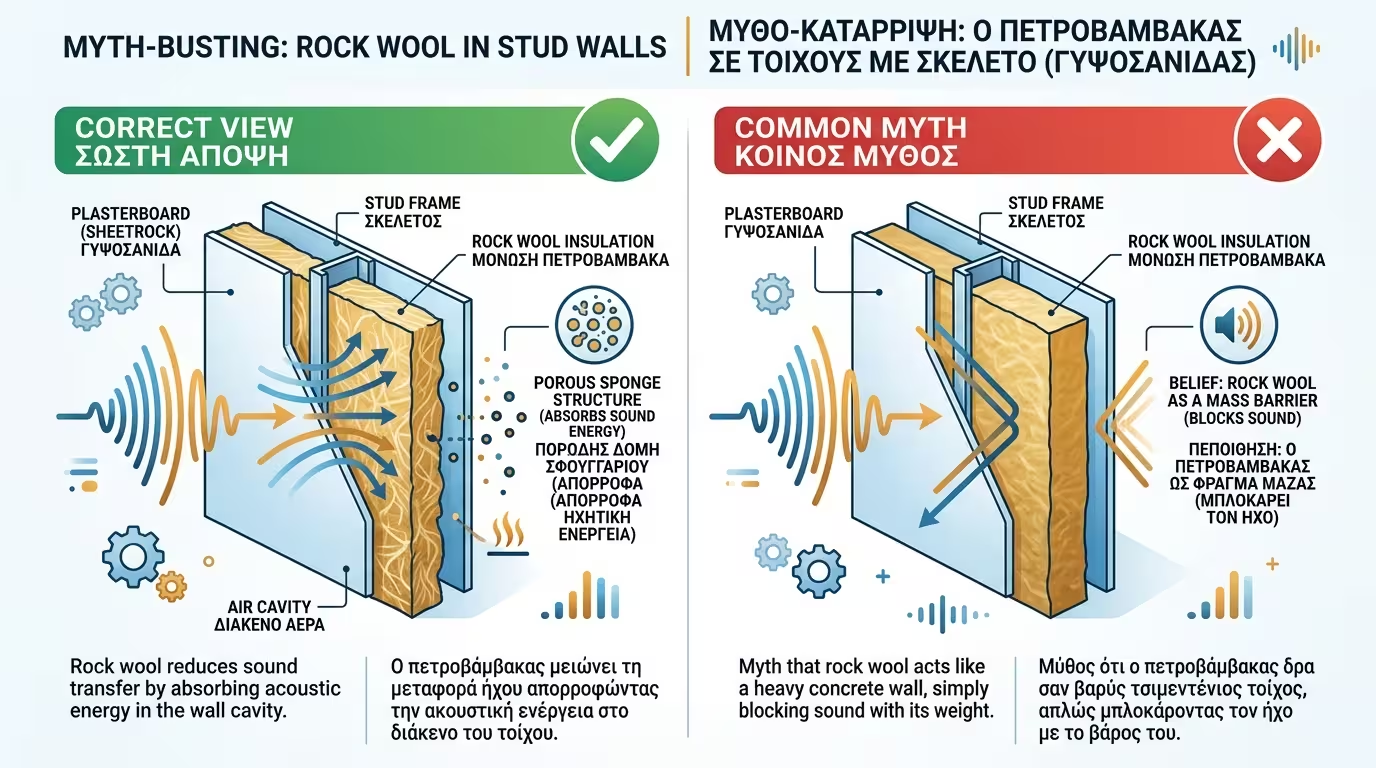
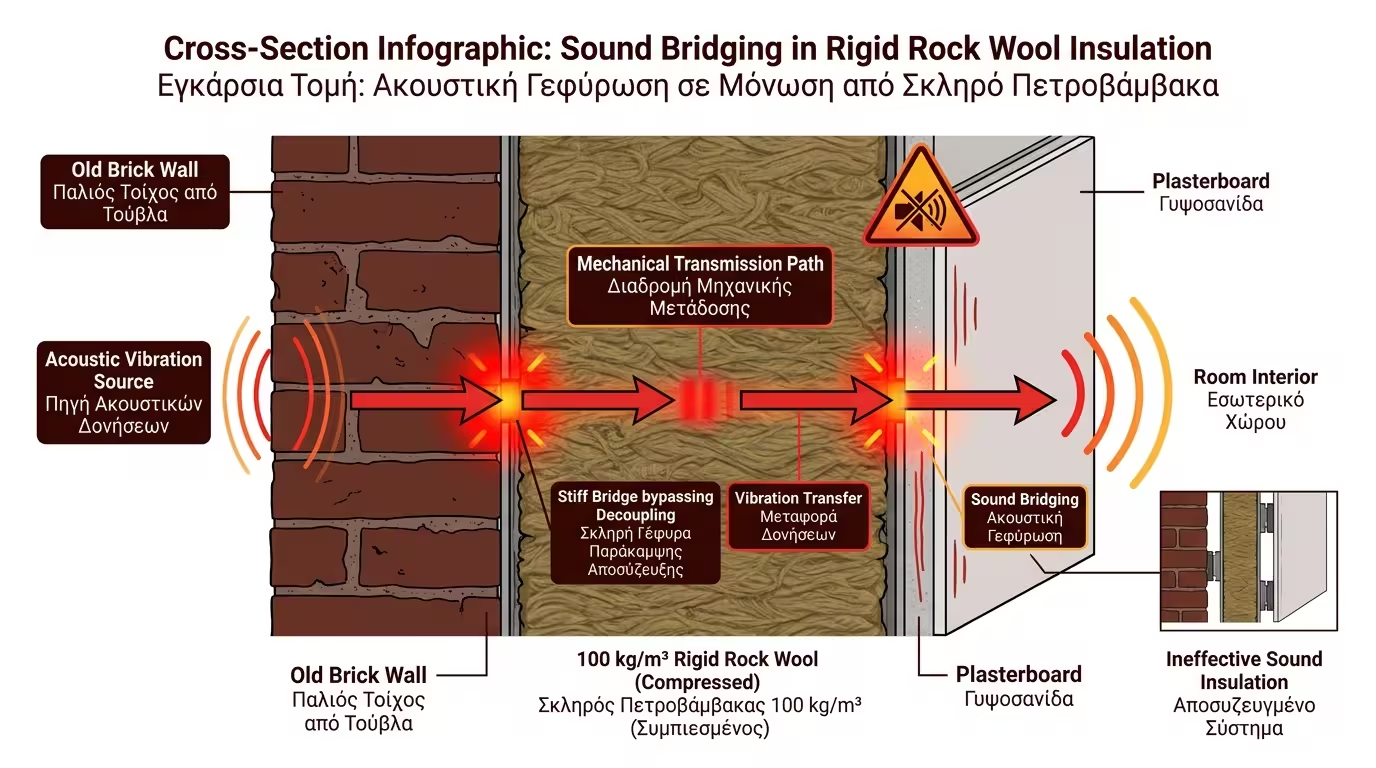
When you buy rock wool with extreme density (e.g. 100 or 120 kg/m³), the material ceases to be a soft, "fluffy" layer. It becomes solid and rigid, like a normal softwood board!
What happens then? Sound can no longer easily penetrate its fibres to be absorbed. Worse still: because it is stiff, once it touches the old wall and your new plasterboard, it acts as a solid bridge. The vibrations from the old wall will travel through the rigid rock wool and strike your plasterboard directly (mechanical transmission).
Instead of "breaking" contact with the neighbour, you have just… reconnected him to your wall!
What are the correct numbers when reading the labels?
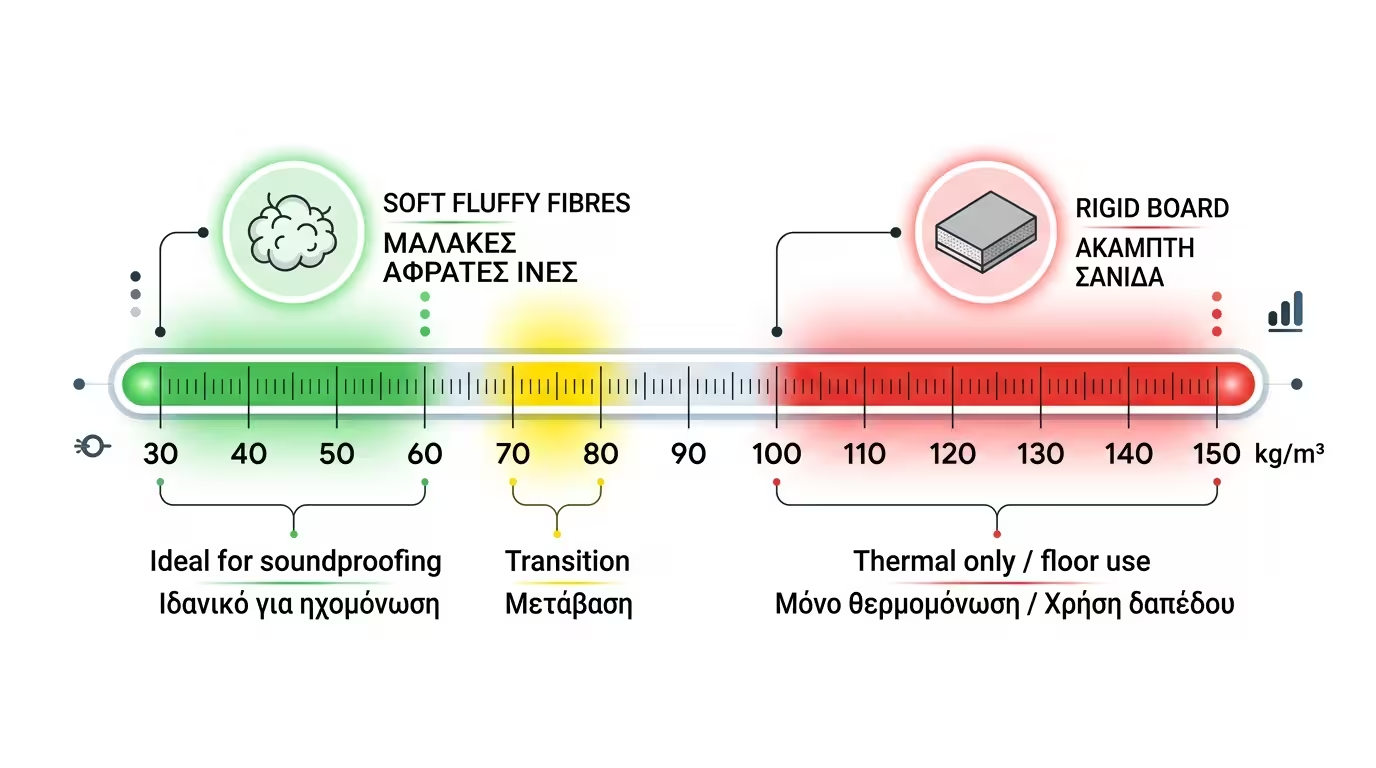
Soft or semi-rigid in rolls or slabs. Air (and sound) can enter but struggles to exit. This is the absolute "sweet spot" for filling plasterboard stud frames on walls and ceilings. And the best part? It is much cheaper!
These rigid rock wools are excellent for thermal insulation on flat roofs (where we walk on them) or for floors under screed (as a floating floor anti-vibration layer). But never stuff them inside hollow walls for airborne sound insulation.
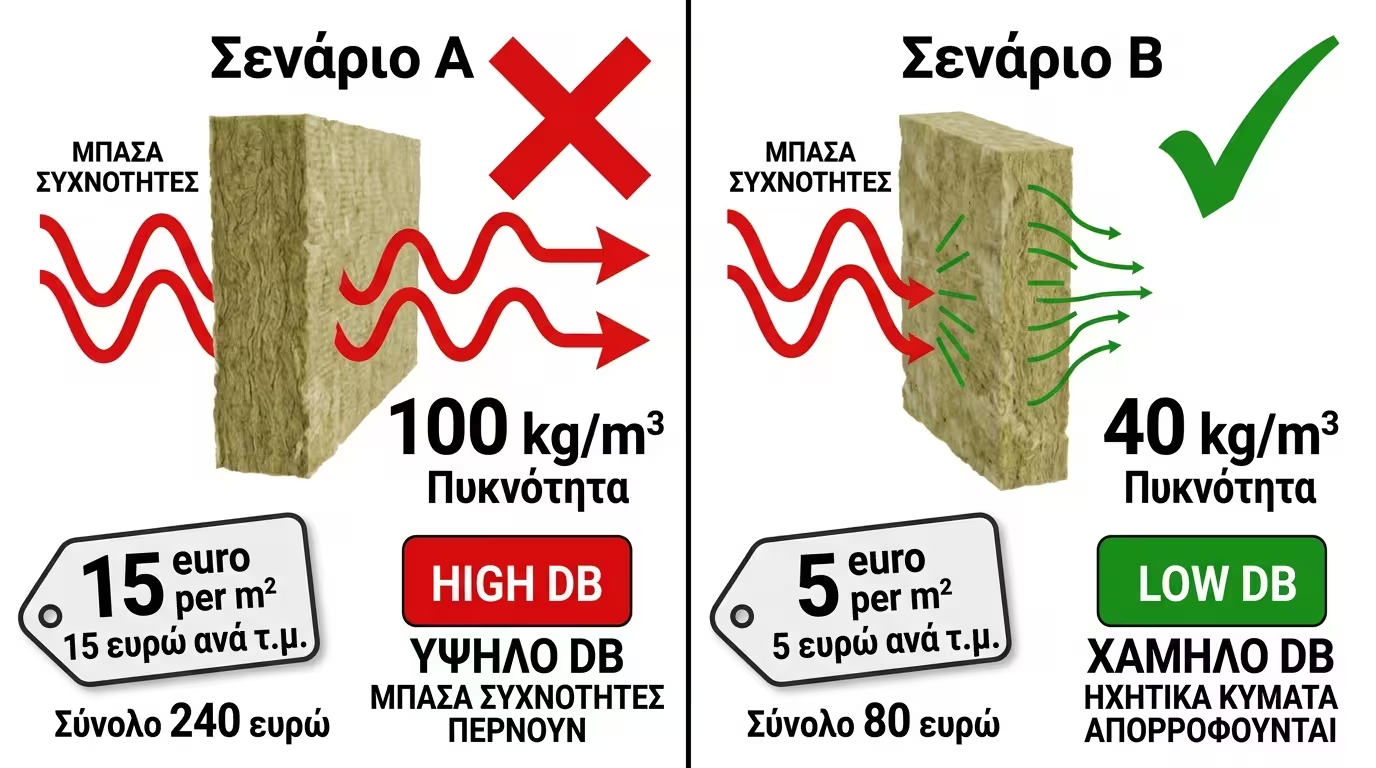
We are at the cash register buying rock wool for the 16 m² wall.
We listen to the salesperson and buy 100 kg/m³ rock wool. We pay about €15/m² (total €240). The builder jams it forcefully into the studs. That night, low frequencies (bass) from the neighbour pass through the rigid rock wool, hit the plasterboard and reach our ears. We spent a lot and got mediocre soundproofing.
We ask for 40 kg/m³ rock wool (semi-rigid). We pay only €5/m² (total €80). The rock wool fits loosely in the cavity. Voices and bass "get lost" inside its fluffy fibres and die out. We saved €160 and achieved the maximum laboratory sound reduction (R'w)!
The Final Conclusion: When it comes to absorbing sound inside cavities, heavier is NOT better. Stick to medium densities (40-50 kg/m³). You will save money, the builder will work more easily, and your wall will not turn into an acoustic "bridge".
Return to category.
Go to categoryReturn to the central guide.
Go to guide