🔥 Polystyrene (EPS)
When a flame strikes a polystyrene board, it melts instantly, disappears and drips liquid, flaming plastic.
If you want the ultimate thermal insulation with the smallest possible thickness, polyurethane foams are the undisputed kings. Yet, regarding fire safety, there is enormous confusion.
To clear the landscape, we must first understand that not all "yellow foams" are the same. There are two basic categories: Polyurethane (PUR) and its "evolved" sibling, Polyisocyanurate (PIR).
Both are plastics. However, unlike polystyrene (EPS) which is thermoplastic (it melts with heat), PUR and PIR foams are thermoset. What does that mean in practice when fire breaks out?
The biggest lie circulating is that polyurethane and PIR "don't burn." Of course they burn - they're organic materials (Euroclass B, C or D)! They simply burn differently.
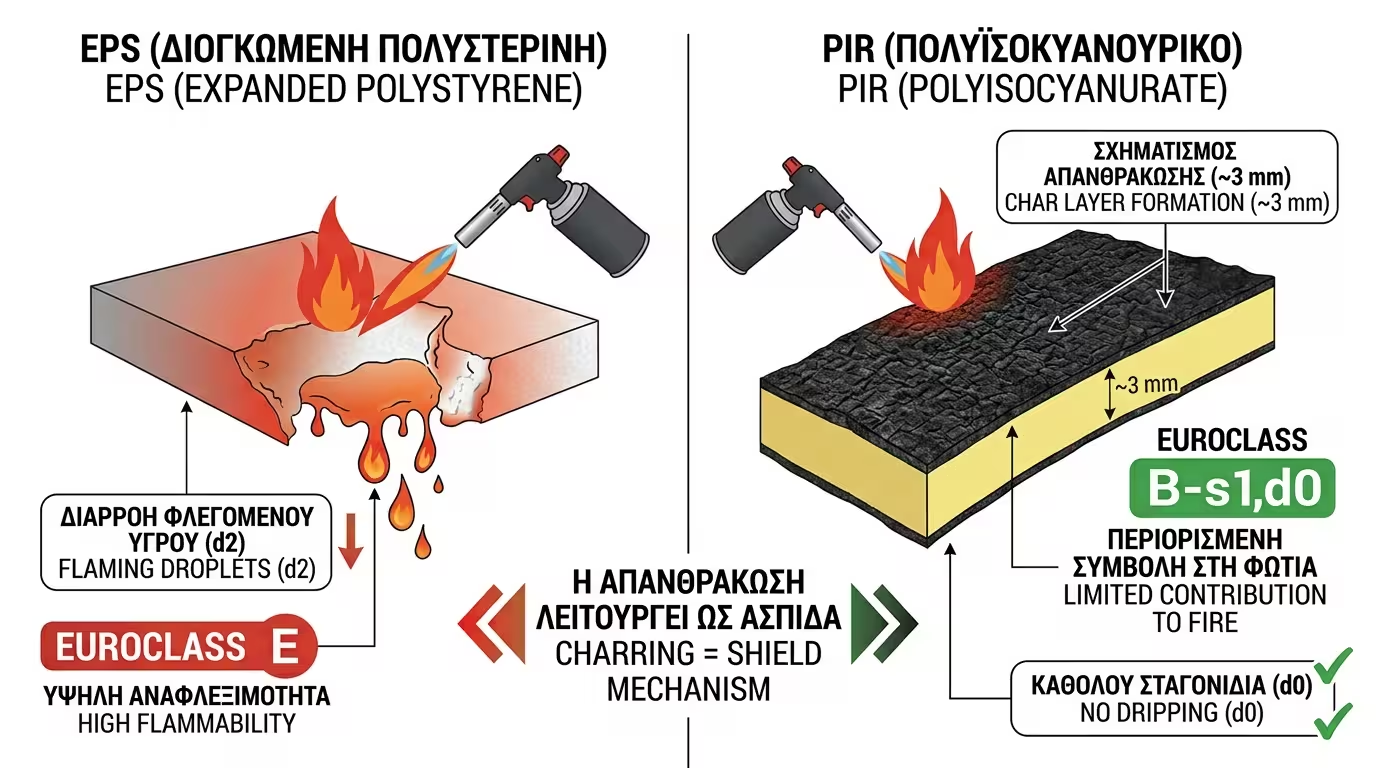
When a flame strikes a polystyrene board, it melts instantly, disappears and drips liquid, flaming plastic.
When a flame strikes a PIR board, the material doesn't melt and doesn't drip (index d0). Instead, its outer surface burns and creates a thick, black, hard carbon crust (the Charring phenomenon).
That carbon crust acts as a shield! It prevents oxygen from reaching the foam's interior and delays further combustion. If you remove the flame, fire on PIR usually extinguishes itself (self-extinguishing).
If PIR doesn't melt and resists fire with its crust, why isn't it considered the perfect material? Because chemistry always has a price.
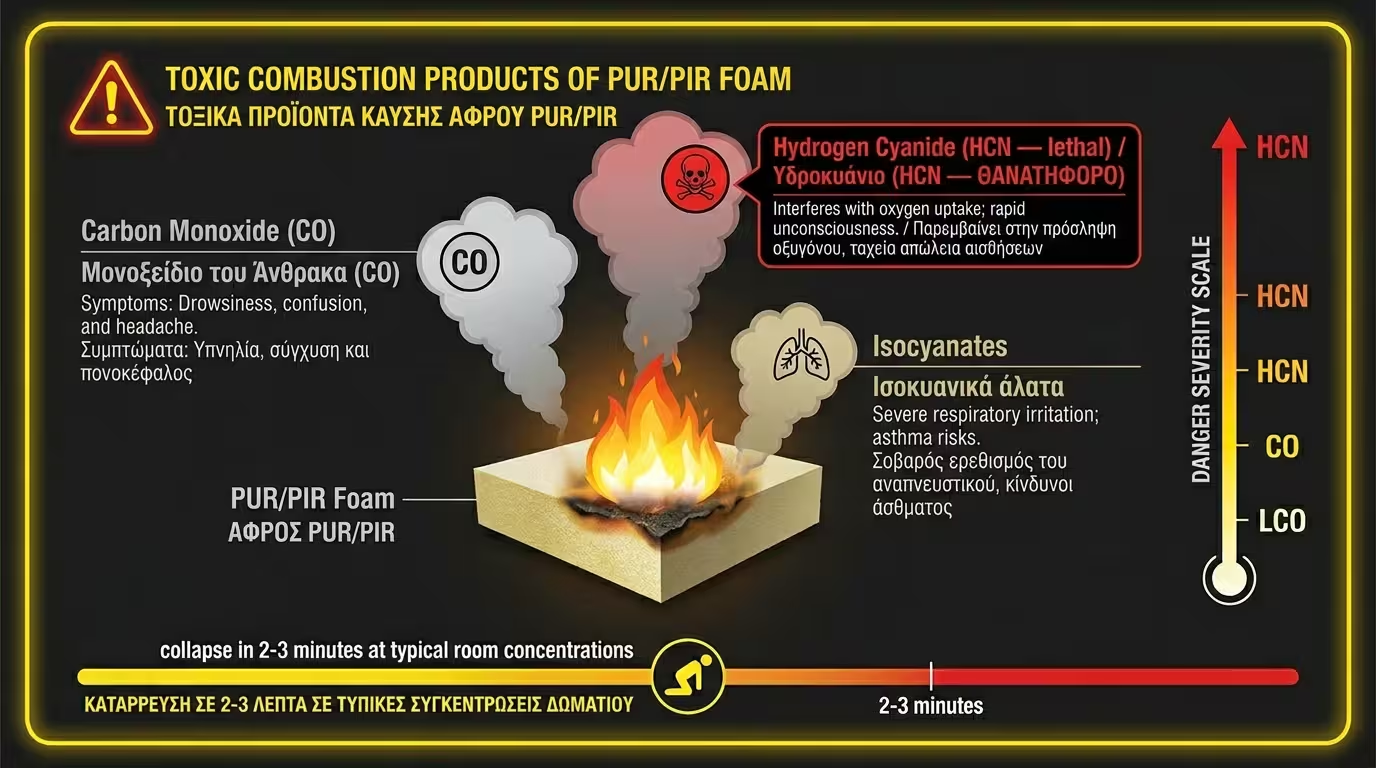
When PUR and PIR foams burn, they may not drip, but they produce lethal smoke. Besides the well-known carbon monoxide, polyurethane combustion releases Hydrogen Cyanide, one of the most toxic and rapidly lethal gases that exist.
In several tragedies (such as nightclubs with exposed polyurethane foam soundproofing), the victims didn't burn from the flames, but collapsed within minutes from inhaling hydrogen cyanide.
So is PIR dangerous? No, if applied correctly. PIR and PUR are excellent and safe materials, as long as they are never exposed (bare) indoors.
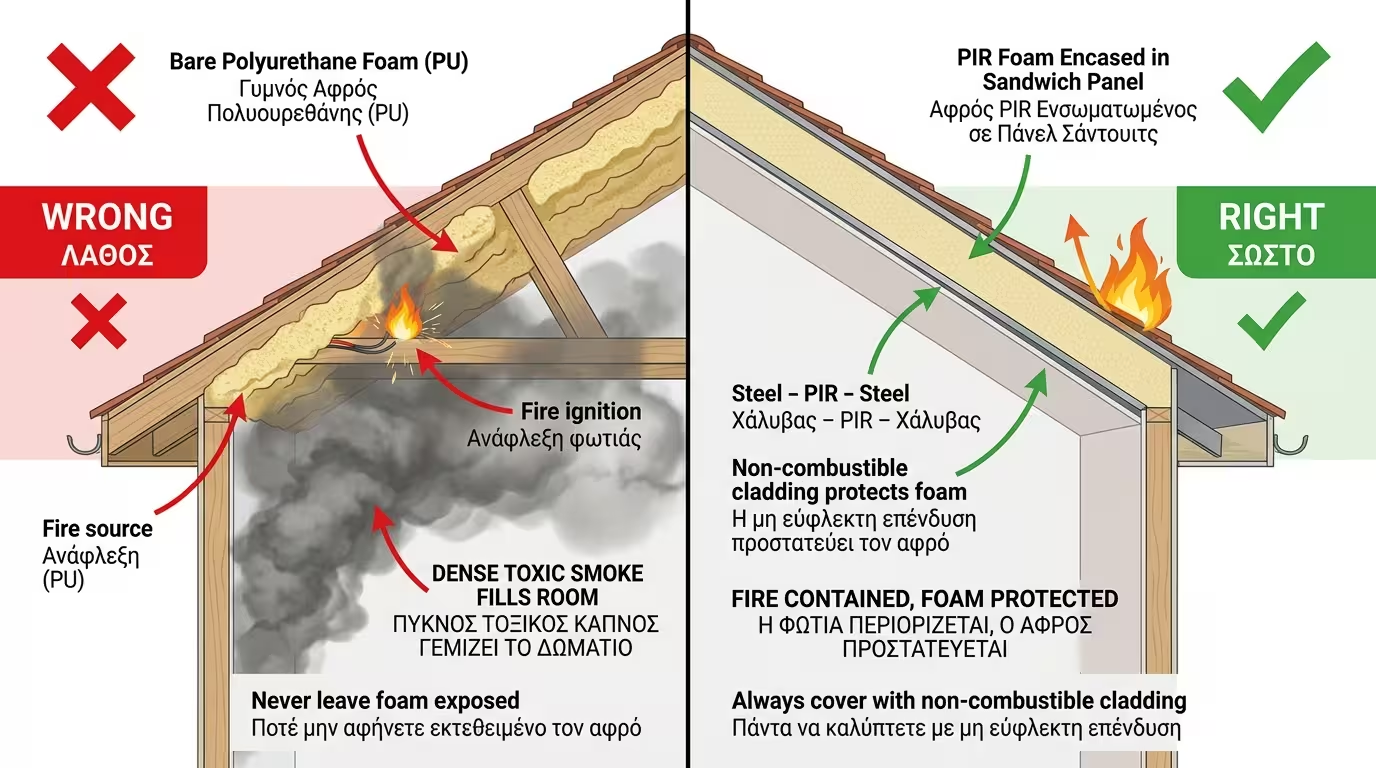
In industrial roof panels (sandwich), the PIR foam is trapped between two thick steel sheets. The steel protects the foam from direct contact with the flame.
In homes, if you install polyurethane boards on the walls or ceiling, you MUST mandatorily enclose them behind fire-rated plasterboard or thick render.
⚠️ Rule: No polyurethane foam (PUR or PIR) should ever remain exposed in an interior space. It becomes a source of toxic smoke if it catches fire.
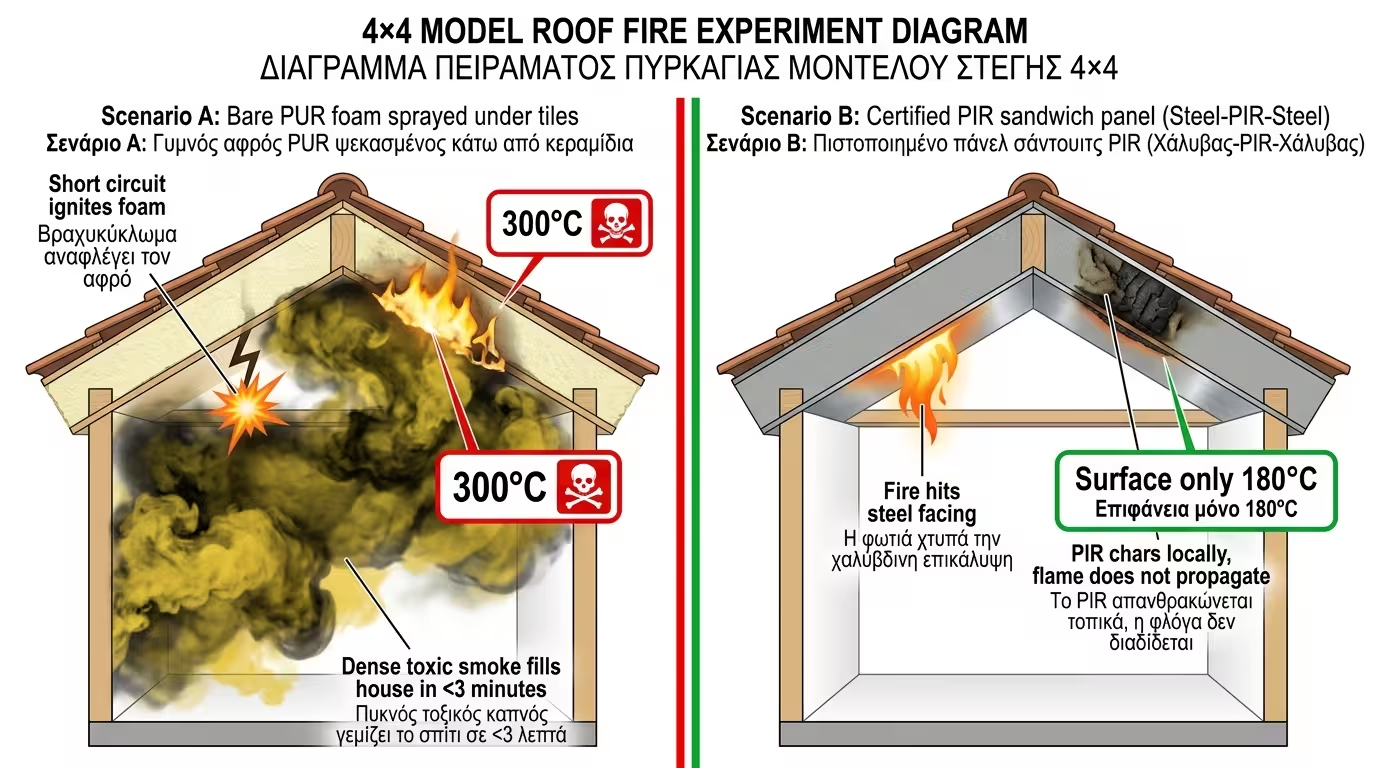
We're building our roof and we want top-tier thermal insulation.
We spray bare polyurethane foam under the roof tiles and leave it uncovered. A short circuit throws sparks. The foam ignites. It produces a dense, yellow-black, poisonous smoke that fills the house in 3 minutes.
We install certified sandwich panels (steel – PIR – steel). Fire breaks out in the room. The flame hits the ceiling's steel sheet. The sheet heats up, the PIR behind it "chars" locally, but refuses to go up in flames and releases no smoke into the room (since it's protected by the metal). We have time to extinguish the fire. The panel was damaged, but it didn't turn the roof into an inferno.
Final Takeaway: The "yellow foam" PIR is a huge technological leap over polystyrene regarding fire reaction (it doesn't melt, it doesn't drip). However, it remains a plastic that produces toxic smoke if burned. Use it confidently for its magical insulating properties, but always make sure to "dress" it properly, keeping it away from fire.
Return to category.
Go to categoryReturn to the central guide.
Go to guide