
Fire Safety Certificate (From the Fire Service): The Bureaucracy, Documents and Renewals

If the Fire Protection Study is your "promise" to the state that you will build a safe building, the Fire Safety Certificate is proof that you kept that promise.

Without this vital document, no municipality will grant you an Operating Licence for your shop, hotel, school or workshop. Even during a random inspection of an already operating business, its absence leads to massive fines or even closure and sealing of the premises.

1. The File and the Required Documents (The Digital Age)

In the past, engineers carried stacks of folders to the Fire Service. Today, most of the process (study approvals, etc.) is handled digitally (via the e-Permits / e-Fire Safety system).

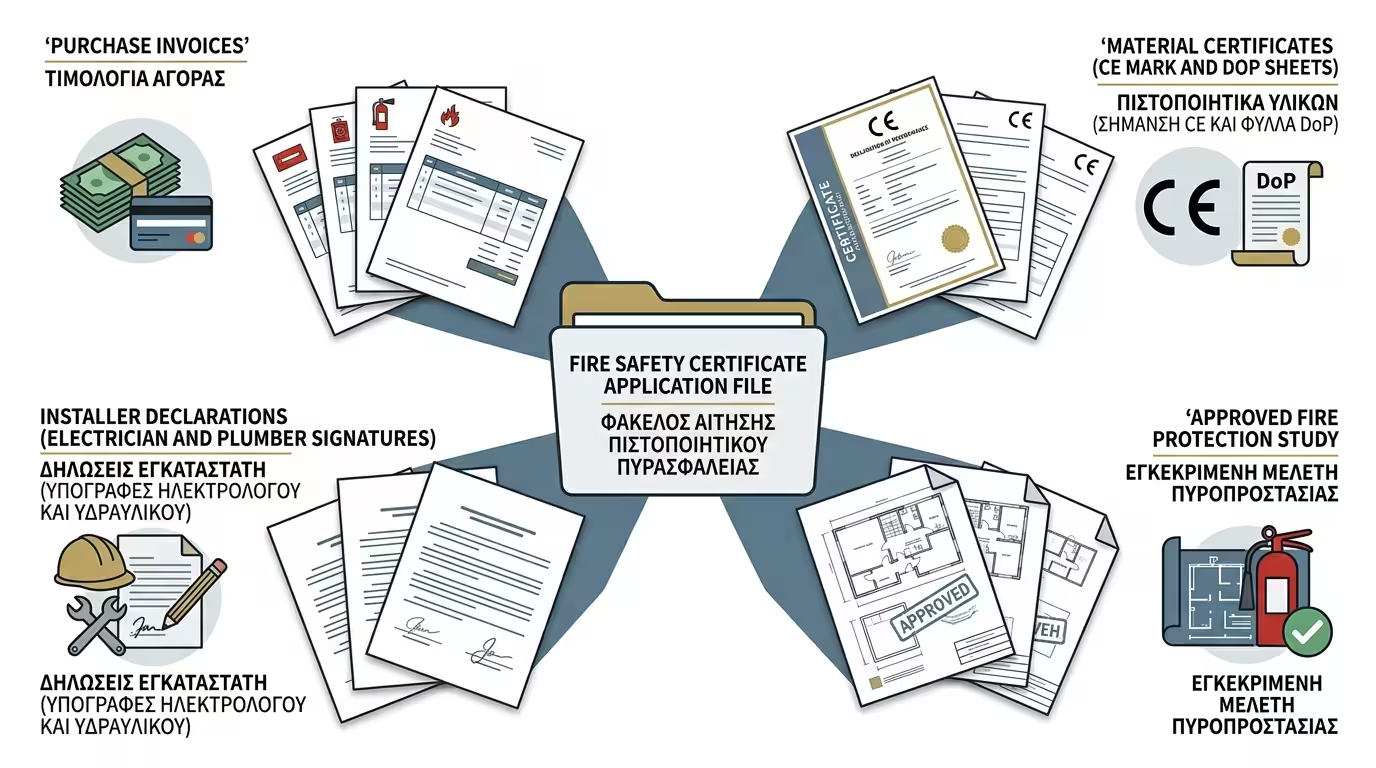
When the contractor finishes installing the equipment (extinguishers, doors, emergency lighting), your Engineer must compile the documents:

Purchase Invoices - to prove you actually bought the equipment. Material Certificates (CE and DoP) - the Fire Service wants the "passport" of every fire-rated door and material you installed. Installer Declarations - the electrician and plumber sign legally that they installed the alarm and fire hose reels "in accordance with the rules of craft and science."

Folder of documents: invoices, CE, DoP, signed declarations

2. The On-Site Inspection (When the Inspector Arrives)

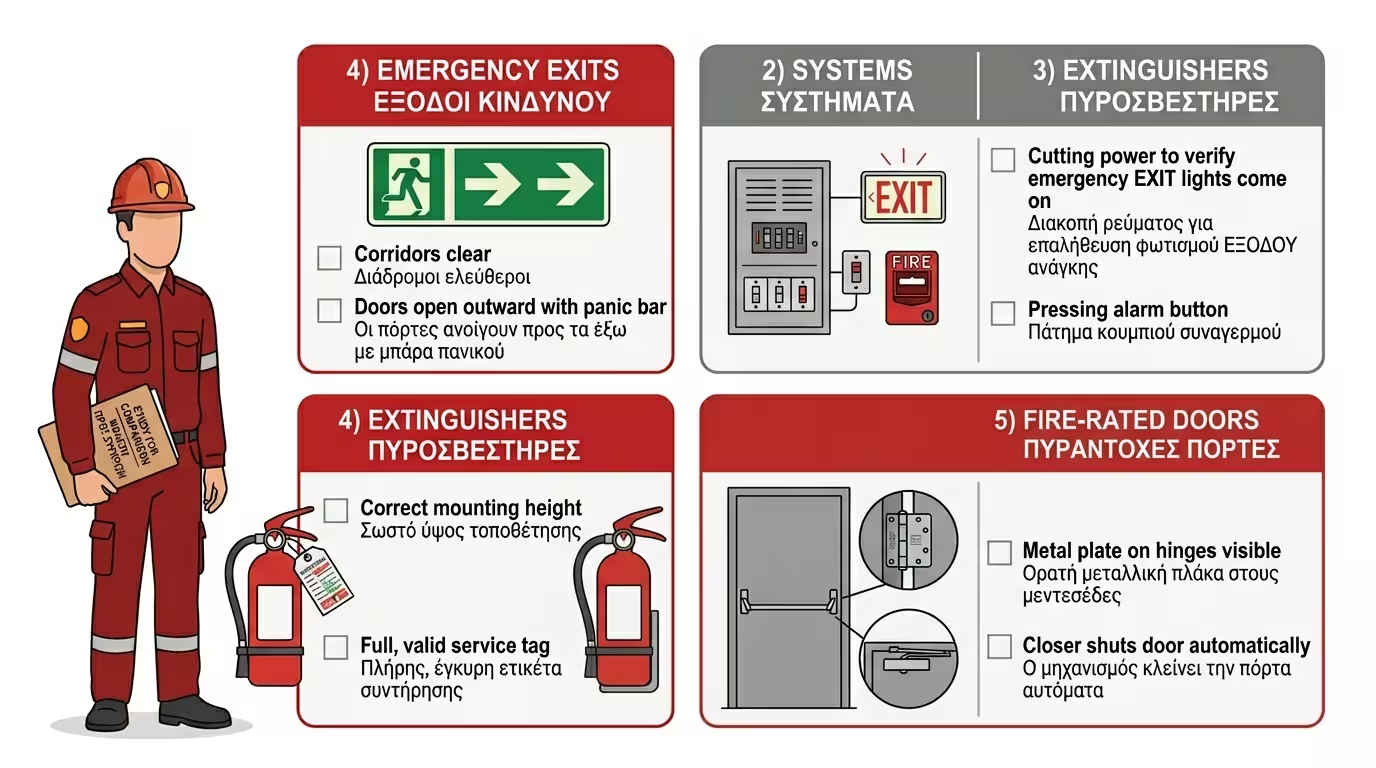
After the file is submitted, the Fire Service (especially for high-risk or public assembly premises) will send an Officer for an on-site inspection. The inspector holds the approved Study in their hands and compares the plan to reality.

What do they check with absolute strictness? Emergency exits - are the corridors clear or have you filled them with boxes? Do the doors open outward with a panic bar? Systems - they will ask you to cut the power to see if the emergency lights (EXIT signs) come on, they will press the alarm button. Extinguishers - are they hung at the correct height, full and with a valid service tag? Fire-rated doors - they will look for the metal plate on the hinges and check the closer shuts the door completely on its own.

If they find deficiencies, they give a short deadline to fix them. If everything is perfect, the Certificate is issued.

Fire Service inspection: doors, extinguishers, alarm, EXIT signs

3. The Expiry Date and Renewal

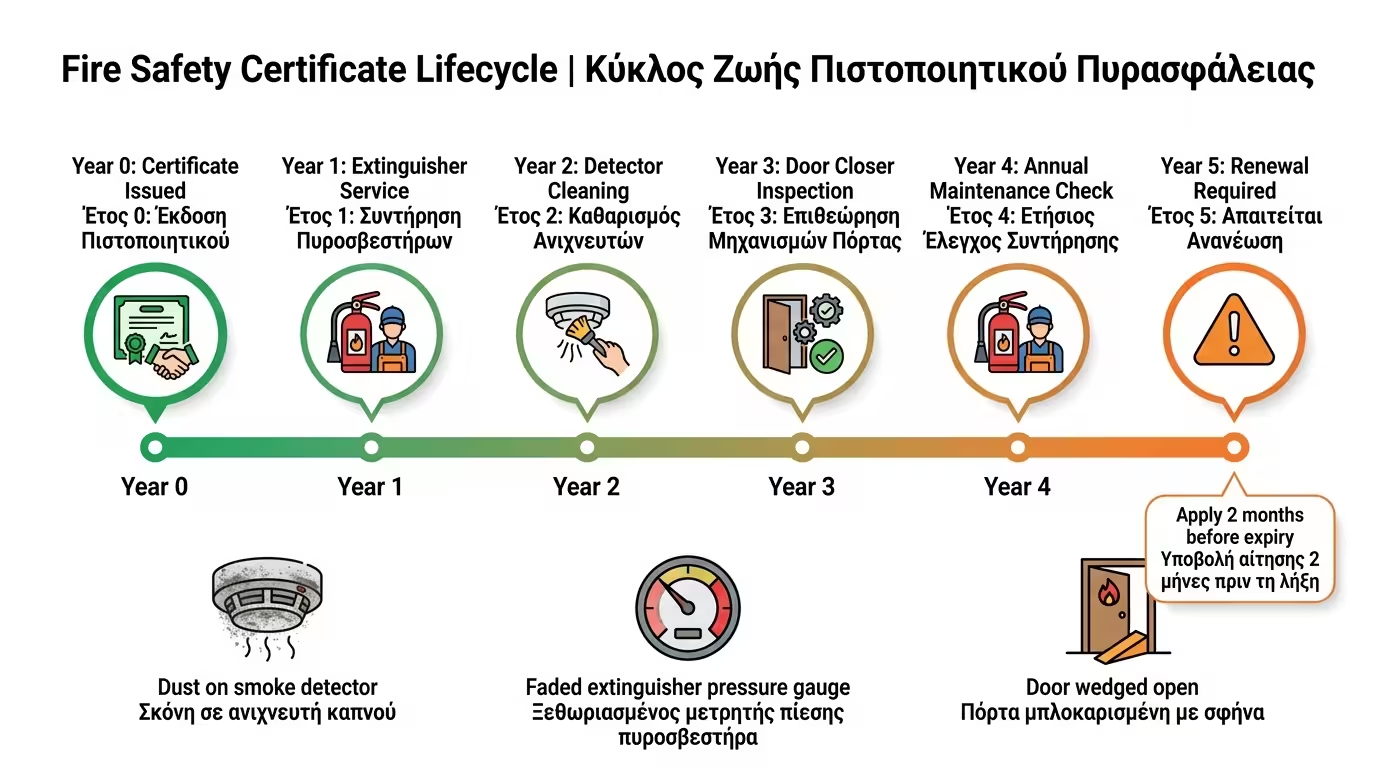
The Fire Safety Certificate is not permanent. Depending on the building's use, it has an expiry date (usually every 5 years, or less for high-risk installations).

Why does it expire? Because equipment wears out. Dust clogs smoke detectors, extinguishers lose their pressure, and owners, in the course of daily life, often "block" emergency exits or "lock" fire-rated doors open.

Two months before it expires, the owner is required to request Renewal. This presupposes that the maintenance technician has checked all equipment and the Engineer signs a new declaration that systems work flawlessly and no architectural changes have been made.

Certificate renewal every 5 years - equipment degrades over time

The Experiment in Our Model (The Café in the 4×4)

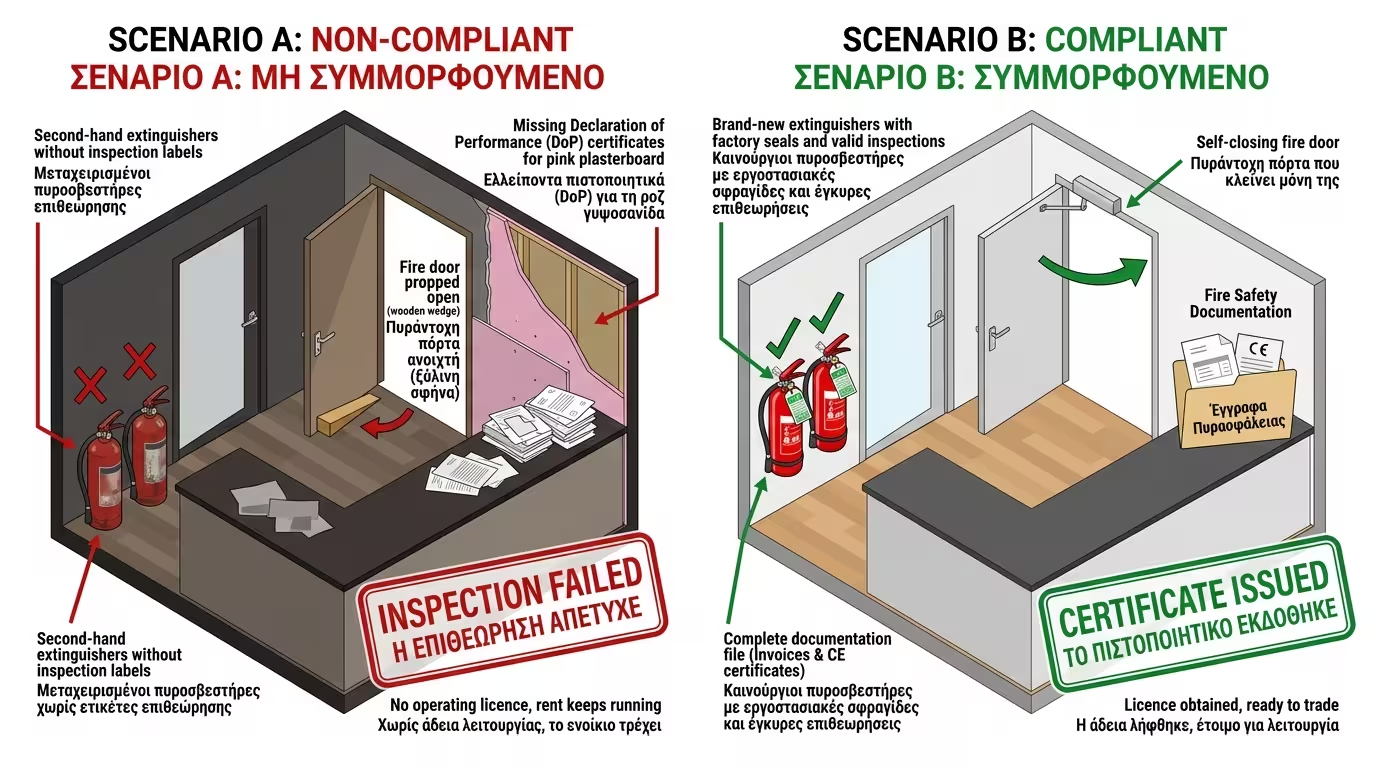
Experiment: café 4×4 - inspection with errors vs perfect compliance

We open a café (a place of public assembly). The study is ready and we have requested an inspection from the Fire Service.

❌ Scenario A (Cutting Corners)

To save money, we bought second-hand extinguishers without inspection labels. The kitchen's fire-rated door was annoying, so we propped it open with a wooden wedge. The Officer arrives. They see the wedge on the door and the expired extinguishers. They ask for the DoP certificates for the pink plasterboard. We don't have them. The inspection "fails." The café doesn't get its licence, opening is postponed, rent keeps running.

✅ Scenario B (Professionalism)

The Engineer gave us a complete file with all invoices and material certificates. All extinguishers are brand new, with factory seals. The fire-rated door closes by itself. We test the alarm and it rings perfectly. The Officer is satisfied. They sign. A few days later the Certificate hangs on our wall and we serve our first customers!

Final Takeaway: The Fire Safety Certificate is the owner's shield, both against fire and against the Law. Don't look for "backdoor" ways to fool the inspector. Compliance is the only path that ensures your building will operate smoothly, continuously and absolutely legally.

Related Articles

Fire Protection: Passive Safety & Building Protection

Return to category.

Go to category

Preview