When Do We Choose Internal Over External Insulation? - The 5 Key Reasons

In the world of energy upgrades, external insulation (ETICS) is considered the "king". But what happens when the king… doesn't fit through the door?

In the reality of Greek cities and villages, there are many constraints -legal, architectural, and practical- that make intervening on the building's exterior anything from extremely difficult to outright illegal. That's precisely where internal insulation provides the solution. Let's look at the 5 key reasons why insulating from the inside is often the only (or the smartest) option.

1. Listed, Neoclassical and Stone Buildings

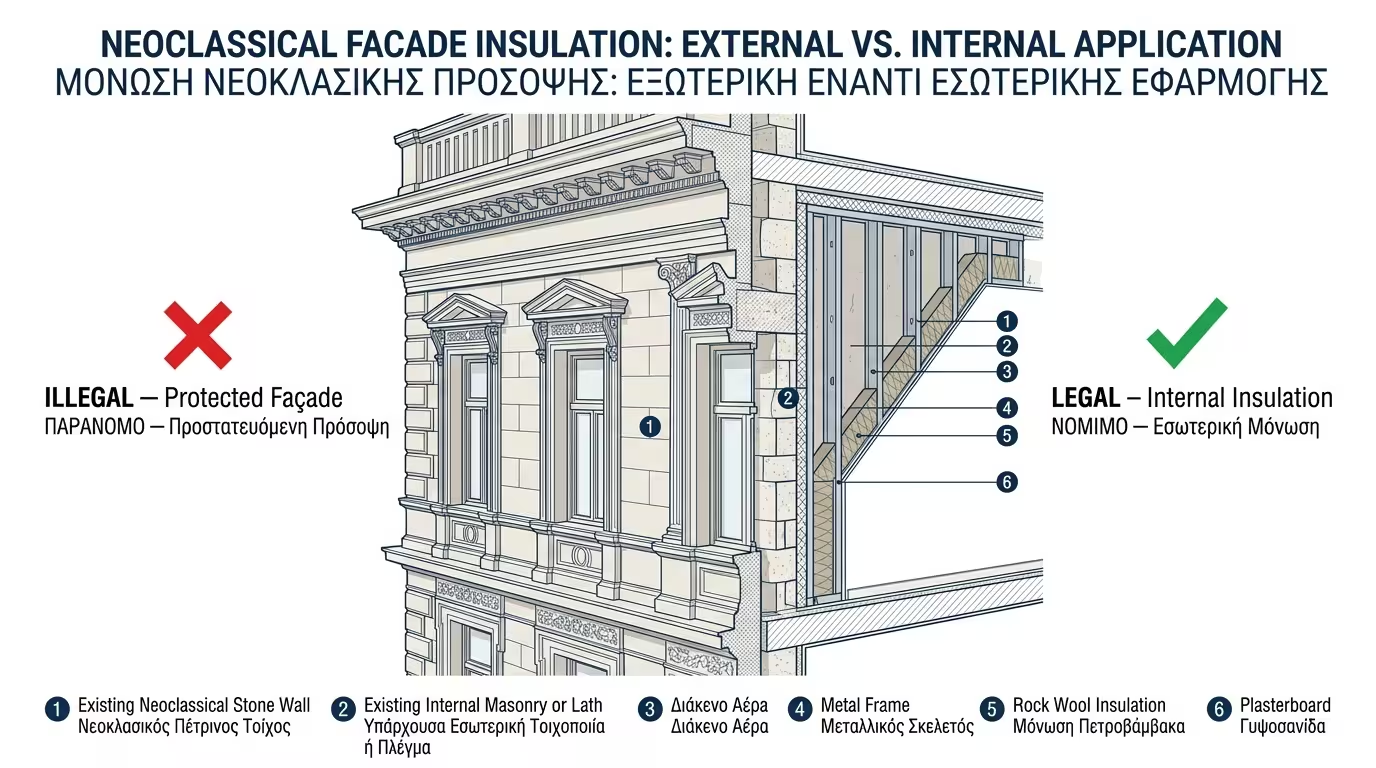
The most absolute constraint is legal and aesthetic. If you own a listed neoclassical in Athens, a traditional mansion in Pelion or a stone house in Mani, the law (or common sense) prohibits altering the external appearance.

Stone mansion - internal insulation preserves architectural heritage

🏛️ Law and Architecture

You cannot cover ornate cornices or exposed stonework with polystyrene and render. In these cases, internal wall lining (typically with a frame, rock wool and plasterboard) is the only way to stay warm without destroying your home's architectural heritage.
2. The Apartment Block "Veto"

You live in an '80s apartment block and want an energy upgrade. Ideally, you'd wrap the entire building in ETICS. But at co-owner meetings, unanimity is rare - it only takes one dissenting neighbour to block the whole project.

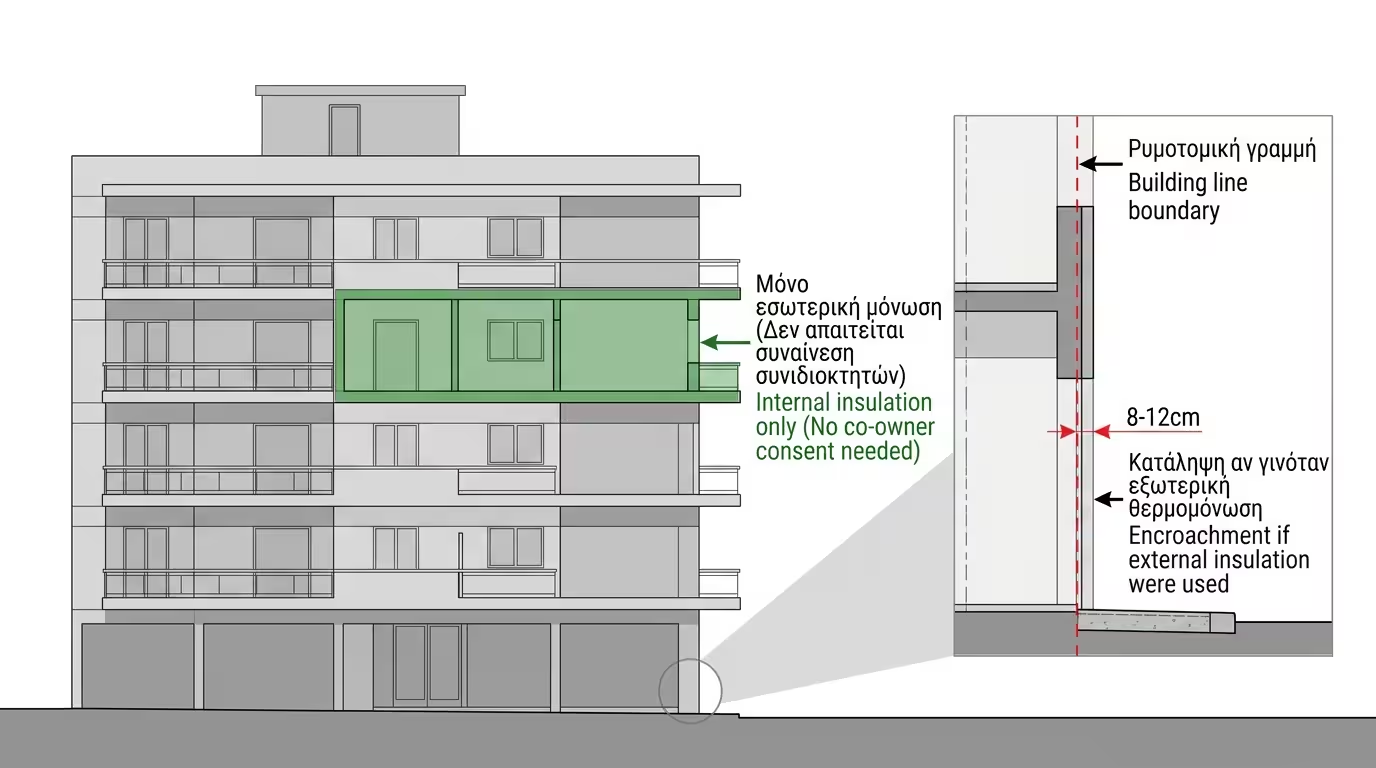
Apartment block - internal insulation needs no co-owner consent

🏢 The Practical Solution

If neighbours won't share the cost, or won't allow you to insulate just your section externally (creating an aesthetic "tooth" on the façade), internal insulation frees your hands. You intervene exclusively within your own space, whenever you want, without asking anyone.

📐 Planning Constraints (Building Line)

External insulation adds 8–12cm to the outer wall. If your house sits right on the property boundary or the building line (pavement), the addition means encroaching on public or neighbouring property. In narrow streets or adjoining buildings, internal insulation is the only option.

3. Building Use: Ideal for Holiday Homes

This is internal insulation's great hidden "ace". Building materials (brick, concrete, stone) have "thermal mass" - they absorb heat.

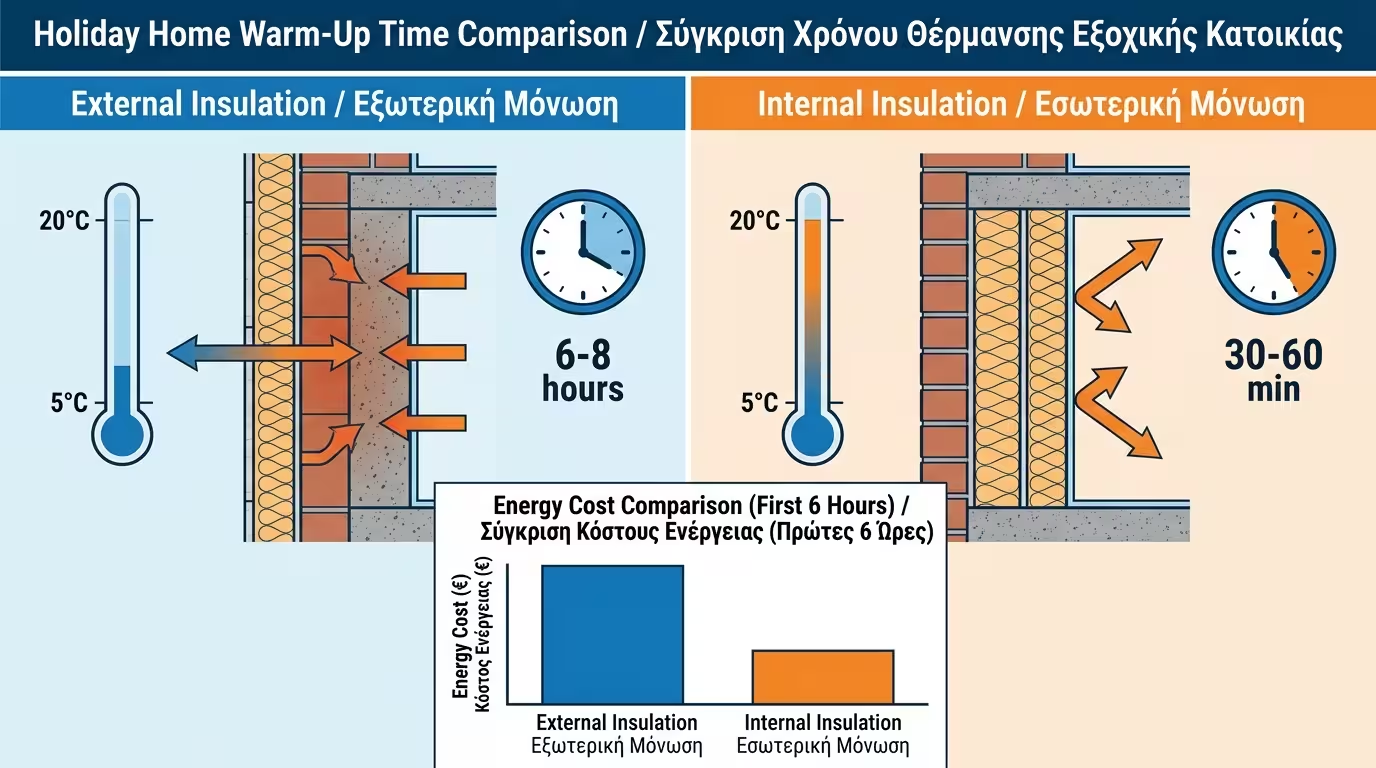
Holiday home - rapid heating with internal insulation

🌡️ External Insulation in a Holiday Home

With external insulation, the heater must first warm the frozen walls (which can take 6–8 hours) before the air starts warming.

⚡ Internal Insulation in a Holiday Home

With internal insulation, the insulating material sits between the cold wall and the room air. The wall is isolated. As soon as you turn on the heating, the room air warms almost instantly (30–60 minutes).

💡 Tip: For spaces used occasionally (holiday homes, offices, meeting rooms), internal insulation offers incomparably faster thermal comfort.

4. Reduced Cost and Room-by-Room Renovation

Internal insulation requires no scaffolding, cranes, or planning permits for pavement occupation. This drastically reduces the initial cost compared to a full external ETICS project.

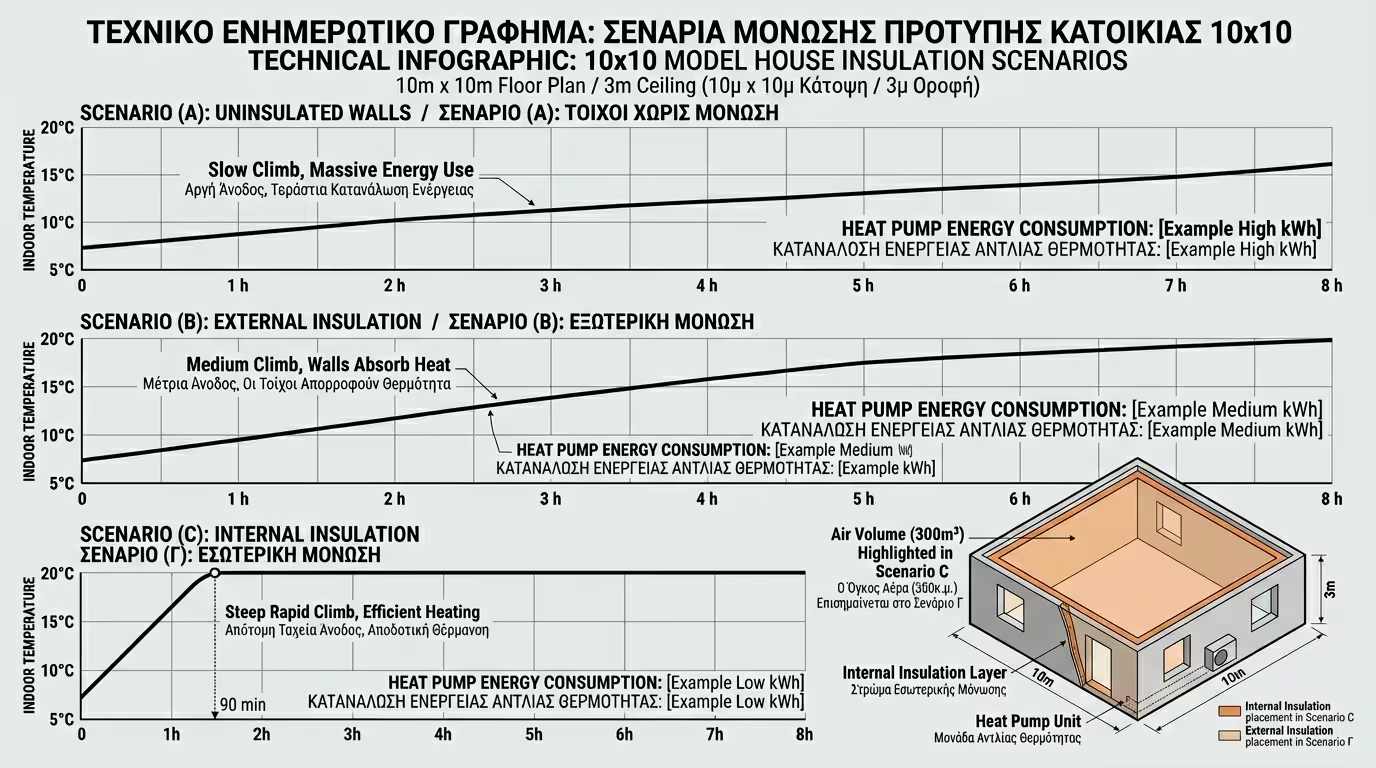
10x10 Model - internal insulation heating scenarios

💰 Budget Flexibility

You don't need to spend €5,000 in one go. This year you can insulate just the cold north-facing children's bedroom, next year the living room, and the year after the kitchen, adapting the project to your finances naturally.

📐 The 10x10 Model Experiment: Imagine the "10x10 Model" as a mountain holiday home at 5°C indoors. We want to reach 20°C on Friday evening. With uninsulated walls or external insulation, the system must spend enormous energy to "fill" the wall mass. With internal insulation, the air (300 m³) is isolated from the walls. The heat pump warms the air rapidly, reaching 20°C in less than 90 minutes.

5. Conclusion

✅ The Power of Internal Insulation

Don't underestimate internal insulation. It is an exceptionally powerful solution when conditions prohibit "wrapping" the building from outside, provided it is applied with the right materials and techniques.

Related Articles

Insulation Systems: Complete Solutions for Every Building

Return to category.

Go to category

Preview