💧 Evapotranspiration
Plants absorb water from the soil and "sweat" it out (evaporate) through their leaves. This process absorbs enormous amounts of thermal energy from the air. Your roof literally "sweats" to cool your house.
Imagine walking in central Athens at noon in August with 40°C. The asphalt and cement are boiling. If at that moment you enter the National Garden, the temperature magically drops by 4-5 degrees. You can transfer that cooling microclimate created by trees and soil directly above your living room!
The Green Roof (Planted Roof) is the practice of covering your flat roof with a special substrate and vegetation system. Beyond its aesthetic value, it is a marvel of bioclimatic architecture.
Traditional insulation materials (polystyrene, mineral wool) work by slowing heat transfer. A green roof, however, works actively, cooling the building!
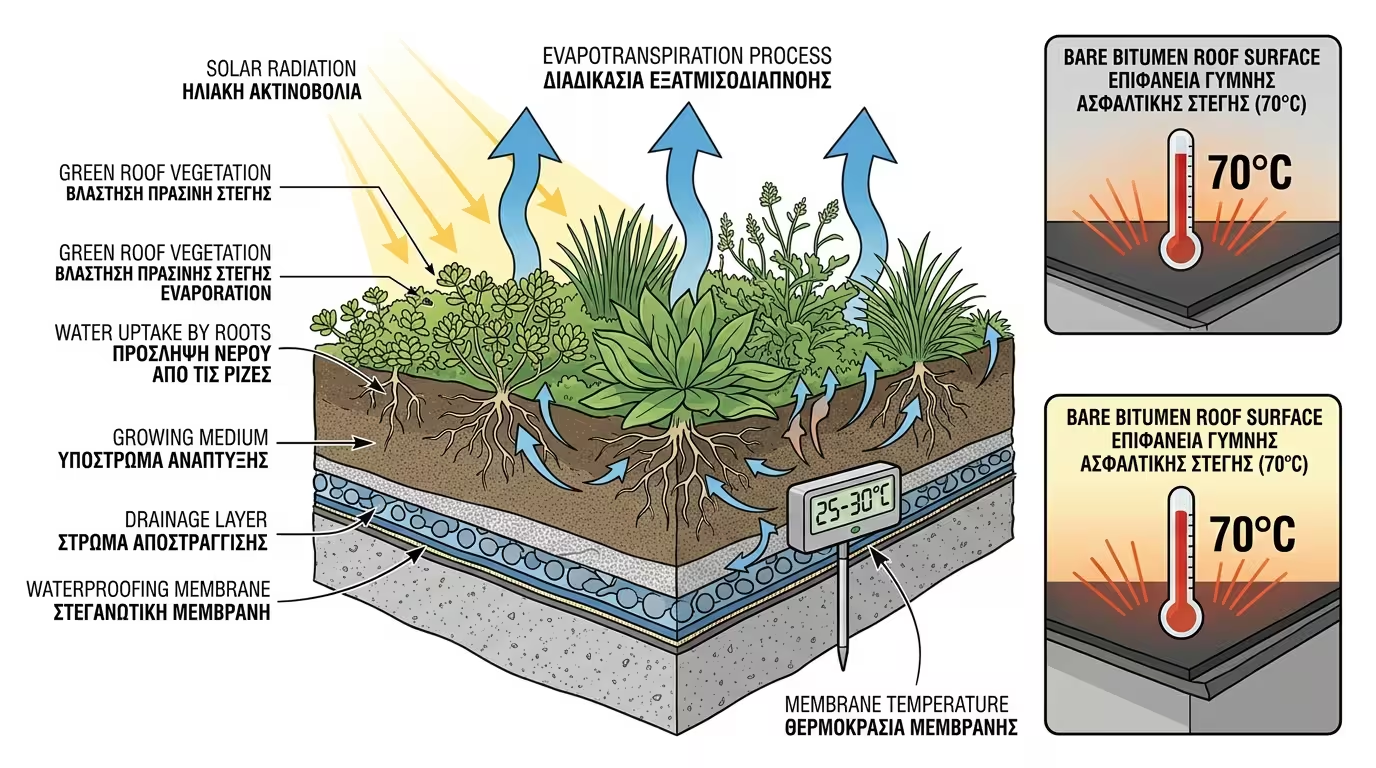
Plants absorb water from the soil and "sweat" it out (evaporate) through their leaves. This process absorbs enormous amounts of thermal energy from the air. Your roof literally "sweats" to cool your house.
A flat roof with standard bitumen "bakes" at 70°C in summer. Cover it with soil and plants (where the sun never sees the waterproofing) and the temperature at the membrane surface never exceeds 25°C - 30°C!
In winter, the thick soil layer (which traps air) acts as an extra heavy blanket preventing precious heating from escaping through the ceiling.
If you think it's enough to dump 10 bags of soil on the roof and plant grass, you are making a huge mistake. Plant roots are aggressive. They will pierce standard bitumen, penetrate concrete seeking moisture, and bring your ceiling crashing down.
Building a Roof Garden is a strict, multi-layer science (from bottom to top):
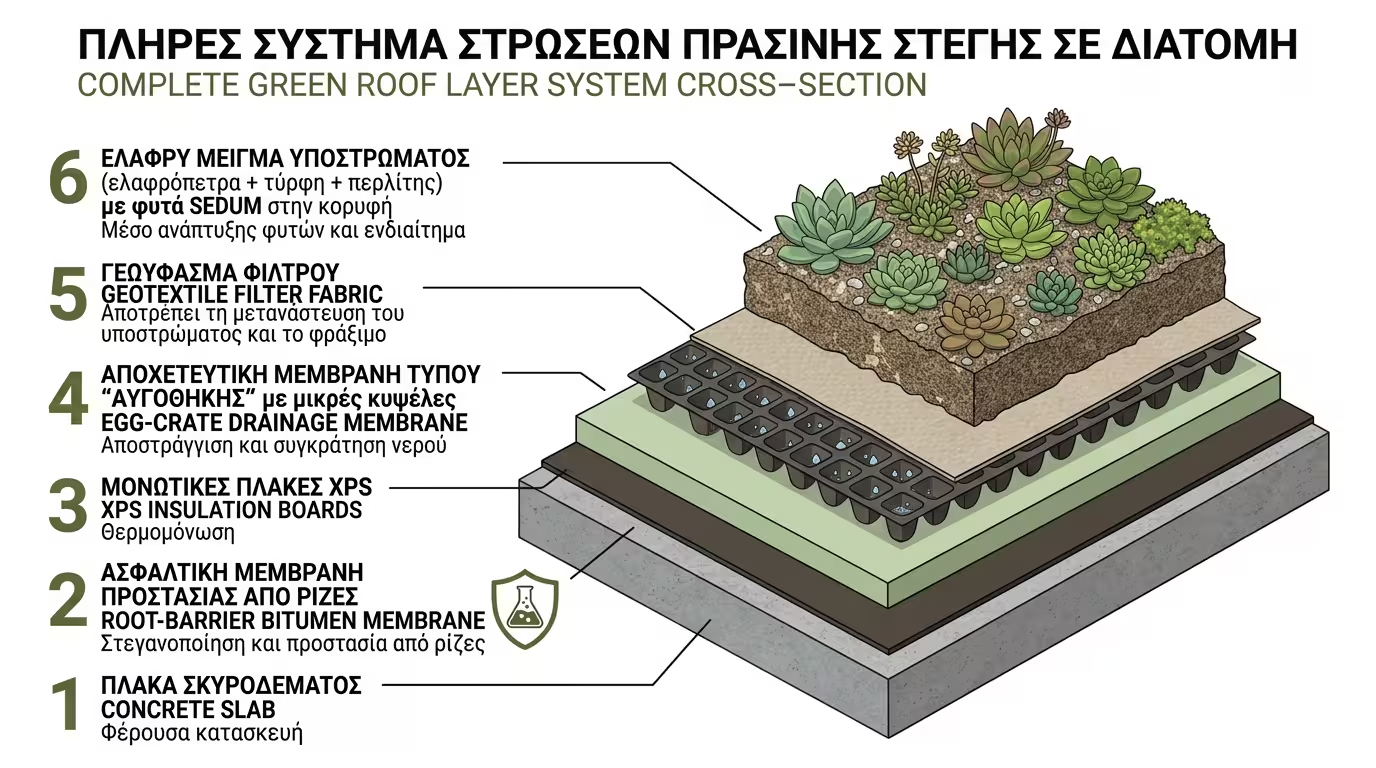
A special, ultra-strong waterproofing containing chemicals (safe for the environment) that repel roots.
Hard extruded polystyrene boards that withstand moisture (as in inverted insulation).
A plastic mesh that holds some water in small cells for the plants to drink during heatwaves, while channelling the rest toward the drains.
A filter that lets water pass through but retains soil (so it doesn't turn to mud and block the drains).
We don't use heavy garden soil but a special mix of pumice, peat and perlite, so as not to overload the building structurally.
Two broad categories:
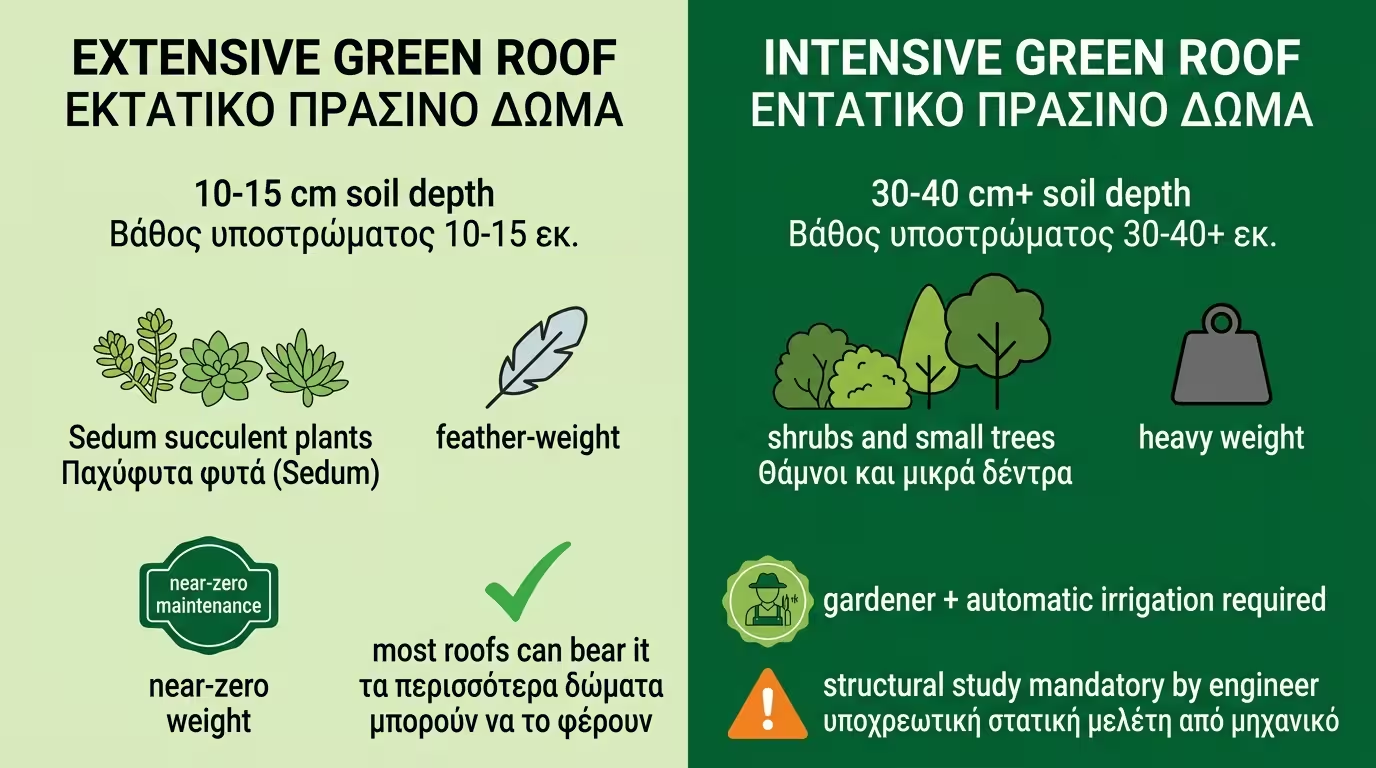
The lightweight system. Shallow soil (10-15cm ) planted with Sedum succulents or small grasses. Near-zero watering, no mowing, and almost all flat roofs can bear it structurally.
The real garden. Deep soil (over 30-40cm) where you can plant shrubs or even small trees. Requires automatic irrigation, gardener maintenance, and most importantly: A structural study by an engineer, because it weighs tonnes!
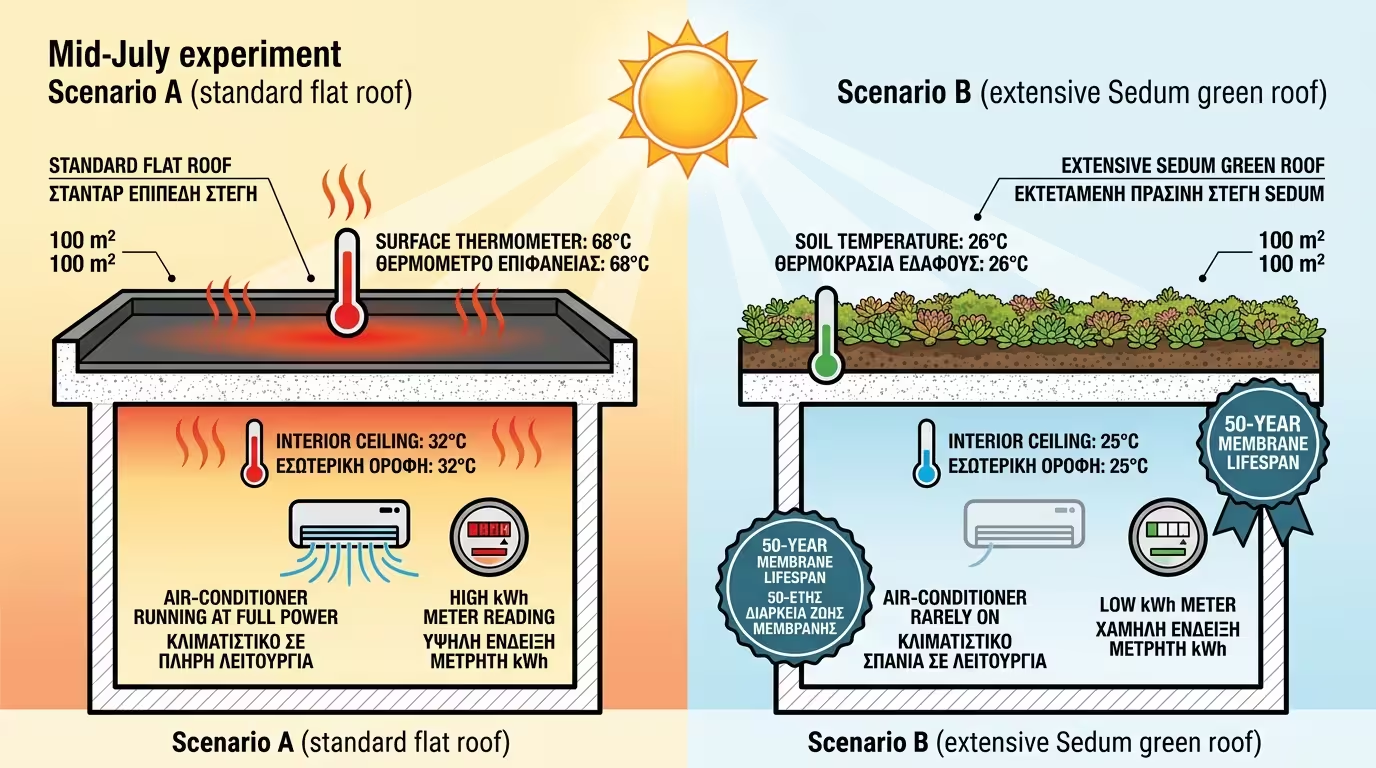
It's mid-July. In our digital house we have two identical flat roofs, side by side.
The blazing sun hits the slab from morning. At 14:00, the outer surface temperature reaches 68°C. The heat slowly penetrates the conventional insulation and the interior ceiling reaches 32°C. The air-conditioner runs at full power, consuming endless electricity to fight the "frying pan" directly above it.
The planted-roof system receives exactly the same sun. But the plants evaporate water. The soil temperature, directly above the insulation, never exceeds 26°C! The insulation has no difficult job. The interior ceiling is cool (25°C). Air-conditioning rarely switches on, and the waterproofing will live for 50 years without ever seeing the sun!
The Final Conclusion: A green roof demands a larger upfront investment and structural check. But the summer electricity savings, the increase in property value (which gains its own park), and the lifetime protection of the insulation make it the ultimate "upgrade" for those who can build it!
Return to category.
Go to categoryReturn to the central guide.
Go to guide