🔊 When the Alarm Sounds
The panel commands the electromagnet to release the roller.
In modern architecture, the biggest enemy is walls. We want vast, unified spaces. But as we saw in Category D, a huge open space means that if fire breaks out in one corner, the entire building can burn down.
To solve this paradox, engineers invented Fire Curtains. A system that remains 100% invisible in everyday use, yet transforms into a solid fire-resistant "wall" within seconds.
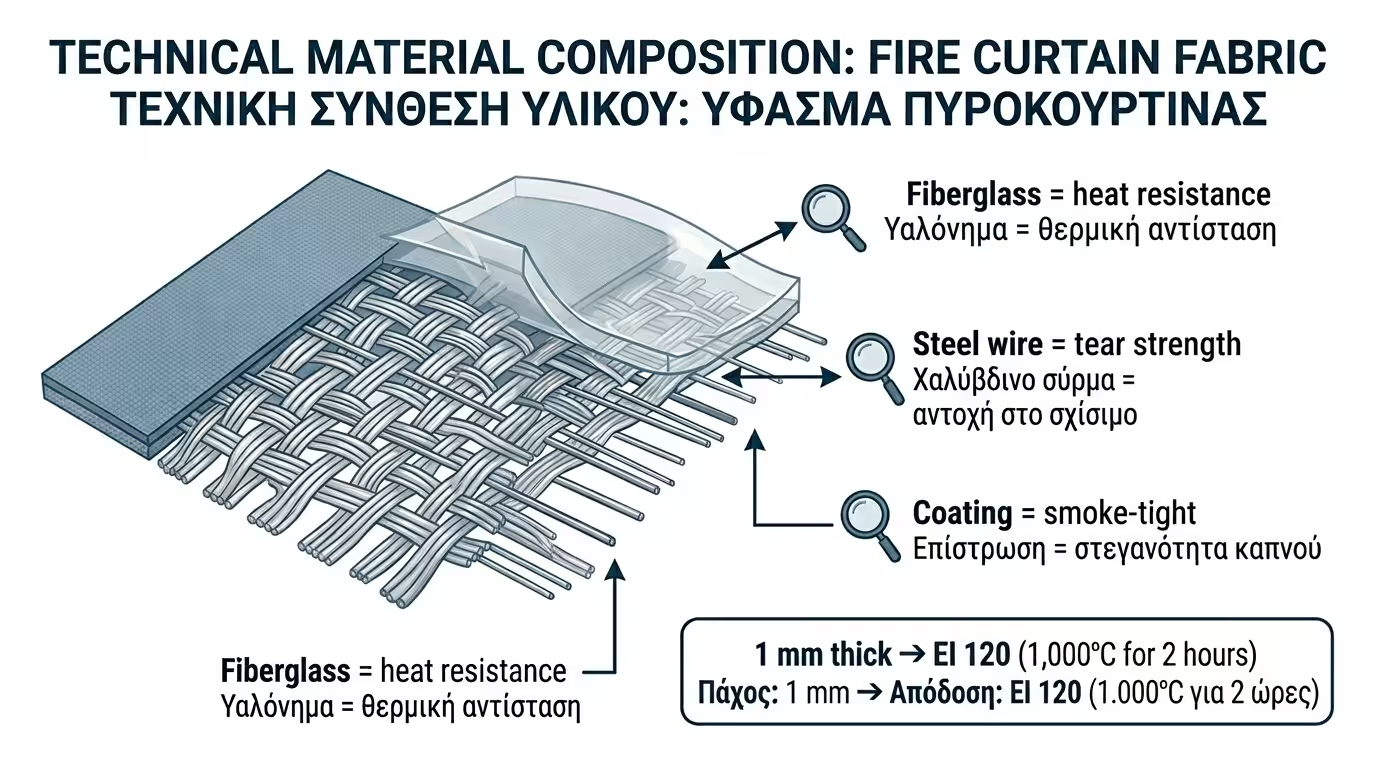
If you hold fire curtain fabric, it feels like a very heavy, silvery or grey canvas. However, its composition is worlds apart from cotton. It is woven from specialist fiberglass. Within the weave, there are often microscopic stainless-steel wires braided in to give enormous mechanical strength (so the curtain won't tear if something falls on it). Finally, the fabric is "dipped" in a specialist fire-rated polyurethane or silicone coating that seals all the pores so that smoke cannot pass through.
The result? A fabric just 1 mm thick that can withstand temperatures of 1,000°C for a full 120 minutes (EI 120)!
How does it work in practice? The curtain is wound onto a metal roller (like a window blind), which is concealed inside the false ceiling. Absolutely nothing is visible. The roller is held wound up by an electric motor and an electromagnet, both of which are connected to the building's central fire-detection panel.
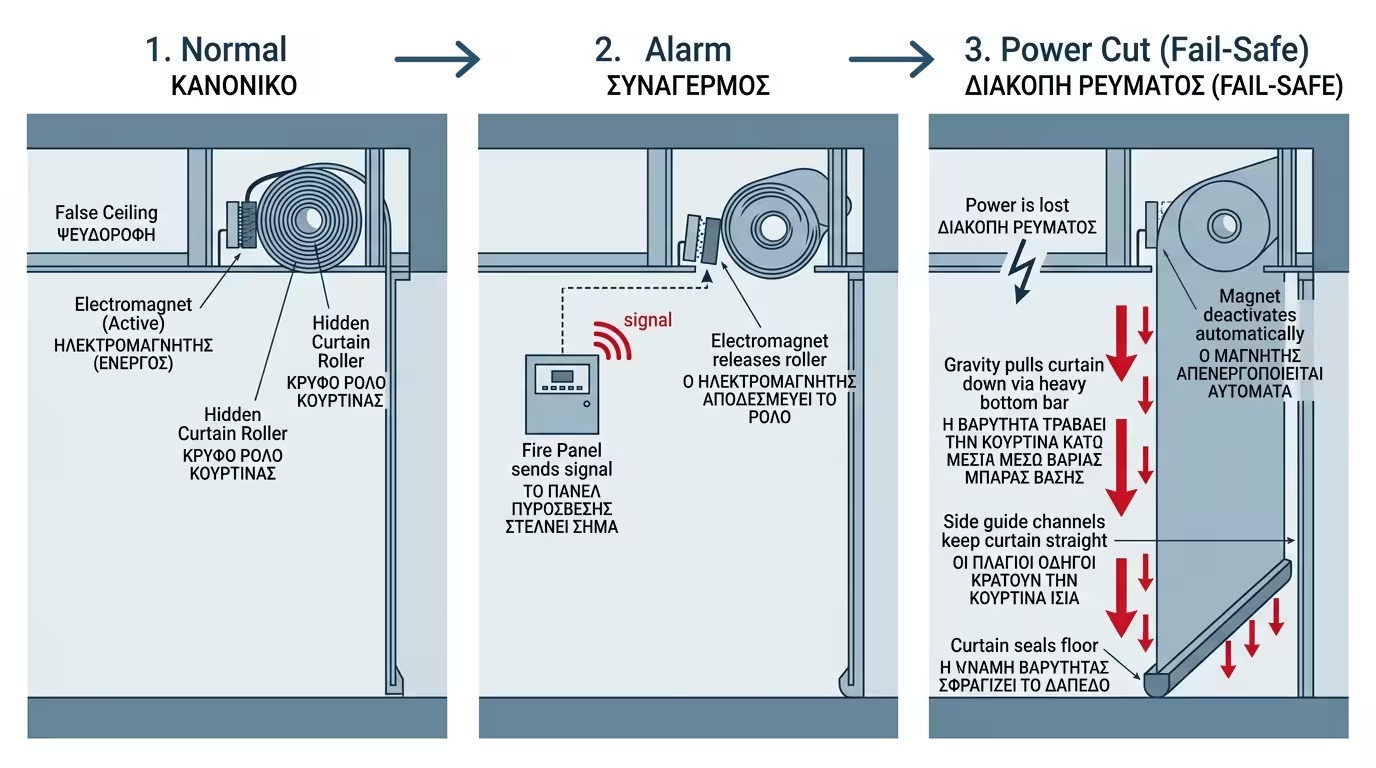
The panel commands the electromagnet to release the roller.
Even if the fire burns the cables and power is cut entirely throughout the building, the electromagnet (because it operates on electricity) loses its hold. The curtain's bottom edge has a heavy metal bar. Gravity itself pulls the curtain downward. The curtain unrolls smoothly (inside specialist metal guide channels on the side walls) and "seals" against the floor. You've just cut the factory floor in two!
There are two types of curtains on the market, and the difference between them is critical:
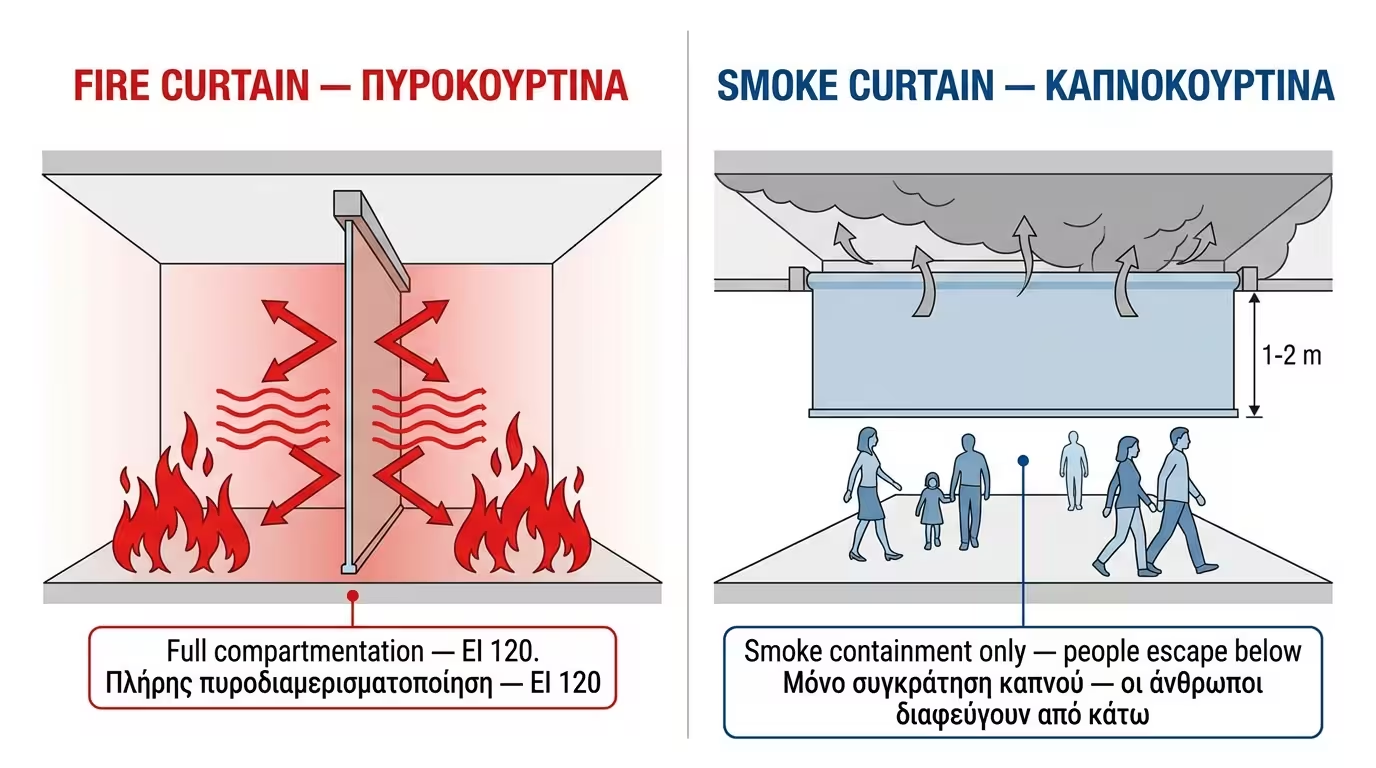
These are the ones we described above. They descend all the way to the floor, seal the space completely and function exactly like a fire-rated wall made of plasterboard. They don't allow flame or heat to pass through.
These are lighter. When activated, they DO NOT descend to the floor. They drop only 1-2 metres from the ceiling. Their purpose is not to stop fire, but to create "reservoirs" high up at ceiling level, trapping the deadly smoke up there. This way, the smoke doesn't spread through the entire shopping centre and the people below can breathe and run to the exit.
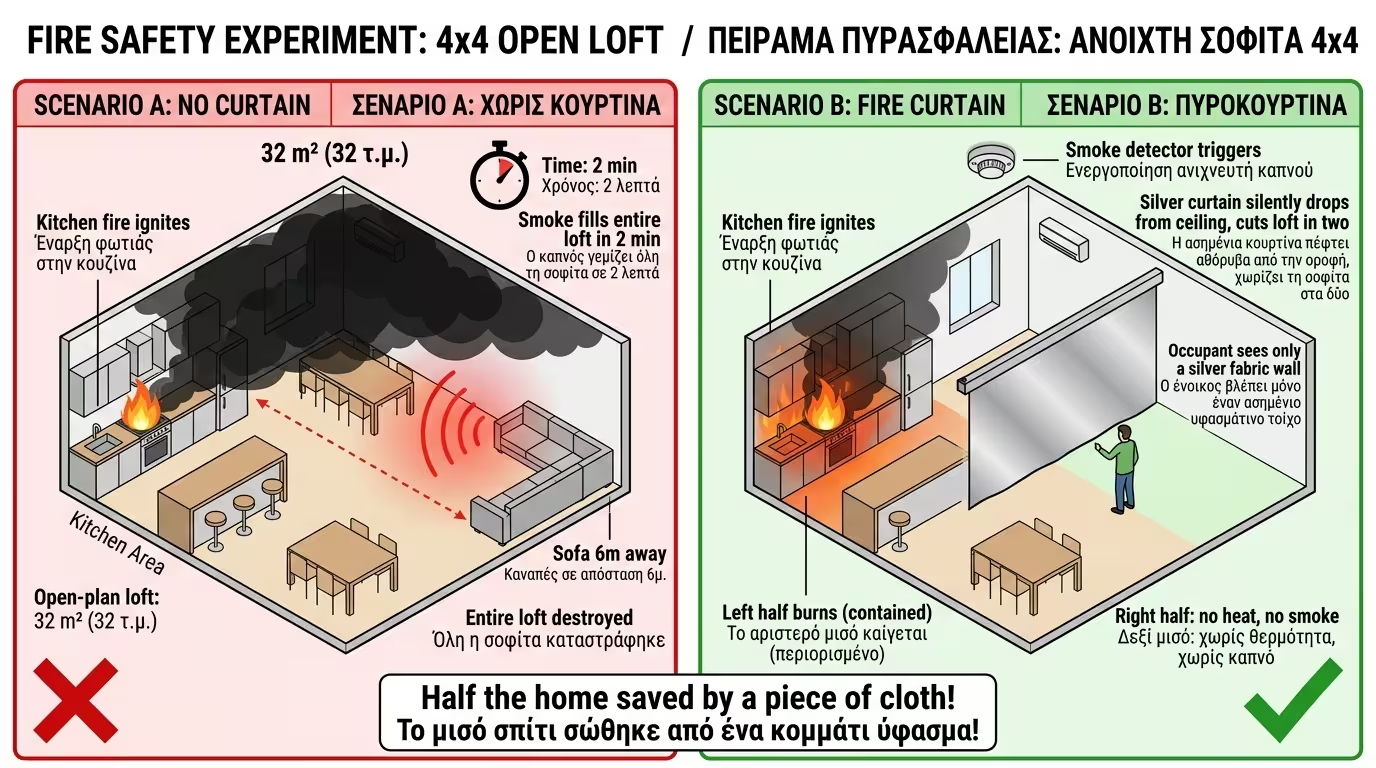
We've joined two 4×4 rooms into a massive 32 m² open loft with timber floors. In the exact centre of the ceiling we've concealed an automatic fire curtain. Fire breaks out on the left side (the kitchen).
We have no compartmentation. Kitchen fire rages. Smoke fills the entire loft in 2 minutes. Radiant heat travels unimpeded and ignites the sofa 6 metres away. The entire loft is destroyed.
The fire starts in the kitchen. The smoke detector triggers. Instantly, a silent "click" from the ceiling. A huge silver curtain descends and meets the floor, cutting the loft in two. The left side is consumed. We, on the right, see nothing but a silver fabric. No heat, no smoke. Half our home was saved by a piece of cloth!
Final Takeaway: Fire curtains are the "magic trick" of modern fire safety. They let you enjoy the stunning aesthetics of huge, open spaces while maintaining the absolute safety of a space cut into small, fire-resistant boxes.
Return to category.
Go to categoryReturn to the central guide.
Go to guide