Fire-Rated Glass
If the door has a vision panel (peephole), ordinary glass is not used (it would shatter within 1 minute from the heat). Special fire-rated crystal is used instead.
A fire door often looks outwardly like any other door. It may be metal, timber-veneered, or even have a glazed panel.
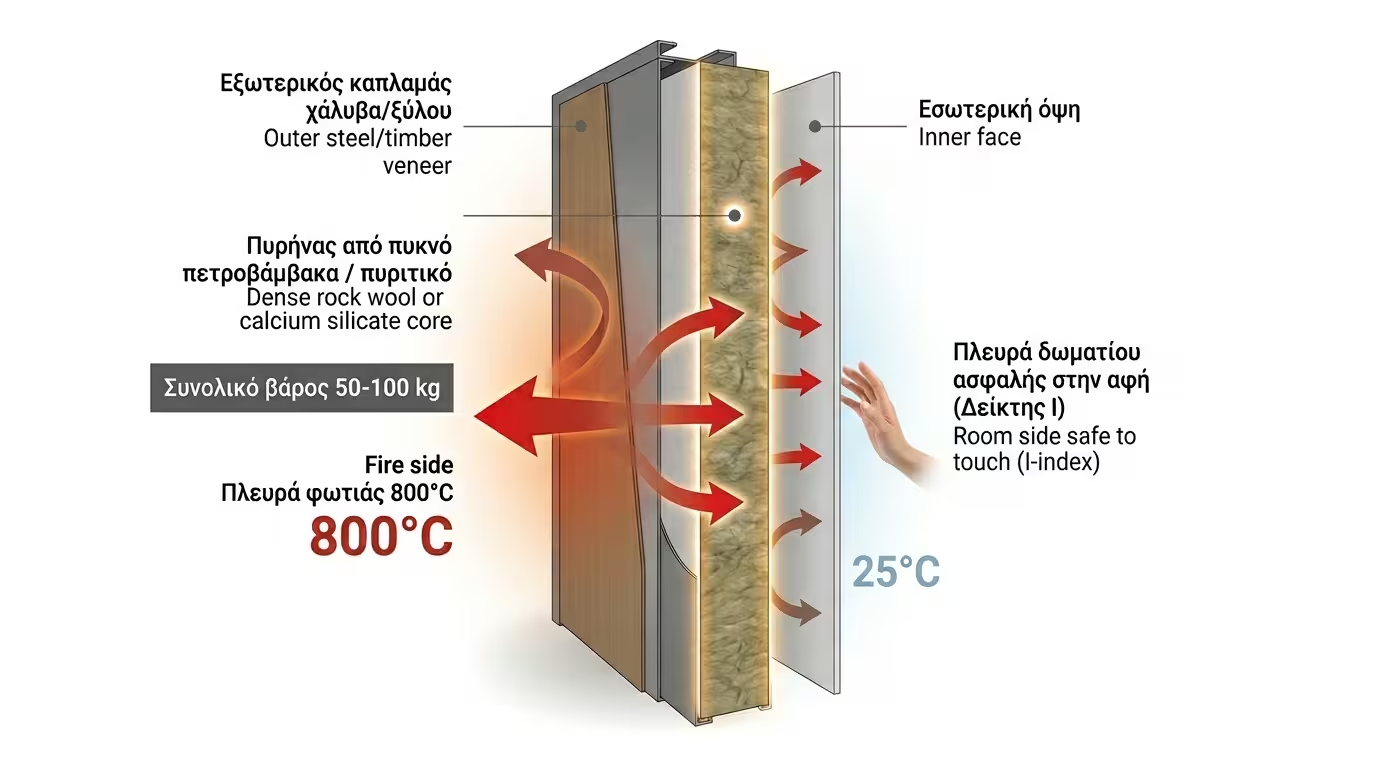
Yet its interior is a marvel of engineering and chemistry. To earn EI 30, EI 60 or EI 120 certification (meaning it holds back flames and heat for 30, 60 or 120 minutes respectively), it must carry 4 critical "weapons."
A normal interior household door is usually hollow (containing honeycomb cardboard). A fire door is completely solid and incredibly heavy (it can weigh between 50 and 100 kg). Its core is filled with high-density materials such as special hard rock wool or calcium silicate boards (Euroclass A1). These materials absorb the heat and guarantee that, while the outer face roasts at 800 °C, you can touch the inner face (the I index) without burning your hand.
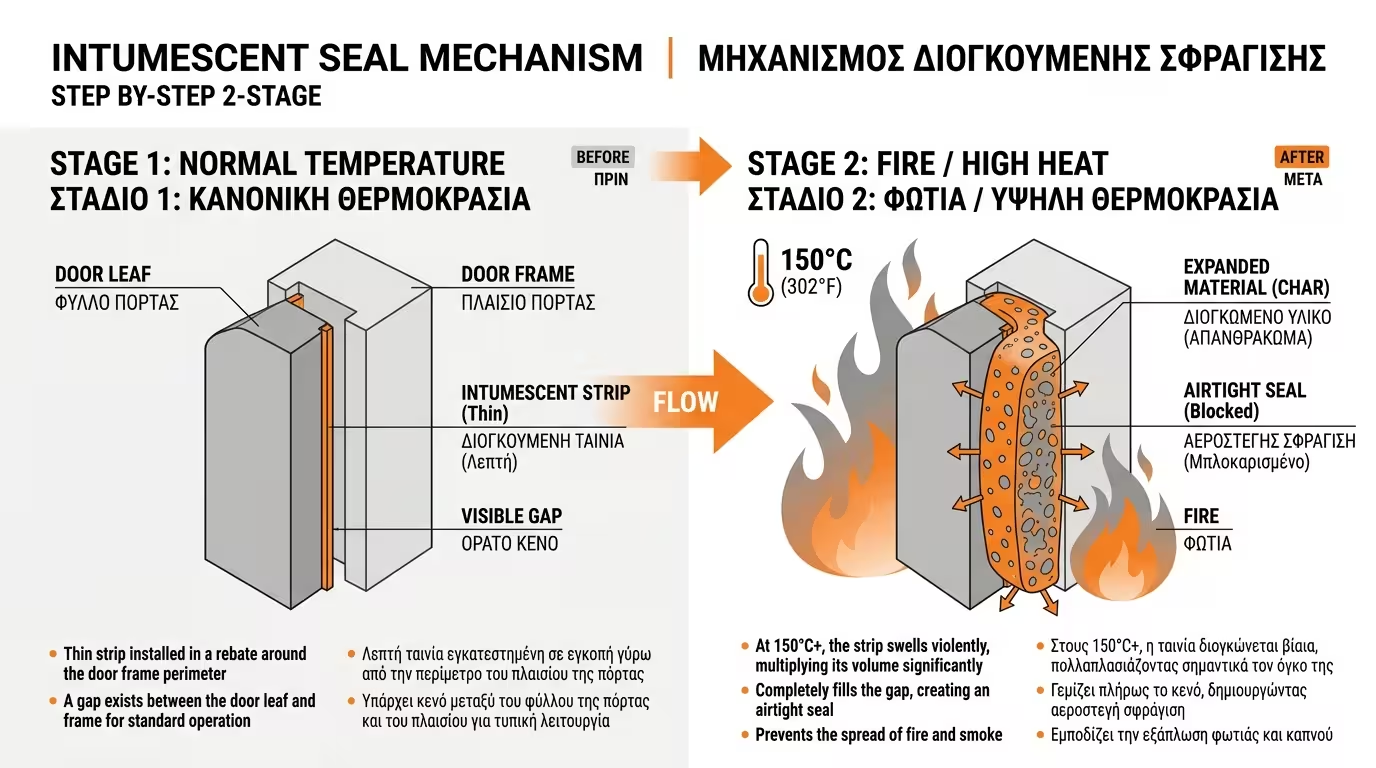
Even if the door leaf withstands the fire, a huge gap exists between the leaf and the frame. Flames and smoke can easily pass through this crack. Here the magic of chemistry steps in. Running around the perimeter of the frame (or leaf) is a thin, discreet strip. This is the Intumescent Seal.
When room temperature reaches approximately 150 °C, this strip swells violently, multiplying its volume! It fills the gap between door and frame completely, "locking" the door in place and creating a perfectly airtight seal that lets not a millimetre of flame through.
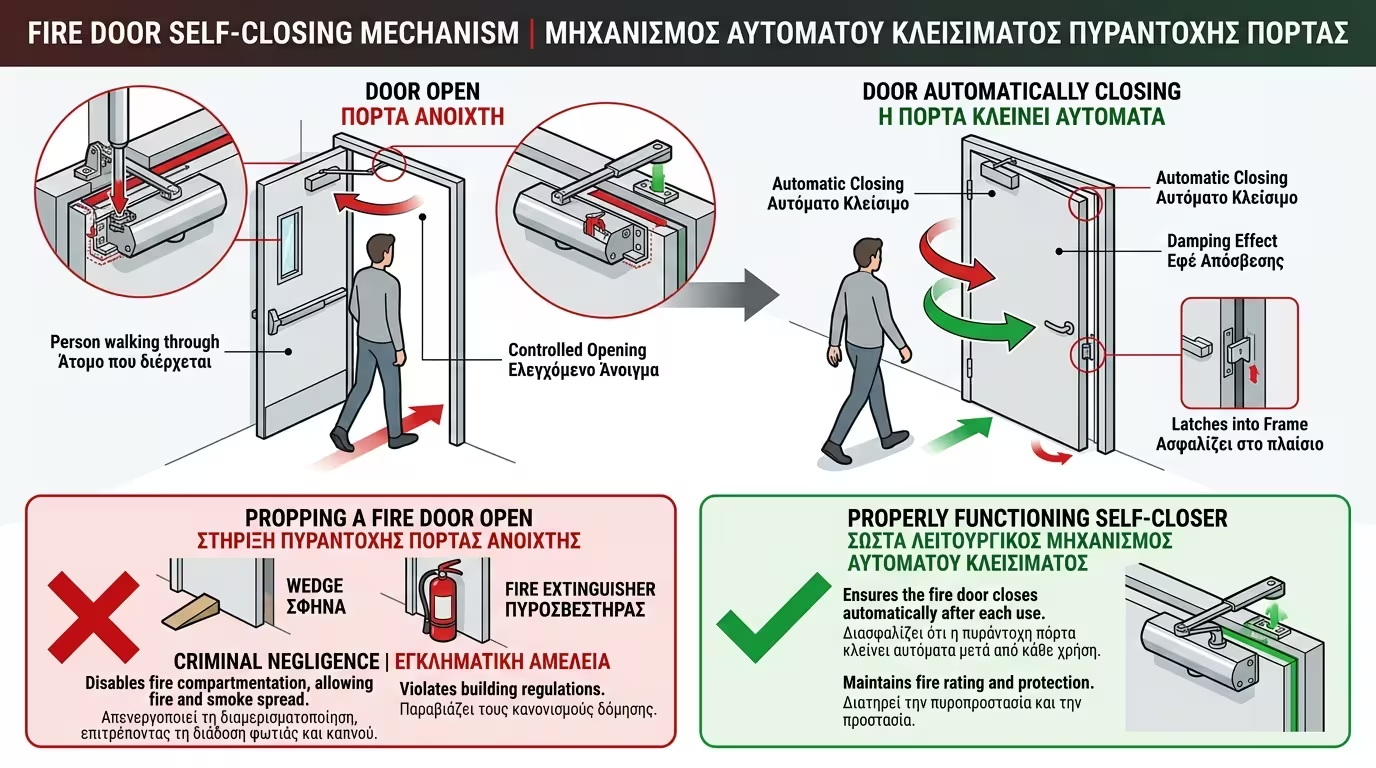
A fire door is completely useless if left open. In the panic of a fire nobody remembers to close the door behind them as they run for safety. This is why the law requires every fire door to have an automatic self-closing mechanism. The door must close and "latch" (the tongue of the lock must engage the frame) on its own. If you see a fire door in a hospital or hotel propped open with a wedge of wood or a fire extinguisher (for ventilation), this constitutes criminal negligence! If fire breaks out, the door will never close.
If the door has a vision panel (peephole), ordinary glass is not used (it would shatter within 1 minute from the heat). Special fire-rated crystal is used instead.
This glass consists of multiple layers with inter-layers of a special transparent gel. When fire strikes, the gel boils, turns opaque (white), swells and transforms into a non-combustible, thermally insulating shield!
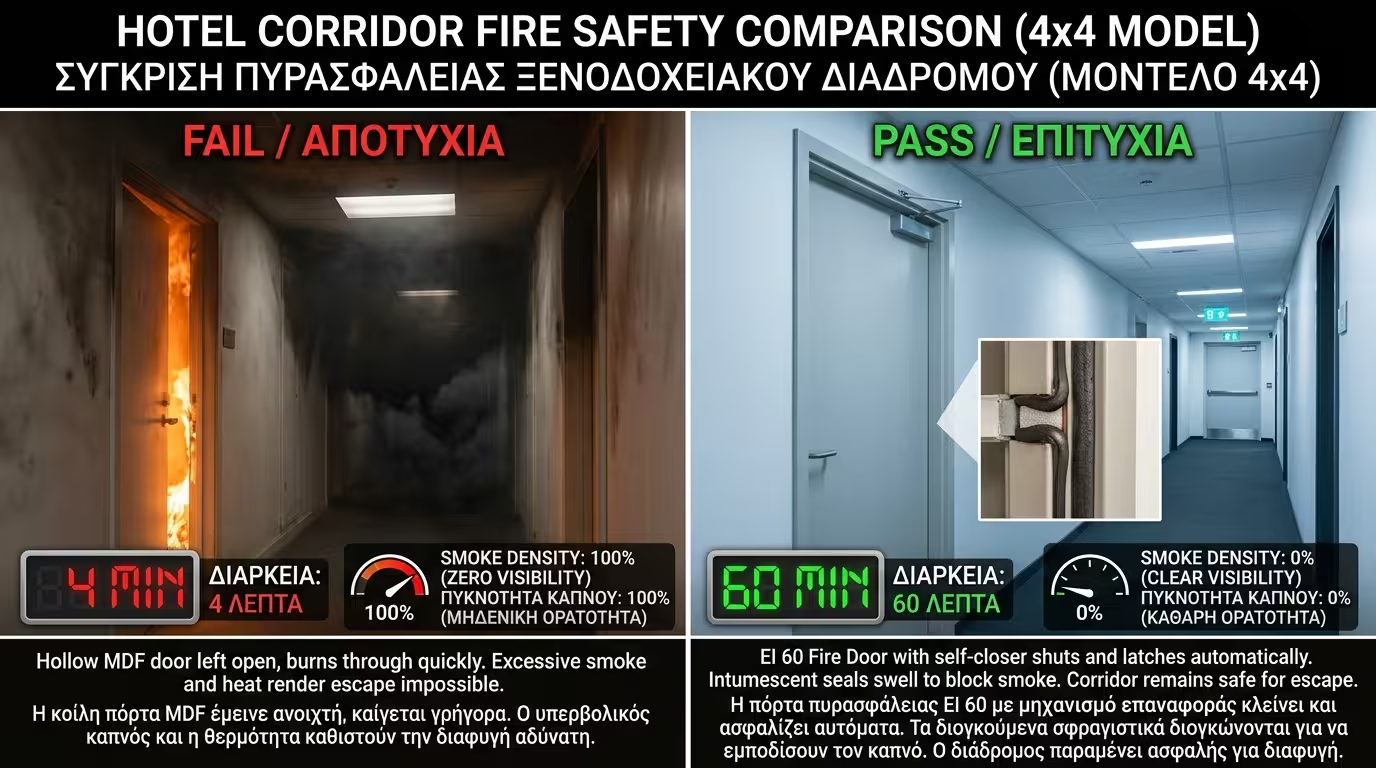
We're in the corridor of a hotel (the 4×4). Fire breaks out in the next room. We're trying to get out of the building.
The room has a simple, hollow MDF door with no self-closer. The occupant runs out and leaves it open. Fire pours straight into the corridor. Even if it had been closed, it would have burned through in 4 minutes. Smoke fills the corridor, visibility drops to zero and we collapse from toxic fumes before finding the stairwell.
The room has a fire door. The occupant runs out in panic. Behind him, the self-closer shuts the door silently and latches it. The intumescent seals swell and seal the cracks. The room becomes an inferno at 900 °C, but our corridor remains cool, well-lit and completely smoke-free. We have 60 full minutes to walk calmly to the emergency exit!
Final Takeaway: The fire door is the boundary between life and death in a building. It is not just a piece of wood or metal. It is a "living" system that reacts to heat. Make sure it closes on its own, never prop it open, and it will save your life when you need it.
Return to category.
Go to categoryReturn to the central guide.
Go to guide