⏱️ Extreme Resistance (Up to 240 min)
While paints struggle to exceed 90-120 min, thick vermiculite plaster can keep a skyscraper or tunnel standing for 4 hours in raging fire!
When fire-resistance demands reach the limits of engineering imagination (e.g. 120, 180 or even 240 minutes) over massive surfaces, paints reach their limits. The solution comes from Sprayed Fireproofing, which we often simply call "fire-rated plasters."
Visually, the result is anything but elegant. It resembles a thick, rough, greyish sponge stuck onto the steelwork. Yet this "ugly" coating is arguably the most effective and economical thermal shield mankind has invented.
A fire-rated plaster typically consists of a binding base (cement or gypsum) mixed with special inert aggregates. The most famous of these is Vermiculite (and Perlite).
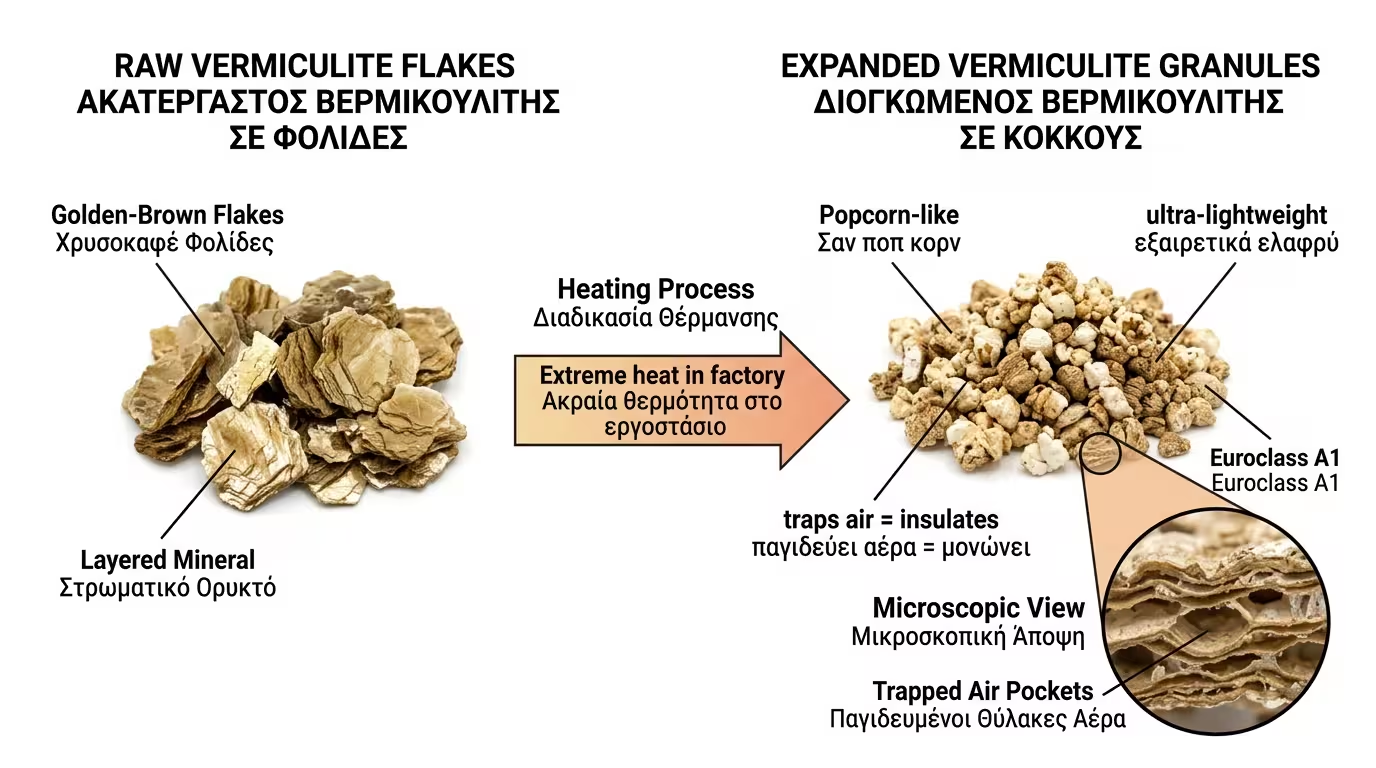
Vermiculite is a natural volcanic mineral. When heated to extreme temperatures in the factory, it undergoes a "popcorn" effect: it expands, opens in layers and traps enormous amounts of air inside. This makes it: completely non-combustible (Euroclass A1), ultra-lightweight (it doesn't add significant structural weight to the building), and the ultimate thermal insulator (the trapped air prevents heat from passing through).
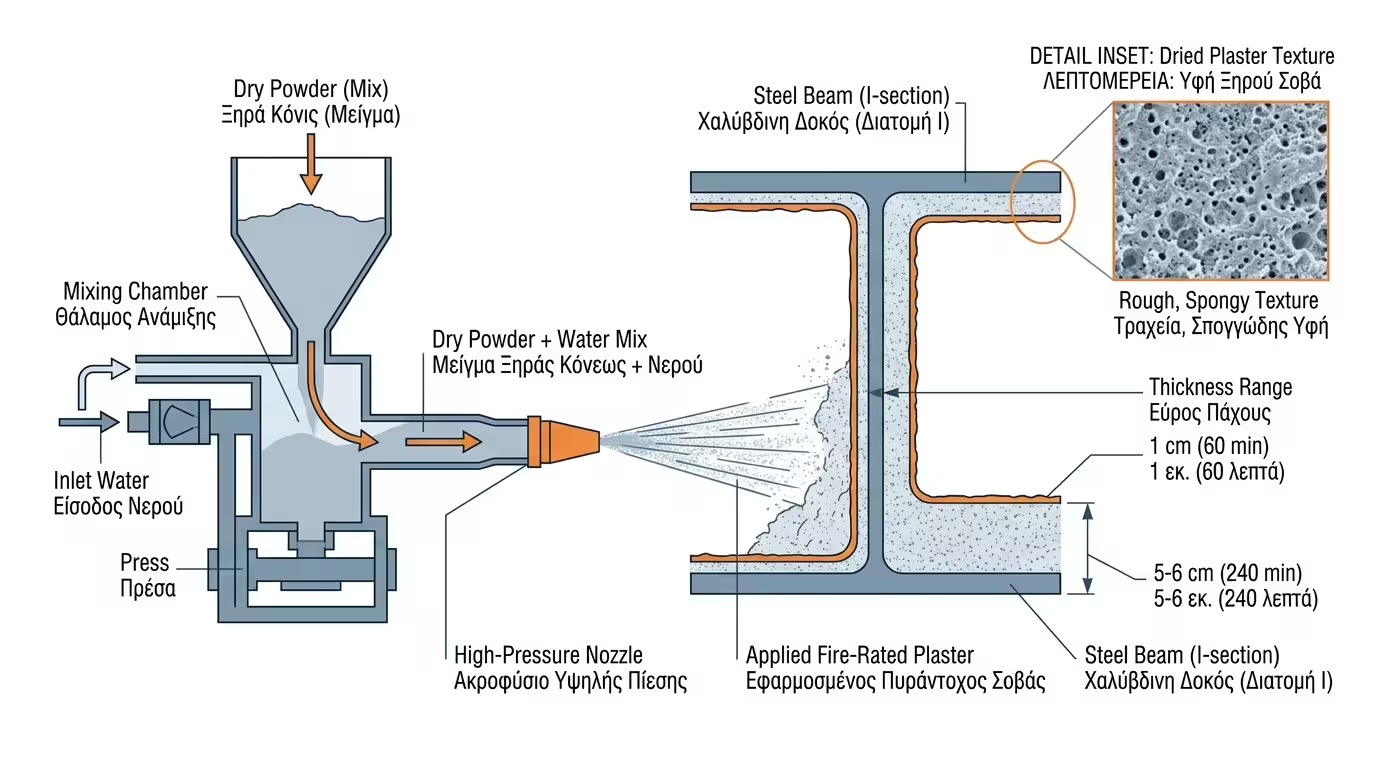
Unlike paints sprayed in millimetre thicknesses, fire-rated plaster is applied "thick." The technician uses a specialist pump (press) that mixes the dry powder with water and blasts it at enormous pressure onto steel (or concrete). The material adheres immediately to the surface it's sprayed on. Depending on the fire-resistance minutes required by the structural design, the plaster thickness can start from 1 cm and reach up to 5-6 cm in extreme cases!
Why would an engineer choose this rough material?
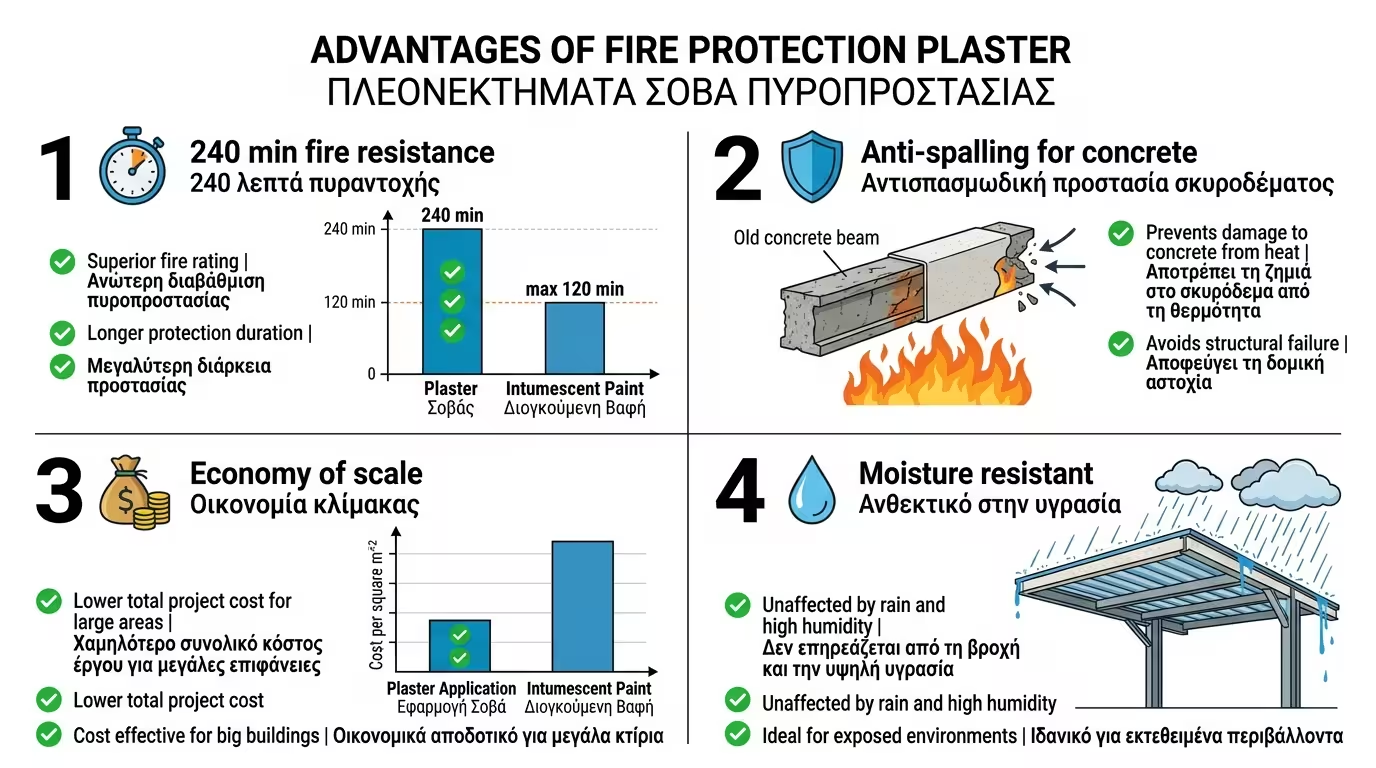
While paints struggle to exceed 90-120 min, thick vermiculite plaster can keep a skyscraper or tunnel standing for 4 hours in raging fire!
Old concrete "explodes" in fire, exposing the rebar. If we spray an old basement garage with fire-rated plaster, we create a new artificial cover that saves the building from collapse.
For massive industrial buildings (thousands of m²), the cost per m² is a fraction of the price of intumescent coatings.
Cementitious fire-rated coatings are unaffected by humidity or rain, making them ideal for outdoor steel canopies and refineries.
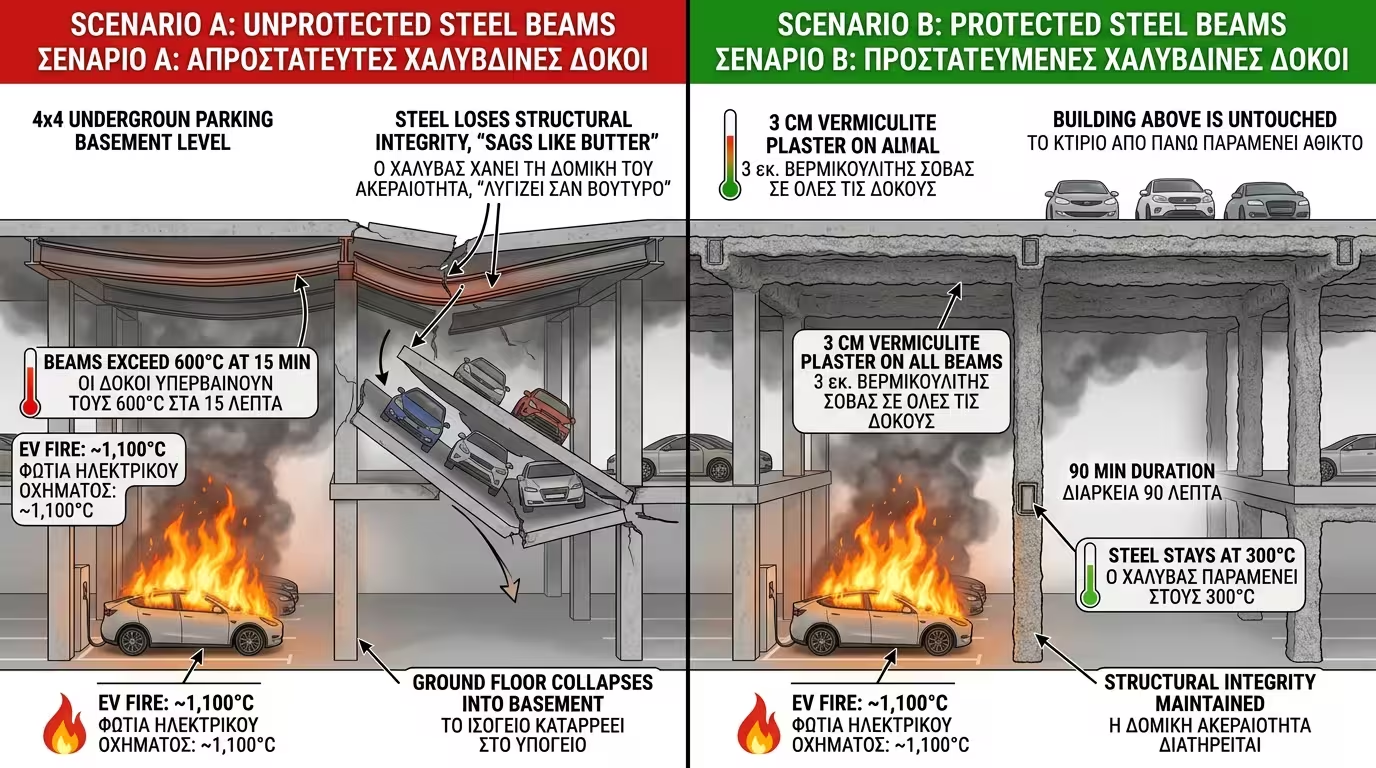
Our building has a large underground car park with exposed steel roof beams. The law demands R 120 (2 hours of fire resistance), because if the beams buckle, the entire apartment block above them will collapse into the basement. An electric vehicle catches fire in the underground car park. Temperature soars to 1,100°C.
The contractor applied nothing to save money. Within 15 minutes of the electric vehicle fire, the bare steel roof beams exceed 600°C. They begin to sag like butter under their own weight. The ground floor of the apartment block subsides into the basement. The entire building is structurally condemned.
The contractor had sprayed every single beam with 3 cm of fire-rated vermiculite plaster. The parking looked like a "cave" with rough, unattractive ceilings, but no one cared about aesthetics in a basement. The electric vehicle burns violently for a full 90 minutes. Flames "lick" the beam surface relentlessly, but the trapped air in the vermiculite layer blocks the heat from reaching the steel core. After 90 minutes the steel is still at just 300°C. The car turns to ash, but the apartment block above didn't budge a single millimetre!
Final Takeaway: When the lights go off, the false ceiling closes, or we enter a building's bowels, aesthetics go out the window. Fire-rated plasters are the silent, "ugly" workers that bear the heaviest thermal loads in construction, delivering absolute safety at bargain prices.
Return to category.
Go to categoryReturn to the central guide.
Go to guide