
Passive vs. Active Fire Protection
The distinction between suppression systems and structural shielding. Why the building's architecture is the first defence.
Read more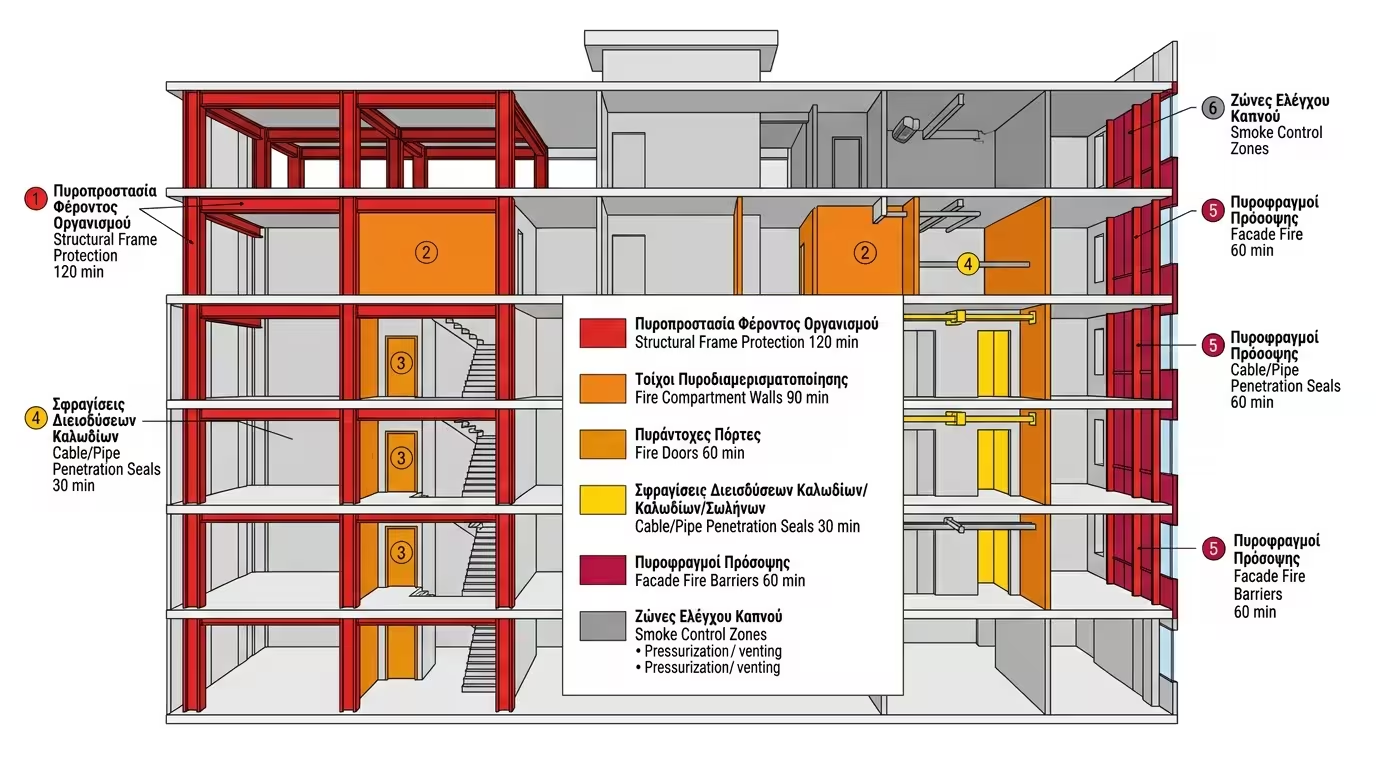
Protecting human life and property from fire is the most critical aspect of building construction. This is not just another "insulation" - it is a strict legal and technical framework that admits no shortcuts.
In this section we decode the regulations, analyse passive fire protection strategies and present the advanced materials that prevent the spread of flames and smoke. Whether you are a homeowner or an engineer, here you will find the definitive guide to structural safety and full legal compliance.
The foundation of safety is knowledge of legislation and correct terminology. Learn how materials are assessed, what fire resistance indices mean and the minimum requirements for each building type.
The distinction between suppression systems and structural shielding. Why the building's architecture is the first defence.
Read moreHow the letters R, E and I determine whether a wall or door can withstand flames without collapse.
Read more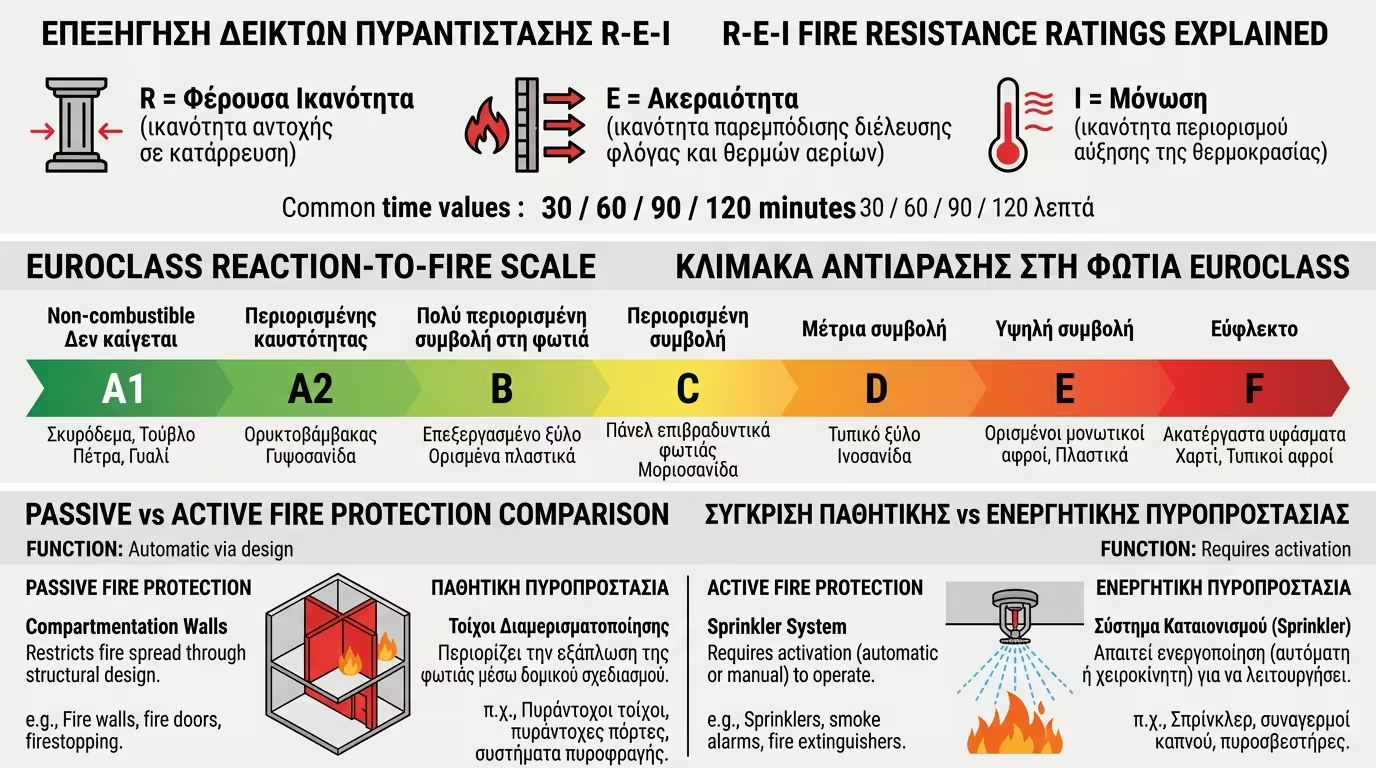
The critical escape window. How engineers calculate the minutes required for safe evacuation.
Read moreLearn to read the markings. What reaction-to-fire categories mean and the flammability of each product.
Read moreThe essential legal guide. How requirements differ based on use, occupancy and building size.
Read moreWhen fire breaks out the building frame must stand to save lives. We examine how concrete and steel are protected and how specialised elements buy precious time.
How moisture loss, concrete spalling and rebar overheating lead to collapse.
Read moreSteel loses strength at 500 °C. How intumescent coatings create a life-saving thermal shield.
Read more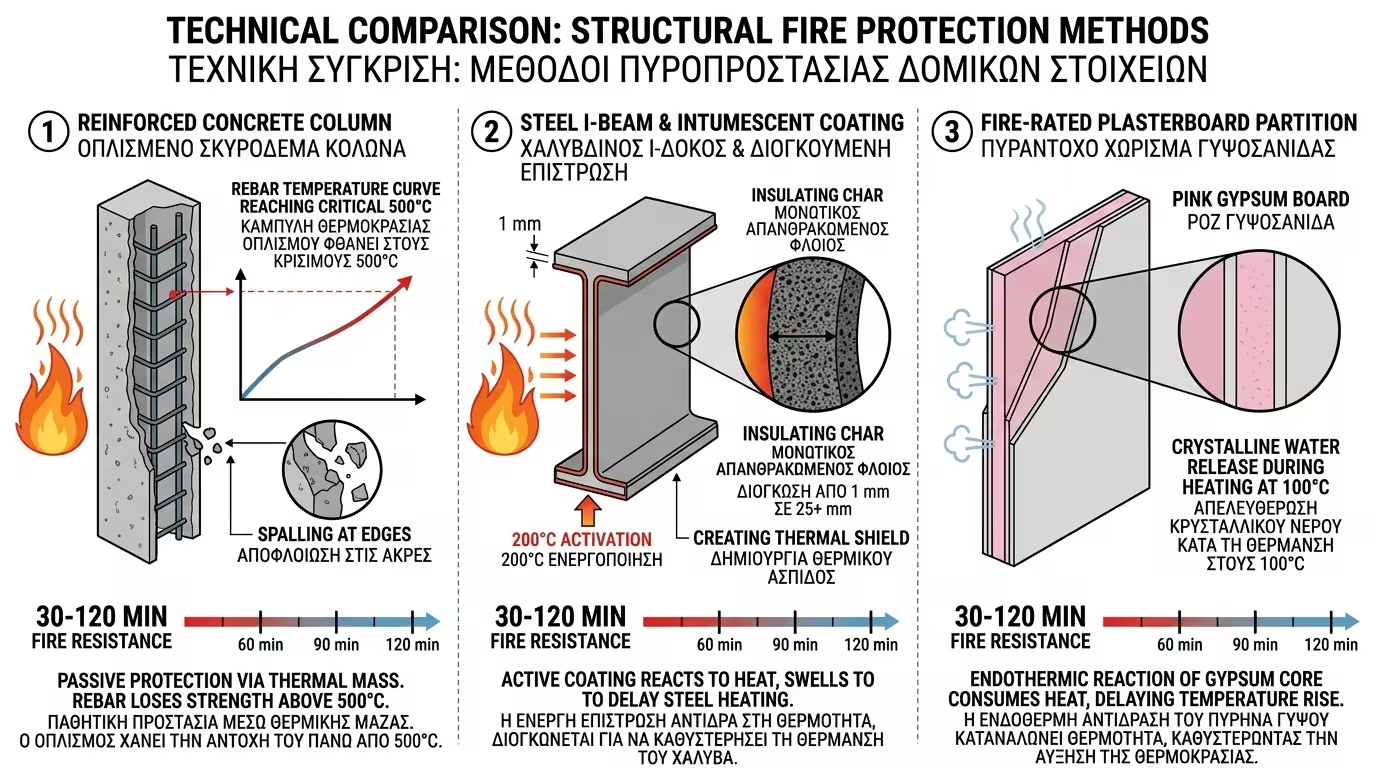
The technology behind the "pink" board. How it releases crystalline water during combustion, delaying fire spread.
Read moreProtecting concealed cable routes and the structural frame in the ceiling with specialist boards and rock wool.
Read moreAnatomy of a fire door. Intumescent strips, self-closing mechanisms and 60-minute endurance.
Read moreThermal insulation can become perfect kindling if not chosen correctly. We show how to combine top energy savings with absolute fire safety.
Which insulation materials are totally non-combustible and which act as fire accelerants. Mineral vs. petrochemical.
Read moreA direct, hard comparison. How common polystyrene reacts versus rock fibre when exposed to open flame.
Read more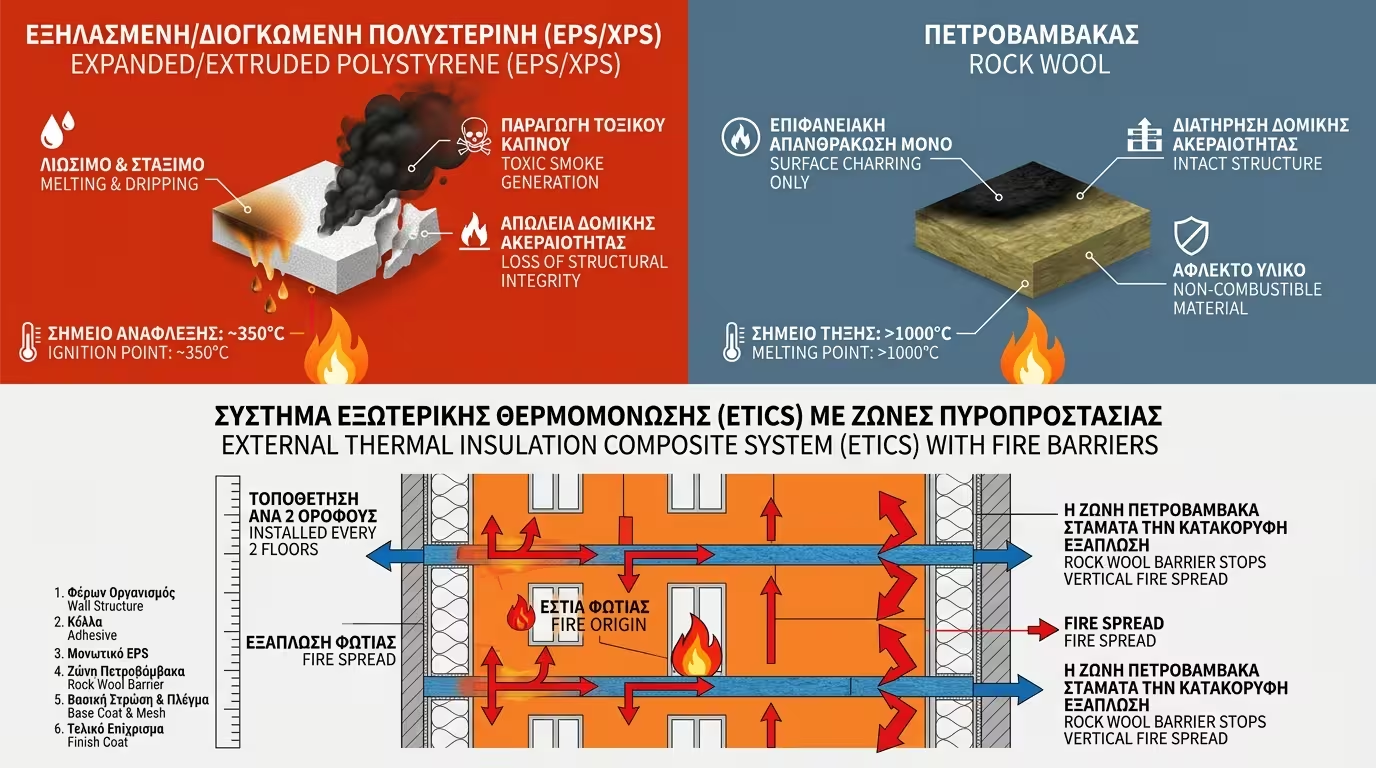
Analysing modern foams. How long they resist fire and how they char to protect their core instead of melting.
Read moreThe risk of vertical spread. How we ensure fire won't race from the first to the fifth floor via the facade.
Read moreWhy horizontal rock wool strips between polystyrene boards are mandatory - the "firebreaks" that stop the blaze.
Read moreA building's most important survival strategy is to imprison fire in the room where it started. Learn how we seal gaps in walls and floors to stop flames spreading.
How the building is divided into independent fire-rated "boxes" that prevent fire from extending.
Read morePlumbing holes become "express lanes" for fire. Fire collars on PVC pipes that melt and seal.
Read more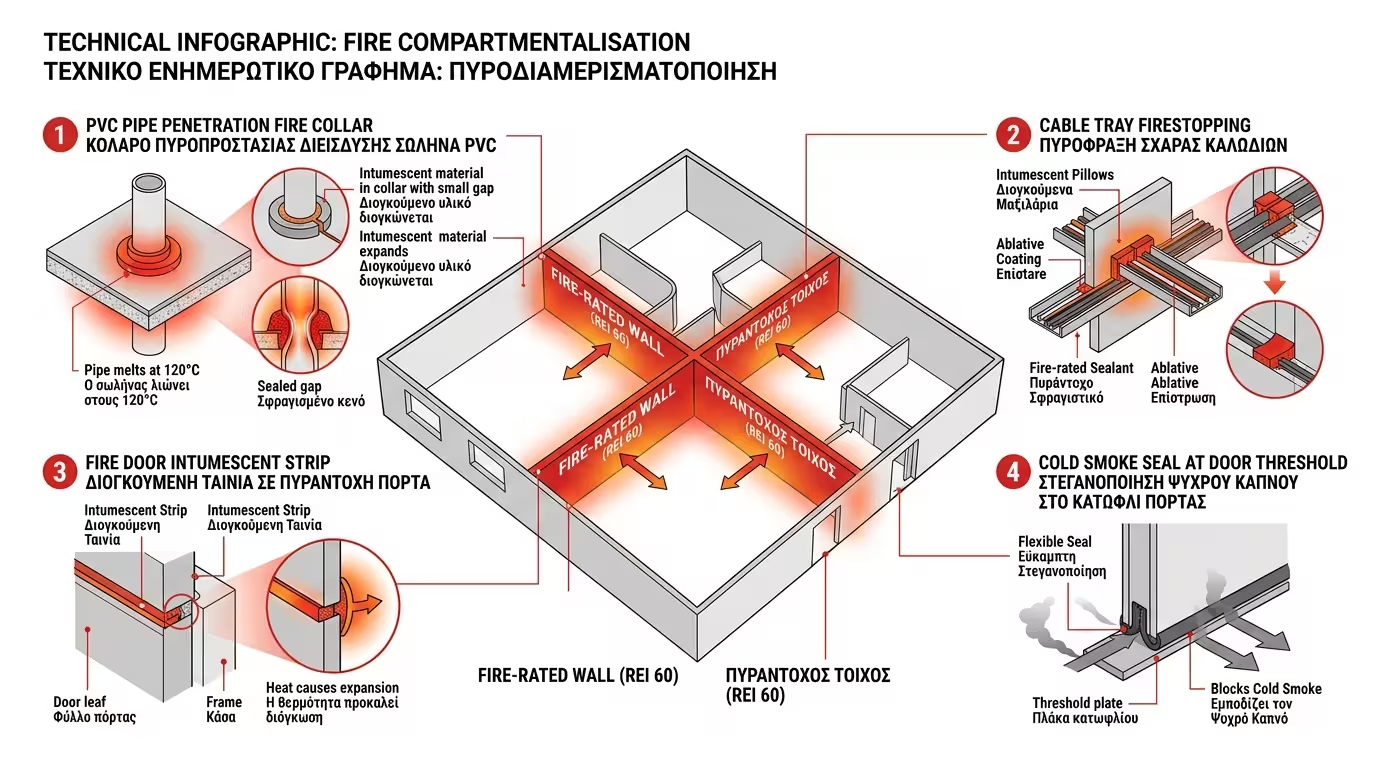
Cables carry fire between rooms at speed. How we seal with pillows, coatings and intumescent foams.
Read moreMaterials that swell when heated, hermetically closing every gap created by fire.
Read moreThe invisible, toxic threat. How we seal doors, ducts and movement joints (cold smoke seals).
Read moreThe definitive guide to materials designed exclusively to stop fire. From intumescent coatings and renders to industrial panels and smart curtains.
A thin paint that transforms into a thick thermal insulating shield of several centimetres once heated.
Read moreThe classic solution: spray-applied, lightweight vermiculite render that withstands extreme temperatures.
Read more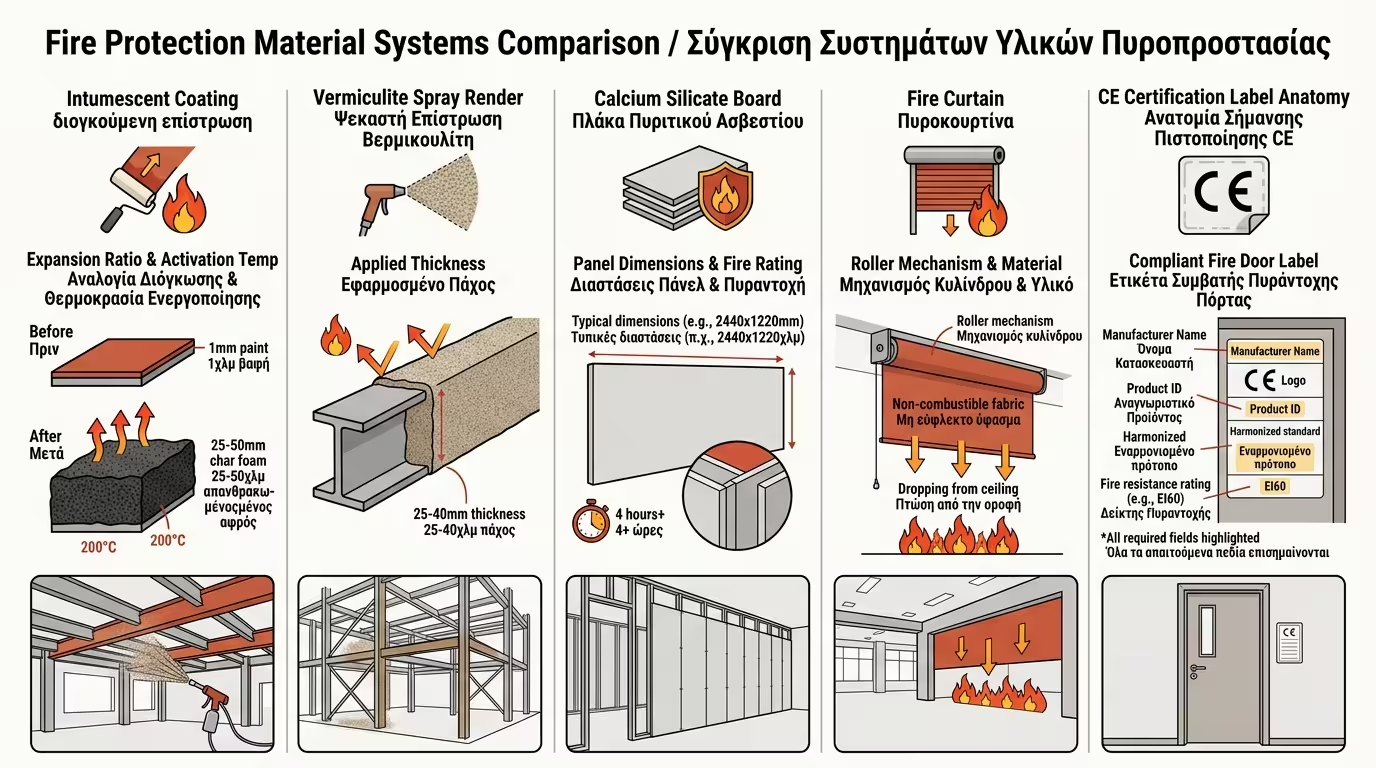
The heavy artillery: boards for extreme conditions such as car parks and factories.
Read moreConcealed rolls of non-combustible fabric that drop automatically when the alarm sounds, dividing the space.
Read moreLearn to identify genuine materials. How to read a door label and why lab test certificates are everything.
Read moreInstalling excellent materials is useless without proper studies, paperwork and inspections. See how to be legally covered.
When it is legally required and what the engineer examines. Submission to the fire safety office.
Read moreHow to obtain (and maintain) the "green light" for your business to operate, and renewal schedules.
Read more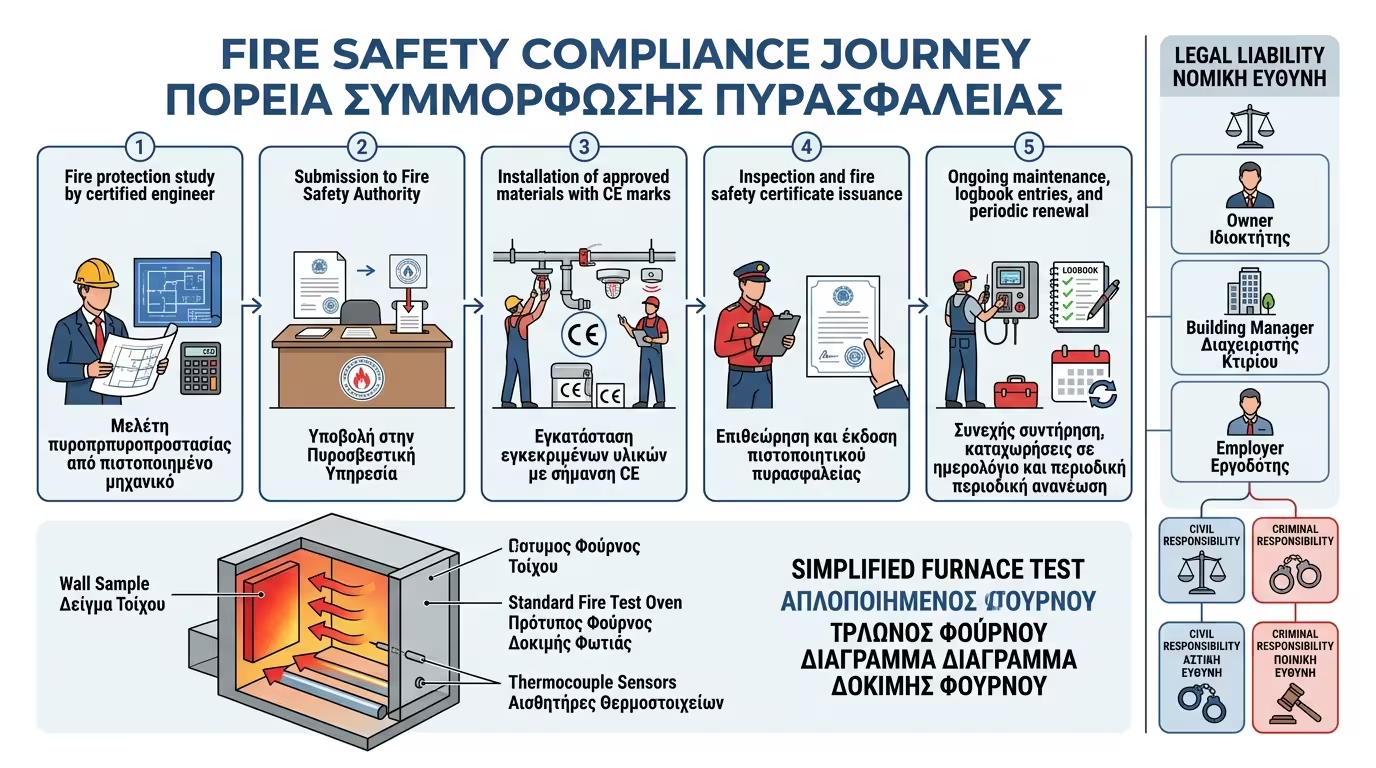
What materials go through before reaching the market. Furnace testing, thermocouples and structural failure measurement.
Read moreWho bears civil and criminal liability if the fire protection system fails at the critical moment.
Read moreInstallation is only the beginning. How to maintain an official record of checks for legal proof of diligence.
Read moreReturn to the full insulation guide.
Back to the guideIf you are planning fire protection or need a study - get in touch.
Contact us