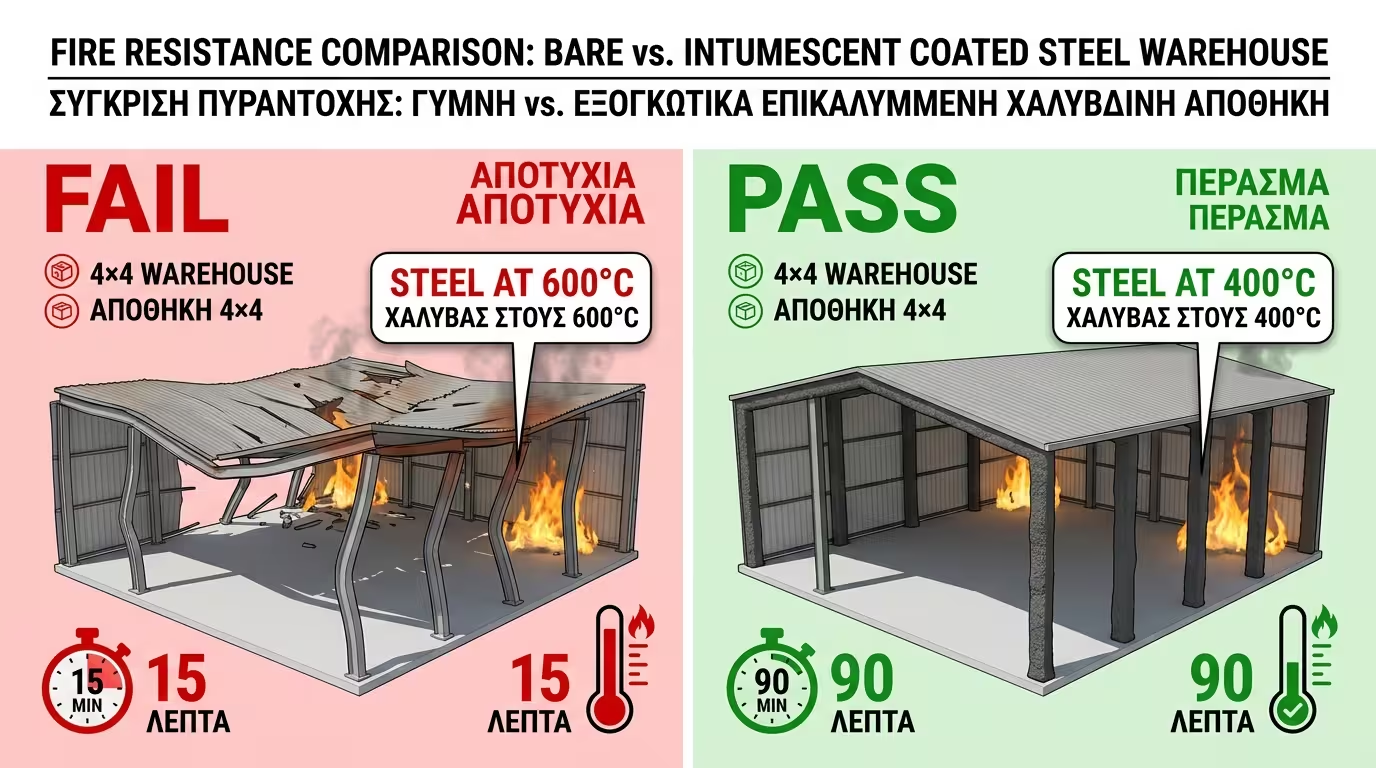
400 °C
Steel starts losing its strength.
A structural-steel building is an engineering marvel. It goes up fast, withstands enormous earthquakes and allows impressive, vast spans without intermediate columns.
However, when fire breaks out, bare steel becomes the weakest link. Unlike timber (which chars slowly on the surface) or concrete (which insulates), metal "soaks up" heat like a sponge.
Leave a bare steel beam inside a burning warehouse and its temperature will rise dramatically.
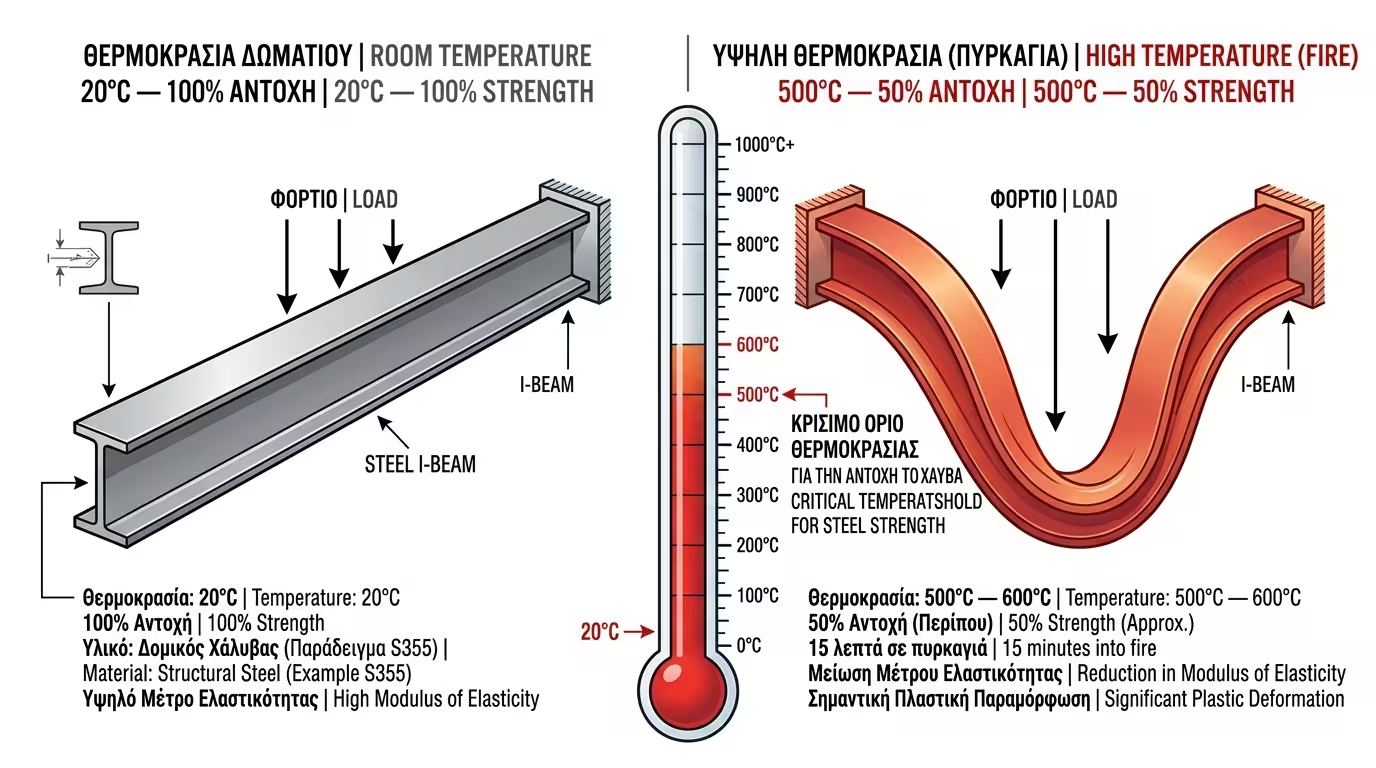
Steel starts losing its strength.
It loses 50% of its load-bearing capacity.
Within 10 to 15 minutes of an intense fire, the massive steel beam that was carrying tonnes of weight buckles like boiled spaghetti. The roof collapses without any warning.
For a steel building to achieve a fire resistance rating (e.g. R 60 or R 90), the steel must be "dressed" to delay its temperature from reaching 500 °C.
This is arguably the most impressive technology in fire protection. Intumescent paints look like ordinary, thick coatings. The painter applies them onto metal columns (just 1 to 3 millimetres thick), and the final decorative coat goes on top. The metal looks bare and elegant.
Yet this thin coating is "alive."
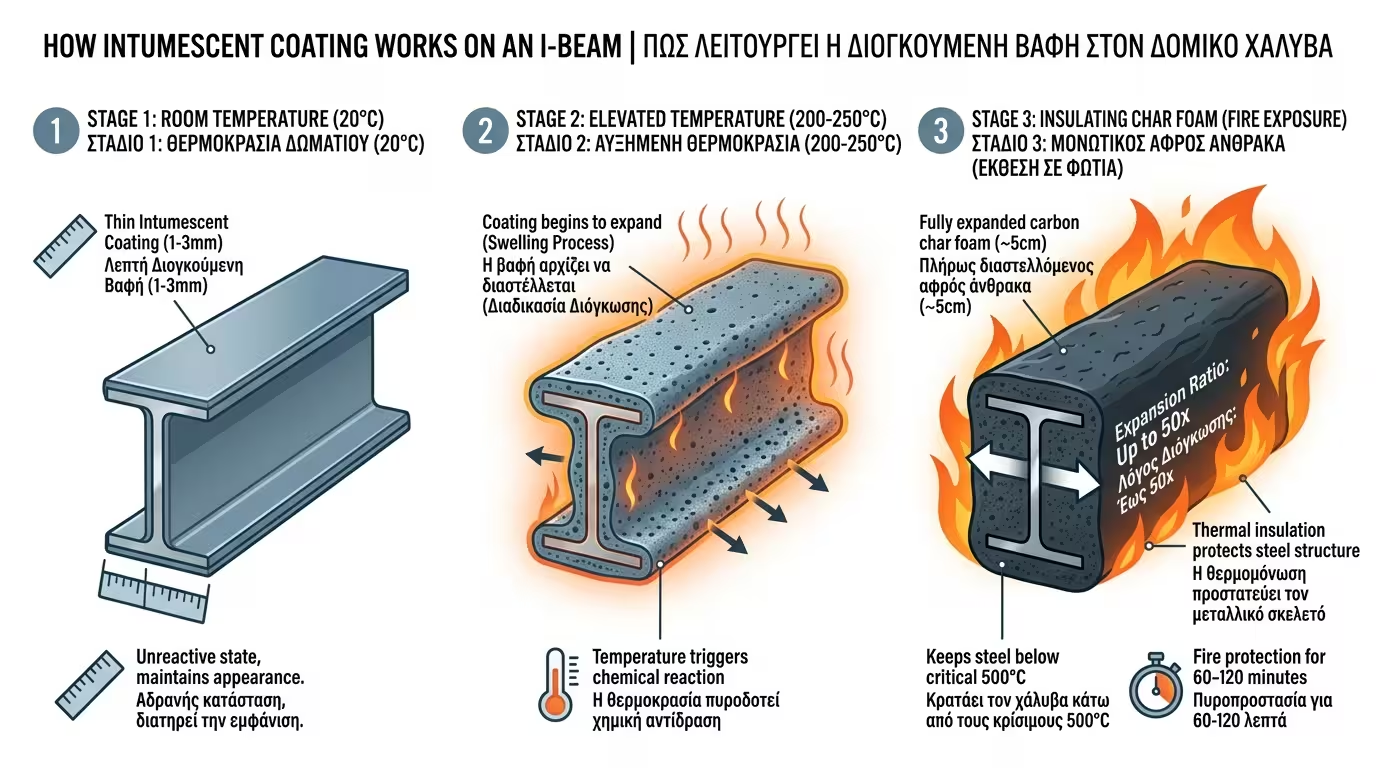
When room temperature reaches 200 °C – 250 °C, the paint "wakes up." A rapid thermo-chemical reaction occurs.
The paint begins to swell, expanding up to 50 times its original thickness! The thin 1 mm layer instantly becomes a thick, black, foamy carbon char (like a burnt meringue) 5 centimetres thick.
This "carbon foam" is one of the best thermal insulators in nature. It traps the fire outside and keeps the steel inside cool (below 500 °C) for 60, 90 or even 120 minutes!
Intumescent paints are expensive. When a steel column is in an underground car park or will be hidden behind walls, engineers opt for cheaper, "rougher" solutions:
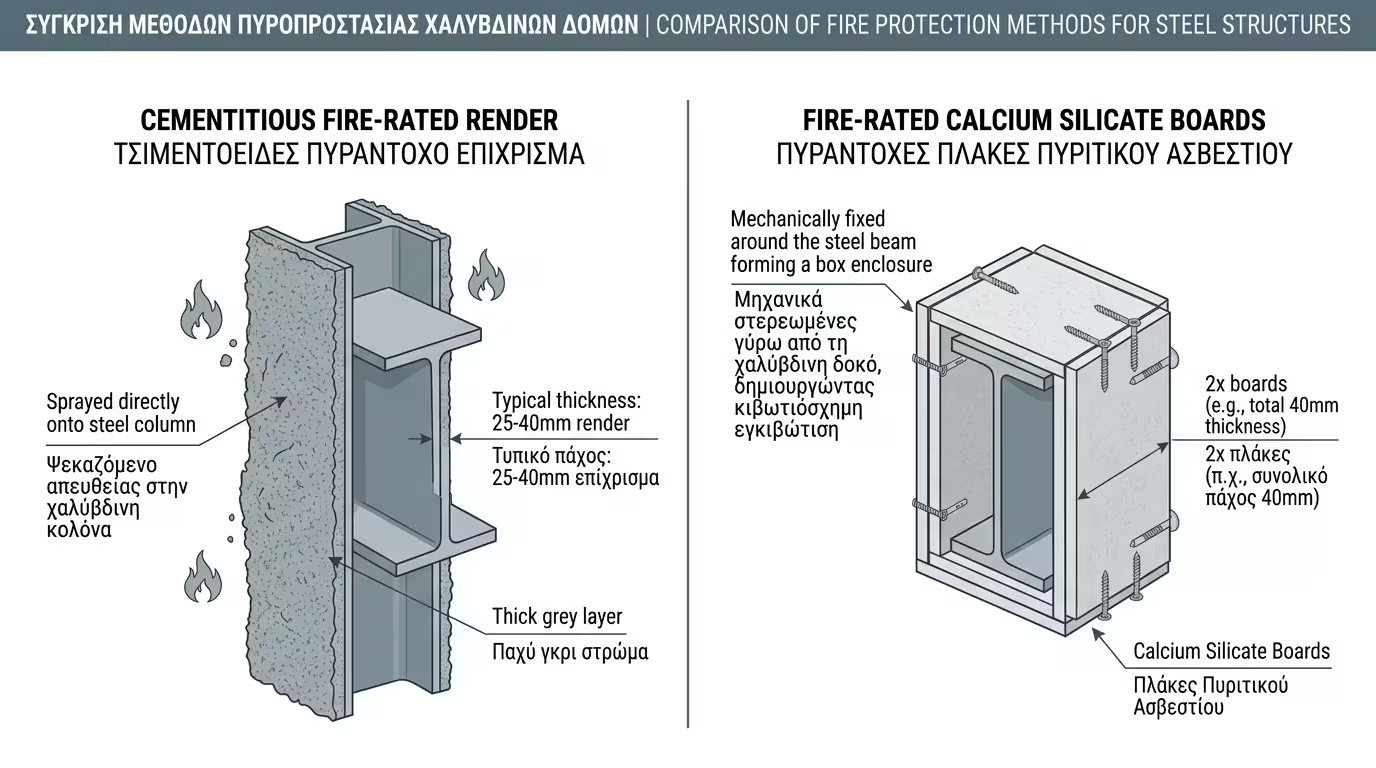
The metal is sprayed with a thick layer of cementitious material mixed with vermiculite. It looks like rough, grey sponge. It is cheap, extremely durable, but visually unattractive.
The steel column is "boxed in" (wrapped all around) with special fire-rated plasterboard or calcium silicate panels. The column then looks like a normal, rectangular white wall and the metal is fully protected.
We've built a modern mezzanine in our room, supported by a central, exposed steel column. Fire breaks out on the ground floor.
We painted the column with ordinary black oil paint for aesthetics. Fire engulfs the column. In 12 minutes, the metal reaches 550 °C. It softens. The mezzanine's weight buckles the column in the middle and the mezzanine collapses, destroying everything.
We had applied 2 coats of intumescent paint before the decorative finish. Fire "licks" the column. At 200 °C, the paint "pops" and swells, wrapping the metal in a black foam 5 cm thick. Fire rages at 900 °C, but the metal core stays at 350 °C. At 60 minutes, the Fire Brigade extinguishes the fire. The mezzanine stands unshaken. We scrape off the charred foam, and the metal beneath is completely intact!
Final Takeaway: If you live or work in a steel-framed building, the keyword is "protection." Bare steel is unbeatable against earthquakes but surrenders instantly to fire. Whether with "smart" paints or encasement, steel must always wear its armour.
Return to category.
Go to categoryReturn to the central guide.
Go to guide