🛡️ Vapour Barrier
The heavy-duty polyethylene sheet under the floor slab doesn't just block moisture. It's the number one barrier preventing soil gases from entering the house.
Radon is a naturally occurring radioactive gas. It's continuously produced in soil and rock from the decay of uranium. Being a gas, it travels through soil pores, rises to the surface and dissipates harmlessly in the open air.
But what happens when your house sits on top of that soil? Radon gets trapped beneath the foundations, finds cracks in the concrete and seeps into the basement. The WHO ranks radon as the second most frequent cause of lung cancer after smoking!
The good news: we don't need to reinvent the wheel. The very same materials that keep water out also do an excellent job keeping radon in the ground.
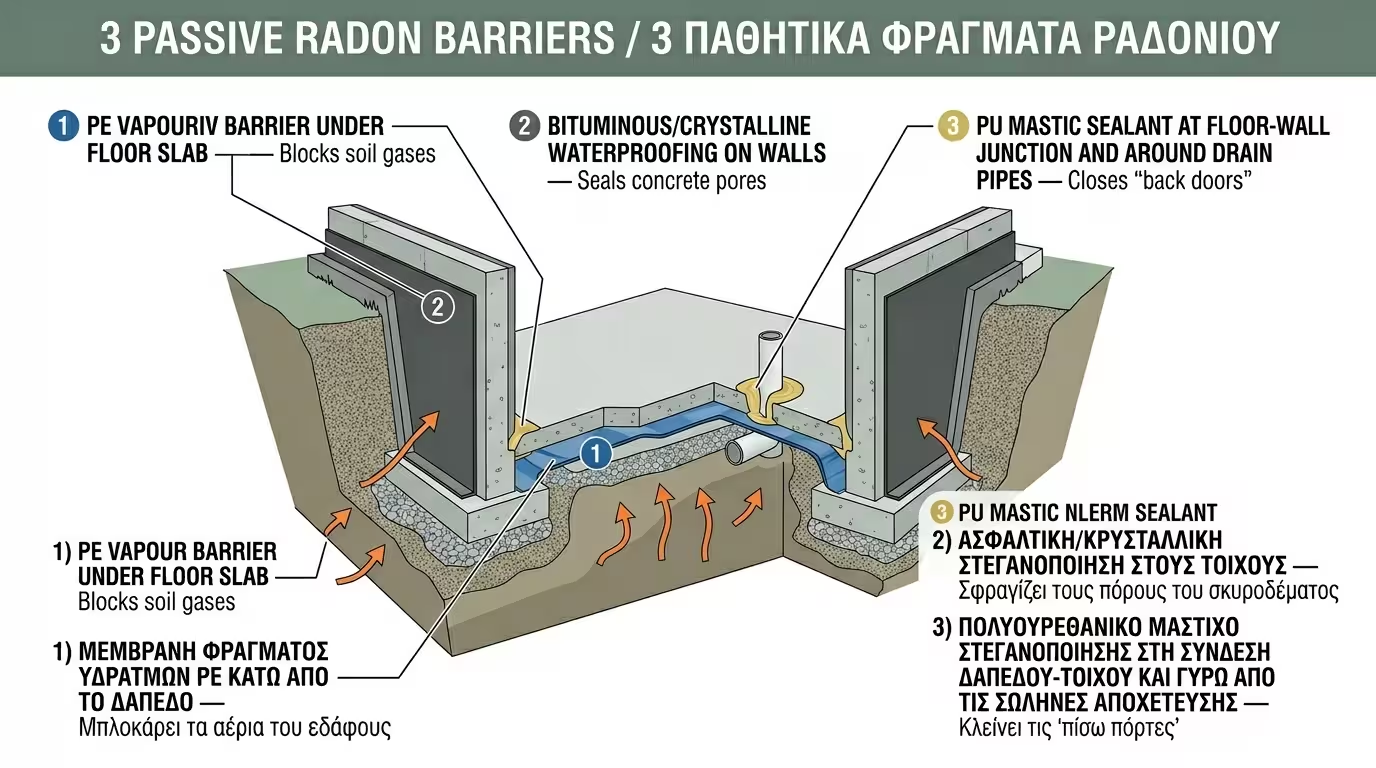
The heavy-duty polyethylene sheet under the floor slab doesn't just block moisture. It's the number one barrier preventing soil gases from entering the house.
Bituminous coatings and crystalline-action products seal the concrete pores. Where water can't pass, gas struggles immensely too.
Special polyurethane mastics are applied at the floor-wall junction and around drain pipes, closing radon's favourite "back doors".
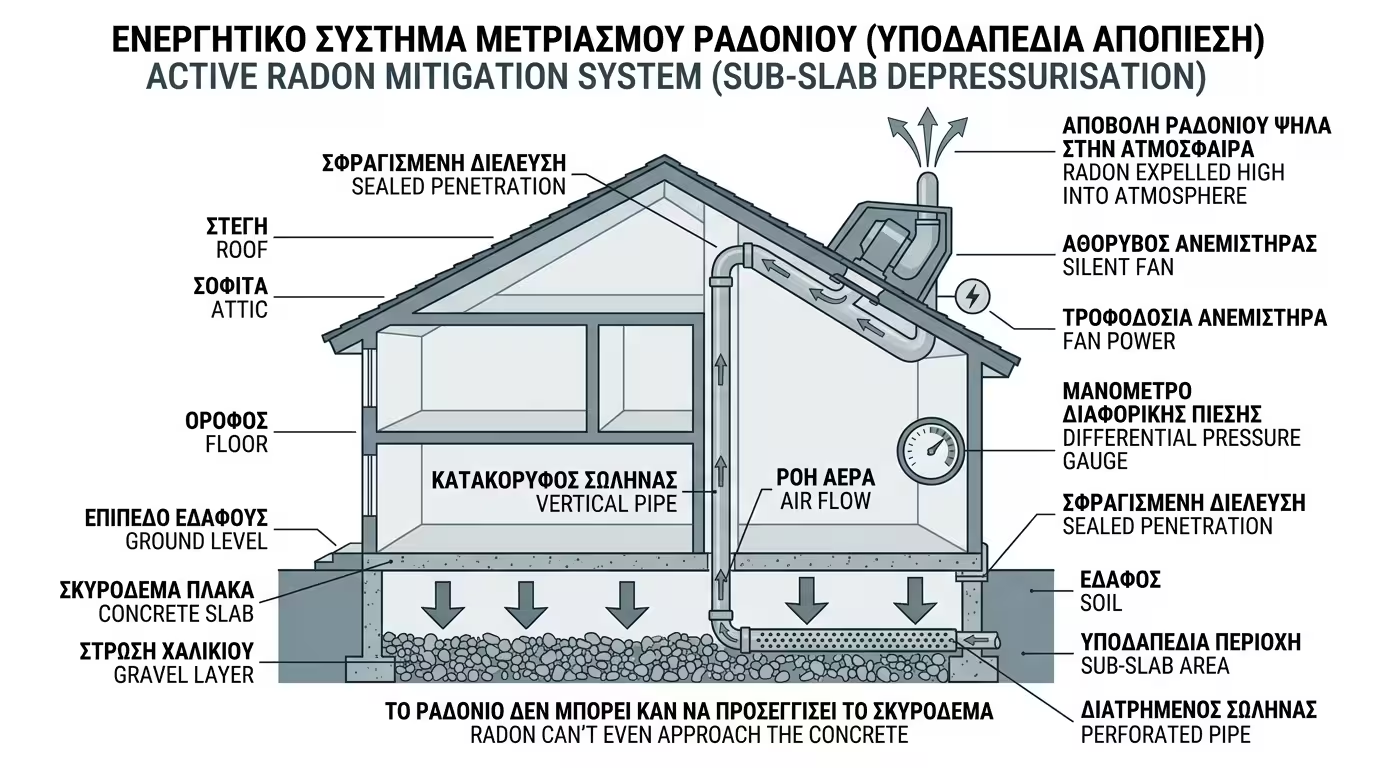
In areas with exceptionally high concentrations, passive sealing may not be enough. Under the floor slab, inside the gravel layer, a perforated pipe is installed. This pipe is connected to a small, silent fan on the roof.
The fan continuously extracts air from under the house and expels it high into the atmosphere. This creates negative pressure below the floor, so radon can't even approach the concrete!
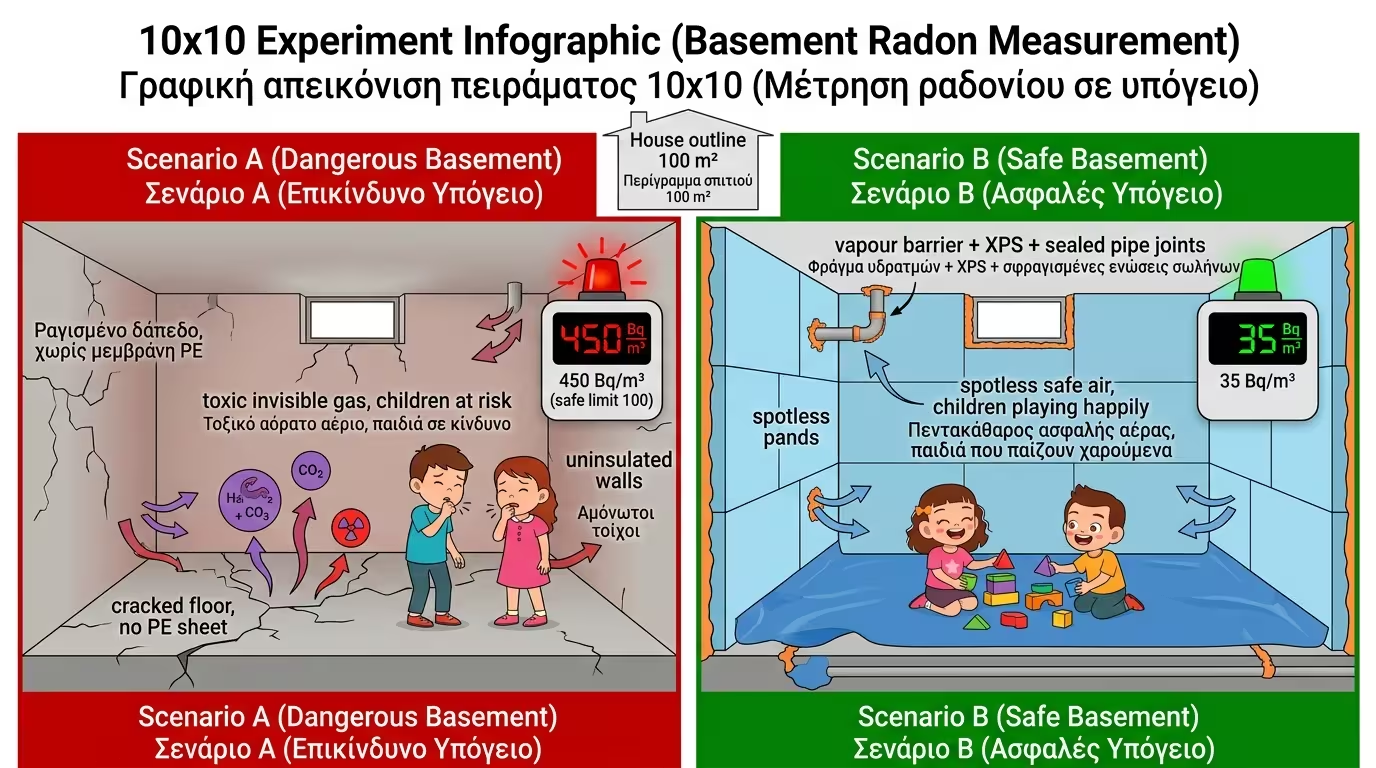
We measure radon in the basement air (safe limit: ≈100 Bq/m³).
The floor has cracks, no PE sheet beneath, walls are uninsulated. The detector flashes red: 450 Bq/m³ . The air is literally toxic, though we can't smell a thing. The space is unfit for children to sleep or play.
Vapour barrier, XPS, meticulously sealed pipe joints. We measure again: 35 Bq/m³. The gases are blocked and stay in the soil. The playroom air is spotless and completely safe.
The Final Conclusion: Basement insulation and waterproofing isn't just about "energy upgrades" or protecting paint from peeling. It's about protecting your very life. A properly sealed basement ensures your home breathes clean air, not the radioactive fumes of the subsoil!
Return to category.
Go to categoryReturn to the central guide.
Go to guide