❌ Uninsulated Home
Rent €400, but in winter €300 in electricity/oil. Total: €700. The tenant will grumble, delay payments and eventually leave.
In the previous article we saw how insulation pays for itself through reduced electricity and oil bills. But there is also a second, enormous financial benefit, which you enjoy the very moment you decide to sell or rent out your home.
In the modern real estate market, energy efficiency is no longer a "nice detail". It is arguably the number one criterion prospective buyers and tenants look at.
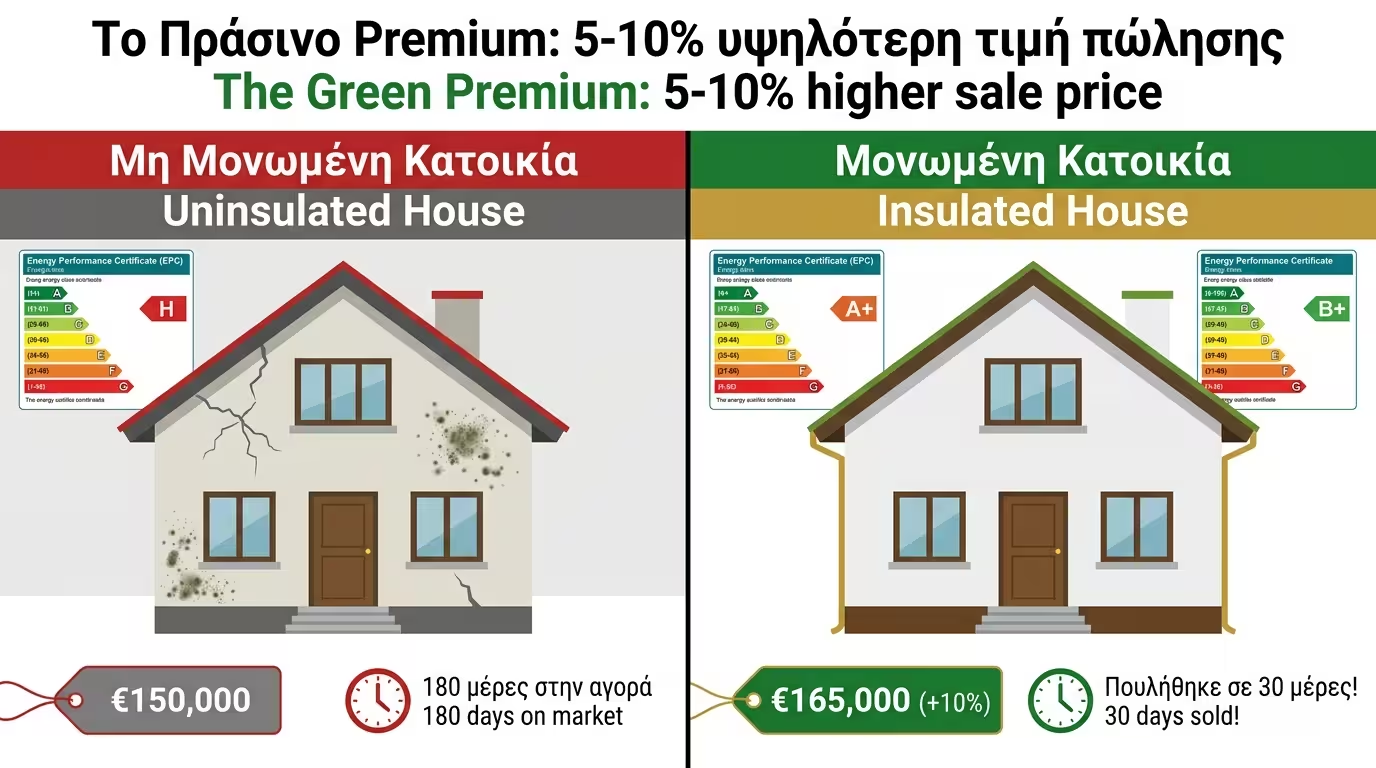
Today's buyers are well informed. They know that an old, uninsulated house means cold, mould and dizzying electricity bills. Conversely, they are willing to pay a "Green Premium" (an added value) to acquire a home that is ready and energy-armoured.
Studies in the European property market show that homes with a high energy rating (A or B) sell on average 5% to 10% more expensively than comparable uninsulated houses in the same neighbourhood, and they also sell much faster (less time on the market).
If you are a landlord who rents out, insulation lets you charge higher rent without losing the tenant. How? The smart tenant calculates the Total Cost of Living (Rent + Bills).
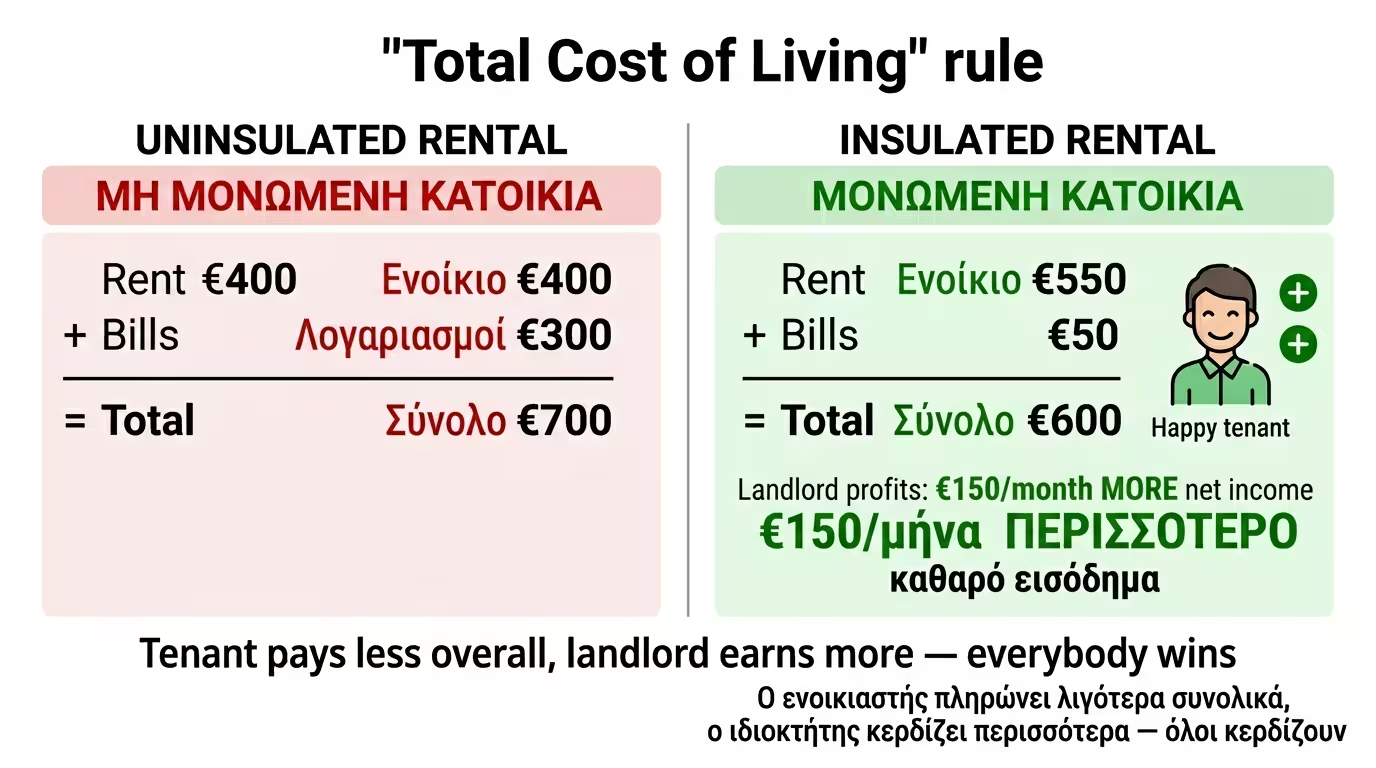
Rent €400, but in winter €300 in electricity/oil. Total: €700. The tenant will grumble, delay payments and eventually leave.
Rent €550, but bills only €50. Total: €600! The tenant is warmer, pays less overall, and you earn €150 more in net profit every month.
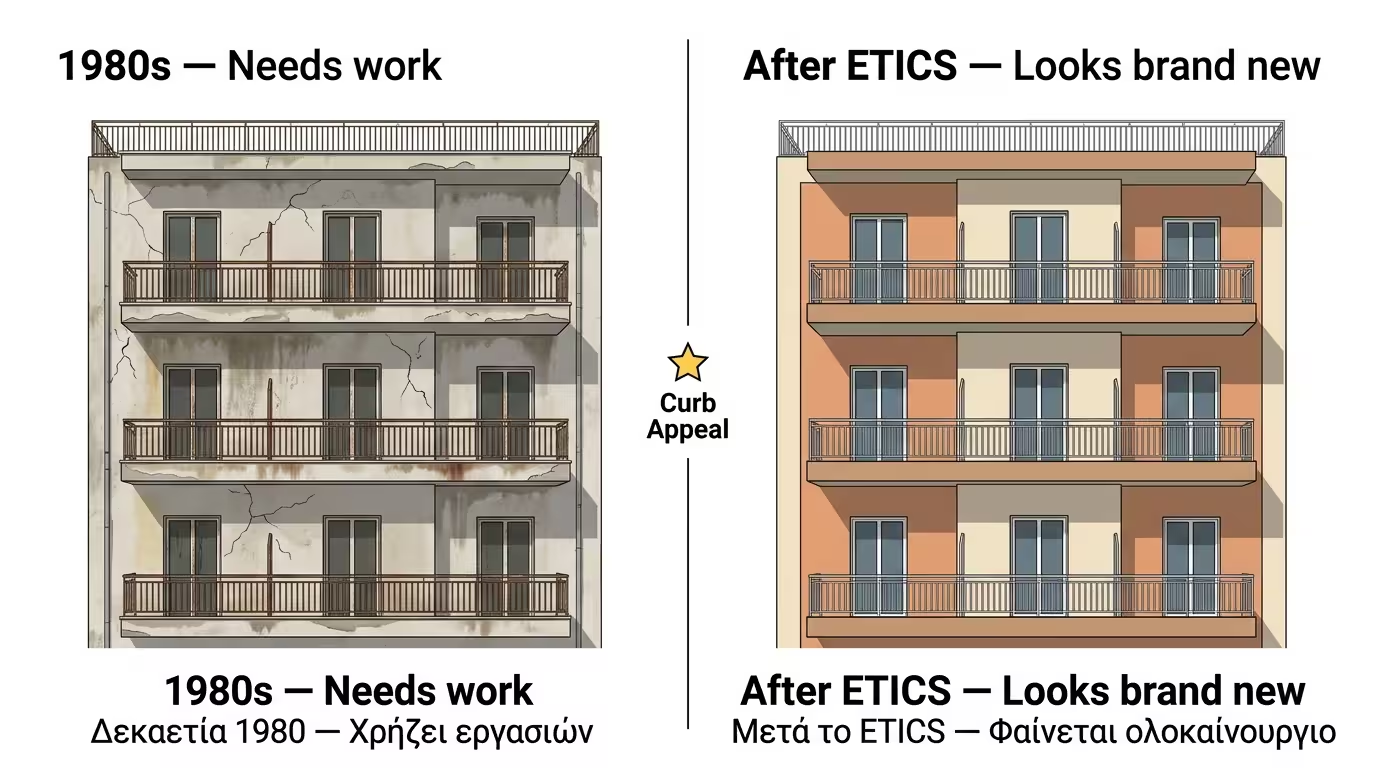
There is a hidden advantage to External Insulation (ETICS) that many forget. When you install a thermal facade, you essentially completely renovate the building's exterior appearance.
Cracks disappear, old renders are hidden, and the house is painted with brand-new, modern acrylic or silicone coatings. A 1980s house suddenly looks as if it was built yesterday. This "Curb Appeal" (the first impression) catapults its market value before the buyer even walks through the door!
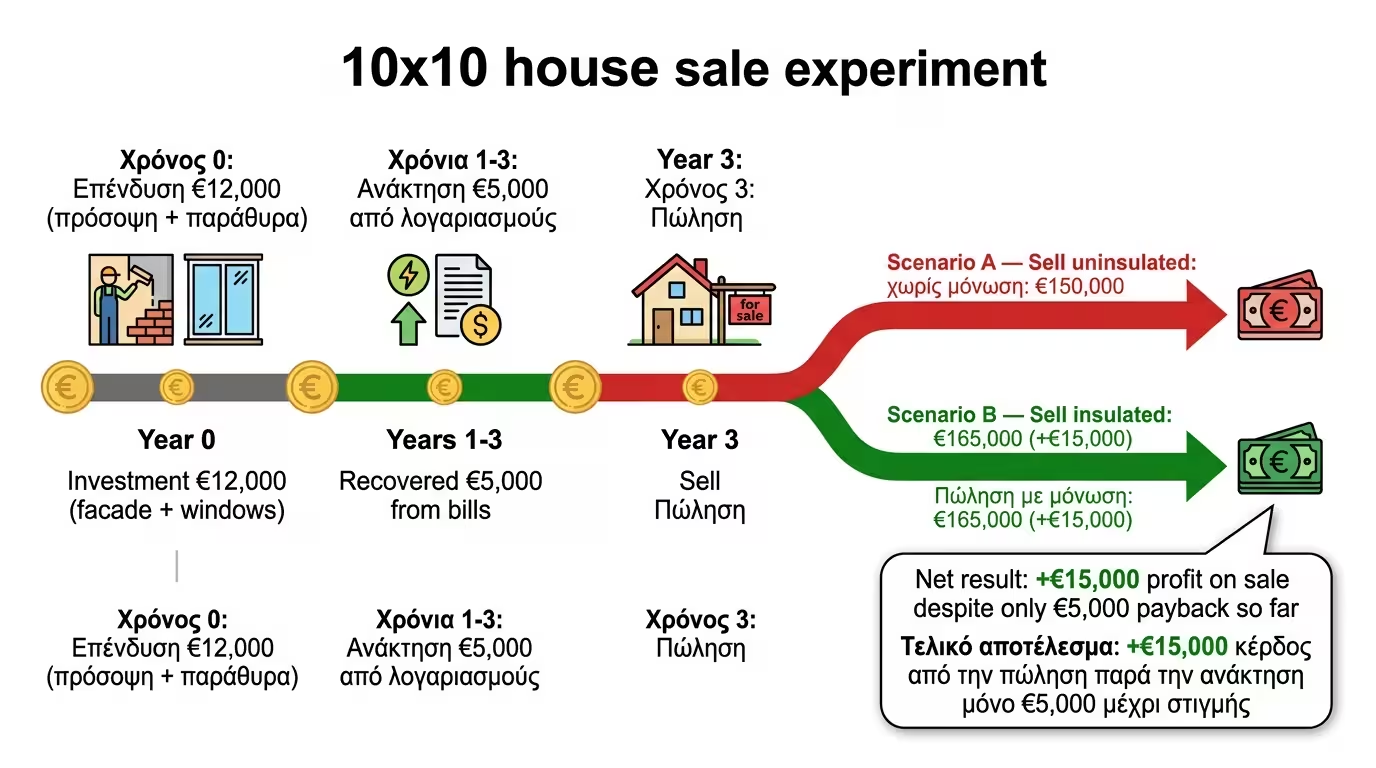
We decide to sell our 100 m² digital house, 3 years after we installed a thermal facade and new windows (investment €12,000). In those 3 years we managed to recover €5,000 from bills. So we are still "missing" €7,000.
If we had done nothing, our house (old and an energy drain) would be valued by the agent at €150,000. The buyer would try to lower the price because "it needs work".
Our house now looks brand new externally and has an EPC rating of B+. The agent lists it at €165,000 (10% value increase). It sells immediately because it is "turnkey".
📊 The Reckoning: Not only did we not "lose" the €7,000 we had not yet recovered, but we gained €15,000 in net profit on the sale price thanks to our original investment!
The Final Conclusion: The money you spend on insulation materials does not "evaporate". It is locked inside your property. Whether you plan to stay for 30 years (and grow rich from fuel savings) or sell in 2 years, the energy upgrade remains a move that always puts you ahead.
Return to category.
Go to categoryReturn to the central guide.
Go to guide