🧪 The Chemical Reaction
As trapped water slowly permeates the concrete, it carries carbon dioxide (CO₂) from the air. This mixture reacts with the cement and lowers its pH (makes it more acidic). This process is called Carbonation.
The tiles on your balcony look perfect. But a tiny joint has opened, or a crack has appeared at the parapet corner. In winter, rainwater finds that small opening and sneaks underneath.
Because the water is now covered by the tiles, the sun can't see it and the wind can't dry it. It becomes trapped inside the screed. And that's where the construction industry's most relentless chemical reaction begins.
To understand what happens, we need to know a concrete secret: Healthy concrete is highly alkaline (high pH, around 12-13). This alkalinity acts as a magical "shield" protecting the steel reinforcement from rust.
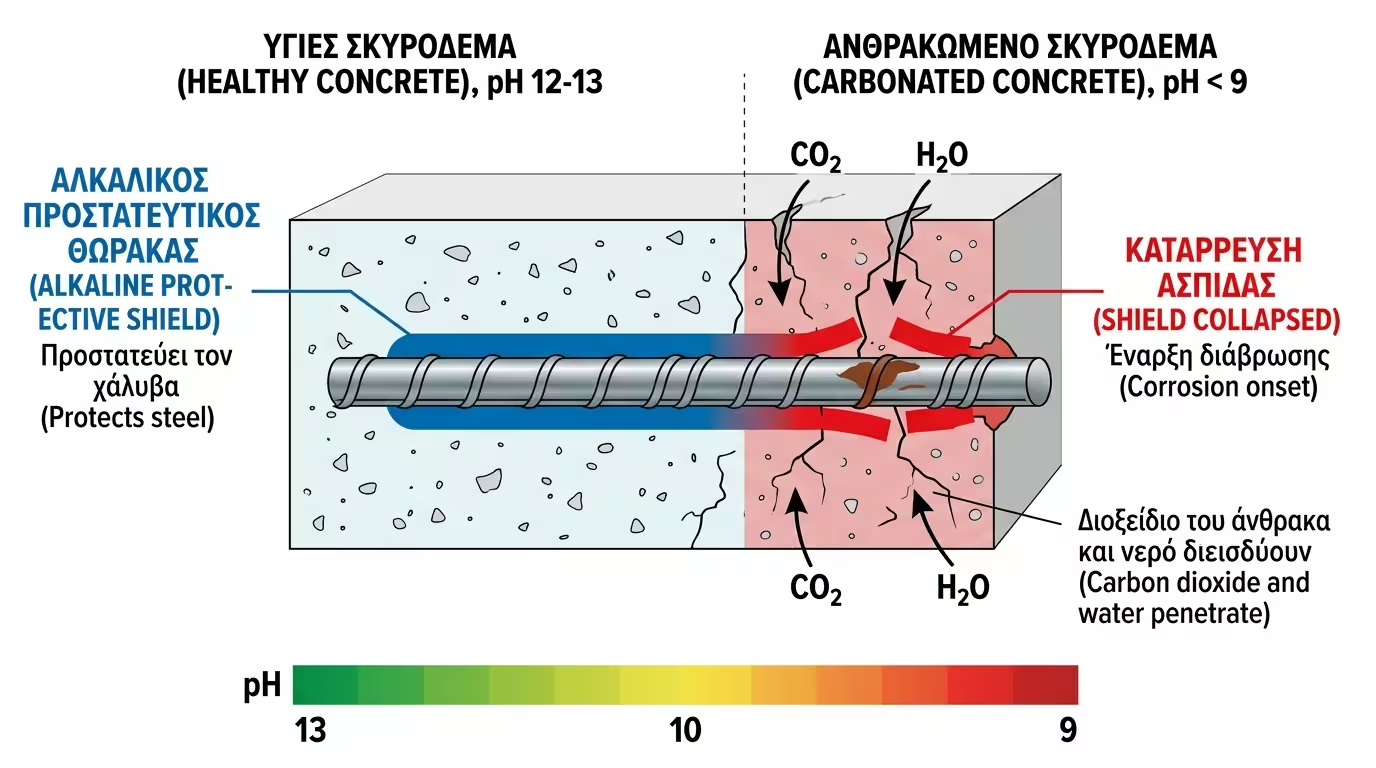
As trapped water slowly permeates the concrete, it carries carbon dioxide (CO₂) from the air. This mixture reacts with the cement and lowers its pH (makes it more acidic). This process is called Carbonation.
Once the pH drops below 9, the magical shield collapses. Water and oxygen reach the steel, and corrosion (oxidation) begins.
The problem with rust isn't just that the steel weakens. The huge problem is that rusted steel expands! When steel corrodes, its volume can grow by up to 7 times its original size.
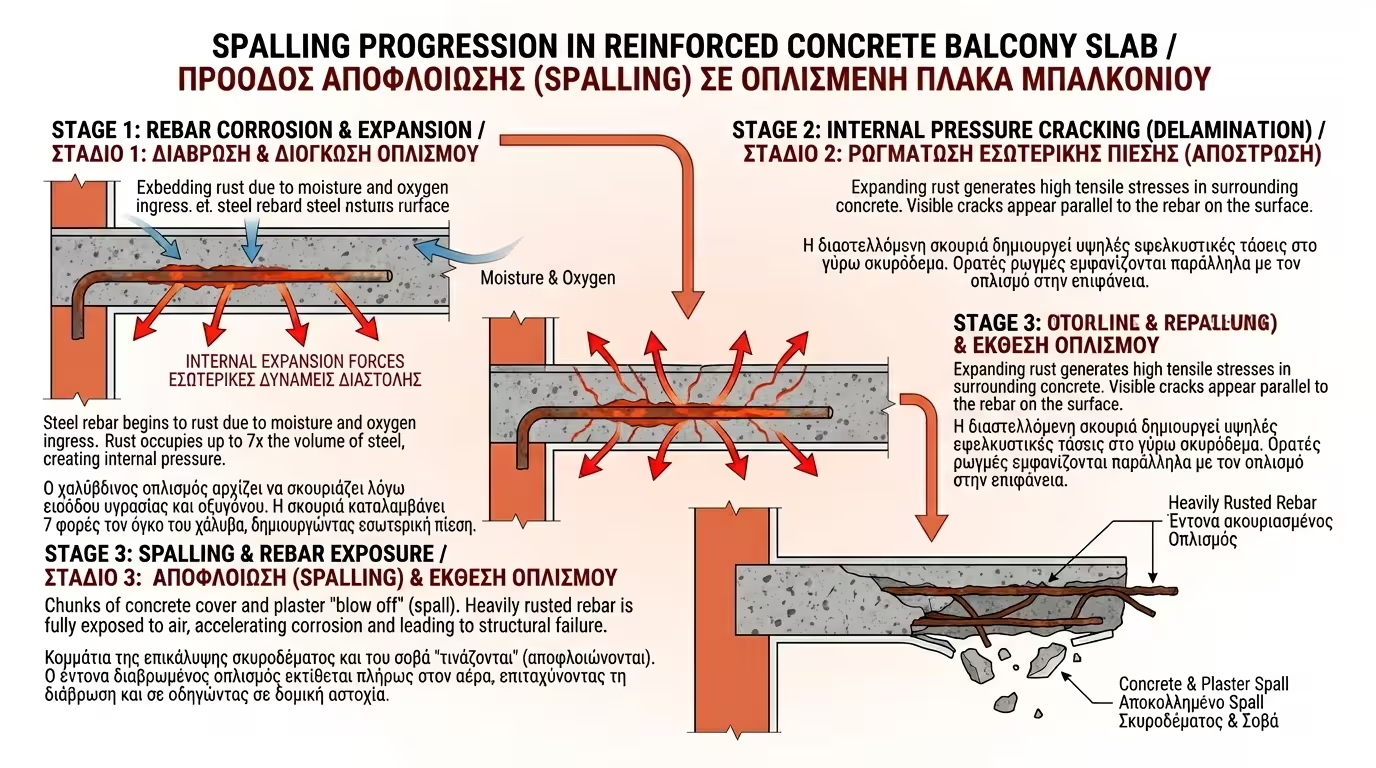
This massive internal pressure cannot be contained by the surrounding concrete. The concrete begins to crack from the inside out, starting as small fractures that gradually widen until the entire cover layer separates from the slab.
First, hairline cracks appear on the underside of the balcony slab. Then, as the rust continues to expand, large chunks of plaster and concrete blow off (spalling) and fall into the void below, potentially injuring people or damaging property underneath.
You can prevent the disaster, as long as you "listen" to your balcony:
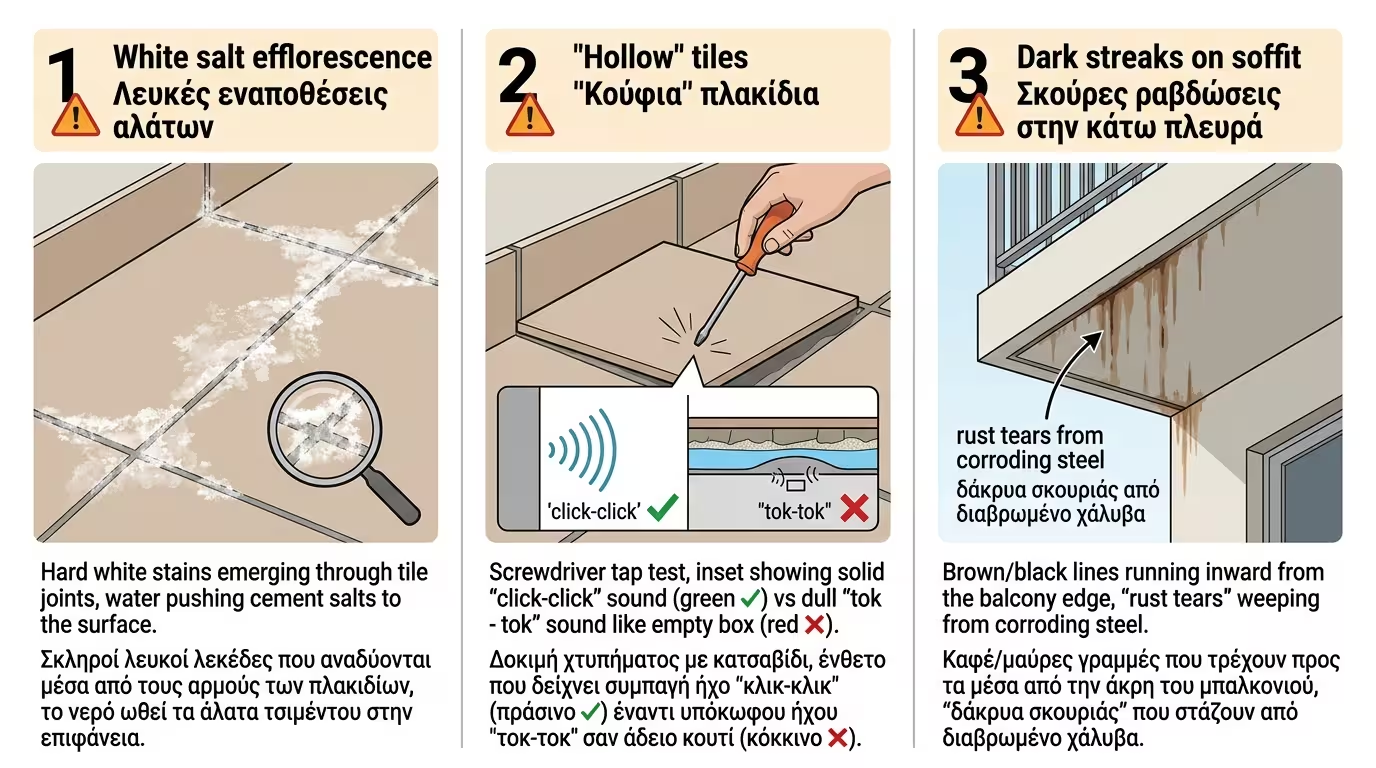
Do you see white, hard stains coming through the tile joints? Those are cement salts "washed out" by trapped water as it tried to evaporate. There's water underneath!
Take the back of a screwdriver and tap the tiles lightly. If the sound is solid (click-click), you're fine. If it's dull (tok-tok, like tapping an empty box), the tile has debonded due to frost or moisture.
If you look at your balcony from the street and see black/brown lines running from the edge (the soffit) inward, the steel has already started weeping… "rust tears".
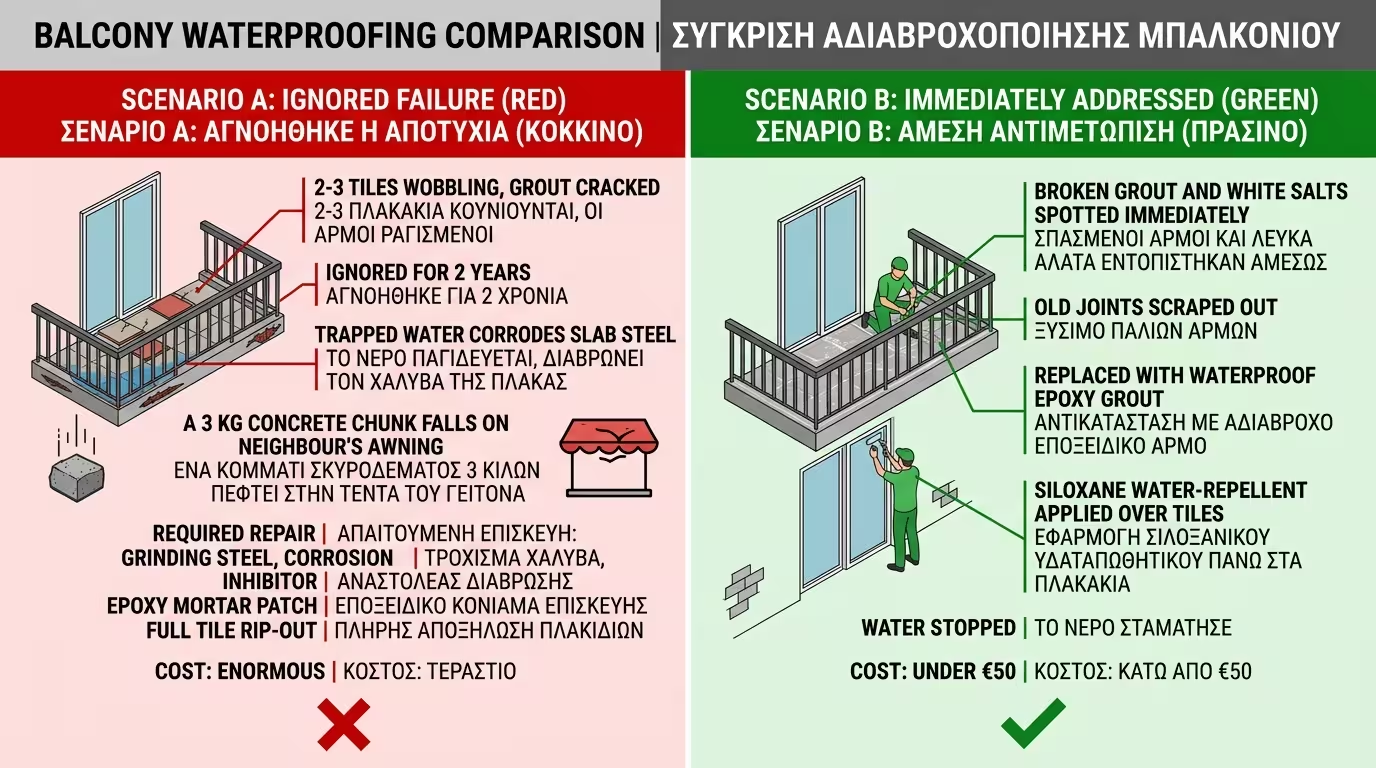
Our balcony is 15 years old. It never had waterproofing under the tiles.
We notice 2-3 tiles wobbling and their grout has gone. We ignore it. Two years later, trapped water reaches the slab's steel. The neighbour below is furious - a 3 kg chunk of concrete landed on his awning. To repair it, we need a crew to grind the steel, apply corrosion inhibitor, patch the hole with epoxy mortar, and of course rip out all our tiles from above. Cost? Enormous.
The moment we see the broken grout and white salts, we understand water is entering. We scrape the old joints with a hand tool and apply brand-new waterproof epoxy grout across the entire balcony. We also apply a water-repellent liquid (siloxane) over the tiles. Water stops entering. We saved the slab for under €50.
The Final Conclusion: Trapped water works 24 hours a day, 365 days a year. It's a ticking time bomb under your feet. Never ignore broken joints and "hollow" tiles, because the cost of repairing the structural concrete is many times greater than fixing the waterproofing in time!
Return to category.
Go to categoryReturn to the central guide.
Go to guide