The Secret of Slopes: How Ponding Water Destroys Your Roof in 5 Years

In the construction world there is one unbreakable golden rule: The best waterproofing in the world won't survive if water remains permanently on top of it. Manufacturers of waterproofing materials (even the finest coatings or membranes) offer 15 or 20-year warranties only on condition that the roof has proper slopes. If water ponds, the material's lifespan is instantly cut to a third!

1. The Myth of the "Flat" Roof

When you look at a flat roof, it appears perfectly level. But if you place a spirit level on it, you'll see it isn't (or shouldn't be) absolutely flat.

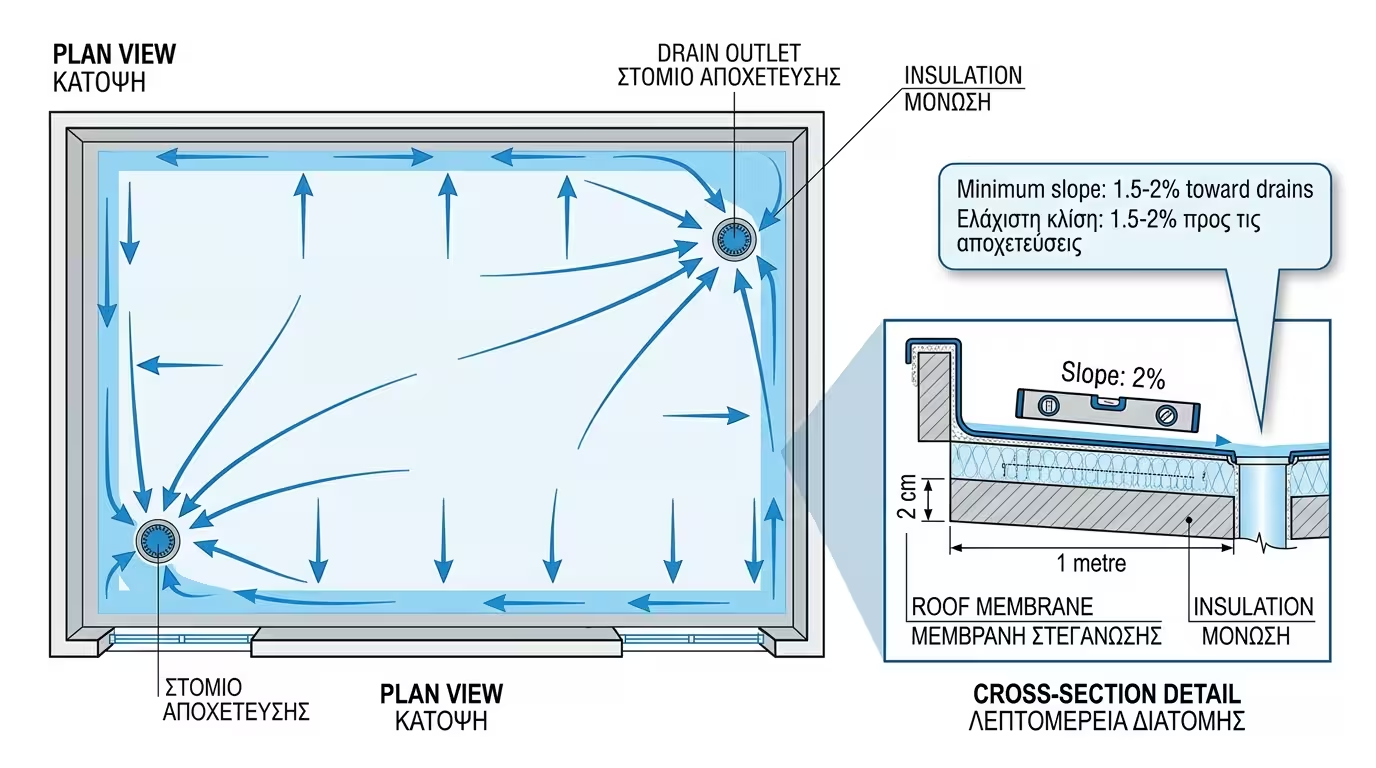
Spirit level on roof - minimum 1.5-2% slope toward drains

📐 The 2% Rule

A properly built flat roof must have a minimum slope of 1.5% to 2% toward the drains (outlets). In practice this means that for every 1 metre of length, the floor drops by 2 centimetres. This barely noticeable gradient is enough to give rainwater the momentum it needs to flow quickly to the drainage, leaving the roof "dry" just minutes after a storm ends.
2. The 3 Ways Ponding Water "Eats" the Waterproofing

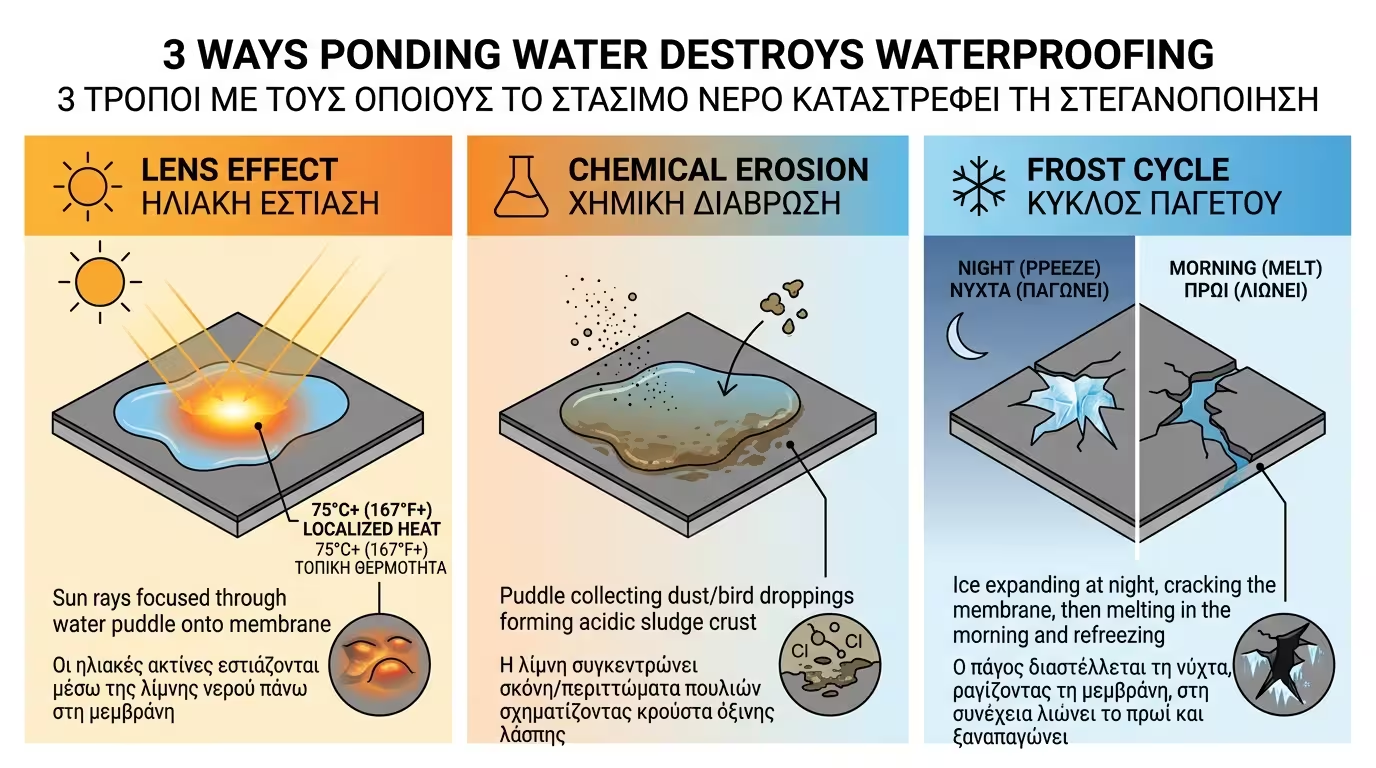
Why is a simple puddle of water on your waterproofing material so destructive? The answer lies in chemistry and physics:

Lens effect, chemical erosion, frost - 3 enemies

🔍 The "Lens" Effect (UV)

When the sun appears after rain, the puddle of clear water acts as a magnifying glass! It concentrates UV rays and "nails" them onto the waterproofing, literally baking and drying out the material at that specific spot.

🧪 Mud & Chemical Erosion

Standing water doesn't stay clean. It collects dust, soil, exhaust fumes and bird droppings. When it finally evaporates (after days), it leaves behind an acidic crust of sludge. These acids gradually "eat" the polymers in the bitumen membrane or polyurethane.

🧊 The Frost Nightmare (Thermal Shock)

In winter the puddle freezes at night. Ice expands and violently pulls the waterproofing. In the morning it melts, at night it refreezes. This constant stretching-shrinking creates micro-cracks. Once the material "cracks", the next rain will penetrate the concrete!

3. How Do We Create Proper Slopes? (Foam Concrete)

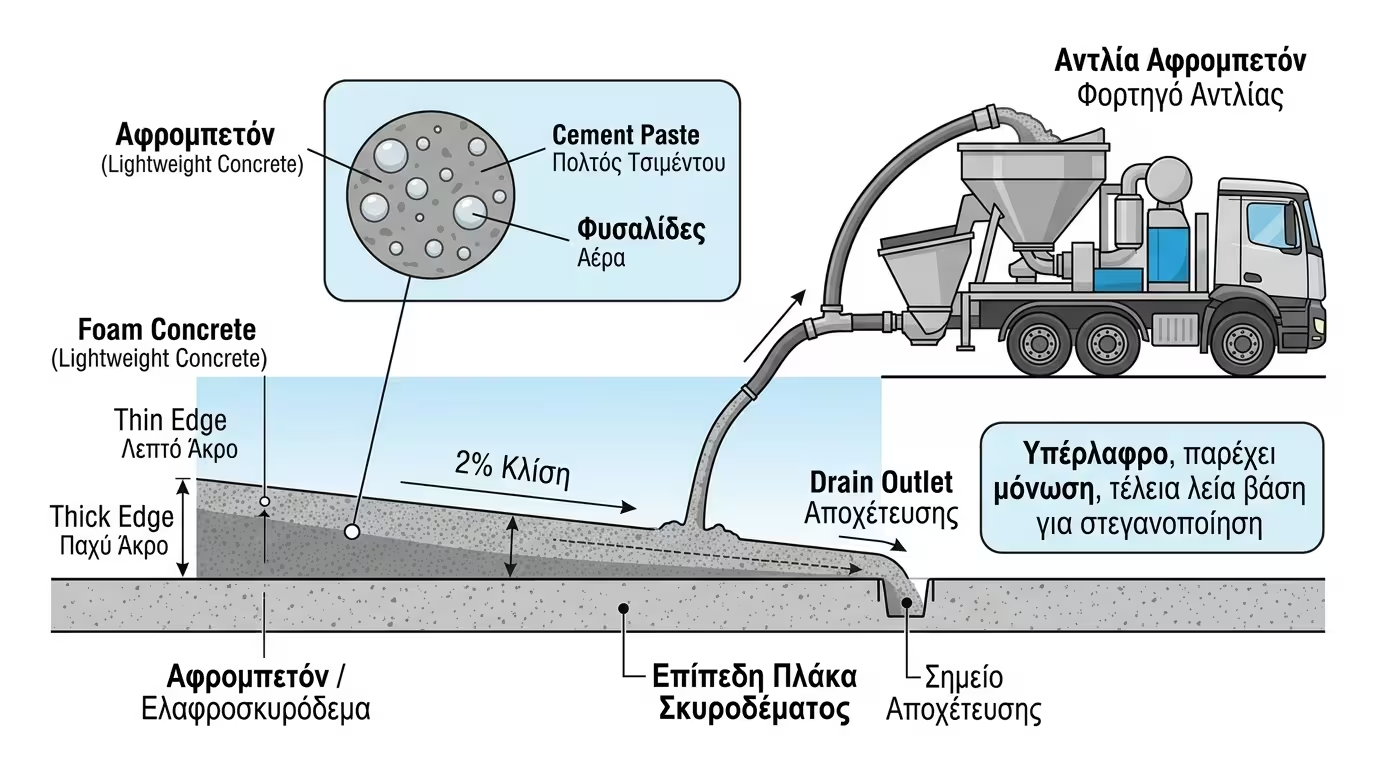
The concrete slab (your ceiling) is cast perfectly level during construction. To create the slope we can't pour plain cement - that would add hundreds of kilograms of useless weight.

Foam concrete / lightweight concrete - pump creates 2% slope

🏗️ Foam Concrete (Lightweight / Perlite Concrete)

This is a cement mix shot through with millions of air bubbles or lightweight aggregates (like pumice). Crews pour it with special pumps, "sculpting" the floor so it tilts gently toward the drains. It's ultra-light, offers a small extra degree of thermal insulation and forms the perfect, smooth base for you to then bond the waterproofing!

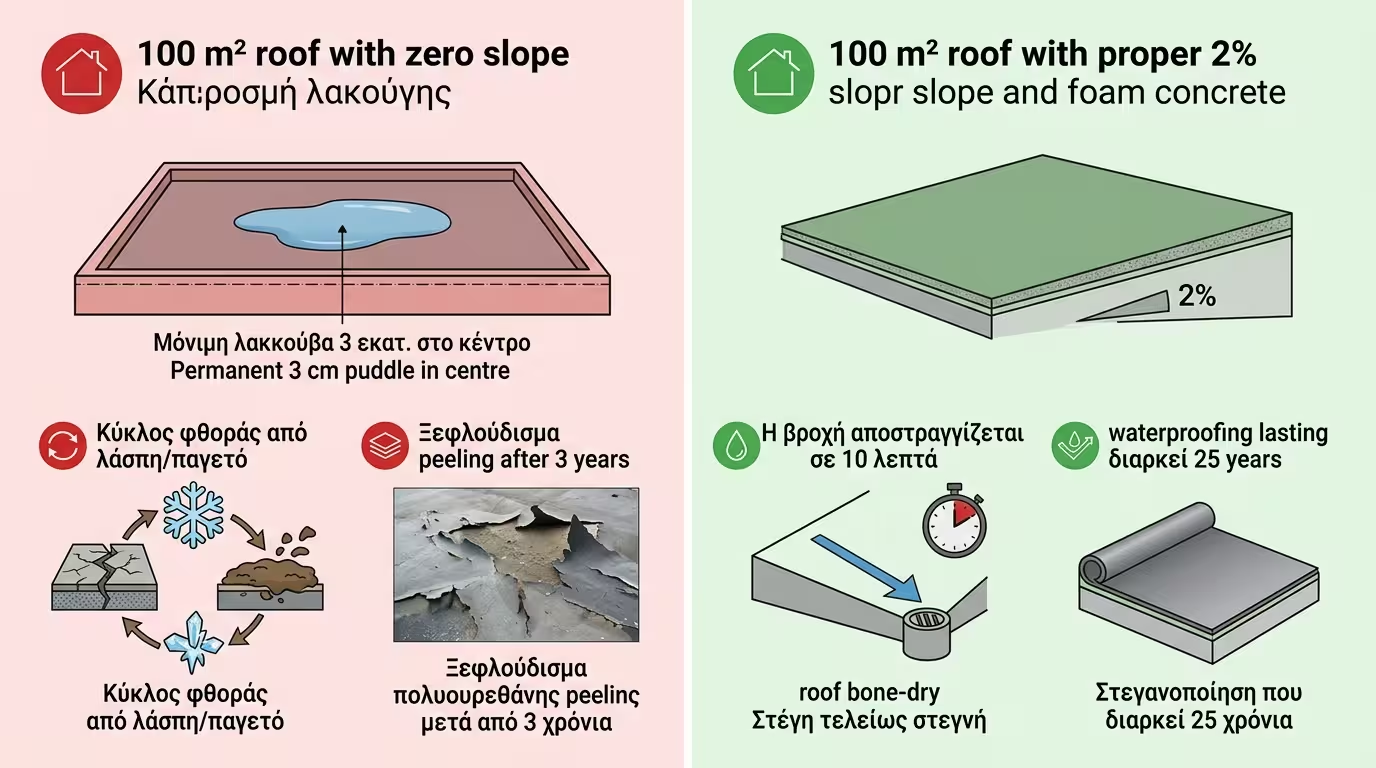
4. The 100 m² Model Experiment

100 m² experiment - zero slope vs proper 2% slopes

Our digital home needs waterproofing. We have a can of the best polyurethane on the market in our hands.

🔴 Scenario A (Zero Slope)

We can't be bothered calling a crew for slopes. Our slab has a "dip" in the middle. We spread the expensive polyurethane directly. It rains. A permanent 3 cm lake forms in the centre of the roof. Three years later, sludge and frost have made the polyurethane peel off at exactly that spot. The roof drips. We threw our money away.

🟢 Scenario B (Proper Slopes)

We bring a pump and pour foam concrete creating a 2% slope toward the two corners (where we installed wide drains). On top we apply the same polyurethane. A ferocious storm hits. Ten minutes after the rain stops, our roof is bone-dry. Not a drop left. The water ran off. Our waterproofing will last 25 years without any damage!

The Final Conclusion: Don't skimp on building slopes. Even a cheap, average waterproofing material will last decades on a roof that dries immediately. Conversely, the most expensive material in the world is doomed to rot if left submerged in water. Give the water an escape route!

Related Articles

Waterproofing: The Ultimate Shield Against Moisture

Return to category.

Go to category

Preview