🕳️ The Huge Hole
This box is, literally, a huge hole in the wall that faces the street! In most homes, the only thing separating you from the freezing outdoor air is a thin sheet of plywood.
If we ran a Blower Door Test (the depressurisation test we saw in the previous article) on 10 random homes in Greece, the machine would find exactly the same "holes" in 9 out of 10. Greek construction has certain classic weaknesses.
Before you break the piggy bank to replace your windows, take a lit candle (or your hand), hold it near the following 5 points on a windy day, and prepare to be surprised!
If you have old sliding or hinged windows with external roller shutters, directly above your window sits a wooden or plastic "box" where the strap and the shutter roll up.
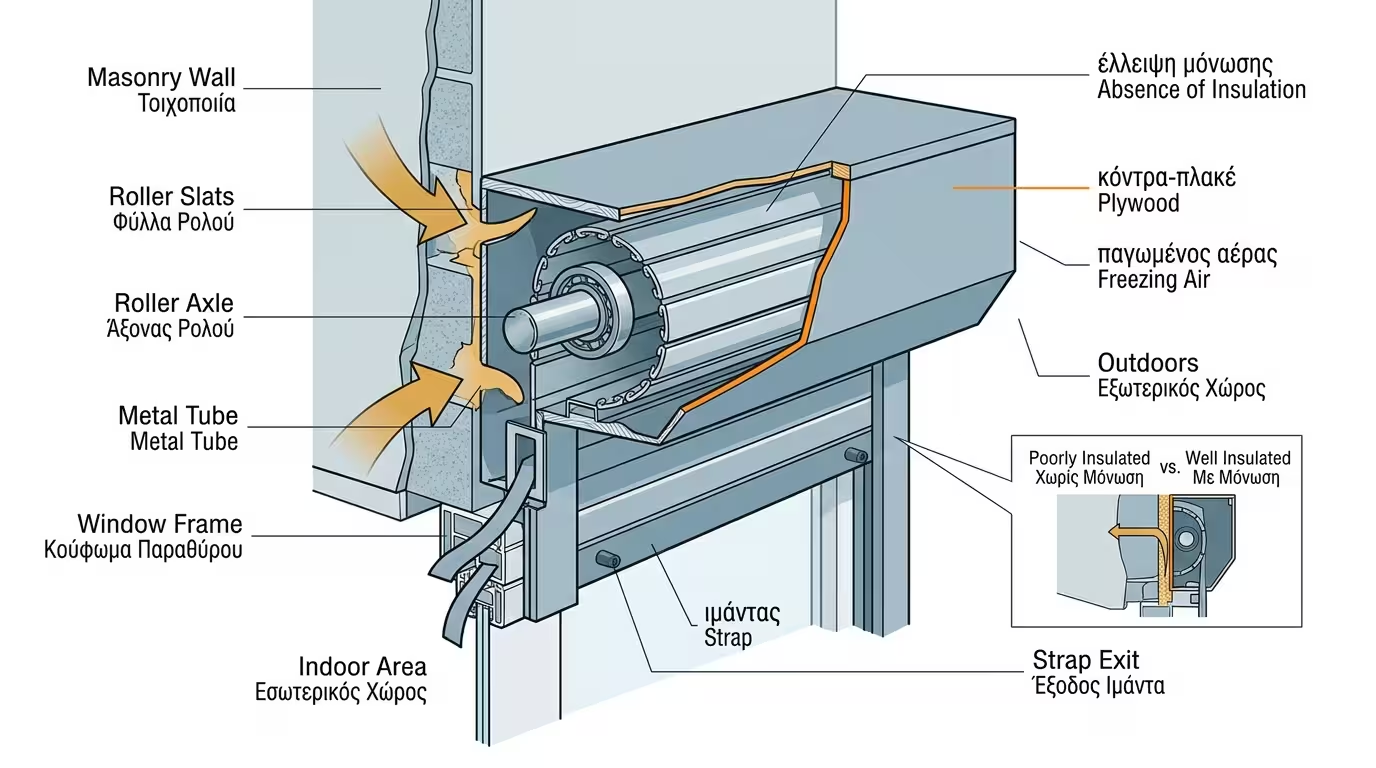
This box is, literally, a huge hole in the wall that faces the street! In most homes, the only thing separating you from the freezing outdoor air is a thin sheet of plywood.
Through the gaps in the box and through the hole where the strap (belt) exits, freezing air throws a party in your living room.
It sounds incredible, but your sockets actually blow… air! How is this possible?
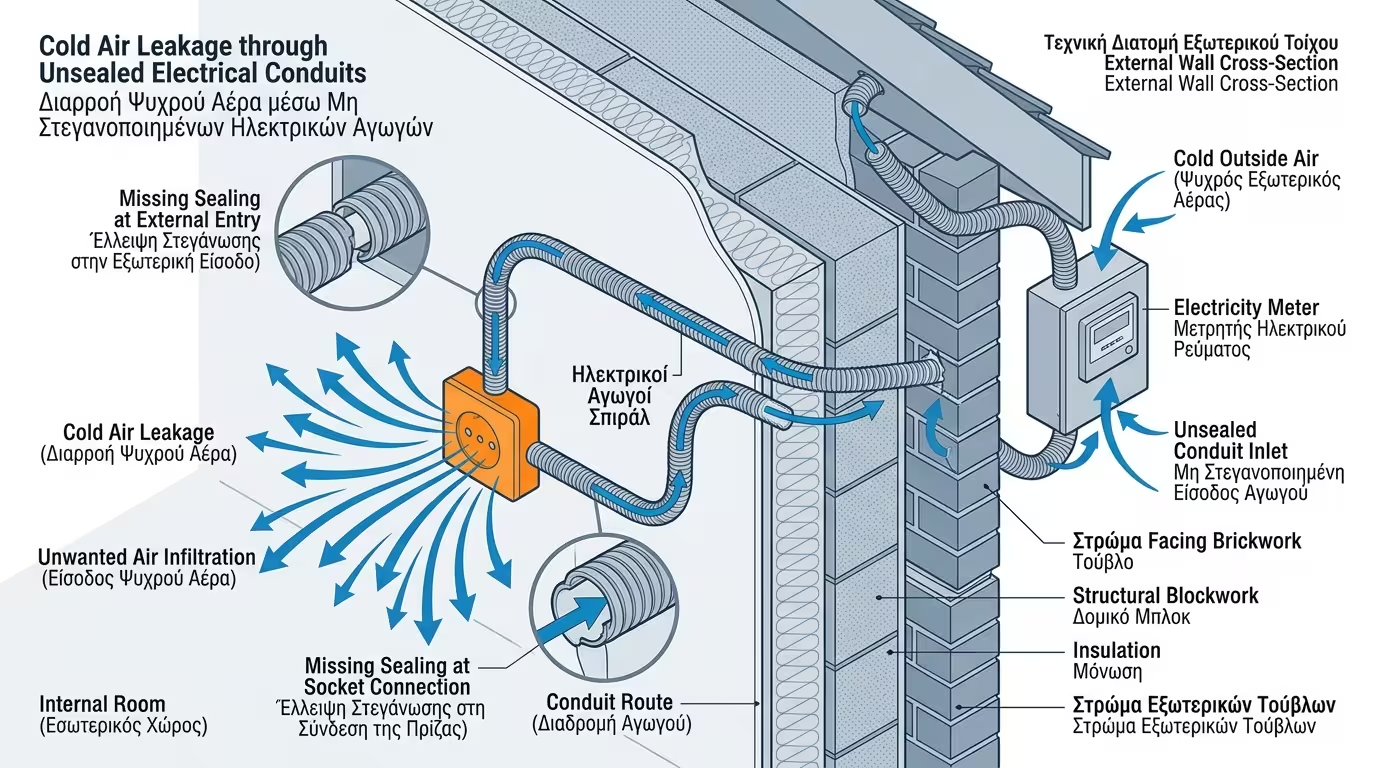
The electrician chiselled into the brick to run the plastic conduit pipes that carry the cables. These pipes often end up at the electricity meter, in the basement or on the terrace (outside the house).
Because nobody seals the inside of these pipes, they turn into microscopic aerodynamic tunnels. Cold air travels through the wall and exits right through the small holes of the socket!
Hidden beneath the skirting board lurks a gap between wall and floor, while around pipes and A/C units permanent gaps open up.
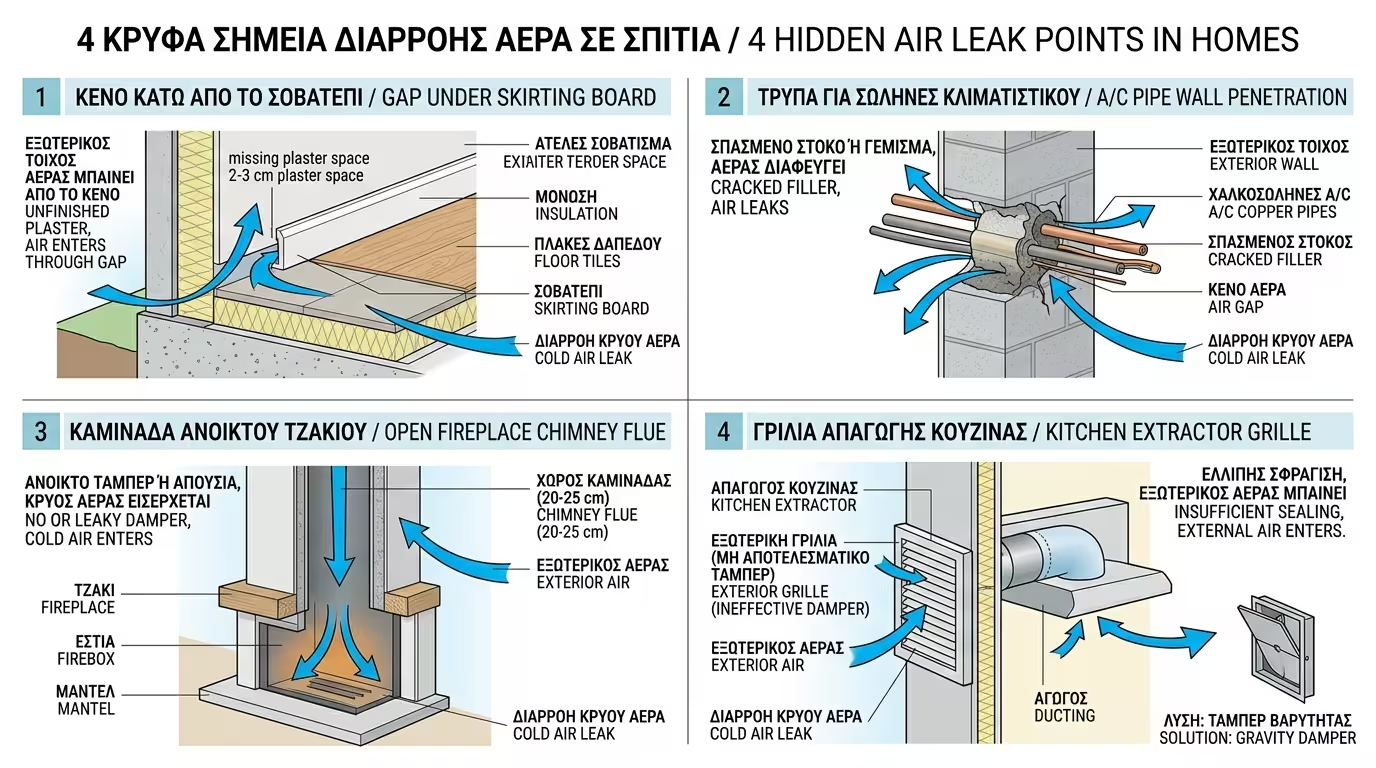
When the wall is built and the floor is poured, a small joint (gap) almost always remains between them. The plasterers apply render, but usually stop 2-3 cm above the floor, knowing that "the skirting board will hide it". But the skirting is only nailed or glued on - it is not airtight. Air circulating behind the wall exits from the floor, straight at your ankles.
When the technician came to install the Air Conditioning, he drilled a huge hole in the wall with a core drill to route the copper pipes to the outdoor unit. After passing the pipes, he usually applied a little filler or plaster very roughly. Over time, the plaster cracks and the filler dries out. Behind the indoor unit, there is now a hole that lets air in 24 hours a day.
If you have a traditional, open fireplace without a glass door (energy type) and without a damper (the butterfly that closes the flue), your home has a permanent open hole 20-25 cm in diameter in the ceiling! On evenings when you do not light a fire, all the radiator heat escapes straight into the sky.
Similarly, the kitchen extractor duct ends at a grille on the outside wall. When the wind blows, air enters through the grille, descends the duct and enters your kitchen. (The solution is gravity dampers / non-return valves.)
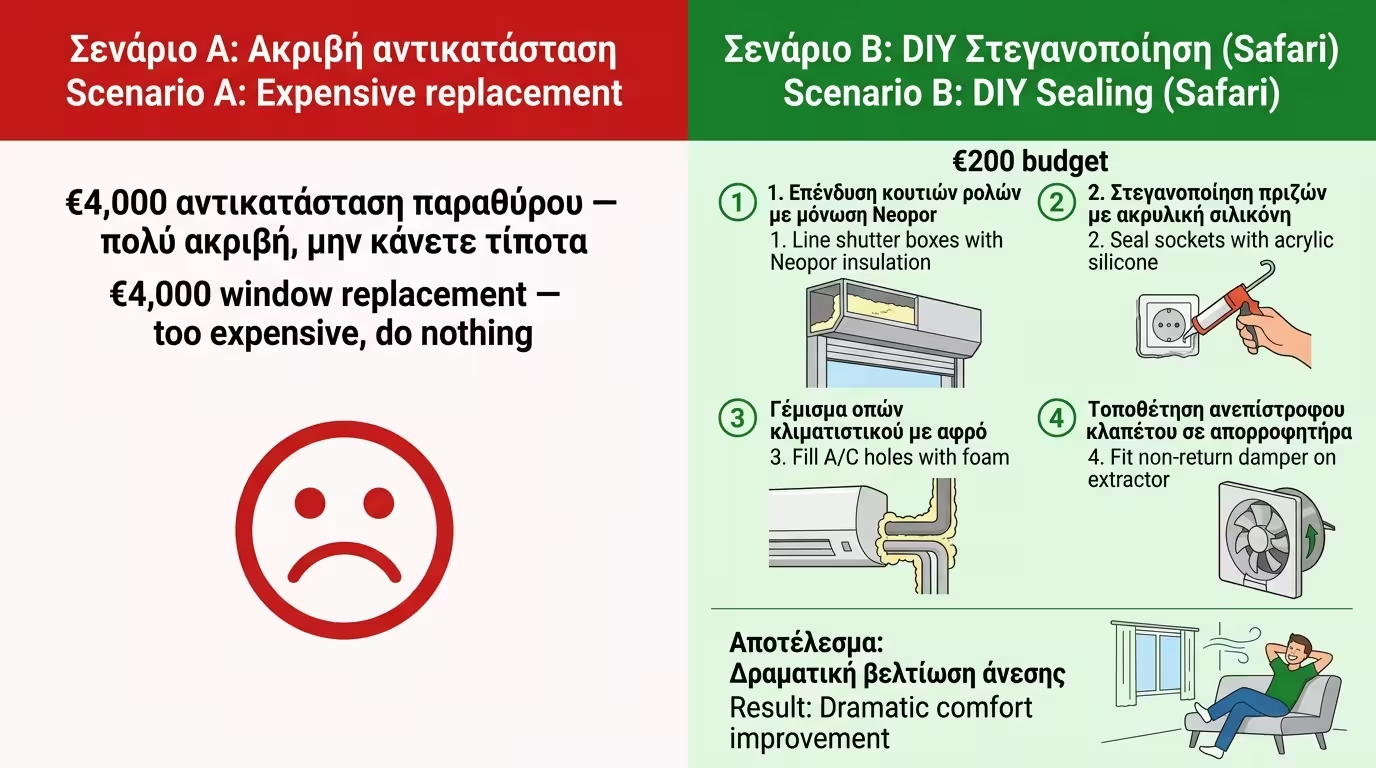
Our apartment has old aluminium windows and it is cold. Our budget is just €200.
We call the window installer. He tells us we need €4,000 for new windows. Since we don't have that, we do nothing and accept that we'll freeze.
We grab a candle and trace the draughts. We buy polyurethane foam and silicone.
The Result: The home immediately "tightens up". The sensation of cold draughts disappears completely. We spent very little, but increased the thermal comfort of the home dramatically!
The Final Conclusion: Airtightness does not always require space-age technology or huge budgets. Often it is a matter of observation, a silicone gun and a little enthusiastic DIY. Before you decide that your home "will never warm up", make sure you haven't left the… back doors wide open!
Return to category.
Go to categoryReturn to the central guide.
Go to guide