1️⃣ The Leak (Exfiltration)
Warm air reaching the upper floor creates pressure (positive pressure) on the ceiling and roof. It desperately seeks an exit and eventually escapes through bedroom windows, ceiling spotlights or the attic hatch.
Warm air is lighter (less dense) than cold air, so it always travels upwards. This simple law of physics, which makes hot-air balloons fly, is the absolute nightmare for anyone living in a home with an internal staircase.
When the air on the ground floor is heated by radiators or the fireplace, it doesn't sit in your living room. It finds the staircase opening and shoots upstairs like crazy. This is exactly what's called the Stack Effect. Your home works exactly like a tall factory chimney.
The problem isn't just that your heat goes to the bedrooms. The problem is what happens next, because of gaps (poor airtightness).
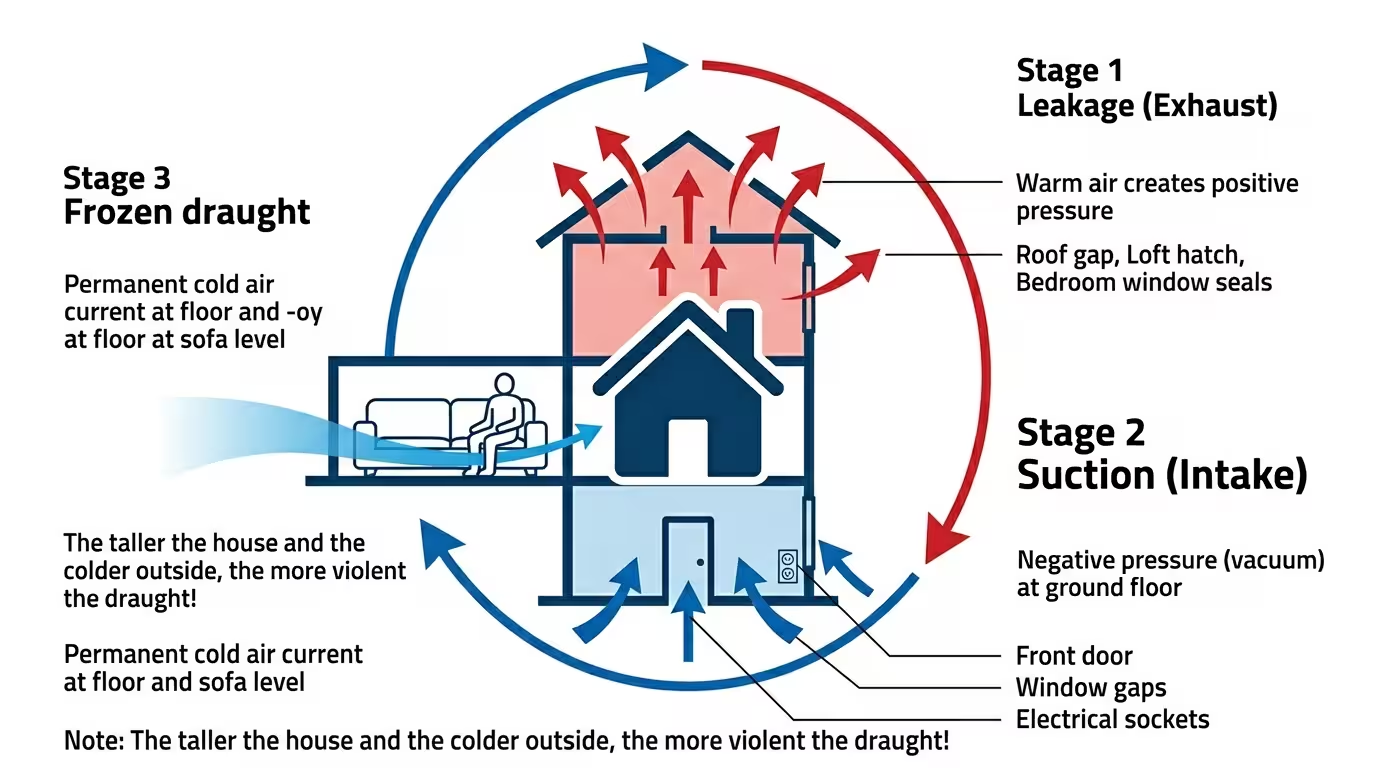
Warm air reaching the upper floor creates pressure (positive pressure) on the ceiling and roof. It desperately seeks an exit and eventually escapes through bedroom windows, ceiling spotlights or the attic hatch.
Since air has left from above, the house must replace it. Negative pressure (vacuum) is created on the ground floor. The ground floor now acts like a giant vacuum cleaner! It violently sucks freezing air from the street through the front door, living-room windows and sockets.
This is why you feel that permanent, icy draught hitting your ankles when you sit on the ground-floor sofa. The taller the house (e.g. 3-storey maisonette) and the colder it is outside, the more violent the draught!
If you think the solution is bigger radiators downstairs, you're wrong. You'll just send even more heat upstairs and suck even more cold through the front door.
The solution lies exclusively in sealing (airtightness) and zone separation:
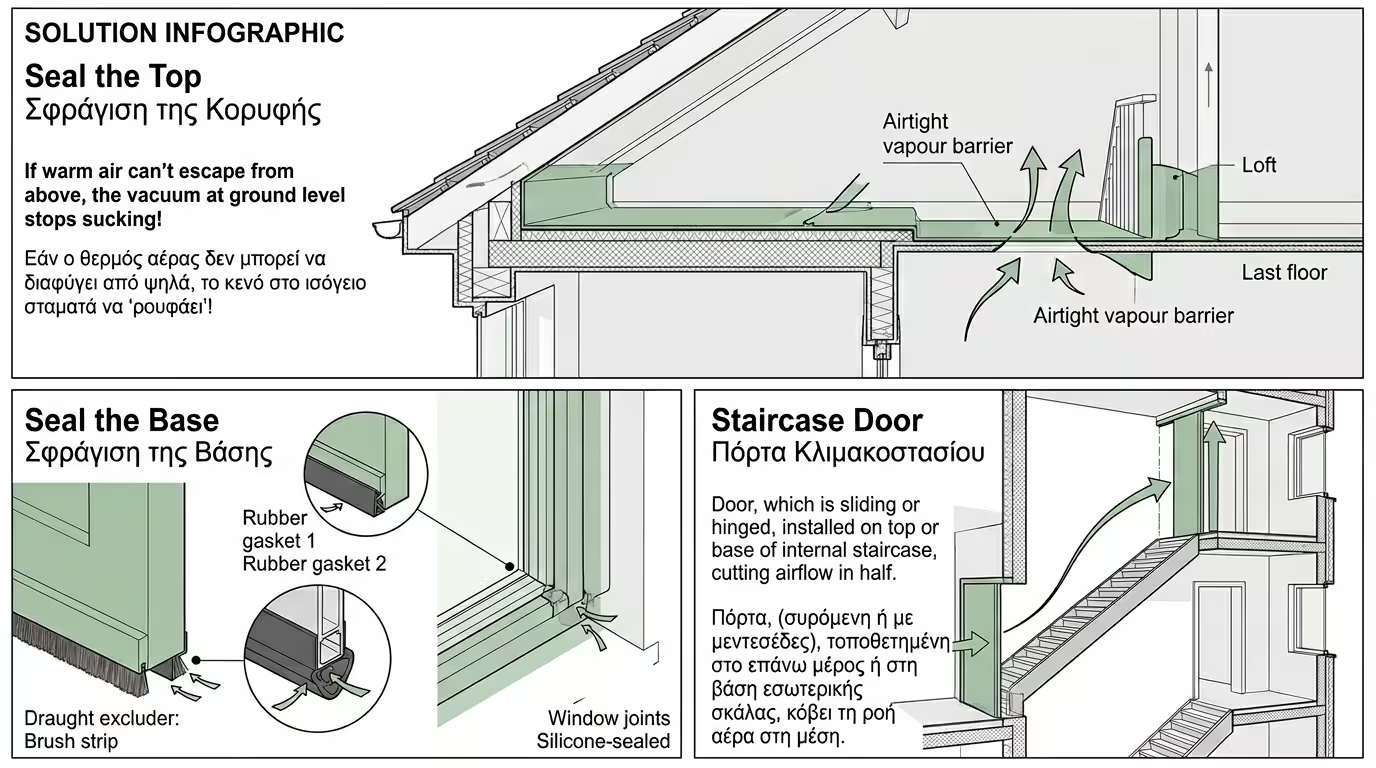
Insulate and airtight-seal the top-floor ceiling or attic (vapour barrier on the roof). If warm air can't escape from above, the "vacuum cleaner" at ground level stops sucking!
Fit draught excluders (brush strips or seals) at the bottom of the front door and seal living-room window gaps with silicone.
If architecturally possible (e.g. a sliding door at the top or bottom of the internal staircase), close it in winter. It cuts the vertical draught in half.
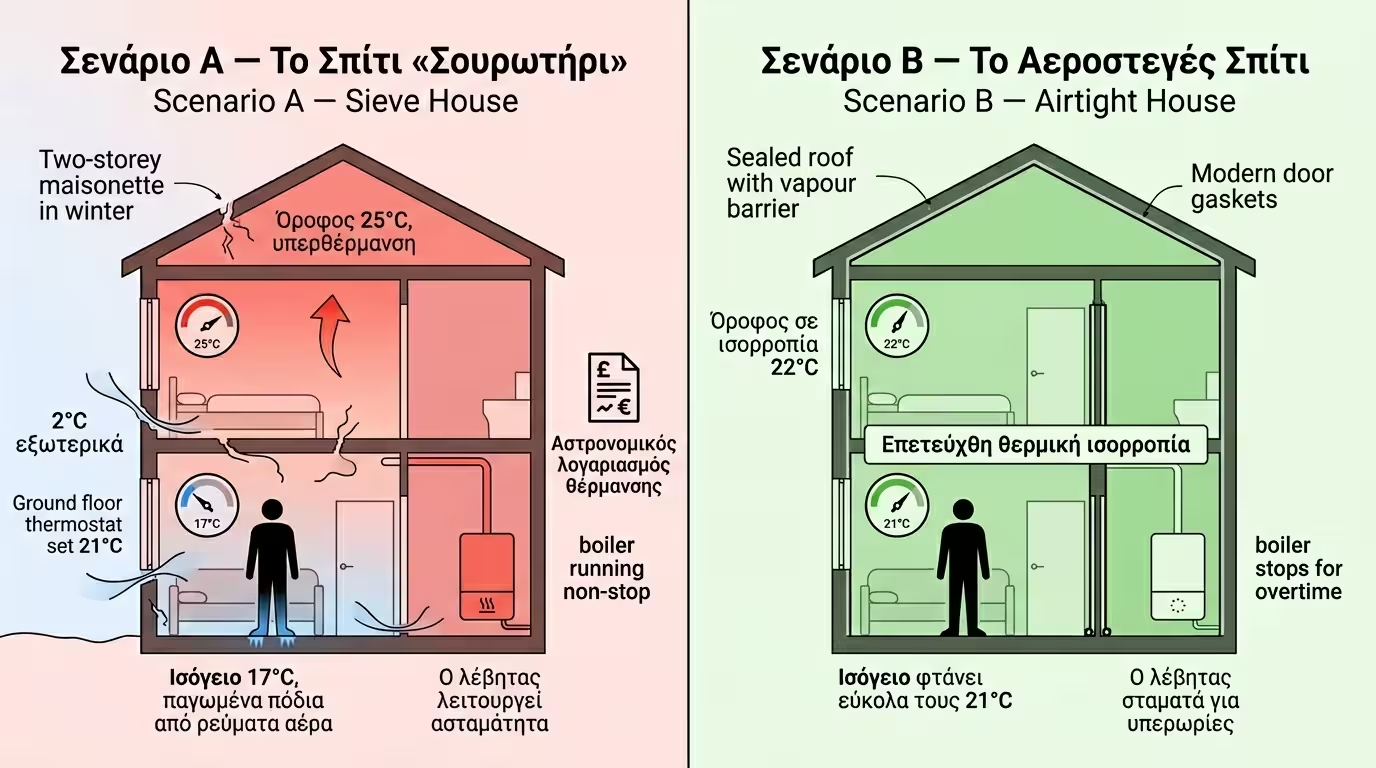
Winter with 2°C outside. The thermostat is in the living room (ground floor) set to 21°C.
The thermostat runs non-stop. The boiler burns constantly. On the ground floor, the thermometer shows 17°C and our feet are frozen from the front-door draught. We go up to the bedroom (without even having the radiator on there) and the temperature is 25°C ! We can't sleep from the heat, yet the heating bill is astronomical.
We perfectly sealed the roof with a vapour barrier and fitted modern seals on the front door. The Stack Effect is "choked". Heat rises but is trapped, so the flow stops. The ground floor easily reaches 21°C and bedrooms settle at 22°C. The boiler stops working overtime and the home finally has thermal equilibrium.
The Final Conclusion: In multi-storey homes, airtightness isn't just about saving energy - it's about survival and comfort. Before blaming your plumber for "not sizing the radiators correctly", check the roof and front-door gaps. If you stop the leak at the top, you'll stop the cold at your feet!
Return to category.
Go to categoryReturn to the central guide.
Go to guide