Gradual Energy Upgrade: Insulating Room by Room

There's a myth in construction that says "either do everything at once, or nothing at all." This is the biggest lie preventing thousands of homeowners from improving their quality of life.

Energy lost from an uninsulated home is like a boat with 5 holes. If you can only afford to plug 1 hole this year, your boat will take on less water! The secret to gradual upgrading (pay-as-you-go renovation) is prioritisation. We don't start just anywhere.

1. Target the "Fridge" of the House (North Bedroom)

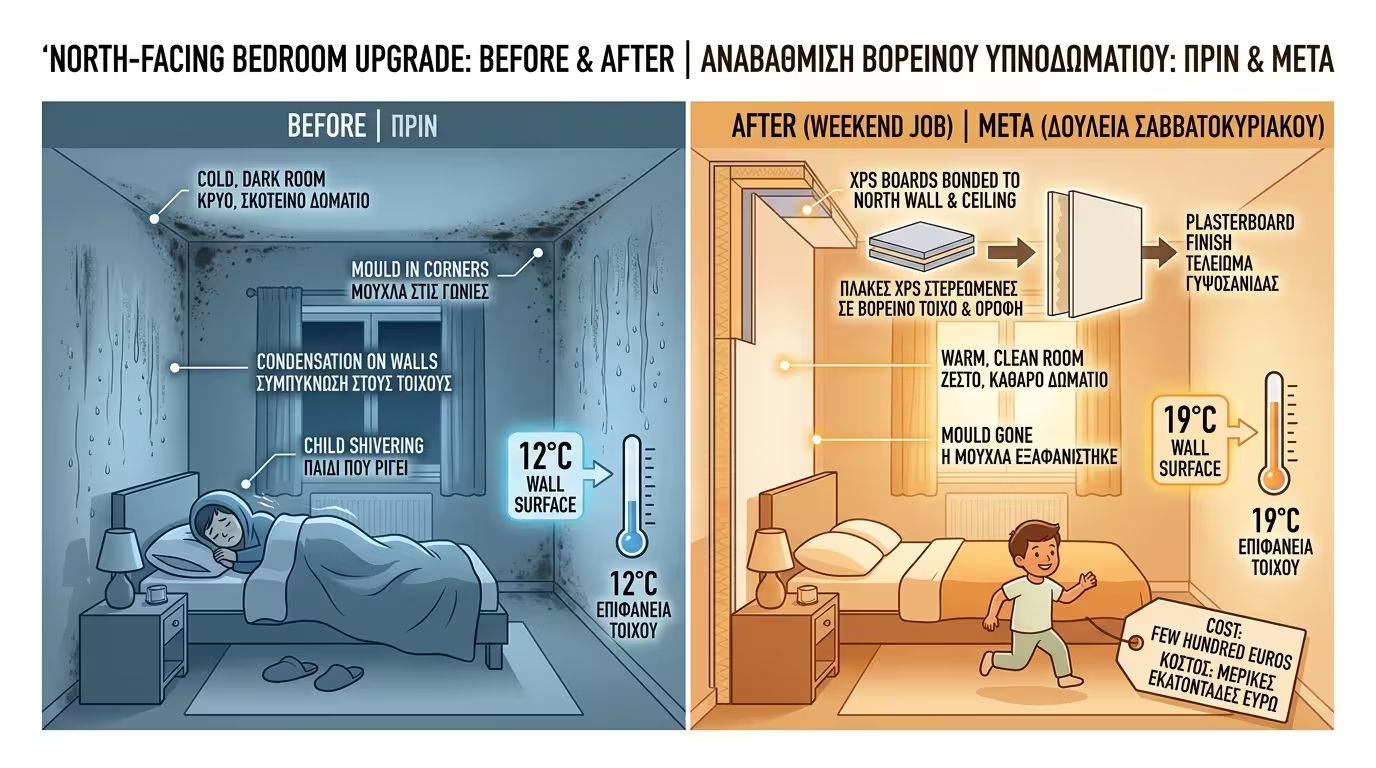
Every home has a "weak link" room. Usually it's the north-facing bedroom (where the sun never hits) or the children's room that permanently shows black mould on exterior walls and ceiling corners.

The Solution (Internal Insulation): You don't need scaffolding around the whole building for one room. In a single weekend, the installer bonds thin boards (XPS, or breathable CaSi if there's heavy moisture) to the north wall and ceiling, and closes with plasterboard.

Cost: Minimal (a few hundred euros).
Result: The children's room instantly becomes a warm "capsule". Mould vanishes permanently, because the wall is no longer cold enough to cause condensation.

North-facing room with mould in corners - before and after insulation

2. The High-Use Room (Living Room)

Next year, when you've saved a new budget, move on to the room where you spend the most time (and the most heating): the living room.

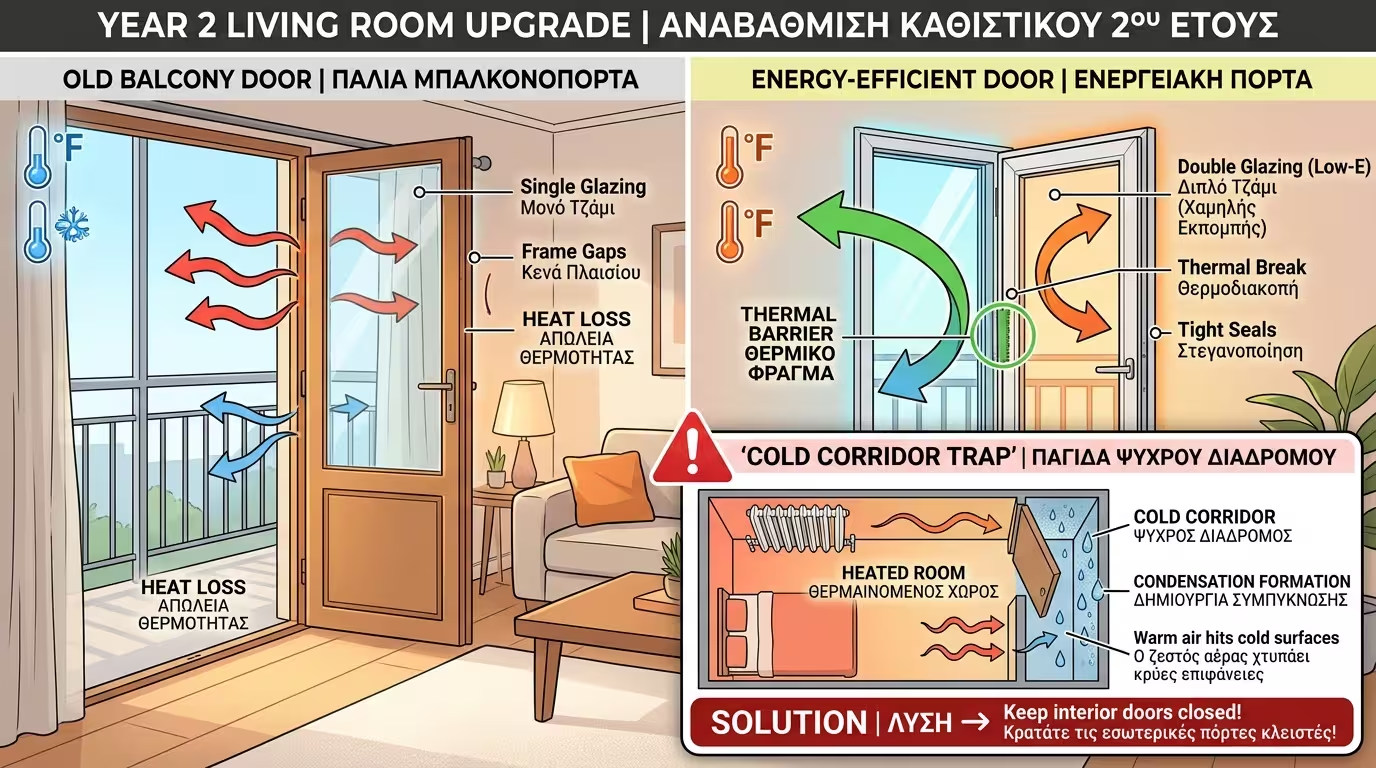
The Solution (Targeted Upgrade): Instead of insulating walls, start from the biggest "hole". Replace ONLY the large balcony door with a new energy-efficient aluminium or PVC frame with thermal glazing.

The Cold Corridor Trap: When you have a perfectly insulated living room but the hallway remains freezing, leaving the living room door open sends warm humid air into the cold corridor where it condenses on walls. Keep interior doors closed to maintain the thermal zones!

Replacing balcony door with energy-efficient frame - major upgrade

3. Completing the Puzzle

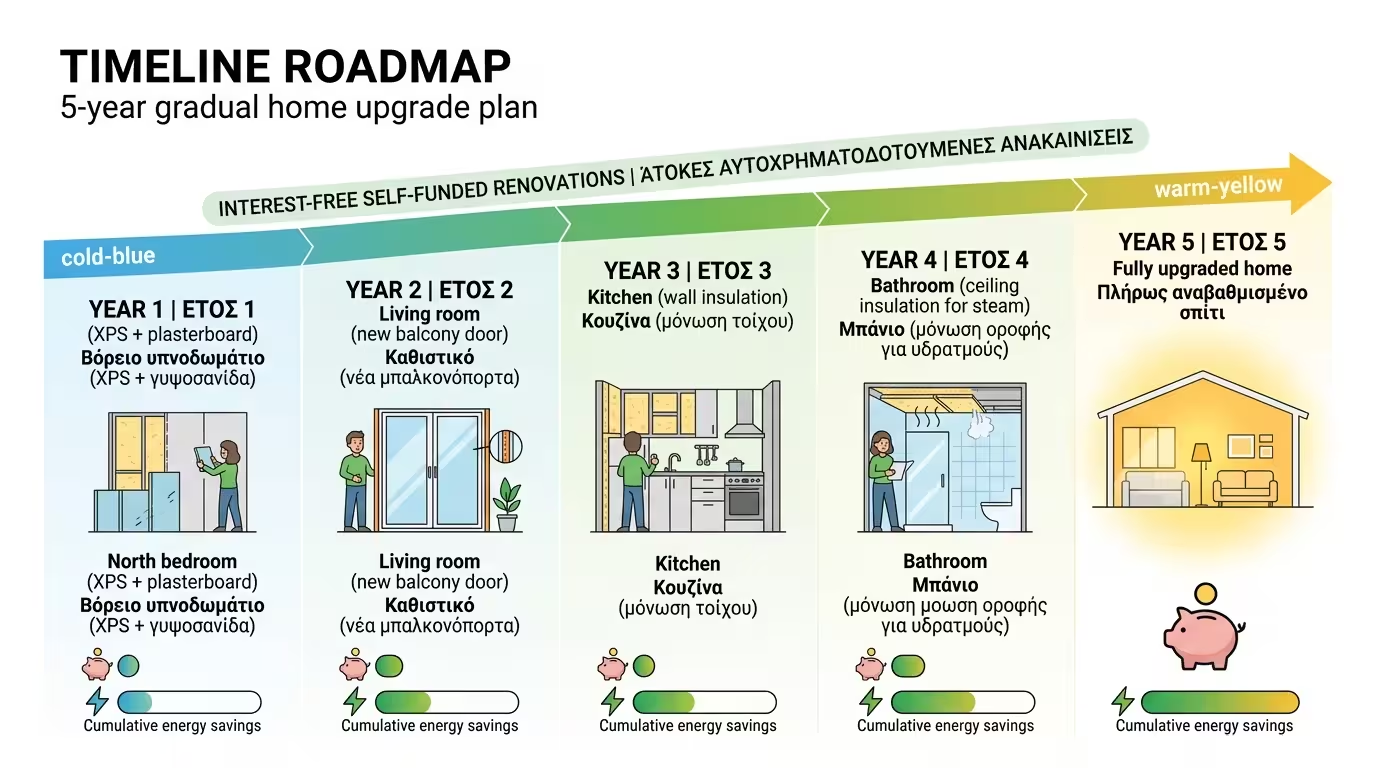
Year by year, you upgrade the next room. Year 3: the kitchen. Year 4: the bathroom (perhaps insulating the ceiling if you're on the top floor, to stop steam condensation when showering).

By year 5, you'll have a fully upgraded home, having paid in "interest-free instalments" at your own pace, and most importantly, enjoying the benefits from day one!

5-year roadmap: room-by-room renovation in annual instalments

4. The 10x10 Model Experiment (Apartment)

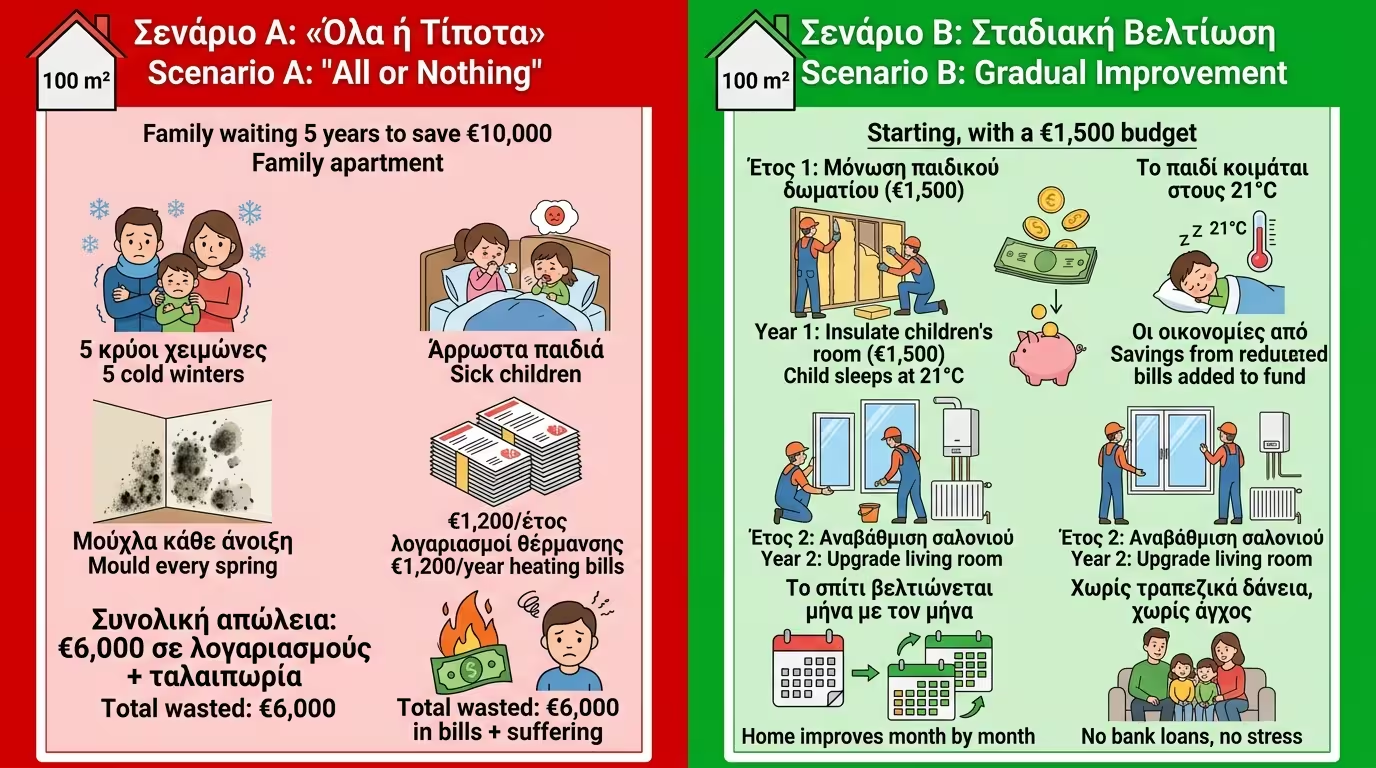
10x10 experiment - 5 years waiting vs gradual upgrade

The family is cold but has only €1,500 saved this year. Full insulation costs €10,000.

❌ Scenario A (The "All or Nothing" Logic)

The family decides to wait 5 years to save €10,000. For 5 entire winters, the children freeze in the north bedroom, get sick frequently, walls need repainting every spring due to mould, and they pay €1,200/year in electricity and heating oil.

✅ Scenario B (Gradual Upgrade)

With €1,500, they internally insulate ONLY the children's room and replace its window this year. The child sleeps at 21°C with a small electric heater that costs pennies. The family saves on bills and adds savings to their fund. Next year they upgrade the living room. The home improves month by month, with no bank loans and no stress.

The Final Conclusion: Energy upgrading is not a privilege of the wealthy. It's a matter of strategy. Identify the most energy-hungry, freezing or mouldy room in your home and start there. Every square metre of insulation you add is money that stops flying out the window!

Related Articles

Roof, Pilotis & Special Applications: Complete Energy Protection

Return to category.

Go to category

Preview