📊 The Reality
The internationally accepted winter thermal comfort temperature for a person wearing a light jumper or tracksuit is 20°C to 21°C.
If we put two completely different families in two identical, perfectly insulated apartments in the same building, at the end of winter one family's electricity bill can be double the other's. This phenomenon has been extensively studied by engineers and is caused exclusively by user behaviour.
Let's look at the 3 daily "crimes" we commit:
Most Greeks have grown accustomed to walking around at home in winter wearing… a T-shirt. We set the thermostat to 23°C or even 24°C to feel "warm".
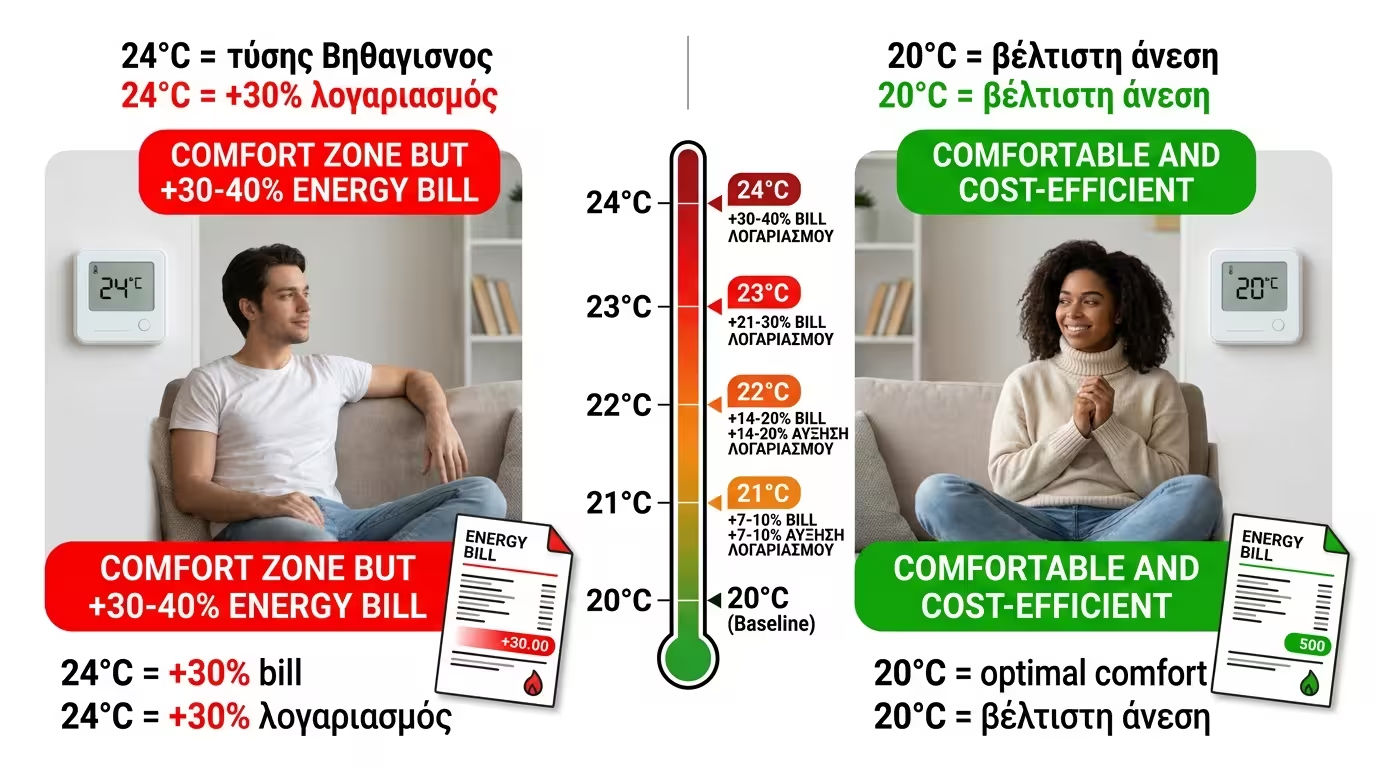
The internationally accepted winter thermal comfort temperature for a person wearing a light jumper or tracksuit is 20°C to 21°C.
Each 1°C above 20°C increases heating energy consumption by 7% to 10%! If you have it at 24°C, you pay 30% to 40% more electricity just to avoid wearing a jumper.
This is a habit left over from old oil boilers. We leave for work at 8:00 a.m. and turn the heating off completely. We return at 18:00 to a "frozen" home, fire up the heat pump (or air conditioner) at full blast, and set the thermostat to 25°C to "heat up quickly".
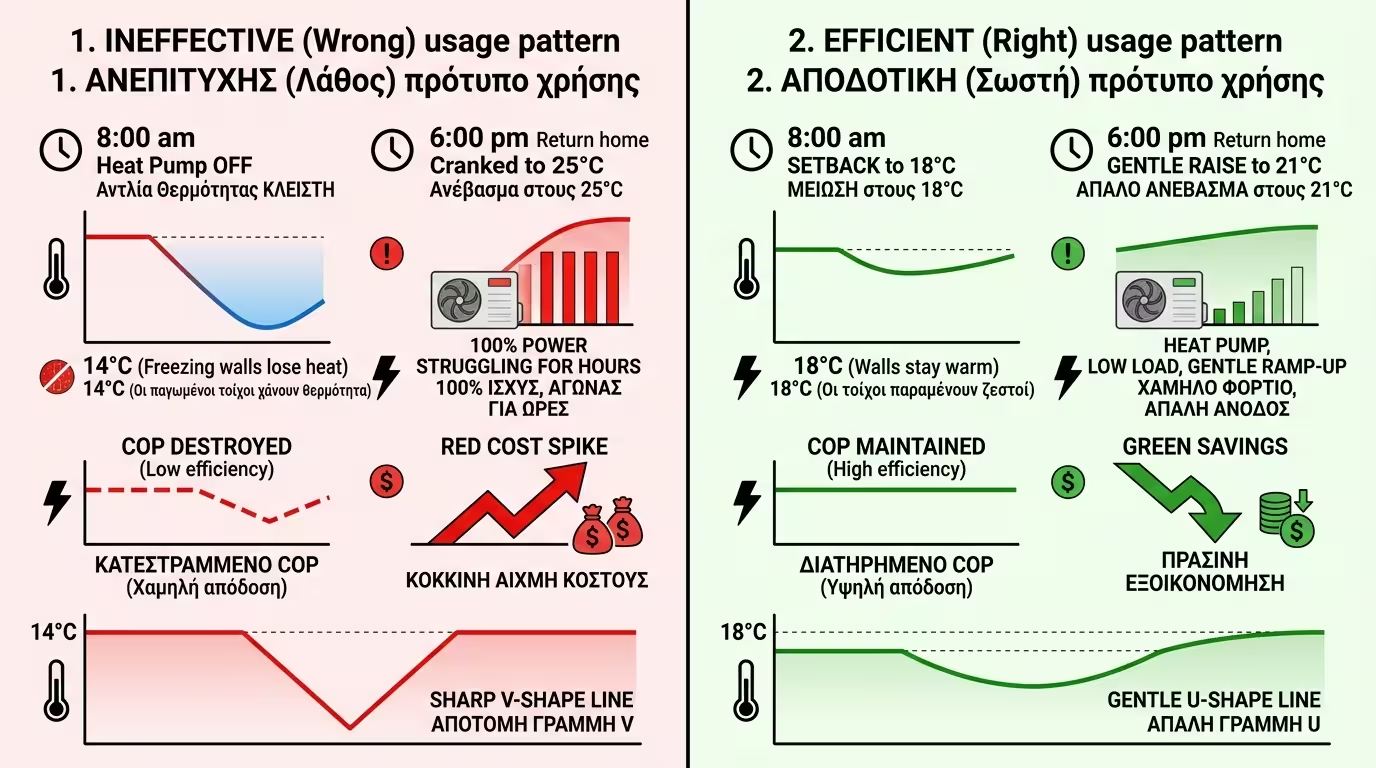
As we saw, heat pumps (inverter type) are marathon runners. They hate sudden bursts. When you demand the machine covers a huge temperature gap (from 14°C to 22°C) in one hour, you force it to run at 100% power, destroying its coefficient of performance (COP).
When you're away at work, don't turn the heating off. Simply lower the thermostat 2 to 3 degrees (e.g. to 18°C - this is called "night setback"). This way, the home and walls stay lukewarm, and when you return, the machine will need minimal, "relaxed" energy to bring it back to 21°C.
It's evening. You're sitting in the living room watching TV. The three bedrooms are empty. Why do you leave their doors open?
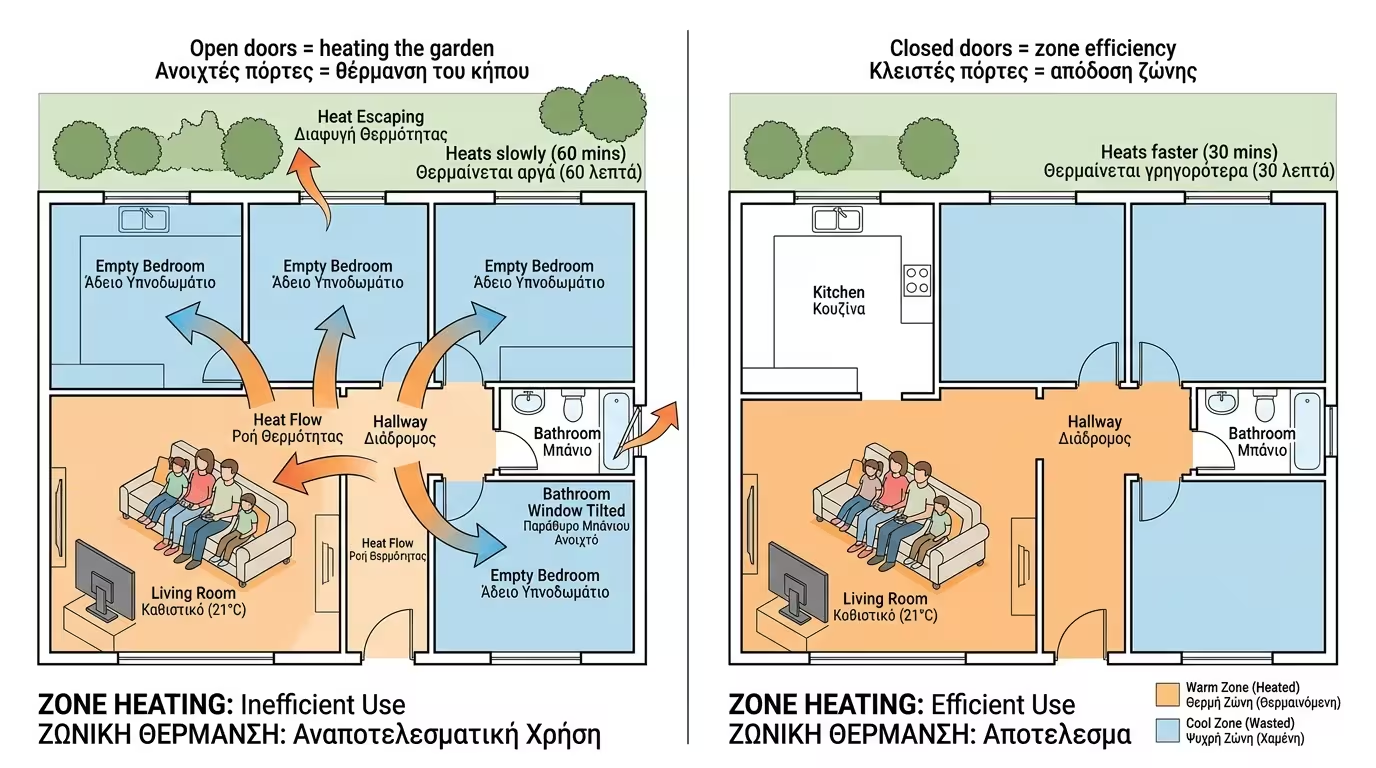
If you have a central thermostat in the living room, the heat travels throughout the house, trying to warm empty rooms. Even worse, if someone left the bathroom window tilted and the bathroom door is open, your living room is trying to heat… the garden!
Close the doors of rooms not in use. You reduce the total volume of air the system must heat, and your living room will warm up in half the time.
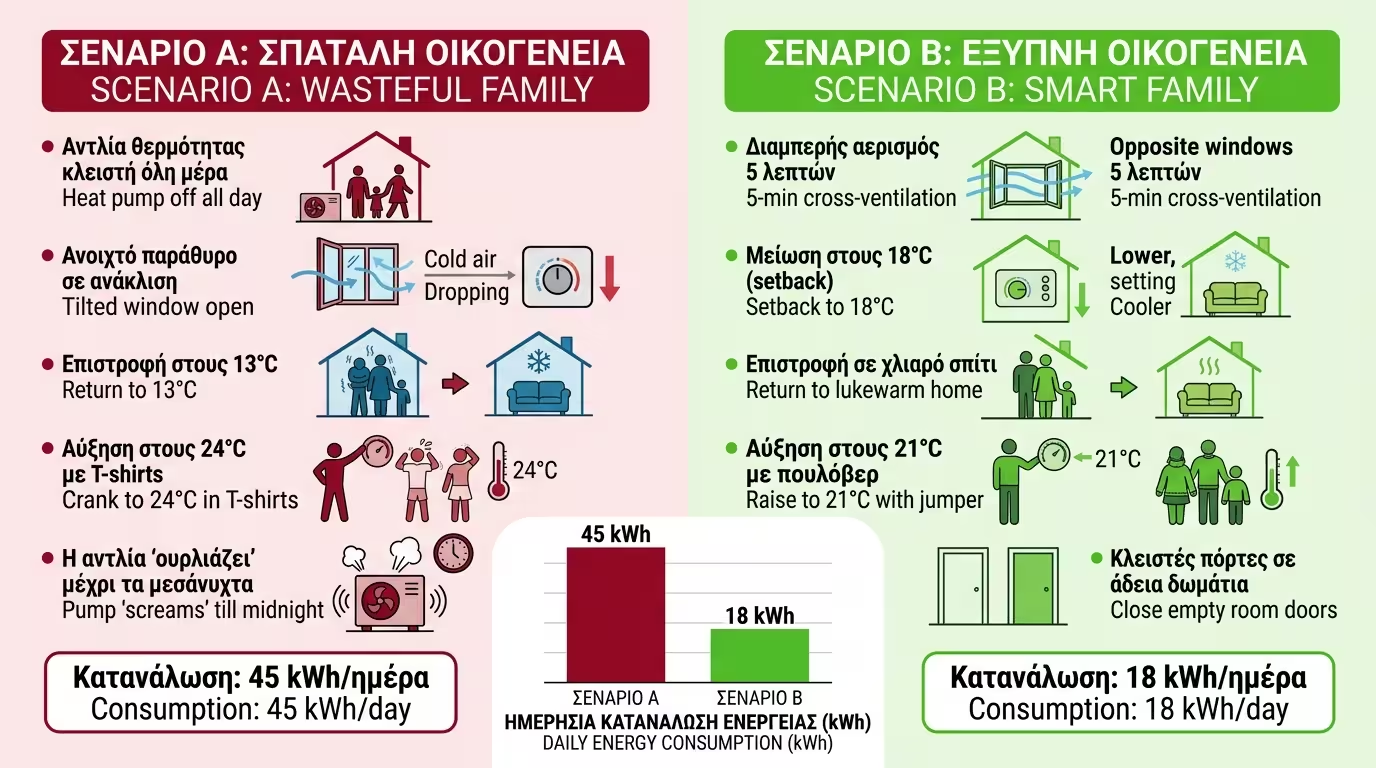
We have two identical apartments, A and B, with the same insulation. Outside it is 5°C.
They wake up, turn the pump off completely and leave a tilted window open to "air the house". They return at 17:00, the home is at 13°C and the walls are ice cold. They turn the pump on at 24°C and sit around in T-shirts. The machine screams until midnight to reach temperature. Daily consumption: 45 kWh.
They leave for work, do 5-minute cross-ventilation, close windows hermetically and lower the thermostat to 18°C. They return at 17:00. The home is lukewarm (18°C). They raise the thermostat to 21°C, put on a jumper and close the doors of empty rooms. In half an hour the living room is perfect, and the pump runs at idle. Daily consumption: 18 kWh.
The Final Conclusion: The building doesn't consume energy. People do! Before searching for the next expensive energy upgrade, make a free upgrade to your daily habits. The difference in the bill will leave you speechless.
Return to category.
Go to categoryReturn to the central guide.
Go to guide