🧱 Uninsulated Houses
Somewhere in the middle of the brick thickness, the temperature is so low that the vapour reaches the Dew Point. At that moment it turns into liquid water inside the brick.
Have you ever noticed a cold water bottle you just pulled from the fridge in summer? Within seconds, the outside surface is covered in drops. The bottle is not leaking. The warm room air touches the freezing plastic and its moisture instantly turns to water. This is the famous Dew Point.
Now imagine that exactly this phenomenon happens not on your table but inside the bricks of your wall. This is interstitial condensation, and if we do not manage it correctly, your wall will rot from the inside out.
In winter, the indoor air is warm (e.g. 22°C) and full of water vapour (from breathing, cooking, bathing). Outside the temperature is e.g. 2°C. As this warm air tries to escape outward through the wall, its temperature drops gradually.
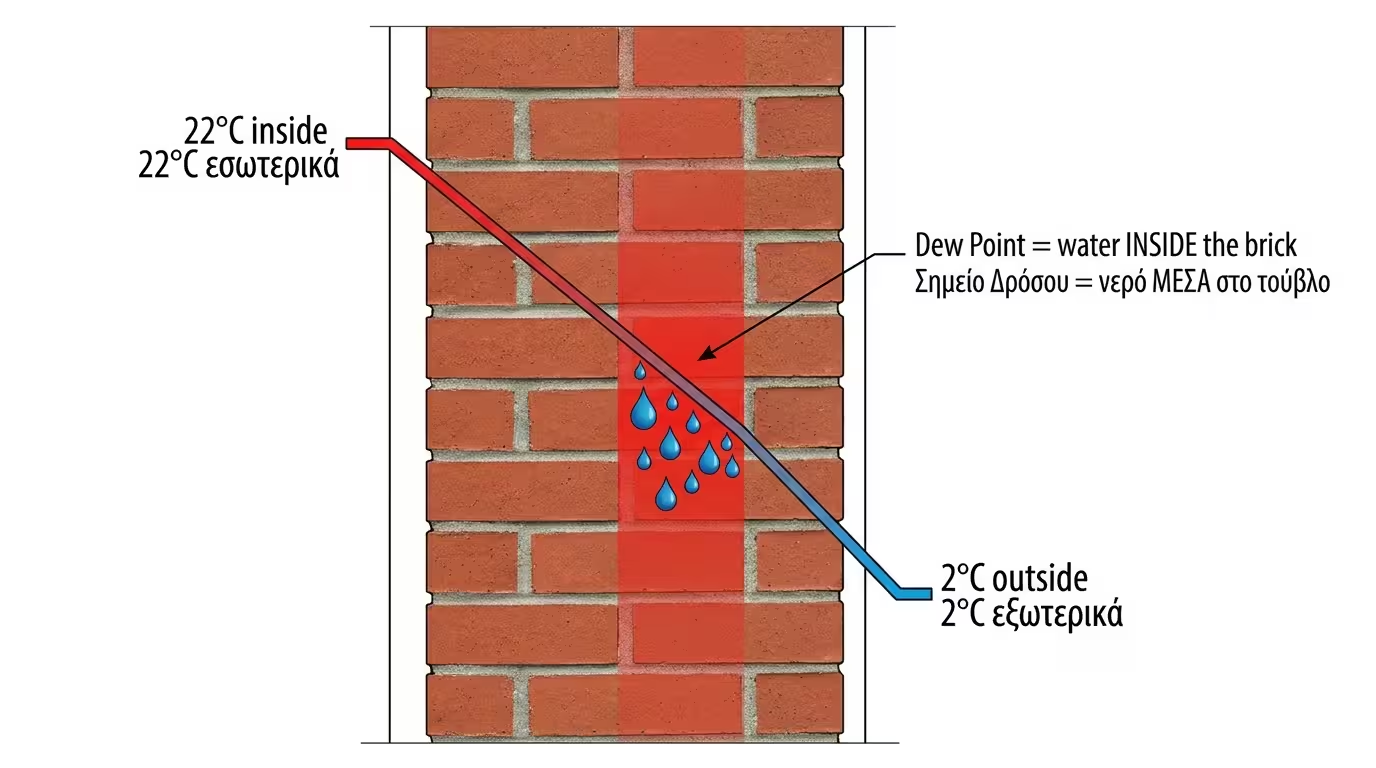
Somewhere in the middle of the brick thickness, the temperature is so low that the vapour reaches the Dew Point. At that moment it turns into liquid water inside the brick.
The brick becomes soaked. Its insulating ability is destroyed (a wet brick is a perfect conductor of cold) and over time the render starts blistering and salt crystals appear in your living room.
This is where external thermal insulation proves its absolute superiority over internal insulation (plasterboard).
When you place the insulation (EPS/mineral wool) externally, you dramatically change the wall's temperature profile. The brick and concrete no longer come in contact with cold air. The entire wall takes on the temperature of your living room (e.g. 20°C).
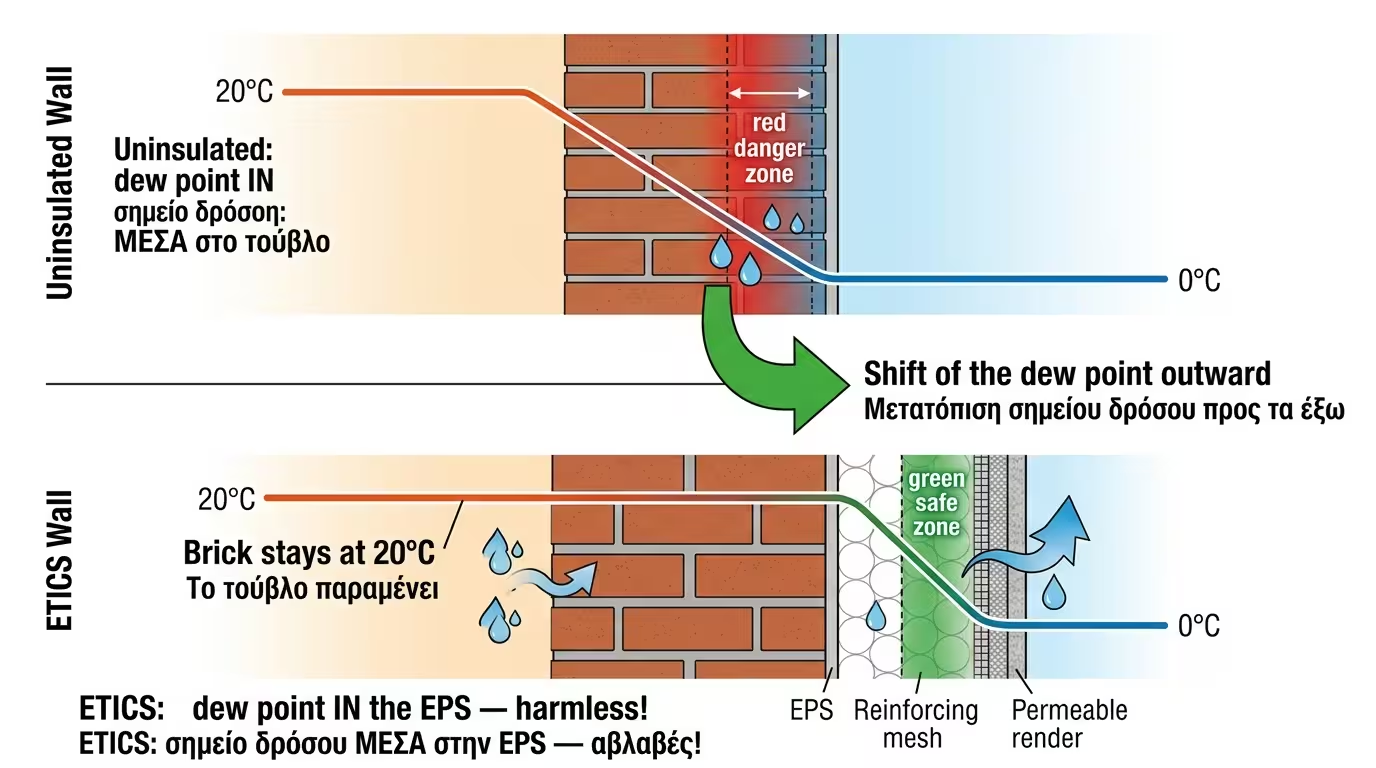
Because the wall is warm, the vapour travels through the brick without condensing. If condensation is to occur, it will happen after leaving the brick, deep inside the insulation board (EPS) or just under the render!
Modern ETICS materials and finishing renders are "vapour permeable". Whatever tiny moisture reaches there simply evaporates to the outside environment with the air and sun, causing absolutely no damage to the load-bearing structure!
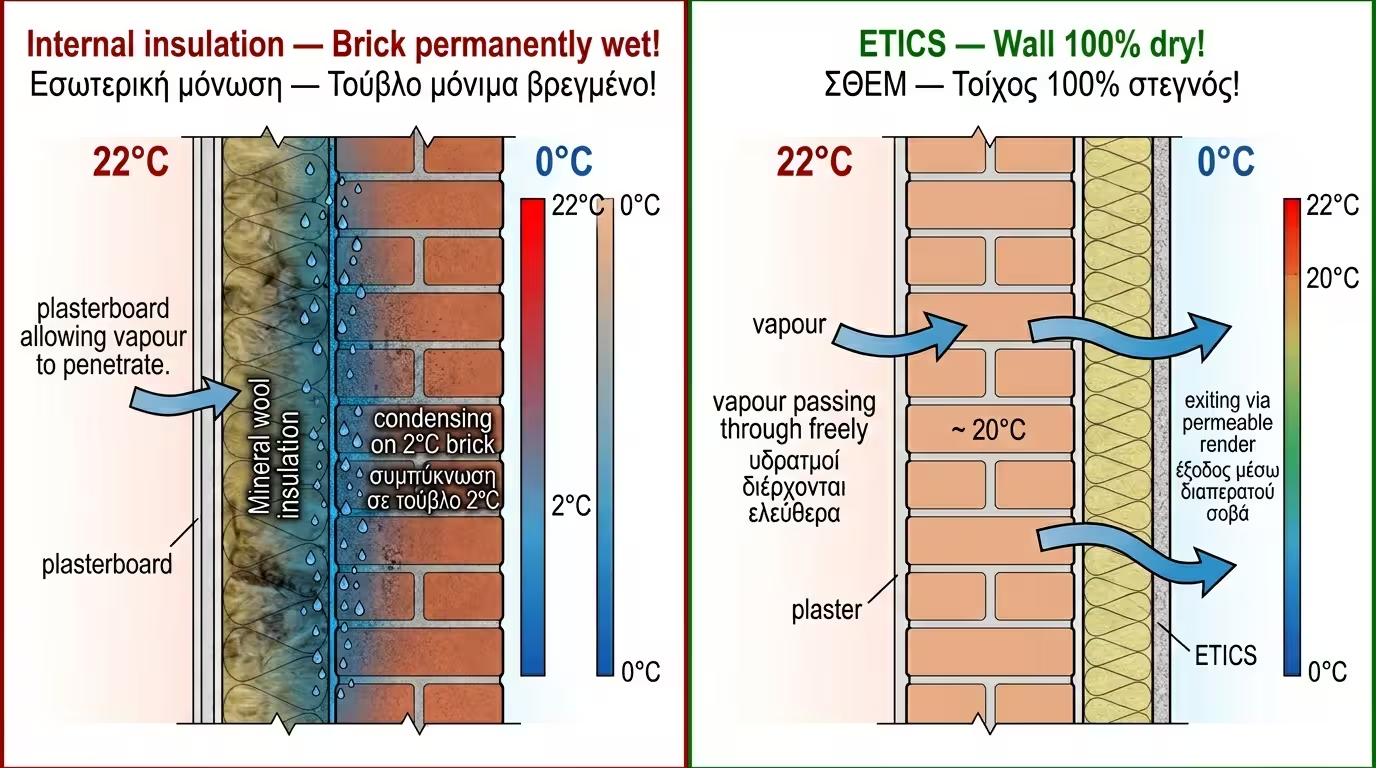
We examine the wall of our house on a freezing day with 0°C outside and 22°C inside.
We installed insulation from the inside. The vapour passes easily through the plasterboard. When it meets the freezing outer brick (at 2°C), it condenses immediately. The mineral wool soaks up the water and the brick stays permanently wet all winter.
The system is installed on the outside. The brick is now "inside" the house at 20°C. The vapour passes through the brick completely undisturbed. It reaches the EPS, continues its journey, and exits to the atmosphere through the vapour-permeable acrylic render. Our wall is 100% dry.
The Final Conclusion: The thermal facade does not simply keep the cold away. It is the "thermostat" that protects the very building materials of your house from "sweating" and rotting. By placing insulation on the outside, you push the moisture problem out of your home!
Return to category.
Go to categoryReturn to the central guide.
Go to guide