🔊 Neighbour's Wall
His TV was playing at 75 dB. The single brick wall cut 42 dB. 33 dB reached our bed. We could clearly hear the actors' dialogue.
Soundproofing is not magic - it is applied physics. When we started the renovation of the 16-square-metre room (the 4×4), the goal was not to create a dead chamber where we would hear our own heartbeat (that would drive us mad anyway). The goal was to push external noise below the annoyance threshold, so our brain could relax and sleep.
Let us lay out the numbers to see whether our investment paid off.
Before we started any work, we placed the sound meter on the bed at 11 pm. The readings were nightmarish:
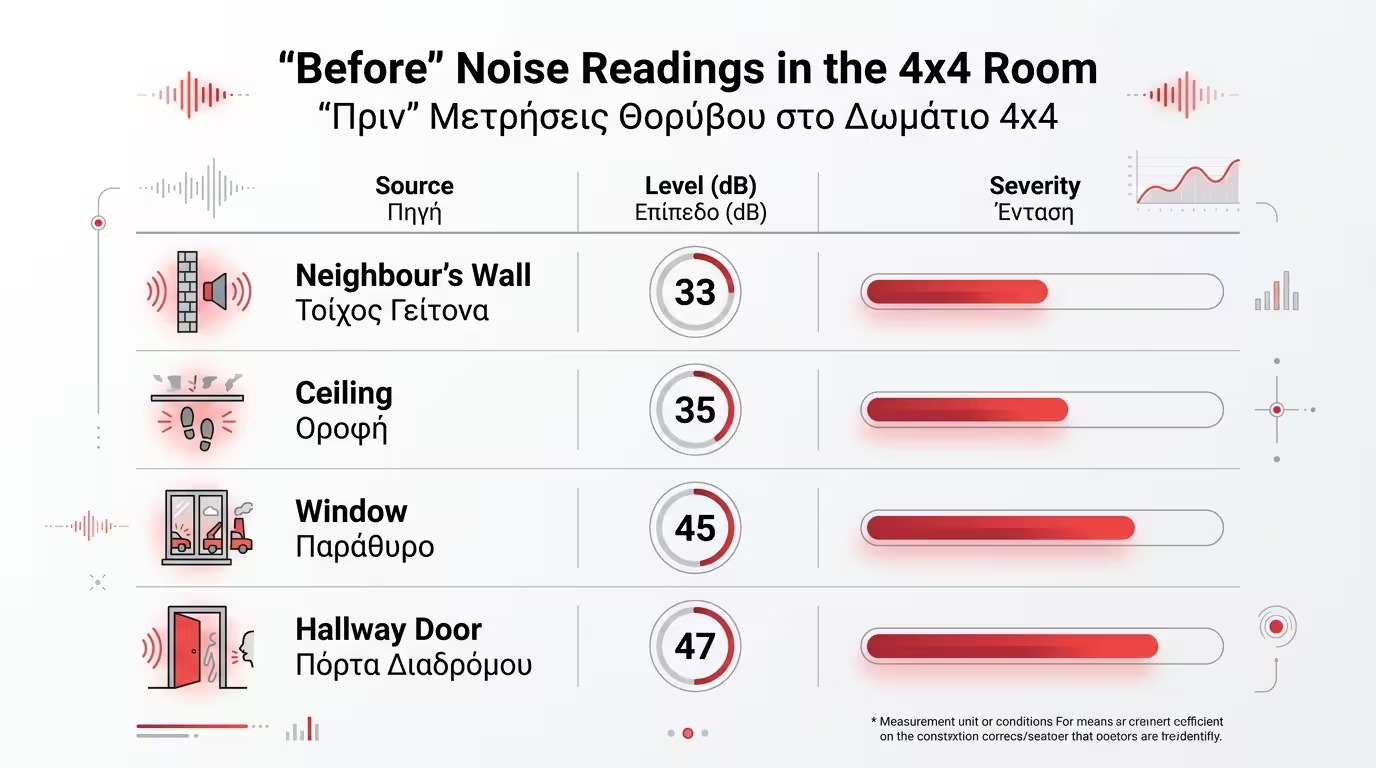
His TV was playing at 75 dB. The single brick wall cut 42 dB. 33 dB reached our bed. We could clearly hear the actors' dialogue.
The upstairs neighbour walked and talked loudly. 35 dB reached our bed.
The road outside "roared" at 75 dB. The old aluminium frame cut 30 dB. 45 dB reached our bed (a level that causes stress and sleep interruptions).
The flatmate was on the phone in the living room (65 dB). The hollow door with a gap let 47 dB into our room.
Overall experience (Before): Sleep was impossible without earplugs. The room offered zero privacy and zero tranquillity.
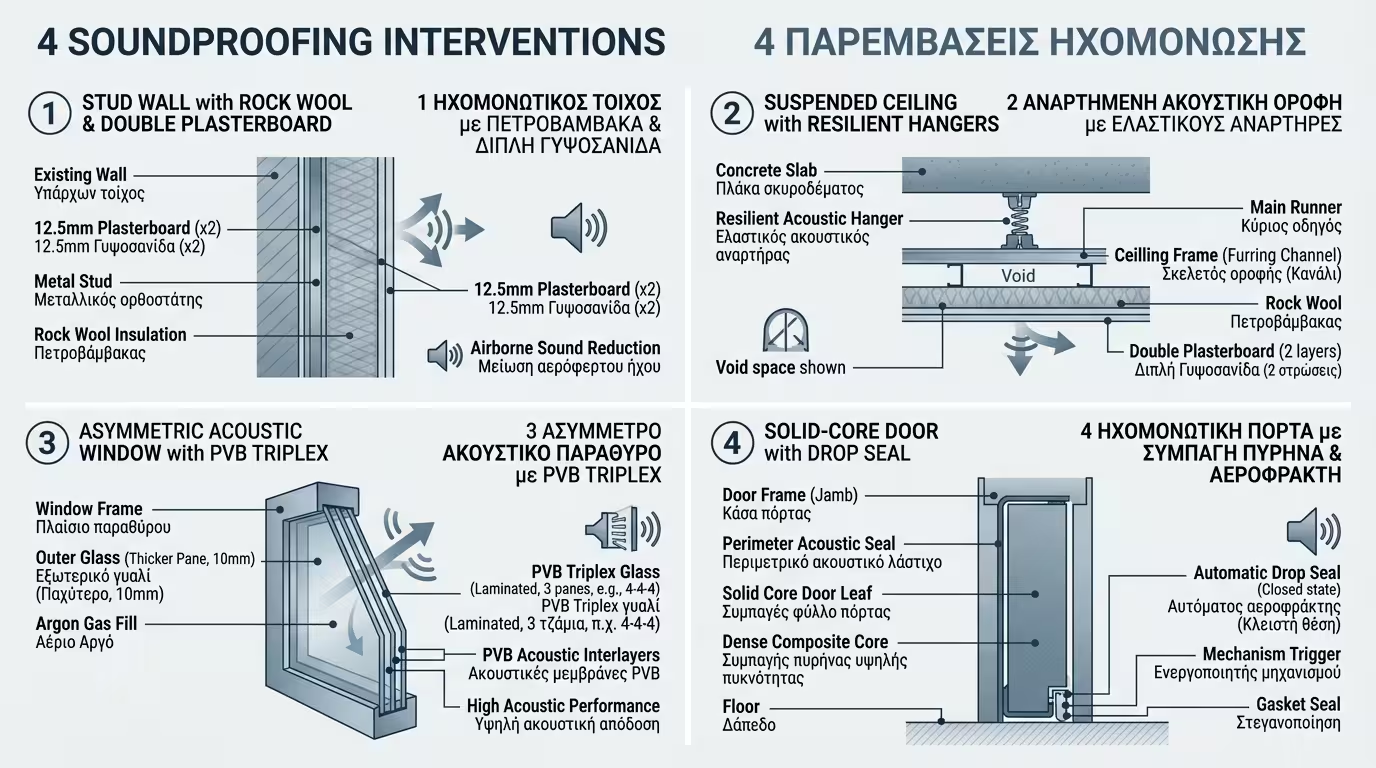
We strictly applied the rules of acoustics (Mass + Decoupling + Sealing):
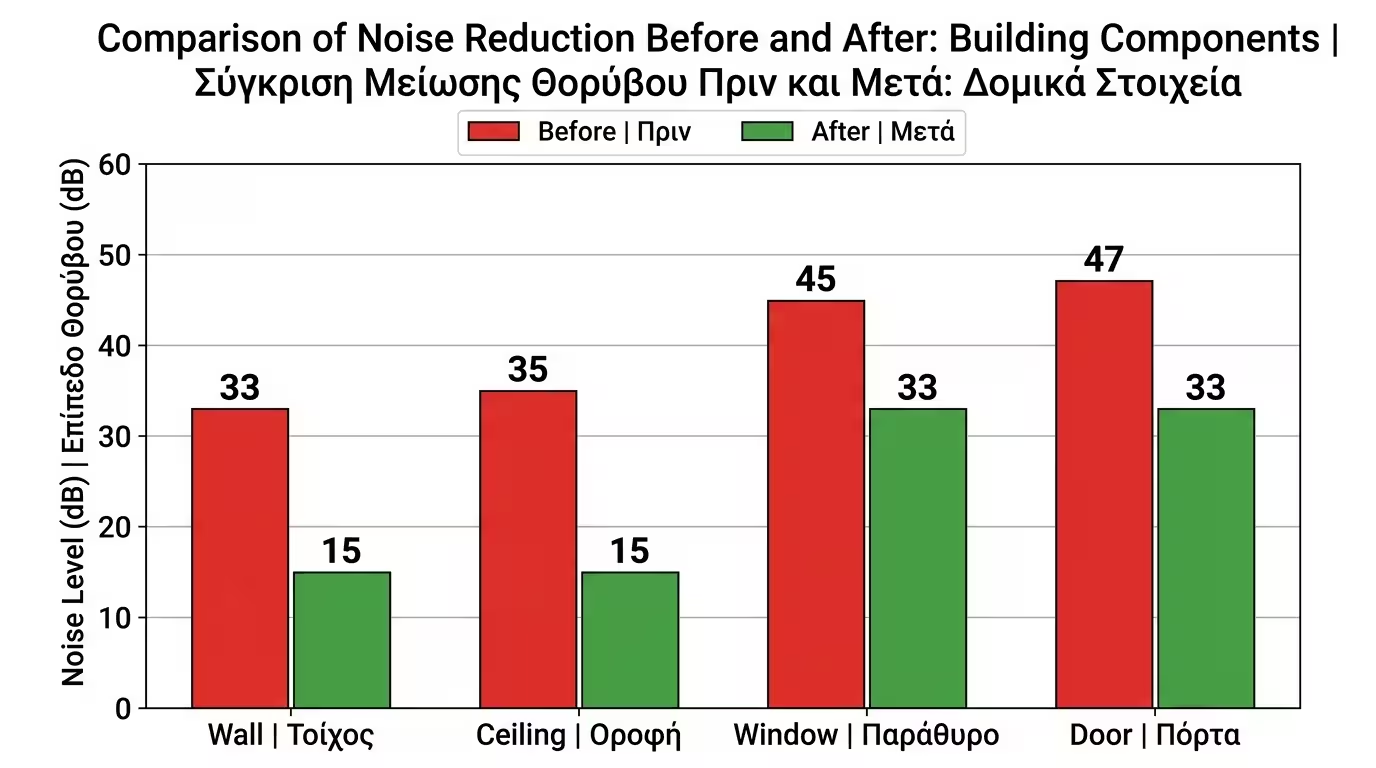
Let us look at the final results table, measuring again at exactly the same time, with the same noise sources at full blast:
Original intensity 75 dB → Reduction ~60 dB (Wall + Stud wall) → Final noise: 15 dB (Absolute silence, nothing audible).
Original intensity ~70 dB → Reduction ~55 dB (Slab + Suspended ceiling) → Final noise: 15 dB (Zero annoying speech).
Original intensity 75 dB → Reduction 42 dB (With Ctr emphasis) → Final noise: 33 dB (Distant, unintelligible hum).
Original intensity 65 dB → Reduction 32 dB (Solid core + Drop seal) → Final noise: 33 dB (As if whispering from afar).
Looking at the numbers, you might say: "OK, we dropped the window from 45 dB to 33 dB. Big deal - just 12 dB!".
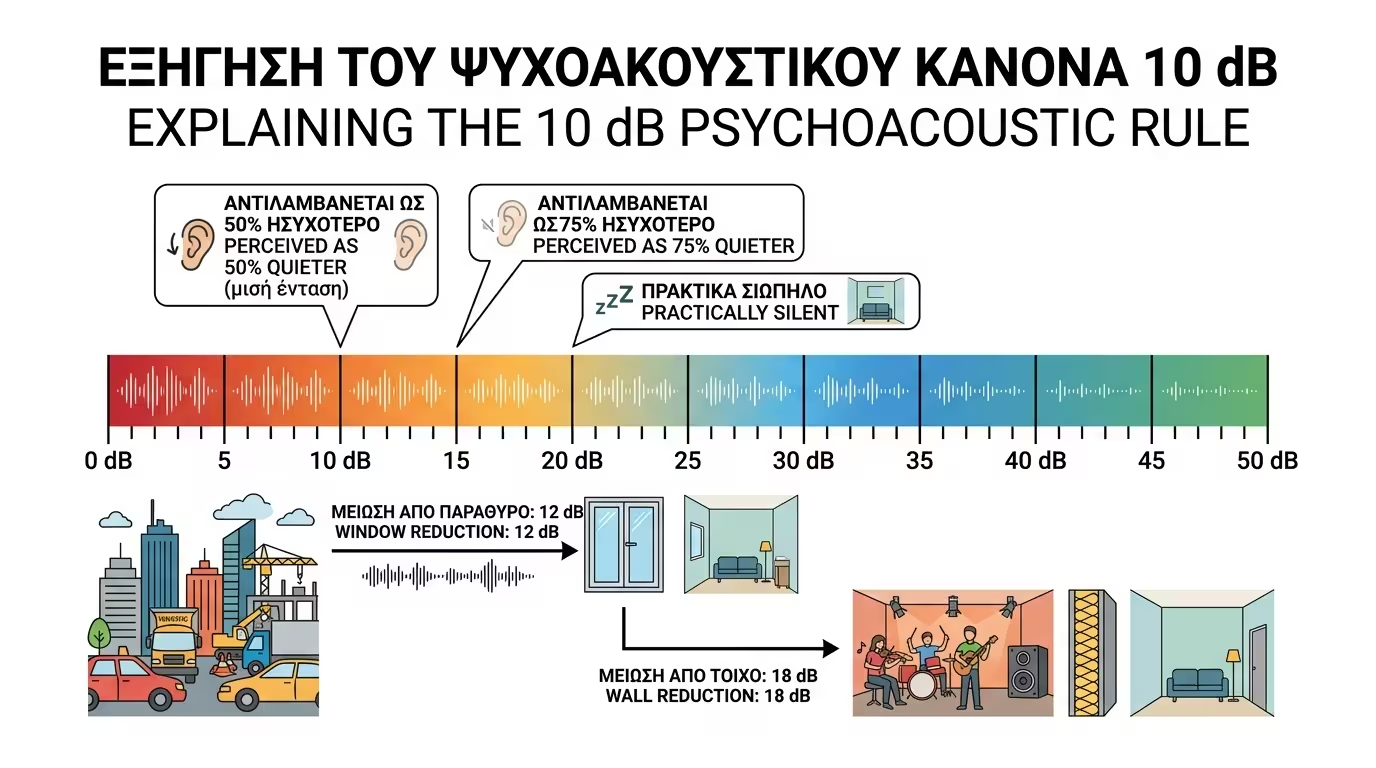
This is where we need to remember the 10 dB Rule from our very first article. To the human brain, a 10 dB reduction means noise sounds half as loud.
Therefore, the 12 dB reduction at the window means we hear traffic less than half as loud! The 15-20 dB reduction at the neighbour's wall means his TV sounds 75% quieter (practically vanished).
Our room now has an average background noise level of about 25-30 dB. At this level, the brain stops "chasing" sounds and enters a phase of deep relaxation.
The Final Conclusion: Soundproofing costs money, "steals" centimetres from your space and demands surgical precision from the workers. But the result is not measured merely in decibels. It is measured in hours of uninterrupted sleep, in reduced cortisol (stress) and in the return of privacy inside your own home. Worth every euro!
Return to category.
Go to categoryReturn to the central guide.
Go to guide