🌡️ The Thermostat
It assumes the winter thermostat is nailed exactly at 20°C. But you might feel cold and set it to 22°C or 23°C so you can walk around in a T-shirt. Each degree above 20°C adds 7% to 10% to your consumption!
Imagine you buy a brand-new car. The manufacturer's brochure boldly states: "Consumption 5 litres / 100 km". You buy it, drive it in city traffic, accelerate hard at traffic lights, keep the A/C running permanently, and suddenly see it burns 8 litres / 100 km! The car is not broken. The factory measurement was simply done under "ideal laboratory conditions".
Exactly the same happens with buildings. Energy simulation software calculates theoretical consumption based on 3 major assumptions, which in real life almost never hold absolutely true.
The engineer's software assumes that inside the home lives a… disciplined robot (Standardised User).
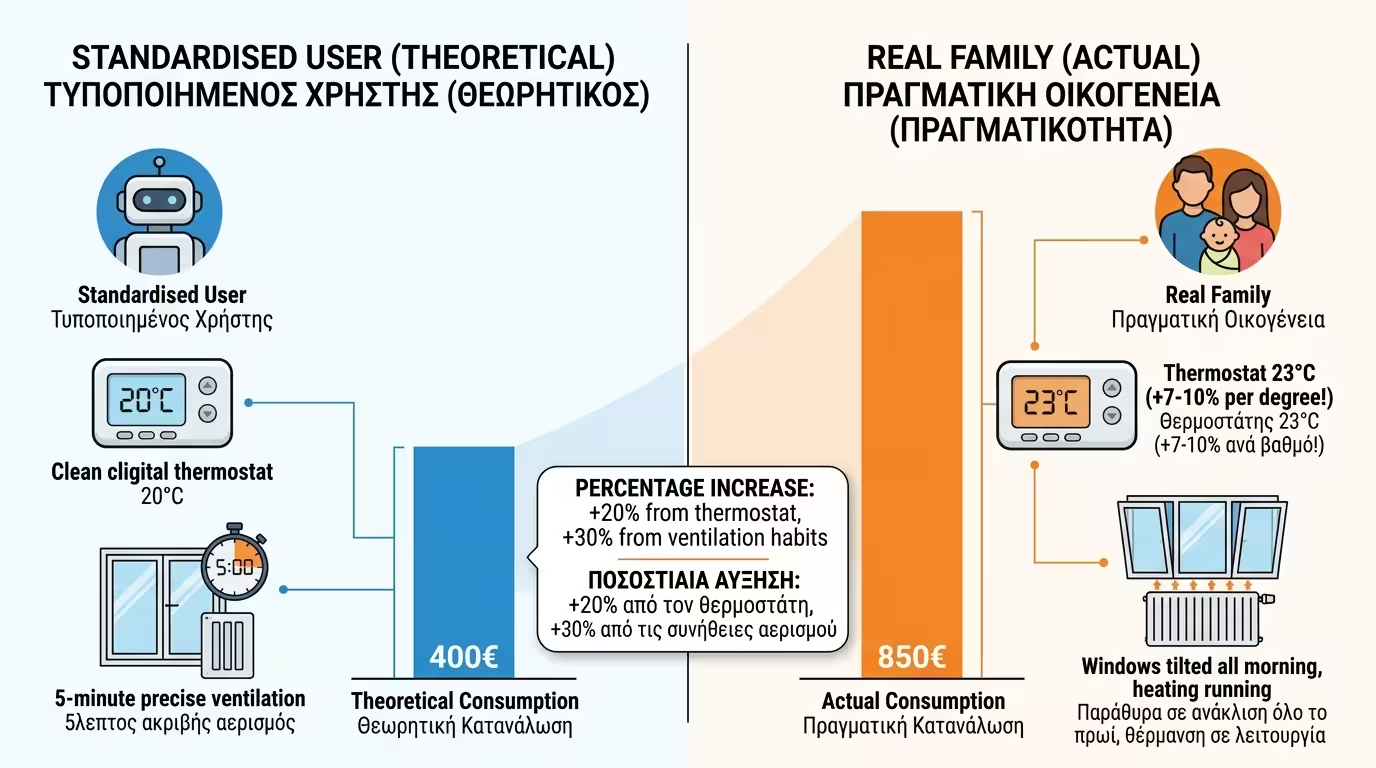
It assumes the winter thermostat is nailed exactly at 20°C. But you might feel cold and set it to 22°C or 23°C so you can walk around in a T-shirt. Each degree above 20°C adds 7% to 10% to your consumption!
The software assumes you open windows for ventilation with perfect logic. In practice, you might leave the balcony door half-open for the dog, or tilt the windows all morning while the heating is running.
As we saw in the previous article about Heating Degree Days (HDD), the software uses the "average" climate of the past 20-30 years for your area.
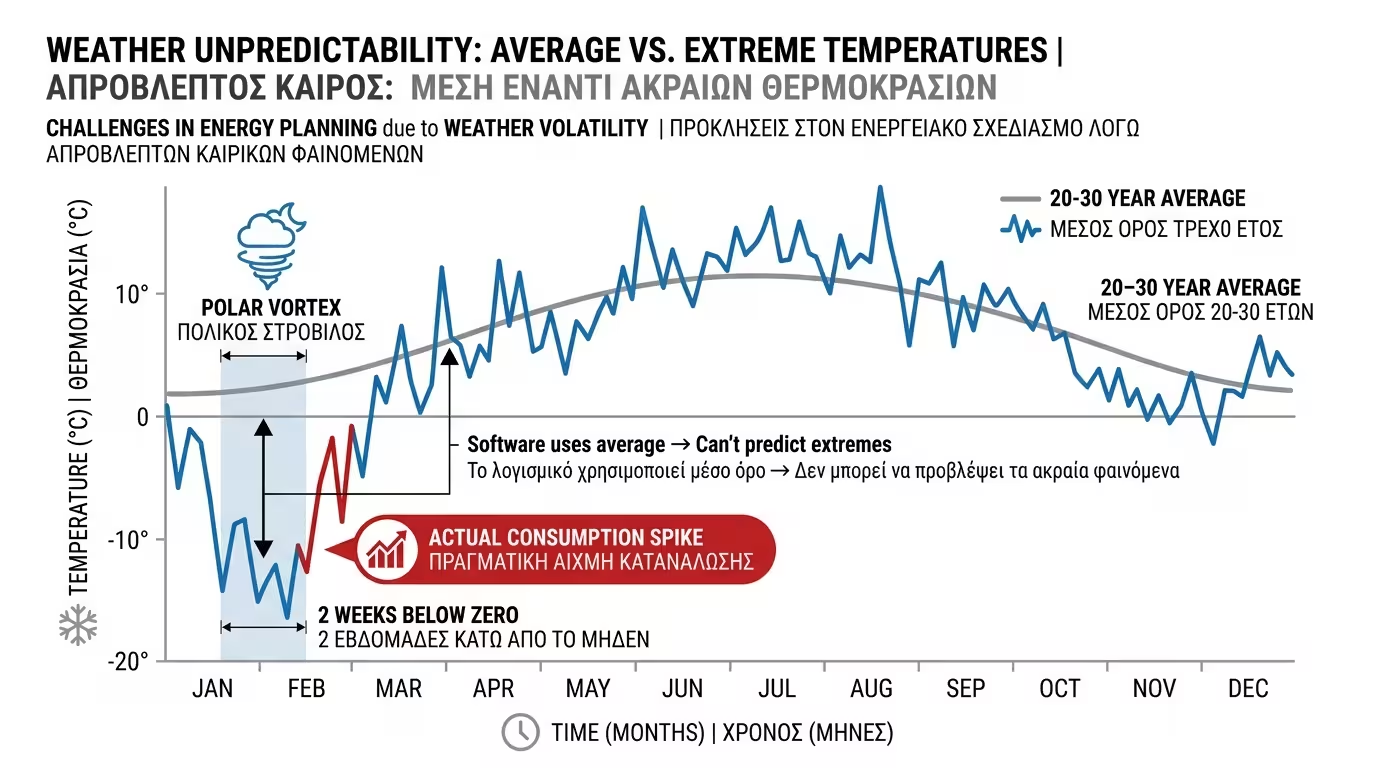
This year might not be "average" at all. A polar blast in January could keep temperatures below zero for two straight weeks. The software could not predict this specific year's extreme weather, which will obviously send actual consumption soaring.
On his computer screen, the engineer designs 10 cm of insulation that perfectly wraps the building with no holes (U-value 0.30).
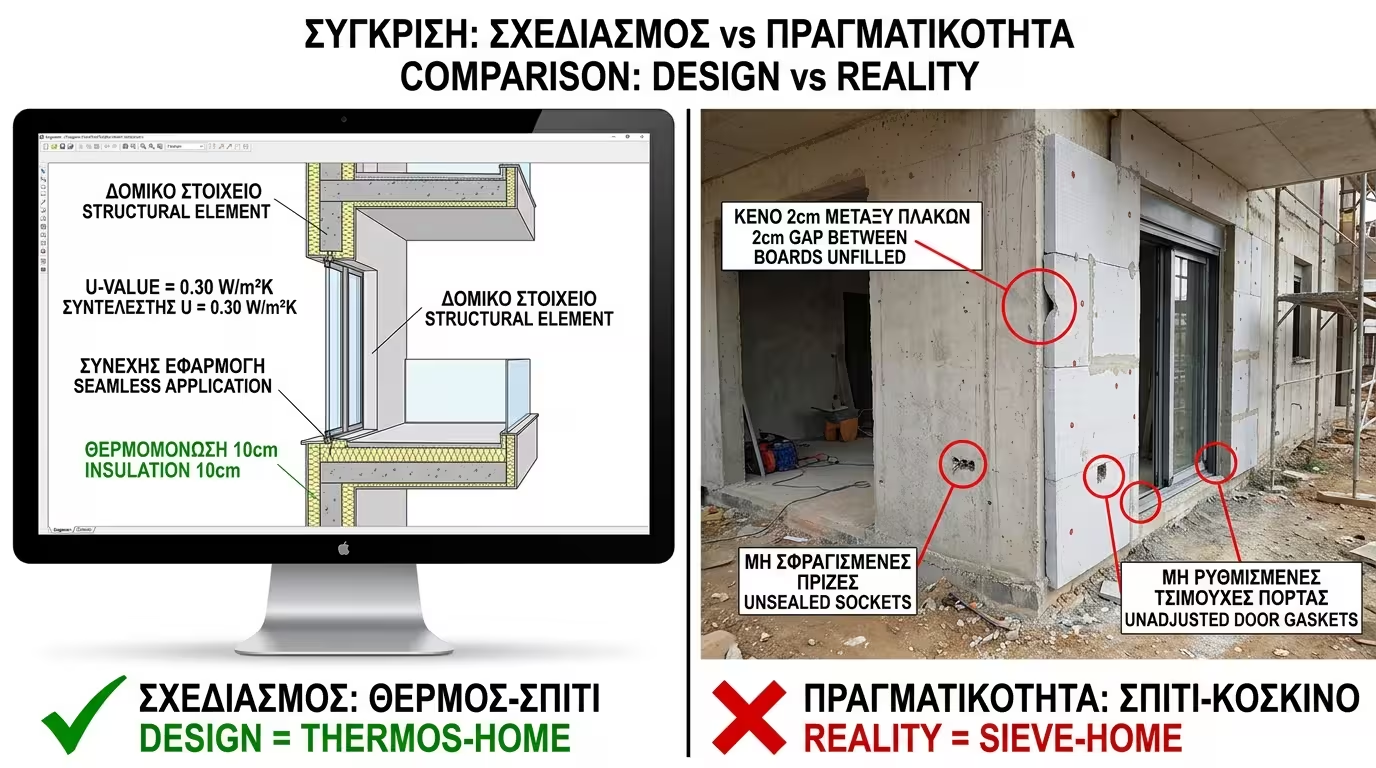
On site, the tradesman may not have glued the boards properly, left 2 cm gaps, didn't seal the sockets with silicone, and the window fitter left the balcony door gaskets unadjusted. The software calculated a thermos-home, but reality produced a sieve-home!
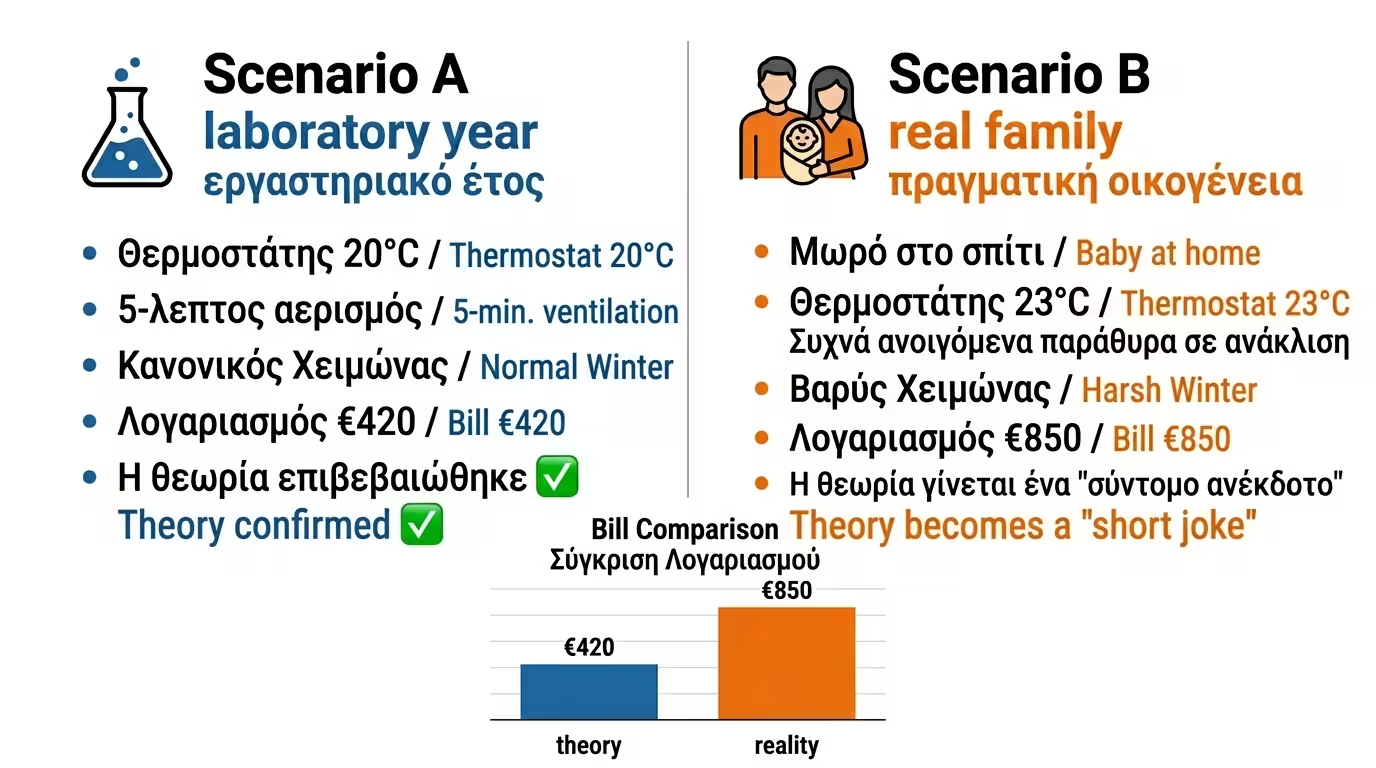
We have the theoretical study in hand. It promises a heating cost of €400 per year using a heat pump.
We set the thermostat strictly to 20°C. We ventilate strictly 5 minutes per day. The winter is perfectly normal. At year's end, the bill comes to… €420. Theory confirmed with minimal deviation!
We have a baby at home. The thermostat is permanently at 23°C. We frequently leave windows tilted to keep the air fresh. It has been a "heavy" winter. At year's end, the bill comes to… €850. The theoretical study now reads like a short joke. The pump worked perfectly, the home is insulated, but our "driving" (usage) was aggressive.
The Final Conclusion: The Energy Performance Certificate (EPC) and theoretical studies are excellent tools for comparing two homes against each other (e.g. "Home A is better than Home B"). However, the final bill in euros depends not only on how well the contractor built the house, but mainly on how you live inside it.
Return to category.
Go to categoryReturn to the central guide.
Go to guide