🔬 The Physics
It is called "positive" because the water coming from the soil pushes the waterproofing onto the wall. This pressure actually helps the material bond even more firmly to the concrete!
If you ask a structural engineer which part of a building is the hardest to waterproof, they won't say the roof. They'll say the basement.
The basement is permanently buried in wet soil. In winter, the water table rises and water surrounds the foundations, exerting relentless hydrostatic pressure on the concrete. To keep the basement dry, we have two battle strategies: stop the water before it enters the wall (Positive Waterproofing) or stop it after it has entered the wall (Negative Waterproofing). Let's see the differences and when each is the only option.
Positive waterproofing is applied on the external side of the basement - exactly where the concrete meets the soil and water.
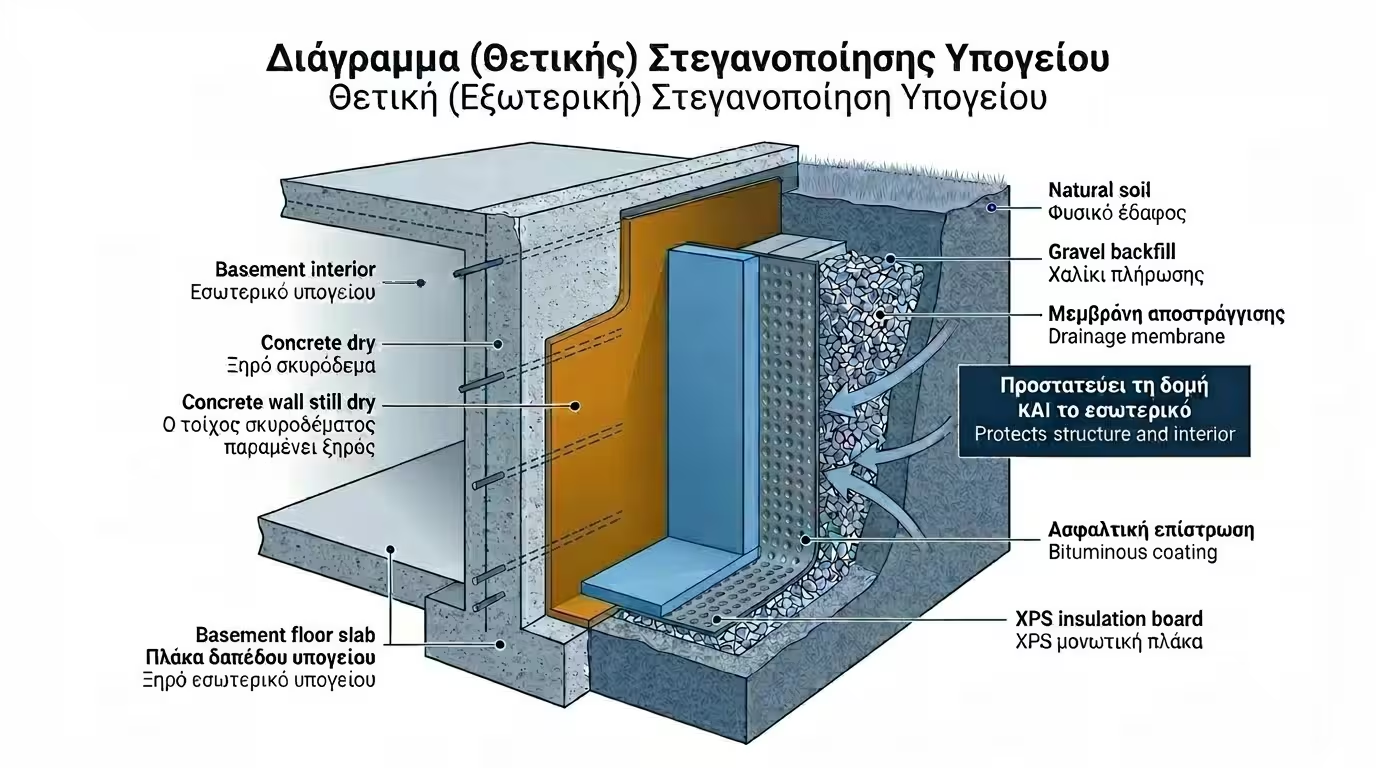
It is called "positive" because the water coming from the soil pushes the waterproofing onto the wall. This pressure actually helps the material bond even more firmly to the concrete!
It is the "Golden Rule" and is applied always during new construction (before the crew backfills around the foundations). It can also be applied to existing buildings if there is the space and budget to excavate, expose the basement wall externally, waterproof it and backfill again.
It protects not only the interior of your basement (your furniture), but also the structural frame itself (the concrete and reinforcing steel). Since water is stopped at the external "armour", the wall stays dry and the reinforcement never corrodes.
Negative waterproofing is applied on the internal side of the basement (i.e. inside the room or car park).
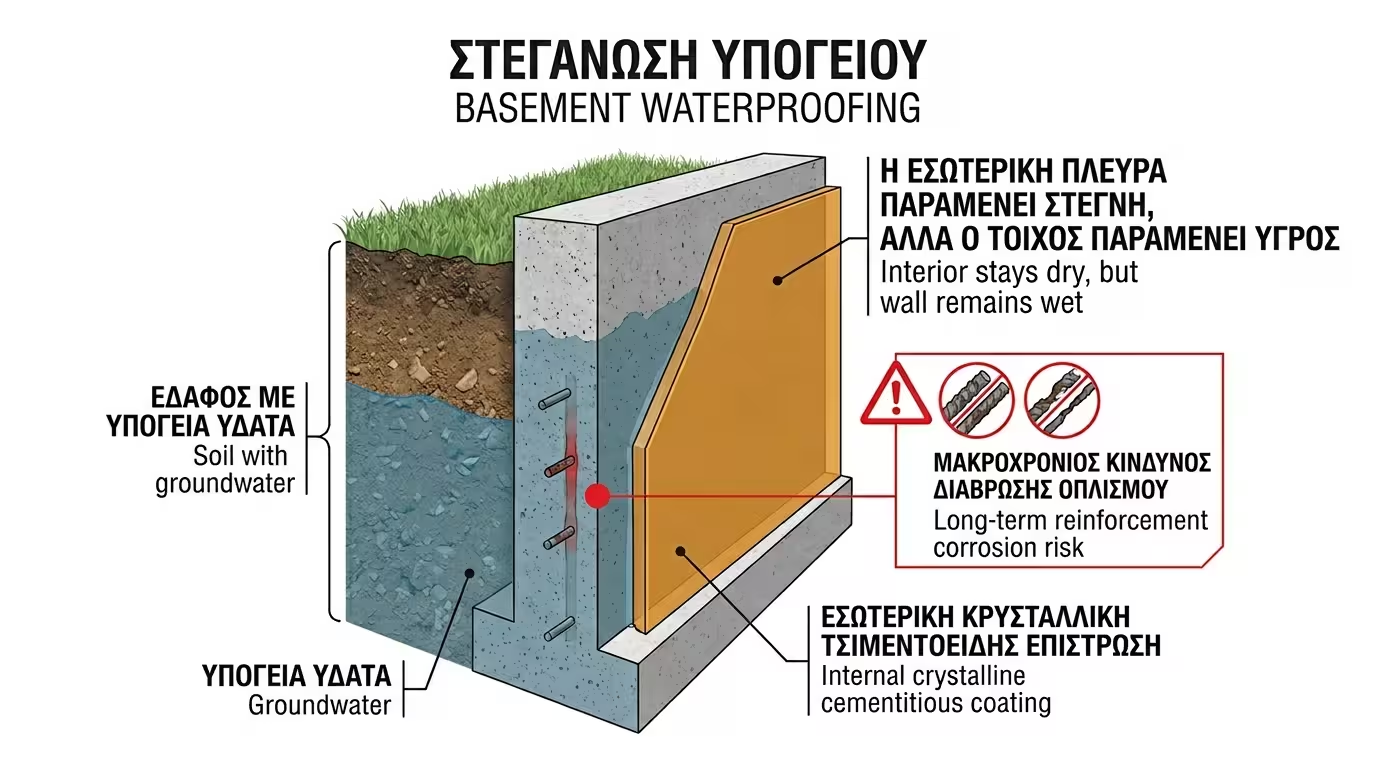
It is called "negative" because the water comes from outside, passes through the wall and pushes the waterproofing trying to detach it from the wall and throw it into the room. For this reason, ordinary paints and bitumen sheets are forbidden here; ultra-strong crystalline cementitious coatings that become "one body" with the wall are required.
It is the only option when we cannot dig externally. Examples: city-centre buildings where the basement wall abuts the pavement or the adjacent building, deep lift pits (impossible to excavate externally), or when the excavation cost of an old building is prohibitive.
While the interior of your room will stay dry, the wall itself (the concrete) will be permanently saturated with water. Over many decades, this may cause corrosion of the reinforcement (steel bars).
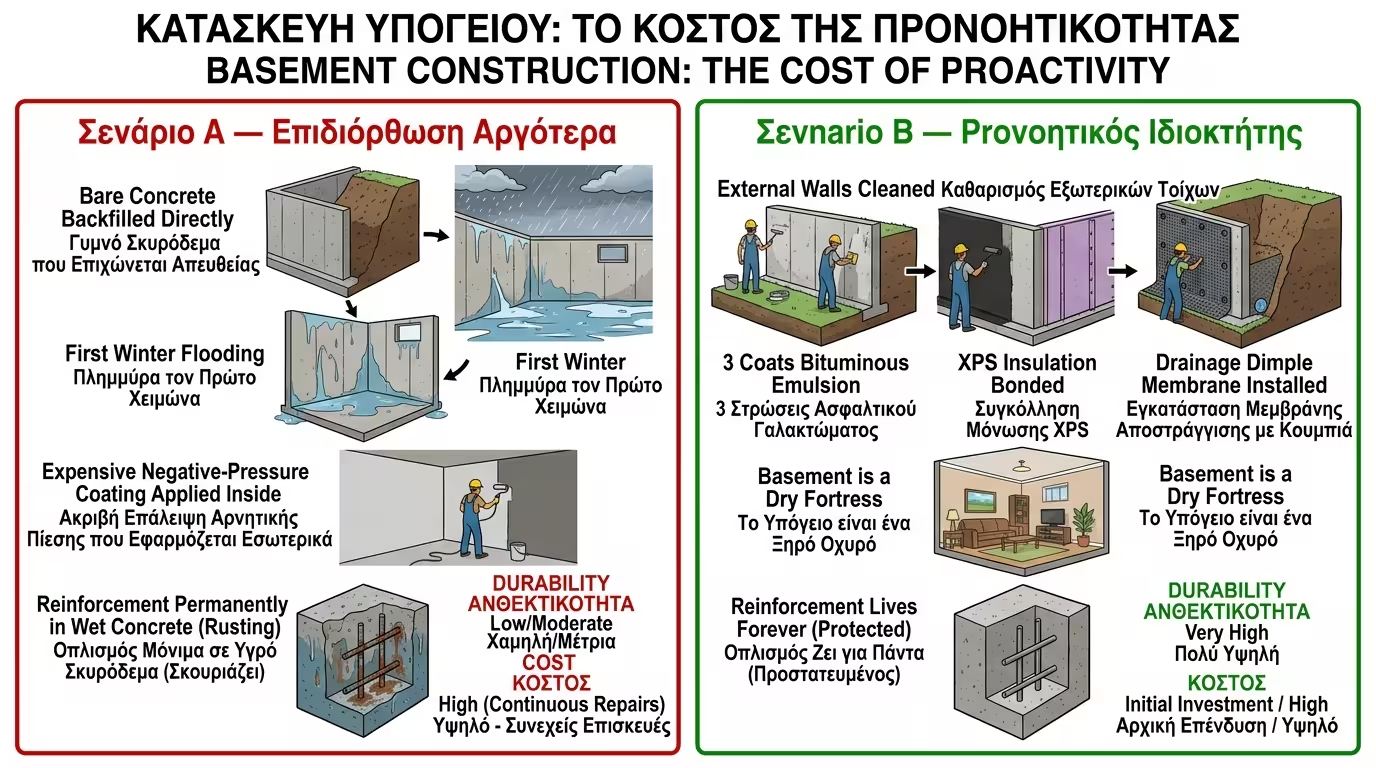
Our digital house acquires a large basement (playroom). We are in the construction phase and the concrete has just been stripped of formwork.
The contractor is in a hurry and says: "Let's backfill and if it shows damp we'll fix it from inside." He dumps soil directly onto bare concrete. The first winter the basement floods. Now we must apply expensive negative-pressure cementitious coatings from inside (Negative Waterproofing). The room is saved, but the reinforcement inside the wall will be in wet concrete forever.
Before backfilling, we clean the external walls. We apply 3 thick coats of bituminous emulsion, bond extruded polystyrene (for thermal insulation) and install the special drainage membrane with "dimples". Only then do we backfill! We have applied the ultimate Positive Waterproofing. Our basement is a dry "fortress" and the building's reinforcement will live forever.
Final Verdict: Positive Waterproofing is always your priority. If you have external access, don't even think about it: waterproof before you backfill! If, however, you bought an old building and external excavation is impossible, Negative Waterproofing (with the right cementitious materials) is your only lifeline.
Return to category.
Go to categoryReturn to the central guide.
Go to guide