🟢 Light (Non-Walkable)
You don't plan to go up (except for repairs). Solution: A quartz dust coating or a final white aliphatic topcoat over the polyurethane is enough. Protects from UV, pollutants and light walking during maintenance.
You've just installed a brand-new, perfect waterproofing on your roof. A smooth, brilliant-white membrane or a shiny polyurethane coating gleaming in the sun. Now comes a vital practical question: Can I walk on it? Can I set up a barbecue? Place tables? Build a Roof Garden?
If the waterproofing is the "last line" of defence against water, then Walkability Protection is the armour that keeps that defence alive. Without it, a stroll on the roof or a scuffed shoe could puncture your membrane - and goodbye waterproofing!
Before deciding how to protect your membrane, first ask yourself: What am I going to do up there?
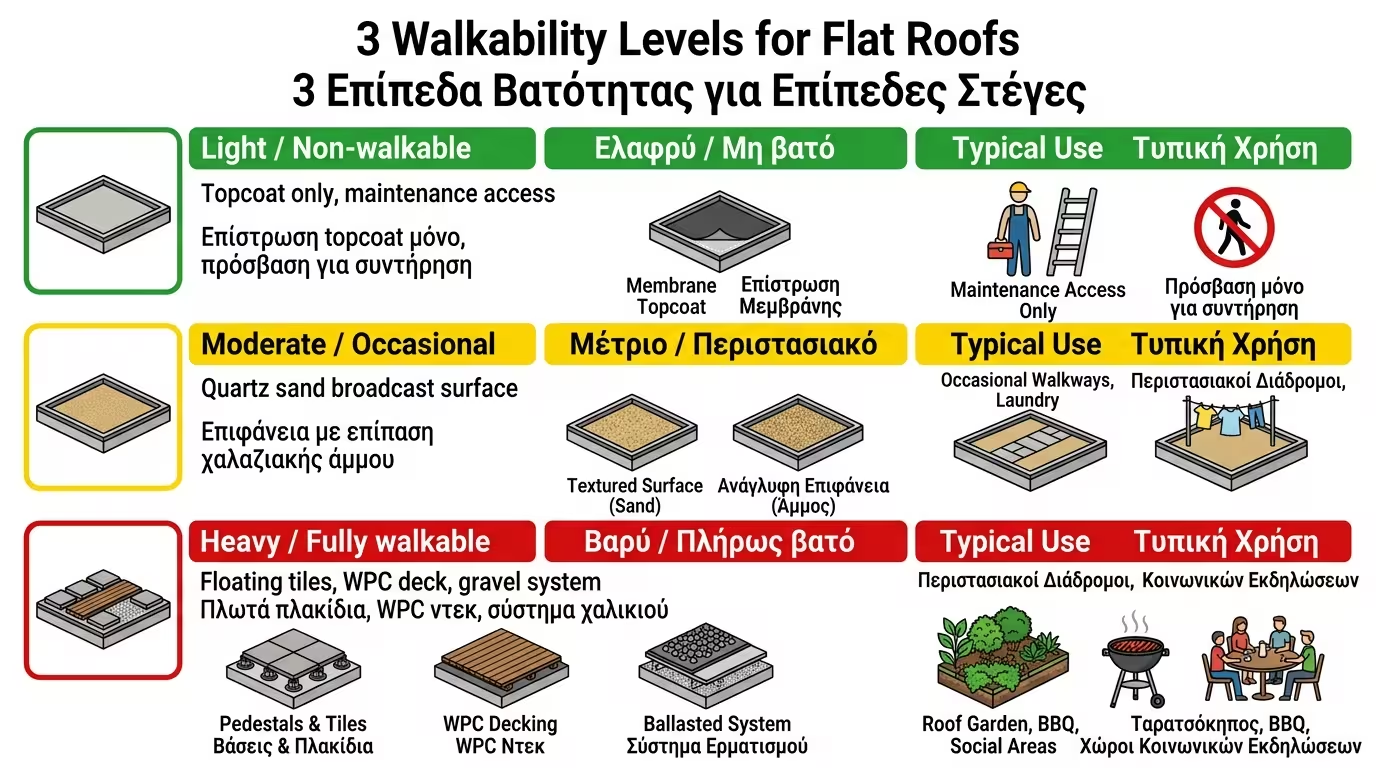
You don't plan to go up (except for repairs). Solution: A quartz dust coating or a final white aliphatic topcoat over the polyurethane is enough. Protects from UV, pollutants and light walking during maintenance.
Hanging laundry, watering plants, going up now and then. Solution: Quartz sand broadcast onto the wet polyurethane, creating a "rough", non-slip surface.
Barbecue, dining tables, children's play area, Roof Garden or even parking. Solution: A serious "armour" system over the waterproofing (floating tiles, WPC deck, pedestals or gravel).
This is the classic, economical "medium armour" method. As soon as you spread the final polyurethane coat, while it's still wet (tacky), you scatter coarse quartz sand generously over the surface.
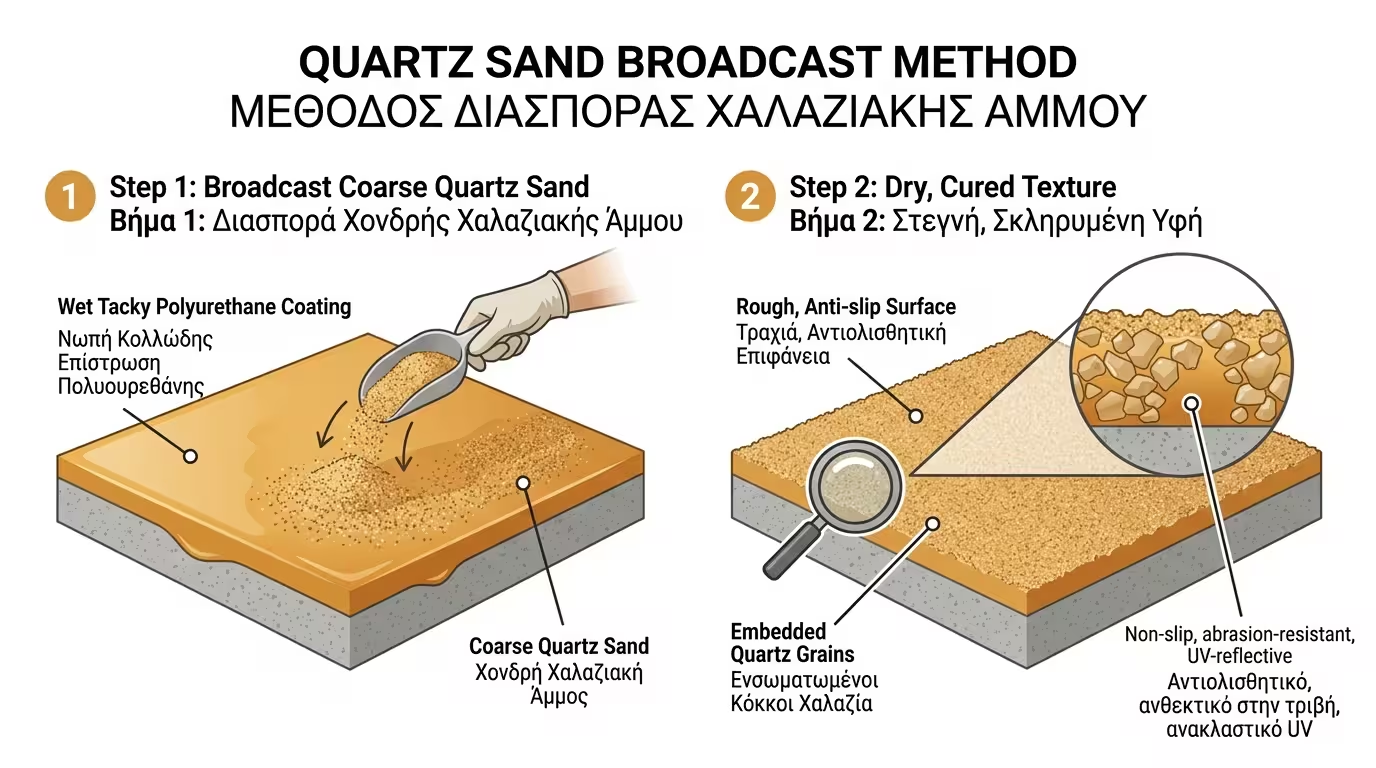
The polyurethane dries "hugging" the sand grains. The surface becomes something like coarse sandpaper: non-slip, abrasion-resistant (a scuffed shoe won't scratch the membrane easily anymore) and UV-resistant (the sand reflects some solar radiation).
Quartz sand doesn't replace full mechanical protection. If you step with a metal ladder or drop something heavy, you can still puncture the membrane!
If the roof will become a full living space, the membrane needs "heavy armour". The most advanced solution is Floating (Raised) Tiles.
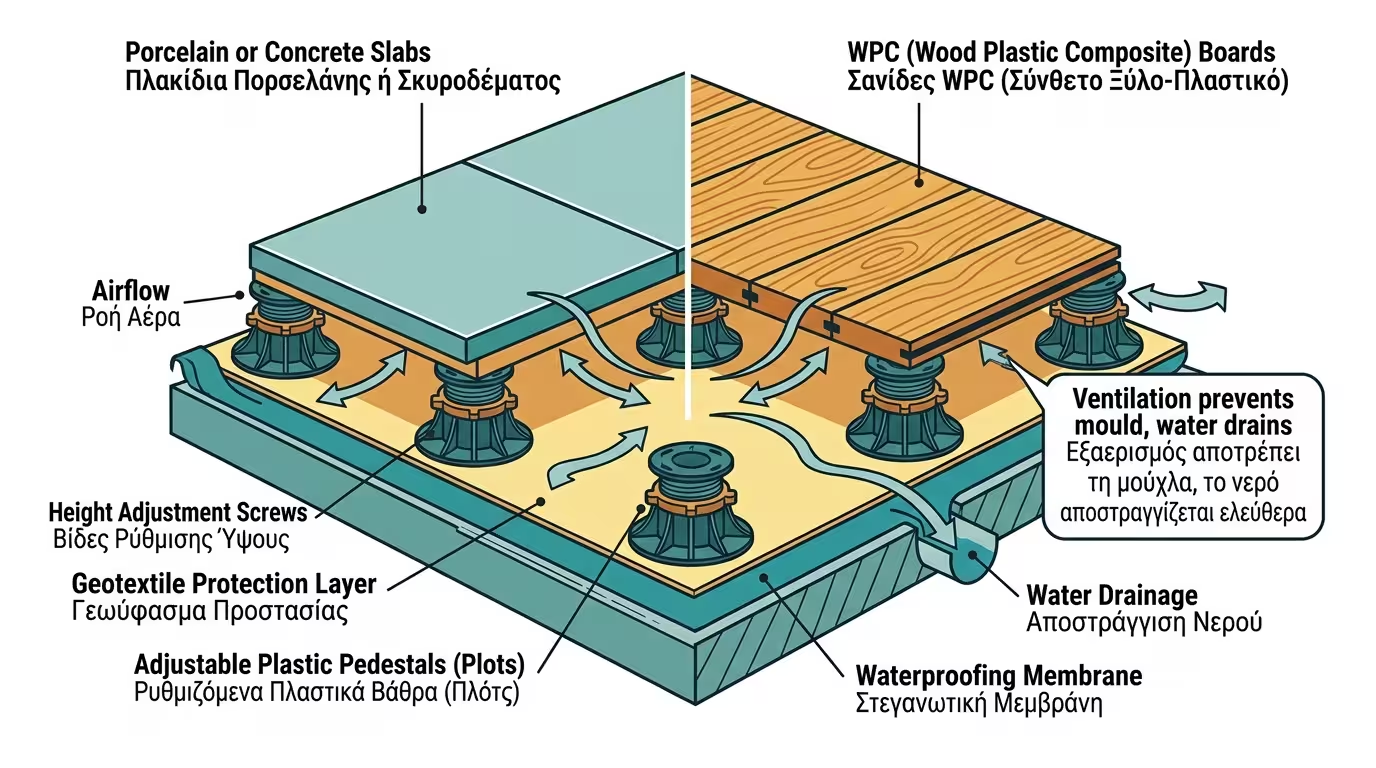
Adjustable plastic feet (plots) are placed on the waterproofing. On top sit concrete, stone or porcelain slabs (like balcony flooring). Or alternatively, WPC (Wood Plastic Composite) boards - artificial "wood" that doesn't rot, doesn't catch fire easily and withstands rain!
Ventilation: The gap between the deck and the membrane lets air circulate, preventing mould growth. Drainage: Water runs under the tiles freely, never ponding on the waterproofing. Mechanical Protection: You can set up a barbecue, tables and chairs without any worry.
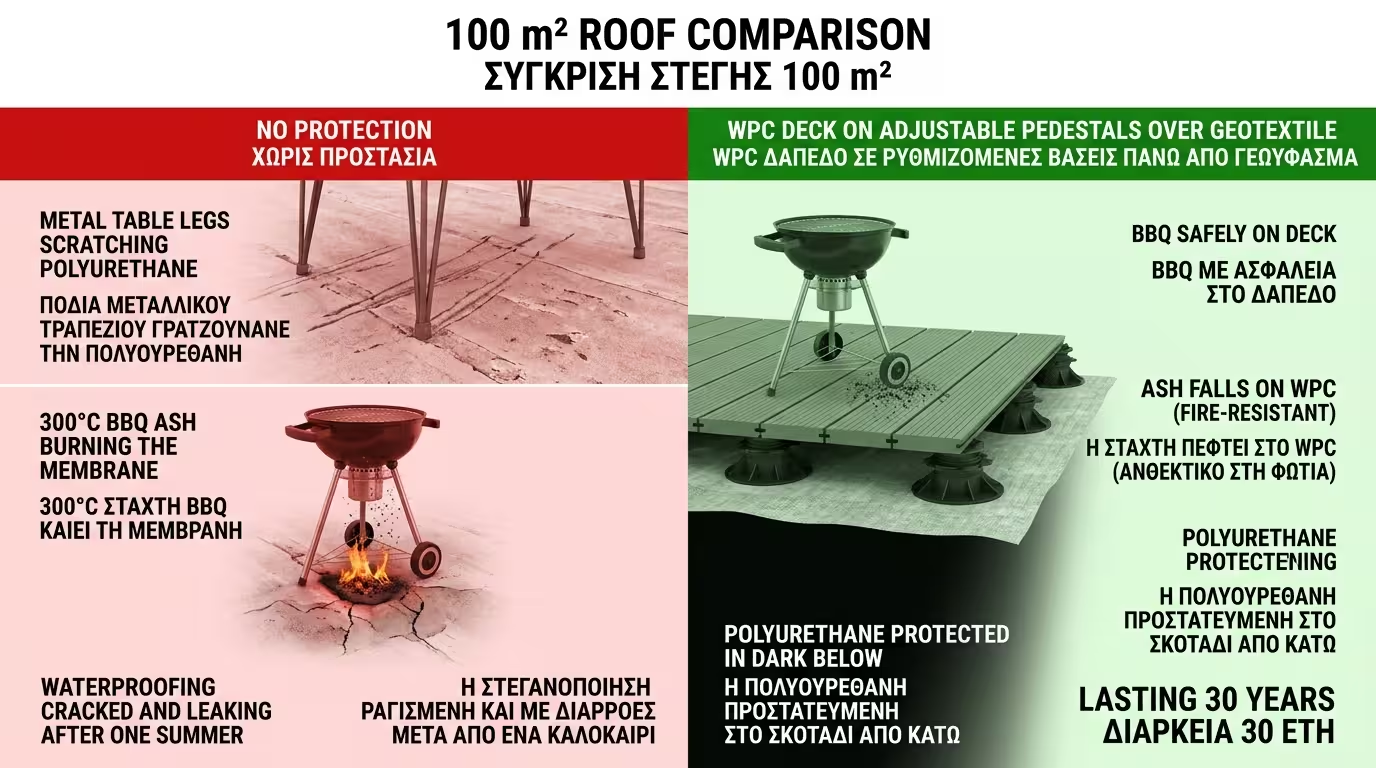
Our roof already has a perfect polyurethane coating. We want to create an outdoor living space.
We drag metal table legs over the shiny polyurethane. The scratch opens a channel. Our barbecue drops 300°C ash on the membrane. After one summer, the waterproofing around the BBQ zone has clouded, blackened and cracked. Water is leaking into the house.
We place adjustable pedestals on a protective geotextile. On top we lay WPC boards 2.5 m × 15 cm with 3 mm gaps between them. The barbecue sits on the timber deck, ash falls on the WPC (which doesn't catch fire), and the polyurethane below lives happily in the "dark" - no UV, no foot traffic, no scratches! Our roof has become a Roof Terrace and the waterproofing will last 30 years.
The Final Conclusion: Before using your roof, think: Would it be a problem if someone stepped on the waterproofing? If yes, then dress your waterproofing. Don't just think about the membrane - think about the "armour" that will save it.
Return to category.
Go to categoryReturn to the central guide.
Go to guide