1️⃣ Timber Deck (Rampote)
The ceiling you see from the living room. Work starts above this layer.
Warm air rises. In a house with a high-ceilinged timber roof, the bulk of thermal energy (up to 35-40%) escapes through the ceiling.
A "traditional" builder would say: "We'll nail rock wool between the rafters and close everything with plasterboard." This solution is an architectural crime - it hides the soul of the house (the exposed beams) and drops the ceiling height. The answer is to insulate… from the other side!
Instead of insulating from inside, we remove the tiles and build the insulation "sandwich" above the timber deck. Step by step (from inside towards the sky):
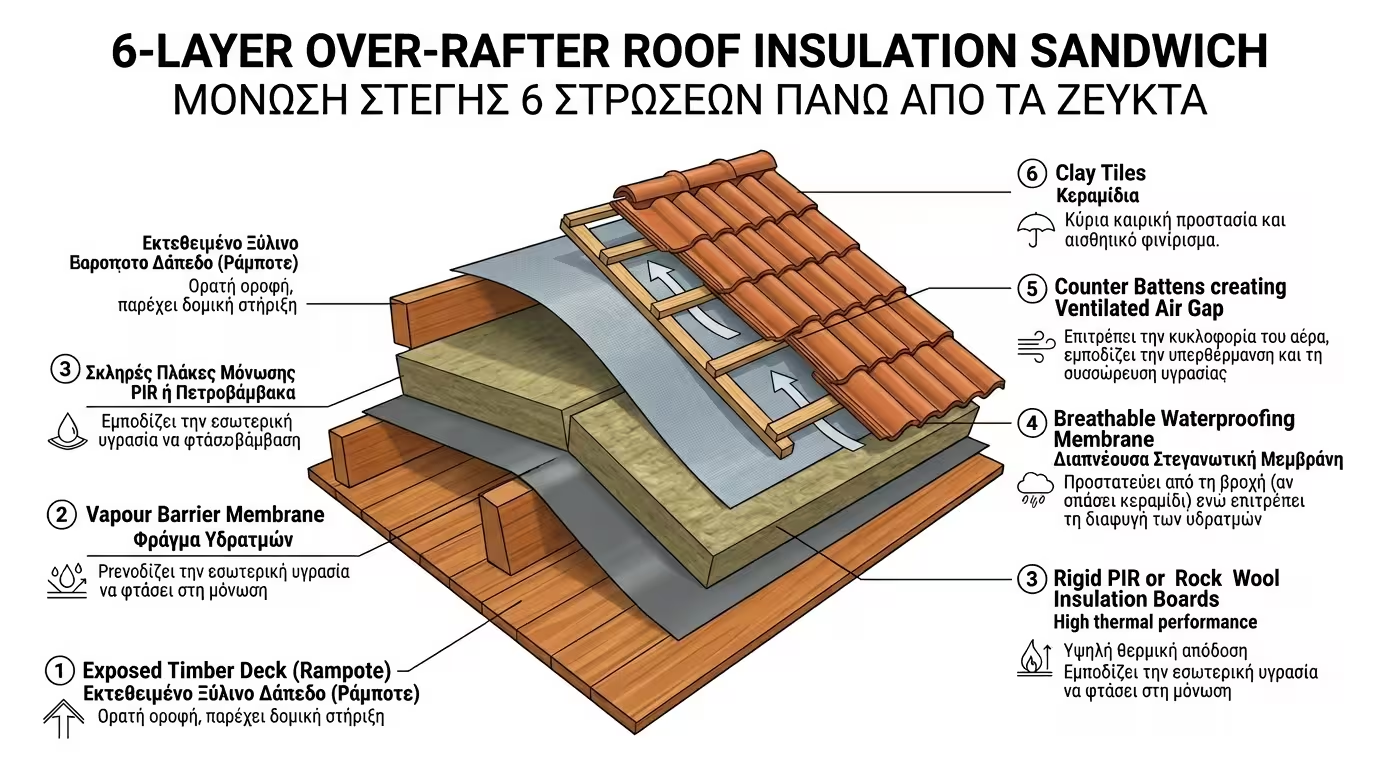
The ceiling you see from the living room. Work starts above this layer.
A membrane preventing indoor steam (cooking, bathing) from reaching the insulation.
Rigid Polyisocyanurate (PIR) boards: massive insulation in a thin profile. Alternatively, rigid rock wool for fire safety + rain sound insulation (you won't hear the rain!).
A "smart" membrane above the insulation: if a tile breaks, water slides along it to the gutter. Simultaneously lets the system breathe.
Timber strips on the membrane create a small air gap. Life-saving in summer - expels trapped hot air beneath the tiles.
The final covering (Roman, French or Byzantine) that clips onto the battens.
Over-rafter insulation is not just an energy solution - it's an architectural lifesaver.
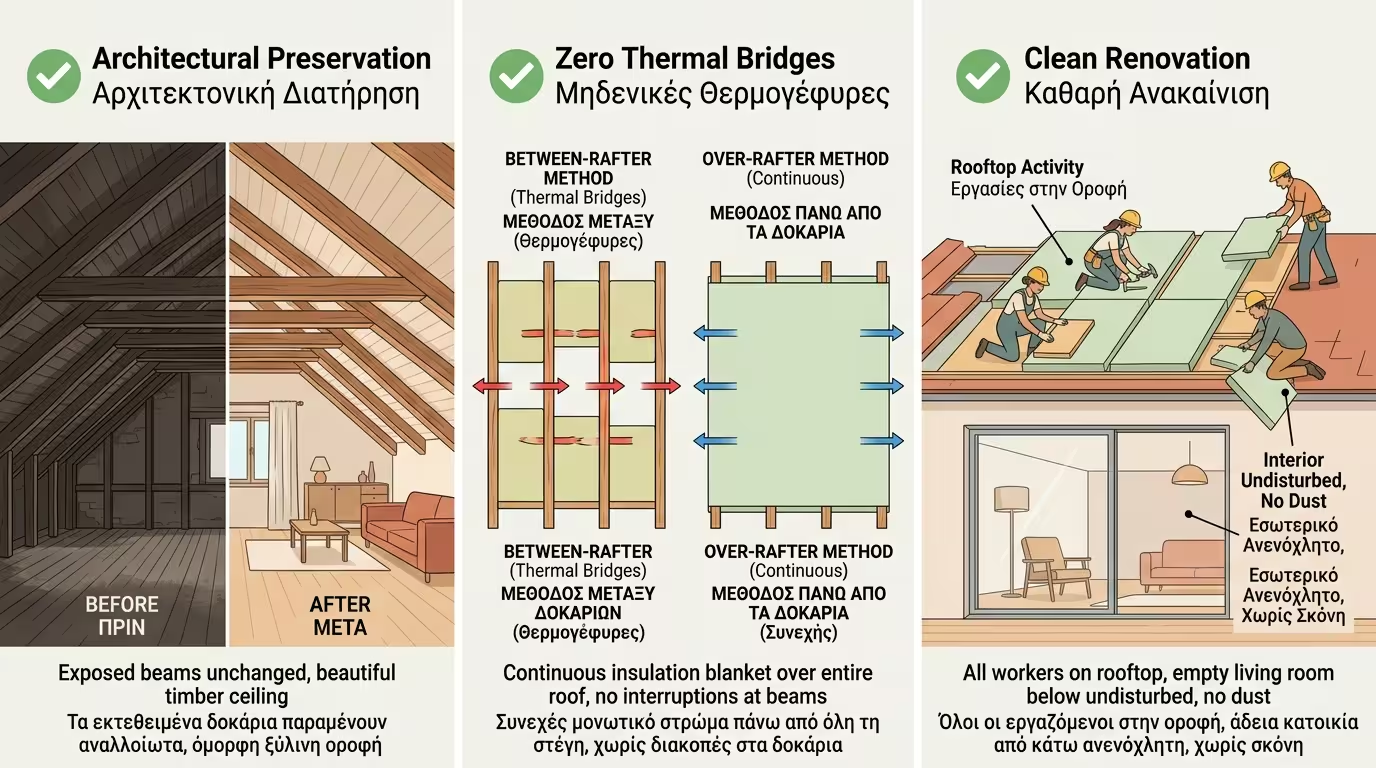
The traditional beauty stays fully intact - the ceiling remains a work of art.
Insulation is laid as a continuous "blanket" above the entire roof - never interrupted by the beams.
All work happens outside. No need to empty your living room or fill the house with dust.
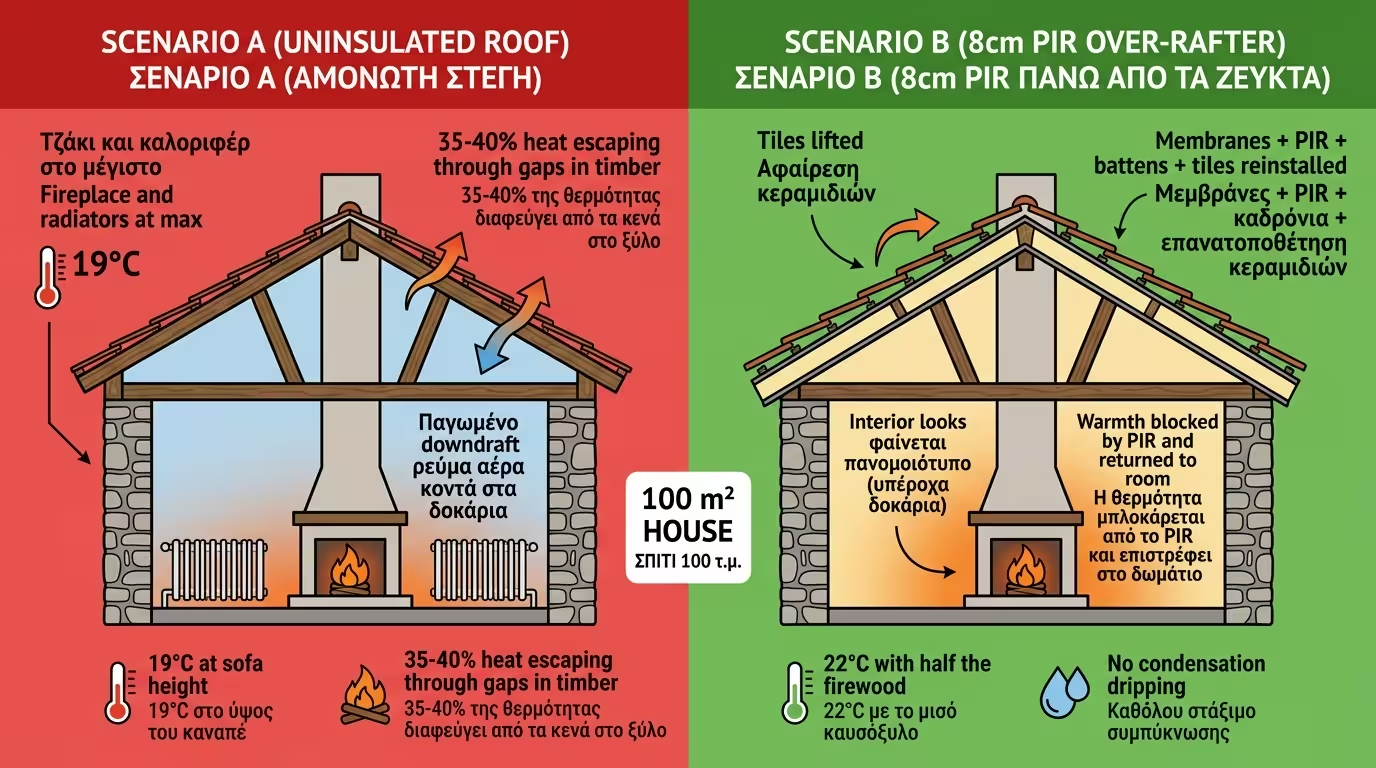
December. Fireplace and radiators at full blast.
At sofa height it's 19°C. If we climb a ladder near the exposed beams, we feel an intense freezing downdraft. The warmth seeps between the timbers and escapes. 35-40% of heat lost - burning firewood and money.
The contractor lifted the tiles, installed membranes, PIR boards and re-laid the tiles. From inside, the house looks exactly the same (stunning). The warmth hits the deck, is blocked by PIR and returns to the room. With half the firewood, the living room reaches 22°C and the roof never drips from condensation!
The Final Conclusion: If your roof is structurally sound, lifting the tiles for external insulation is the smartest renovation you can do. You preserve the value and history of your property while enjoying the performance of a modern, energy-efficient home!
Return to category.
Go to categoryReturn to the central guide.
Go to guide