🛡️ Water-Repellent
Their molecular structure "repels" water. When rain hits the wall, it is not absorbed.
Imagine wearing an expensive, warm pullover in winter. It keeps you perfectly warm. But if it starts raining and you do not put a waterproof jacket over it, the pullover will soak up the water, become heavy and you will freeze.
In a thermal facade, the insulation material (EPS or mineral wool) is your pullover. The finishing render (the coloured paste-based plaster) is your waterproof jacket. It is the first line of defence against the elements and its quality determines the longevity of your entire investment.
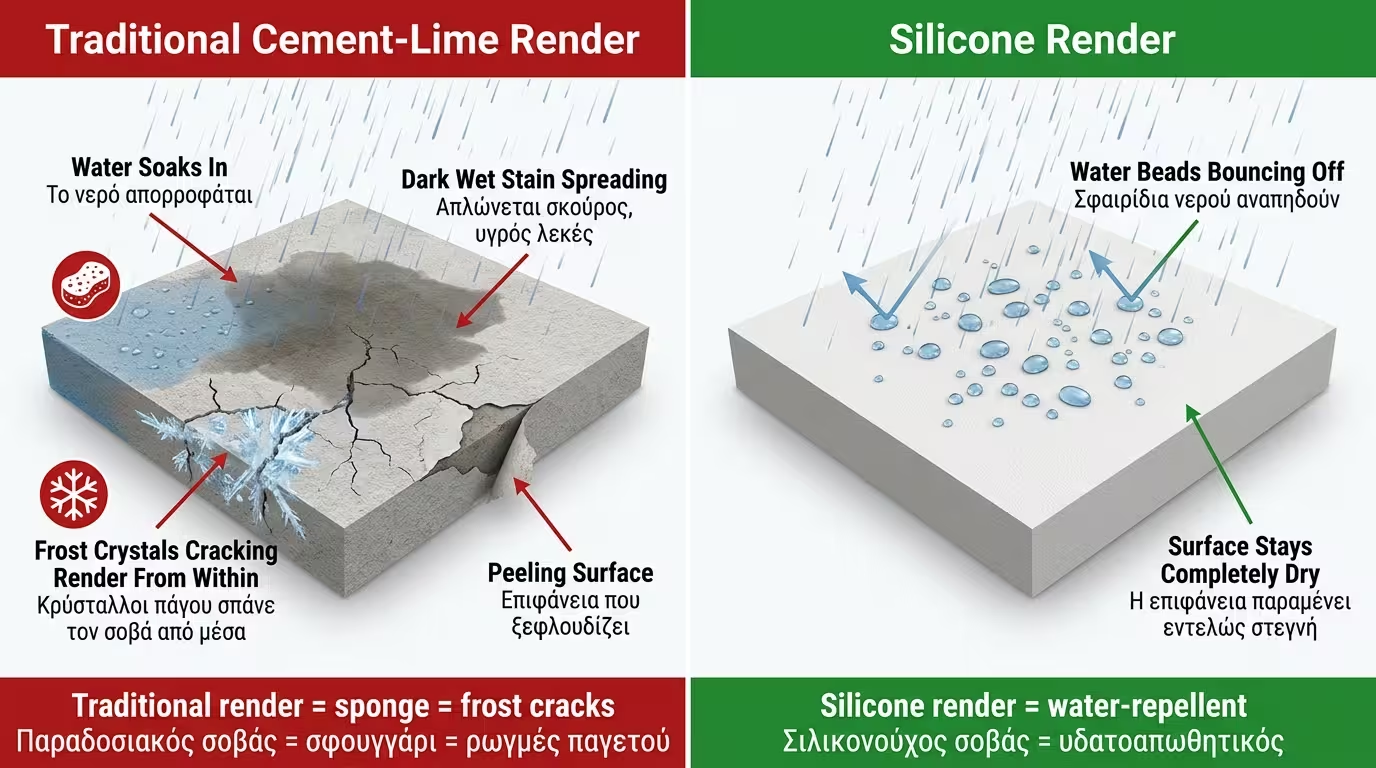
In old houses, traditional render was made from sand, cement and lime. This mixture is extremely porous and hydrophilic. It literally functions like a sponge.
When it rains, it absorbs huge amounts of water. When that water freezes in winter (it expands), it breaks the render from within, creating the classic cracks and "peeling" we see in old buildings. If this old render were placed on a thermal facade, the water would pass straight into the insulation.
Modern ETICS systems use no cement at all in their final finish. They use ready-mixed, paste renders (in buckets) enriched with acrylic resins or silicone.
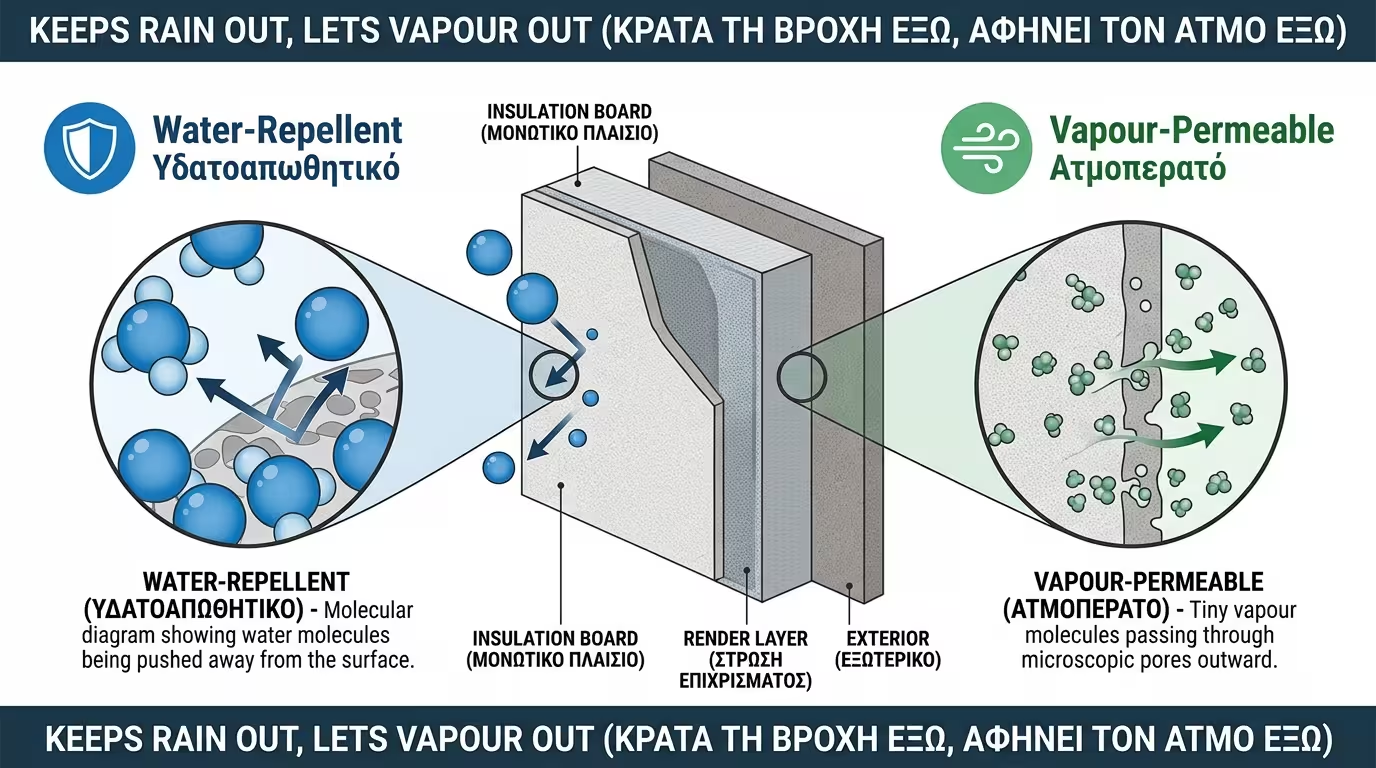
Their molecular structure "repels" water. When rain hits the wall, it is not absorbed.
As we saw in the previous article, their pores are small enough to block a raindrop, yet large enough to let the invisible water vapour from inside the house escape.
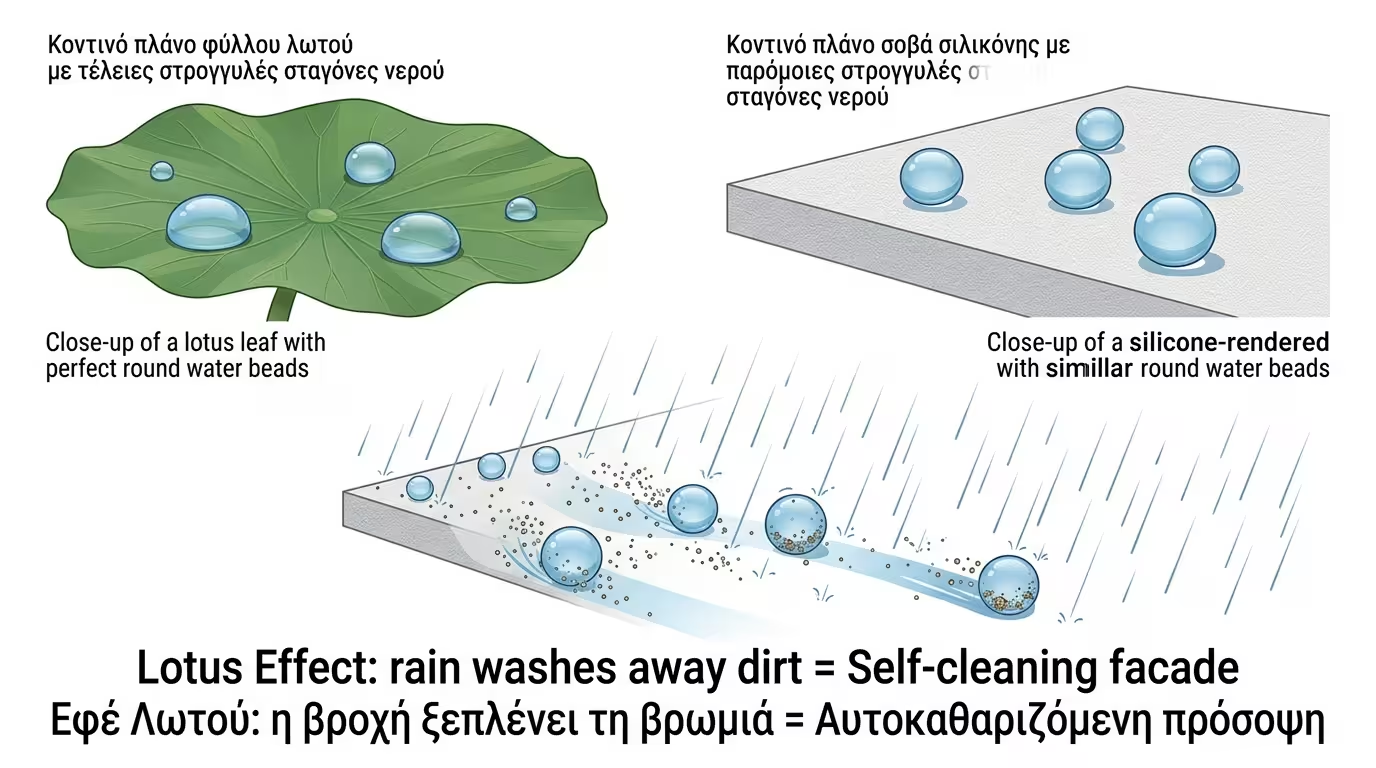
The top tier of these materials are Silicone Renders. Here nanotechnology copies nature - specifically, the leaves of the Lotus plant.
Due to extremely high hydrophobicity, raindrops do not "spread" on the wall. They form perfect, round beads. As these water beads roll downward by gravity, they carry away all the dust, exhaust fumes and pollutants that have settled on the wall!
The result? Your house washes and self-cleans with every rainfall, keeping its colour vibrant for decades.
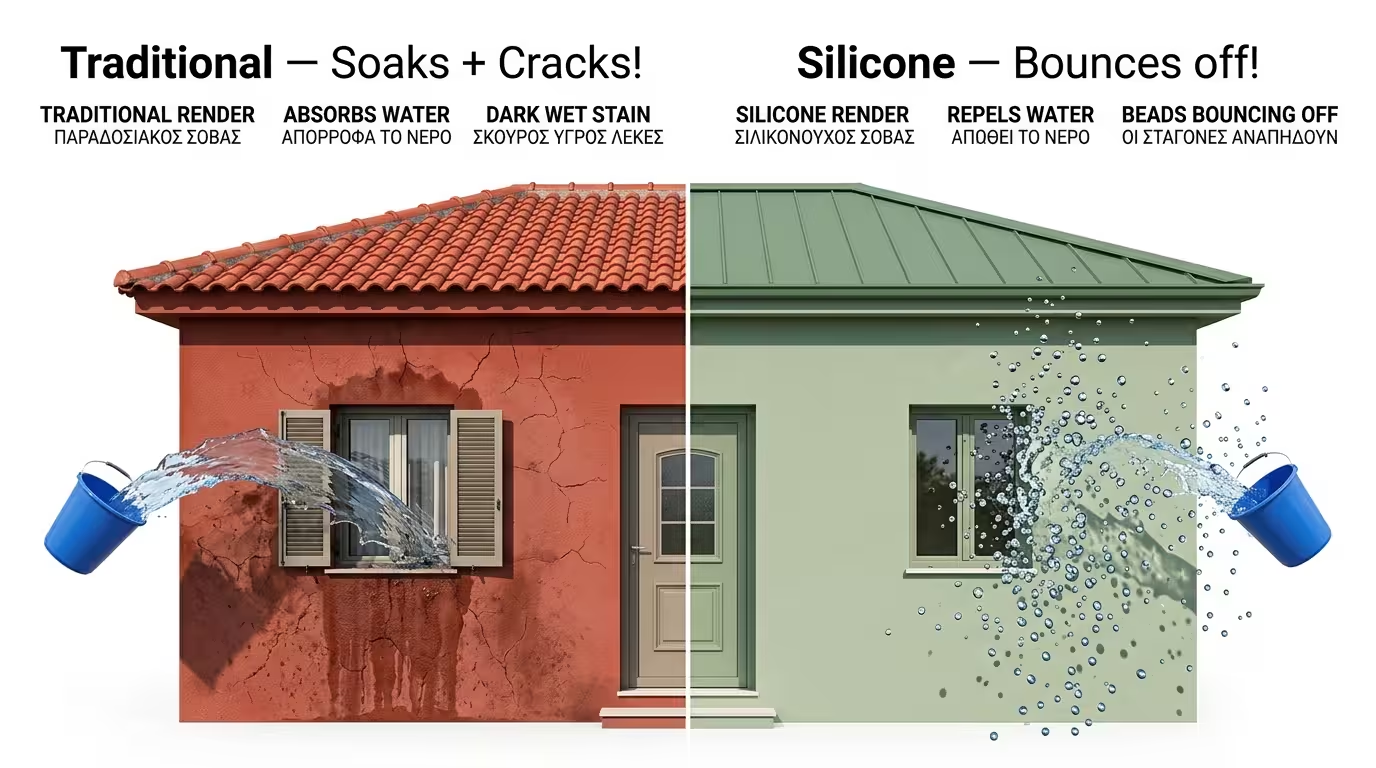
Let us throw a bucket of water at the facade of our house.
The water hits the wall. A large portion is absorbed. The wall darkens at that point, showing it has soaked through. If the temperature drops below zero that night, the trapped water will become ice and the render will crack (frost damage).
The water hits the wall and bounces off! It turns into hundreds of tiny drops that roll downward at speed. The wall stays completely dry and its colour does not darken for even a second. The thermal facade is absolutely safe.
The Final Conclusion: When the time comes to choose the finishing render with your contractor, do not choose based on which is €10 cheaper per bucket. Invest in a top-tier silicone or acrylic-silicone render. It is the shield that will keep your insulation dry, your wall clean of mould, and your house looking brand-new for the next 30 years!
Return to category.
Go to categoryReturn to the central guide.
Go to guide