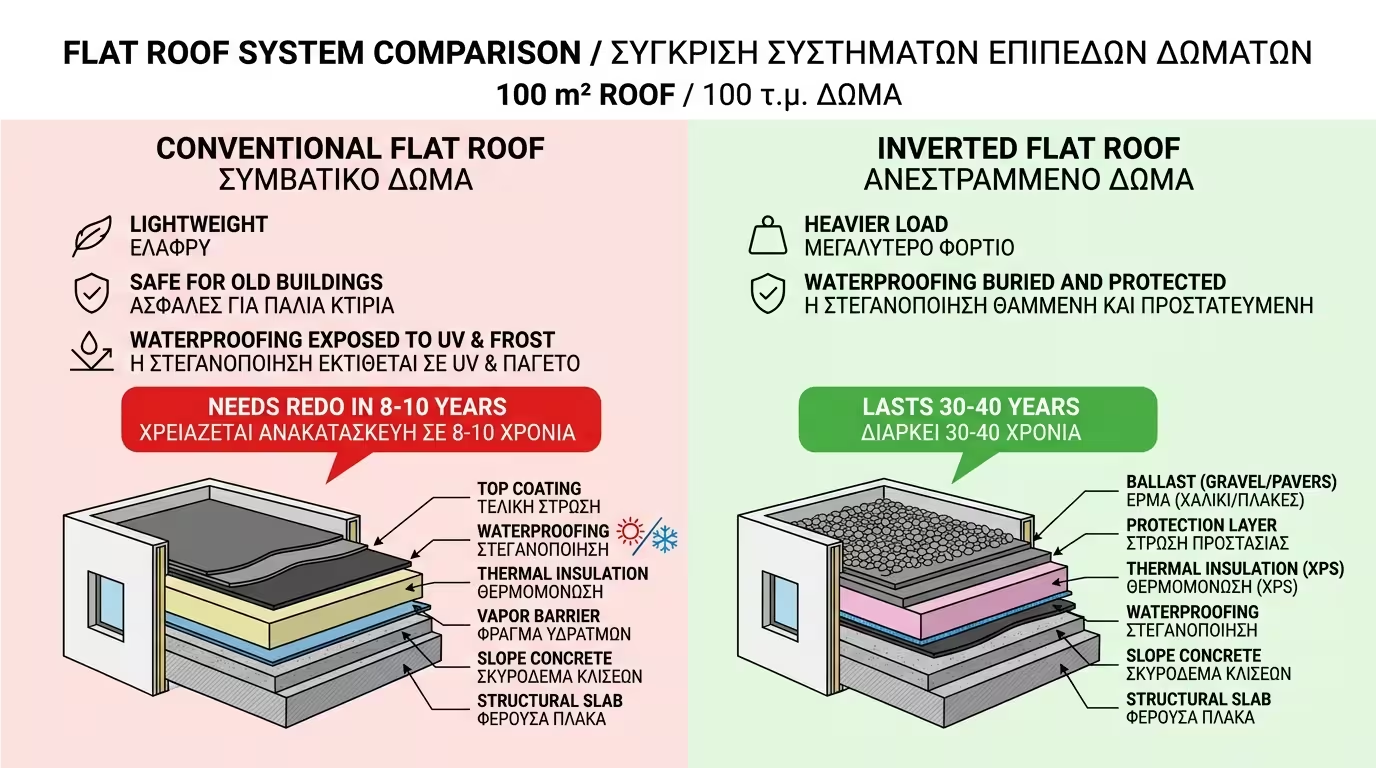
🏗️ Layer Order (Bottom → Top)
1️⃣ Concrete slab (ceiling). 2️⃣ Vapour barrier. 3️⃣ Thermal insulation (e.g. EPS, XPS or rock wool). 4️⃣ Lightweight concrete (to create slopes). 5️⃣ Waterproofing (bitumen membranes or polyurethane coatings).
Imagine you're about to go out in the snow. What do you put on first? The woollen jumper (thermal insulation) and over it the waterproof jacket (waterproofing)? Or the other way around?
When building a flat roof, the combination of thermal insulation and waterproofing is absolutely essential. However, the order in which these two layers are placed determines the lifespan, weight and behaviour of the entire system. In practice, you have two routes: the Conventional and the Inverted roof. Let's see how each one works and which suits your home.
This is the most common method in Greece, especially in older buildings. The logic is simple: the waterproofing goes on last, as the external "shield" that "faces" the sky.
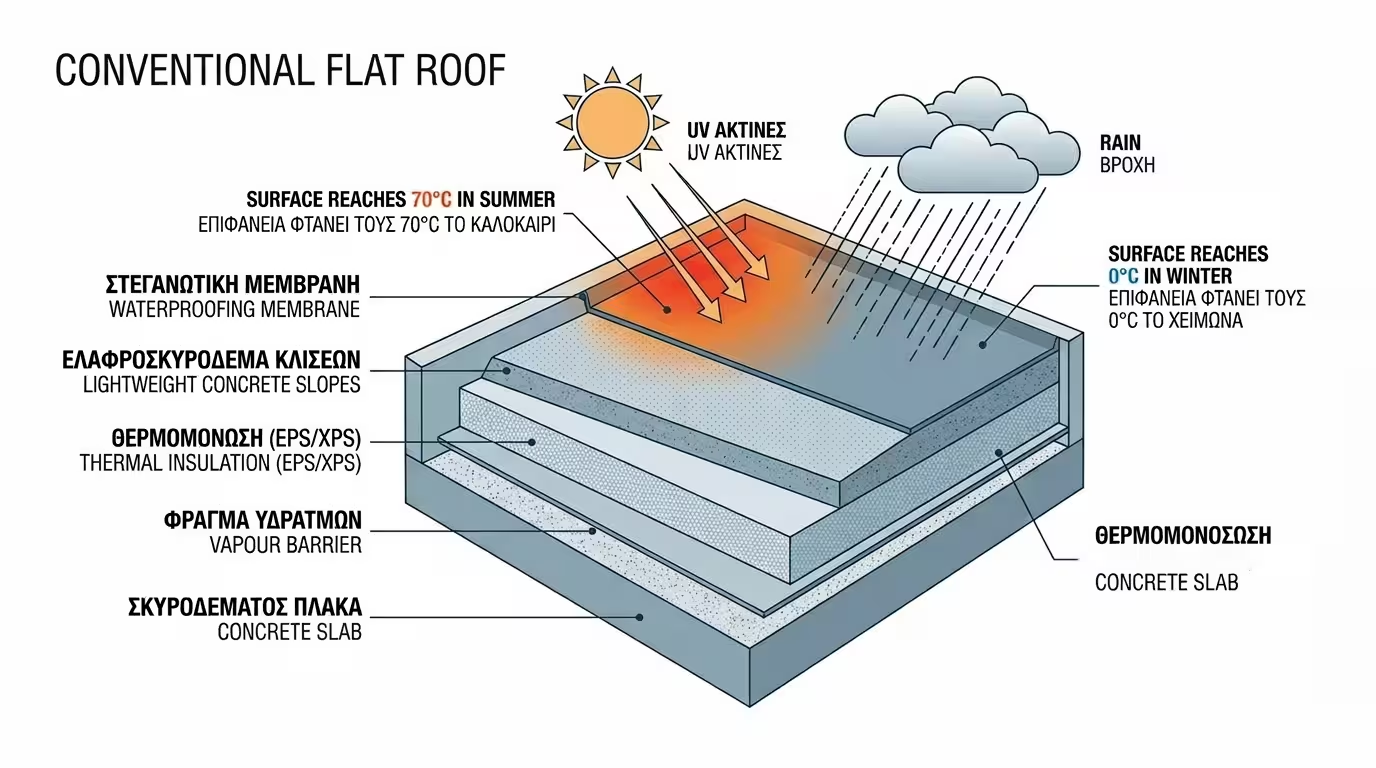
1️⃣ Concrete slab (ceiling). 2️⃣ Vapour barrier. 3️⃣ Thermal insulation (e.g. EPS, XPS or rock wool). 4️⃣ Lightweight concrete (to create slopes). 5️⃣ Waterproofing (bitumen membranes or polyurethane coatings).
Low Weight: Ideal for old buildings (e.g. 1970s) that can't bear heavy loads on the slab, since the final coating materials or bitumen sheets are light. Easy Leak Detection: If the waterproofing tears, it's exposed to view. The technician finds the rip and patches it on the spot.
Because the waterproofing is the last layer, it "takes all the punishment". In summer it bakes at 70°C from the sun (UV radiation) and in winter it freezes at 0°C. This thermal shock (expansion-contraction) fatigues the materials, meaning they need maintenance or replacement sooner (typically every 10-15 years).
Here things literally get… flipped! Engineers thought: "Since the waterproofing degrades from sun and frost, why not place it BEHIND the insulation to protect it?"
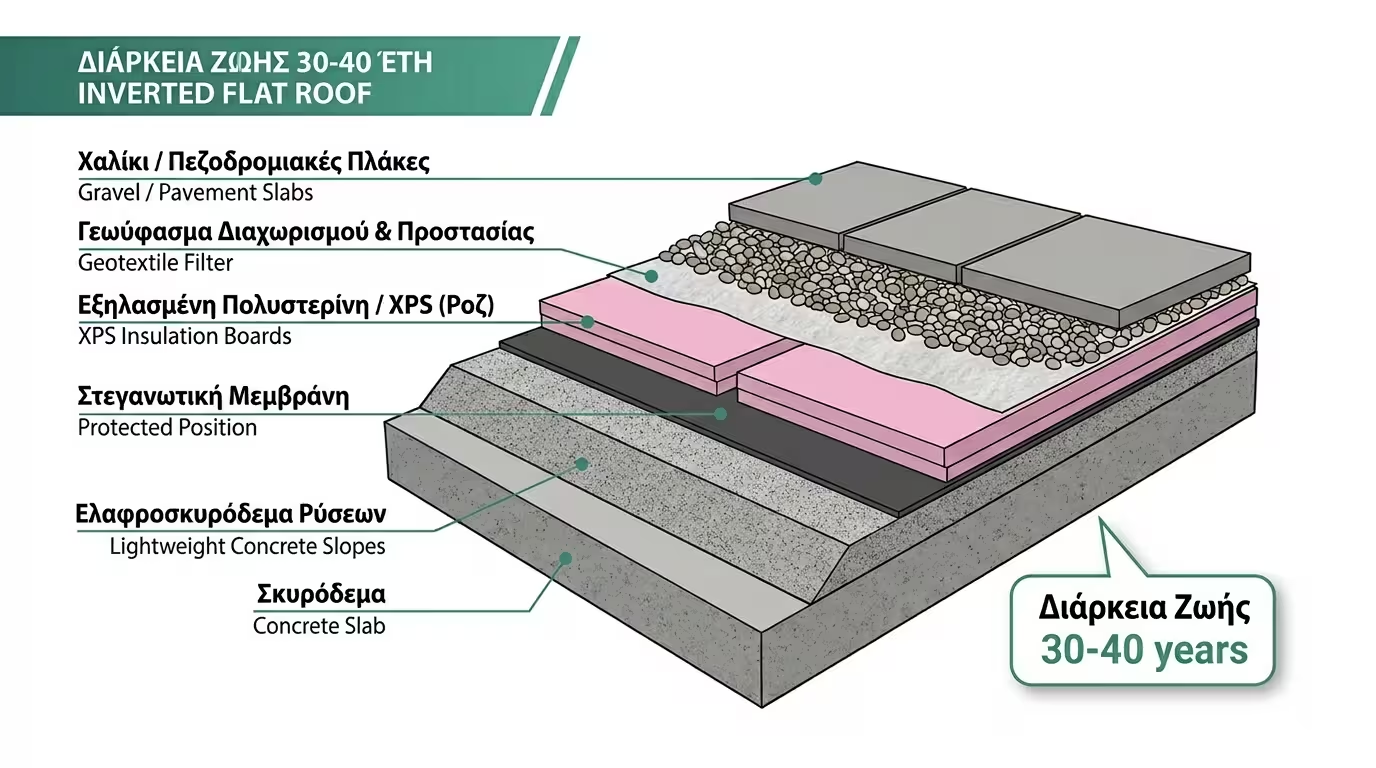
1️⃣ Concrete slab (ceiling). 2️⃣ Lightweight concrete (slopes). 3️⃣ Waterproofing (bitumen or polyurethane). 4️⃣ Thermal insulation (STRICTLY Extruded Polystyrene - XPS only). 5️⃣ Geotextile (separation filter). 6️⃣ Final covering (gravel, pavement slabs or industrial flooring).
The waterproofing lies buried under the insulation and gravel. It has a permanently stable temperature (no baking, no freezing) and is protected from mechanical damage. It can last 30 or even 40 years without problems!
You can lay slabs or gravel on top, turning your roof into a wonderful, walkable space (even a Roof Garden).
Heavy Weight: Gravel or slabs add dozens of kilograms per square metre. Not suitable for roofs that haven't been structurally designed for such loads. Difficult Repairs: If a leak occurs, the gravel and insulation must be removed to find the spot.
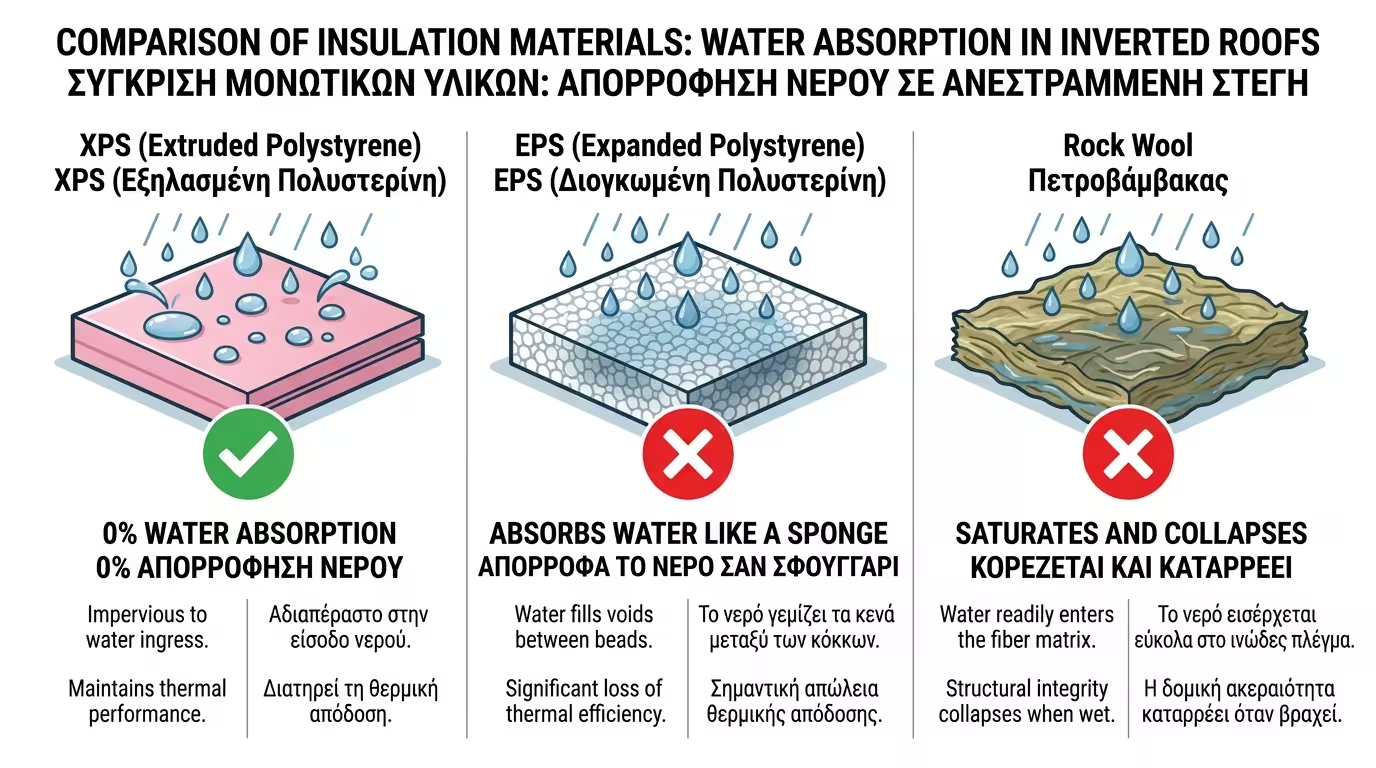
In the inverted roof, because rainwater passes through the gravel and runs over the insulation, only Extruded Polystyrene (XPS) is permitted. If you use white polystyrene (EPS) or rock wool, they will soak up water like sponges and be destroyed immediately!
Our roof is "bare" and we want to fully insulate it (thermally and waterproof).
We choose conventional because the building is old (1980s) and we don't want to load it with weight. We create the slopes, lay 8 cm polystyrene and apply two coats of quality white polyurethane on top. The cost is relatively low. The home is protected, but we know that in 8-10 years we may need to reapply a coat of waterproofing because the sun will have worn it down.
The building is newly built and can bear weight. We lay the bitumen membranes directly on the slab. On top we place 10 cm of pink XPS boards (that don't absorb water) and cover with gravel. We paid a bit more upfront and added weight, but our waterproofing is now indestructible. We won't need to deal with the roof again for decades!
The Final Conclusion: If the building can bear the weight and the budget allows, the Inverted Roof is the top, longest-lasting solution, as it shields the sensitive waterproofing layer. If you have weight constraints or need a quick, lightweight fix, the Conventional Roof with modern reflective materials will do an excellent job.
Return to category.
Go to categoryReturn to the central guide.
Go to guide