
Pilotis Insulation & Fire Safety: Why Non-Combustible Materials Are Mandatory

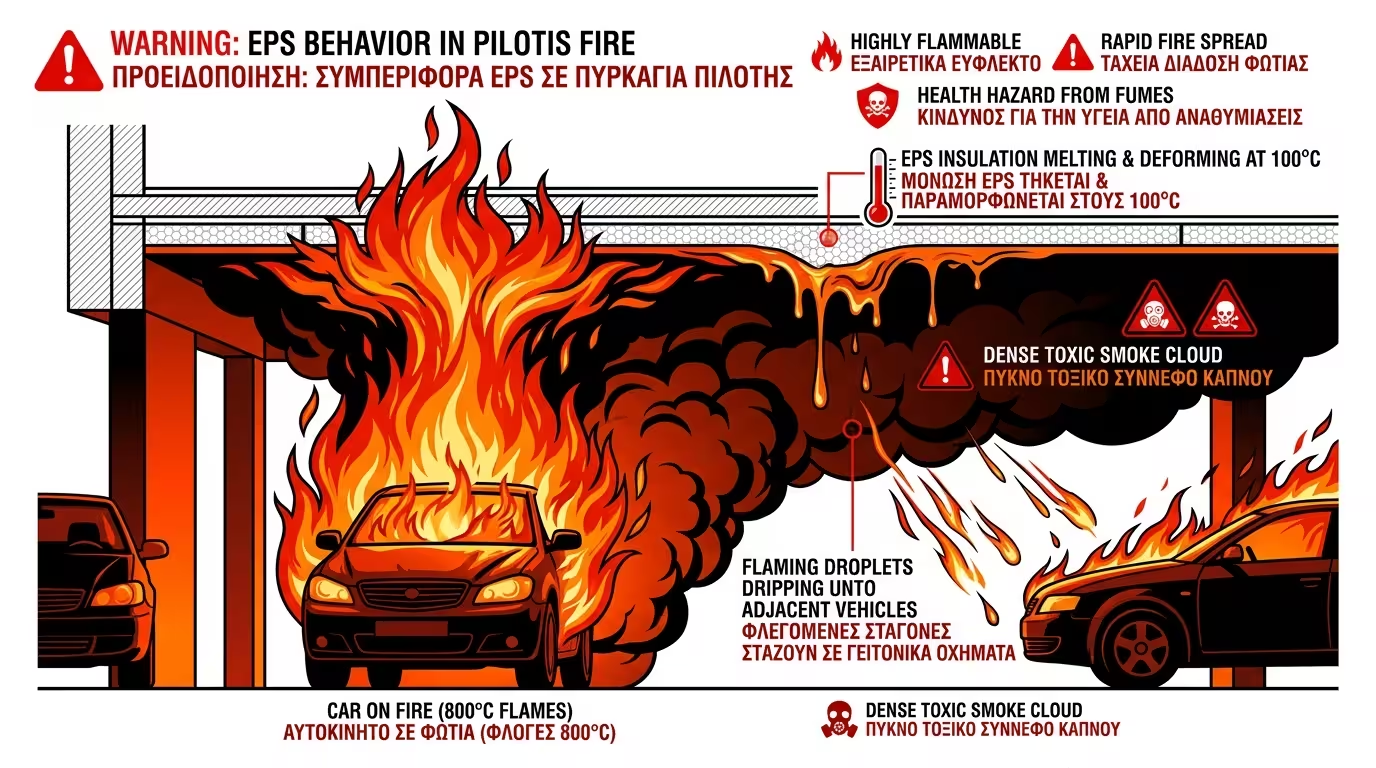
A car fire inside a pilotis is a nightmare for the Fire Department. The space is semi-open, air feeds the flames and temperatures can reach 800°C within minutes.

If the concrete slab is exposed to such temperatures for an extended time, it begins to "spall" (surface peeling), the reinforcing steel melts and the 1st floor's structural integrity is immediately at risk. If insulation is on the ceiling, it must act as a shield, not as fuel!

1. The EPS Trap on Pilotis Ceilings

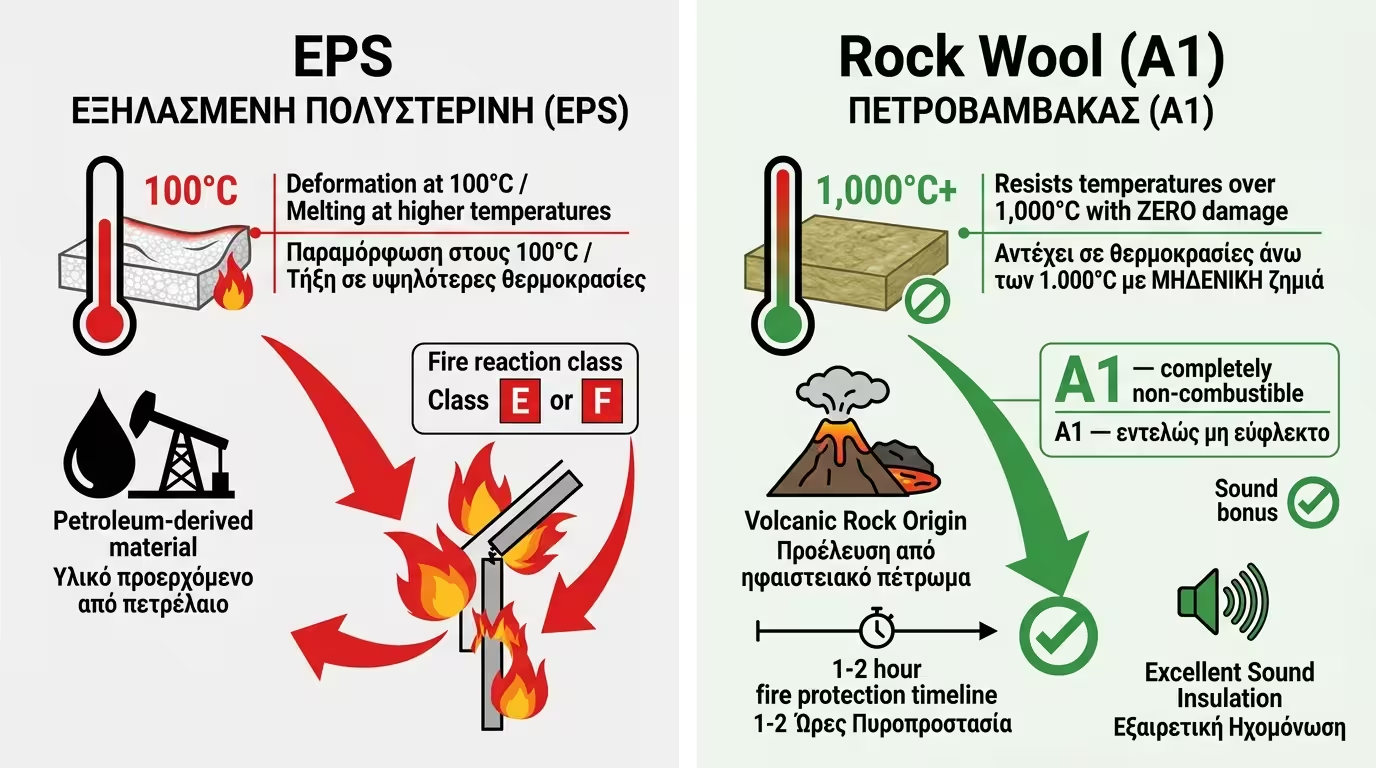
Classic white or graphite EPS (expanded polystyrene) is excellent for walls. However, it is a petroleum derivative. Although modern ETICS-grade EPS is "self-extinguishing" (it doesn't spread flame easily), at 100°C it starts deforming, and at higher temperatures it melts.

If a major fire hits the ceiling, the EPS will melt, may drip flaming drops onto other cars, and fill the space with dense, toxic smoke.

EPS melts, drips flaming drops - toxic smoke fills the space

2. The Ultimate Solution: Non-Combustible Materials (A1 Class)

Modern fire regulations mandate the use of materials with a fire reaction class of A1 (completely non-combustible) for car park ceilings.

Rock wool - withstands 1,000°C+ without burning

🪨 Rock Wool (Stone Wool)

The undisputed champion. Made from volcanic rock melted in furnaces and spun into fibres. It withstands temperatures above 1,000°C without melting, burning or producing toxic smoke! It gives the Fire Department the critical 1-2 hours to extinguish the fire before the slab is damaged. It also provides top-tier sound insulation.
🪵 Wood-Wool Boards (Heraklith)

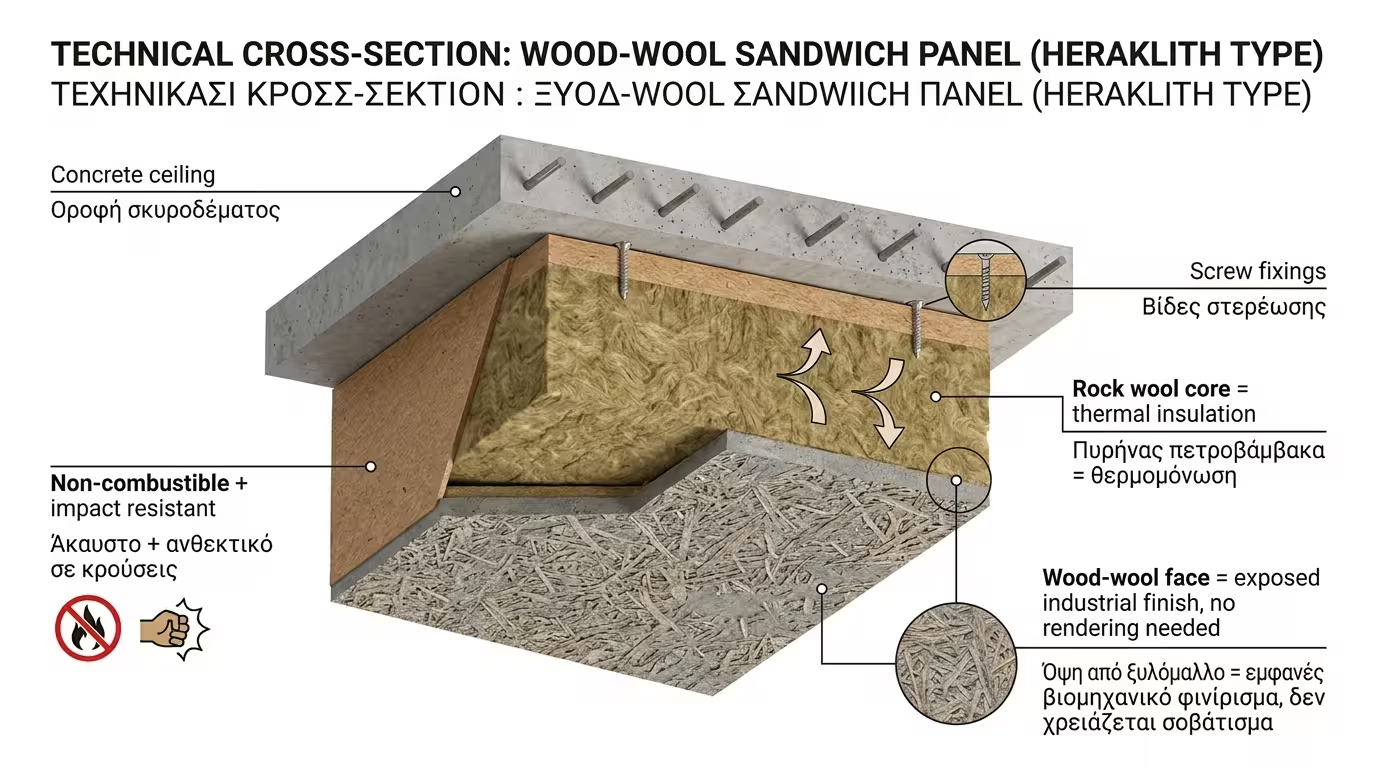
They look like pressed "straw" soaked in cement and minerals. Extremely hard, non-combustible and with an attractive industrial aesthetic.

3. Wood-Wool "Sandwich" Panels

They often come as "sandwich" panels: a rock wool core (for perfect thermal insulation) with a wood-wool facing on the exposed side. They can be screwed directly to the ceiling and left unpainted (exposed), saving you the cost of rendering, while being virtually indestructible against fire and impacts!

Wood-wool sandwich - rock wool core, exposed finish surface

4. The 10x10 Model Experiment (Pilotis Fire)

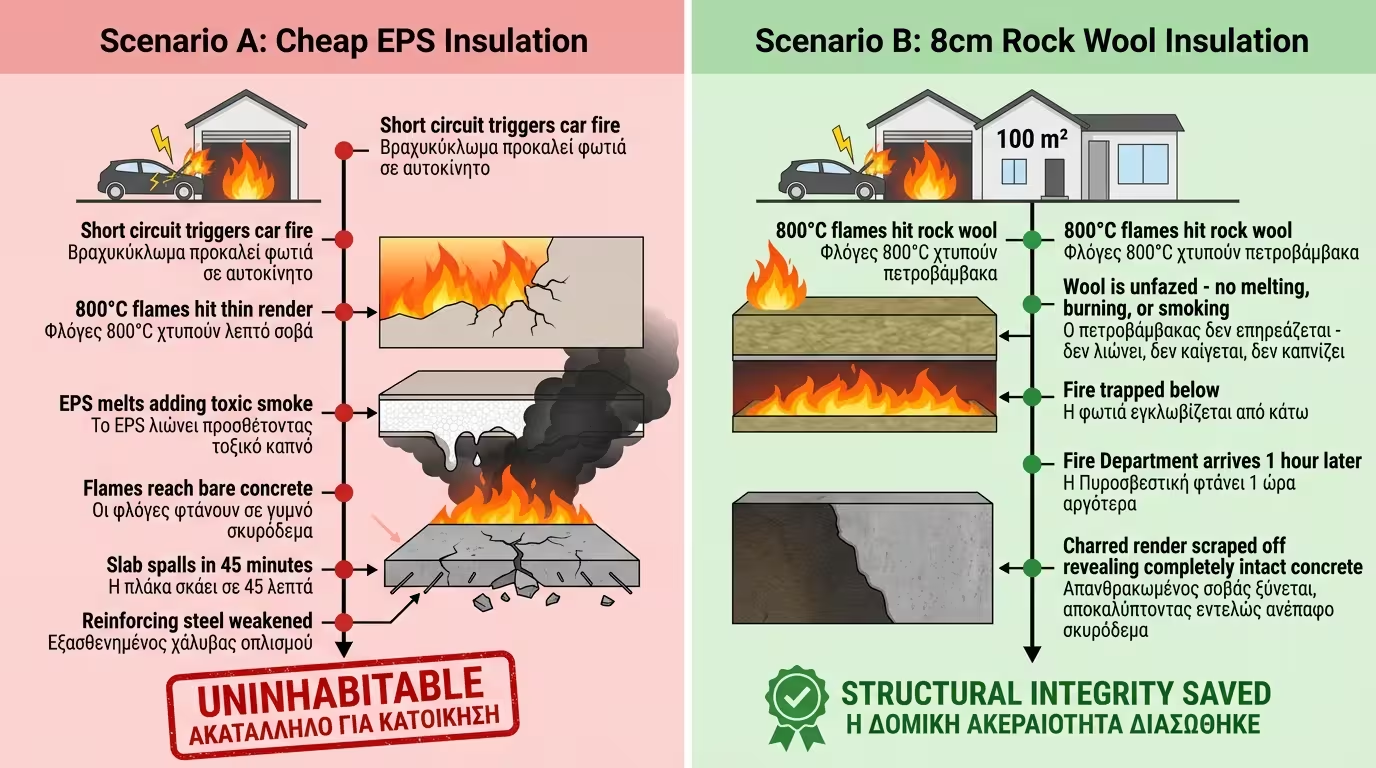
10x10 experiment - EPS melts in 45 min vs rock wool intact

A short circuit ignites the car parked directly below our living room.

❌ Scenario A (Cheap EPS Insulation)

Flames lick the ceiling. The thin render cracks immediately. The EPS behind melts violently, adding smoke. Flames reach the bare concrete. Within 45 minutes, our floor slab spalls and the reinforcing steel loses its strength. Our home is declared uninhabitable.

✅ Scenario B (8cm Rock Wool Insulation)

The car burns like a torch. 800°C flames hit the rock wool. It feels absolutely nothing. It doesn't melt, burn or smoke. The fire remains trapped below. One hour later, the Fire Department extinguishes the fire. We scrape off the blackened render: the concrete is completely unscathed. Our home's structural integrity and lives were saved.

The Final Conclusion: When requesting quotes for pilotis insulation, the word "rock wool" must be non-negotiable. It's slightly more expensive than EPS and harder to install, but it is the cheapest and most reliable fire insurance you can buy for your home and family!

Related Articles

Roof, Pilotis & Special Applications: Complete Energy Protection

Return to category.

Go to category

Preview