
Expanded (EPS) vs Extruded (XPS) Polystyrene
What is the real difference between classic "white" and "coloured" EPS? A practical guide on when (and where) to choose each one.
Read more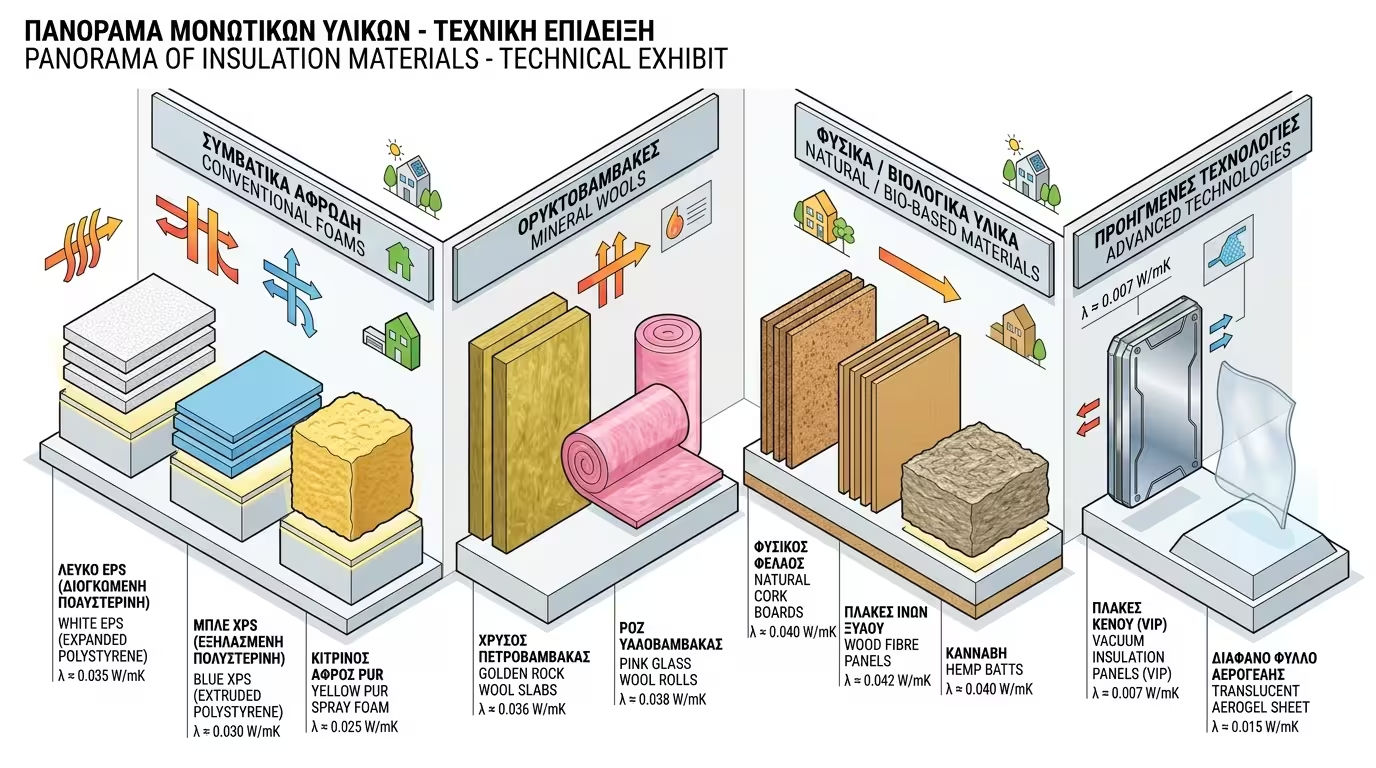
The "secret" behind every successful energy upgrade lies at the heart of the system: the insulation material itself. From classic synthetic polymers (EPS, XPS) and non-combustible mineral wools to fully ecological materials and NASA-grade cutting-edge technology, each material has its own ideal role.
Here you will discover their real properties (λ index, fire resistance, breathability) so you can choose smartly, avoiding unnecessary expenses and ensuring maximum performance.
The absolute "stars" of most renovations and new builds. Synthetic polymers offer excellent thermal insulation, moisture resistance and great ease of installation, covering almost every construction requirement.
What is the real difference between classic "white" and "coloured" EPS? A practical guide on when (and where) to choose each one.
Read moreHow adding graphite improves the thermal conductivity index. See if the higher price is justified by the energy savings.
Read more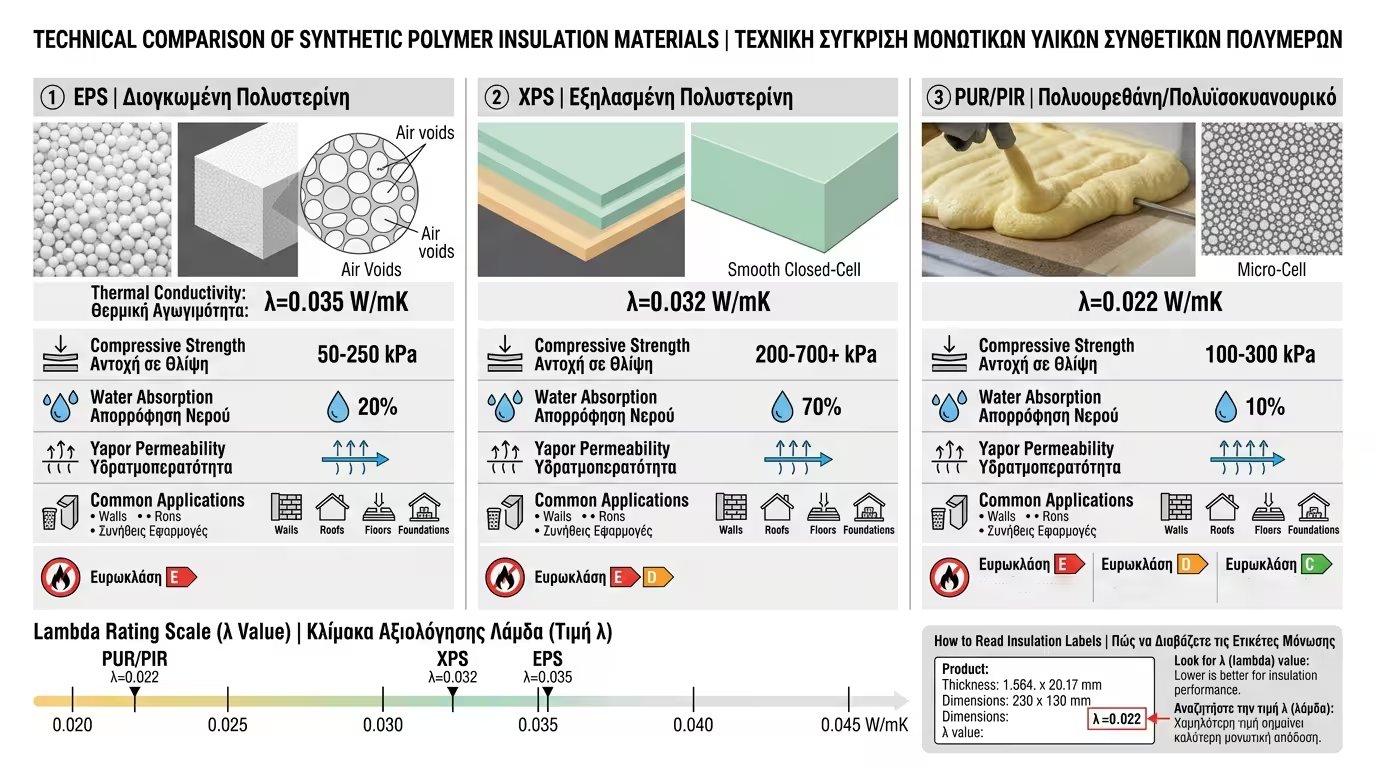
A material with top thermal resistance in a very thin profile. Ideal for sprayed applications, flat roofs and industrial roof panels.
Read moreThe most important number in insulation. Learn what the thermal conductivity coefficient means and how to correctly compare different materials.
Read moreWhy you can't use plain EPS on a pilotis floor. A material selection guide for surfaces under heavy mechanical stress.
Read moreBusting the myths. What fire reaction categories mean and how safe plastic insulation really is.
Read moreIf you are looking for materials that "breathe" and don't burn, mineral materials are the answer. They offer the ideal combination of thermal insulation, excellent sound insulation and top passive fire protection.
Discover why it is considered the most complete (and safest) solution for facades and dry construction, offering perfect quiet and thermal comfort.
Read moreLightweight, extremely flexible and economical. Instructions for correct installation between timber roof beams and in plasterboard partitions.
Read more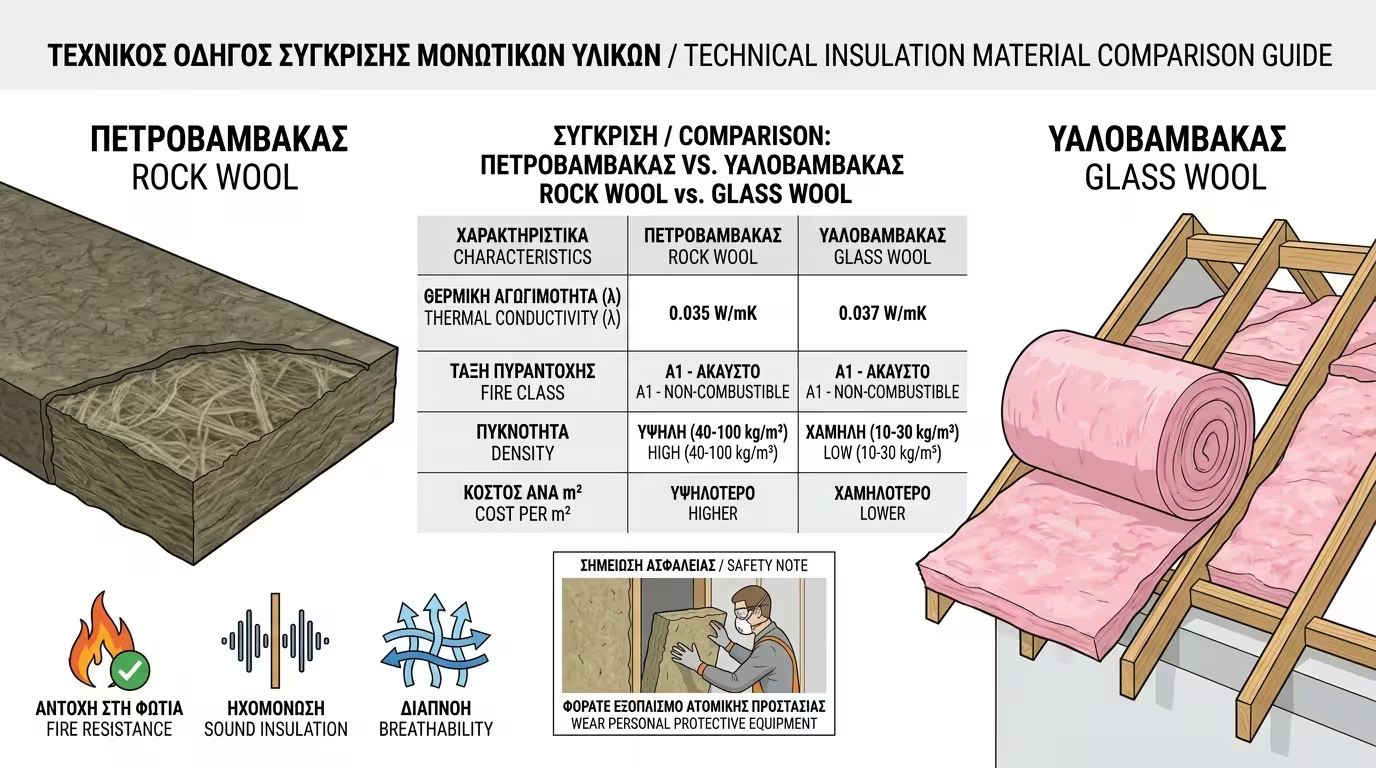
The physics behind wall breathability. How the fibrous structure allows water vapour to escape, preventing moisture buildup.
Read moreThe battle of the giants. We compare the two top material categories in cost, performance, durability and ease of installation.
Read morePractical tips, gloves and masks: everything the DIYer and professional needs to know before cutting and installing wool.
Read moreThe "green" building trend brings to the fore materials that are 100% environmentally and human-friendly. Excellent solutions for ecological homes, heritage building renovations and those who prioritise sustainability.
From tree bark to your wall. A timeless solution with excellent moisture resistance, long service life and unique aesthetics.
Read moreHow wood mass delays heat entry in summer (thermal lag), keeping your home naturally cool without air conditioning.
Read more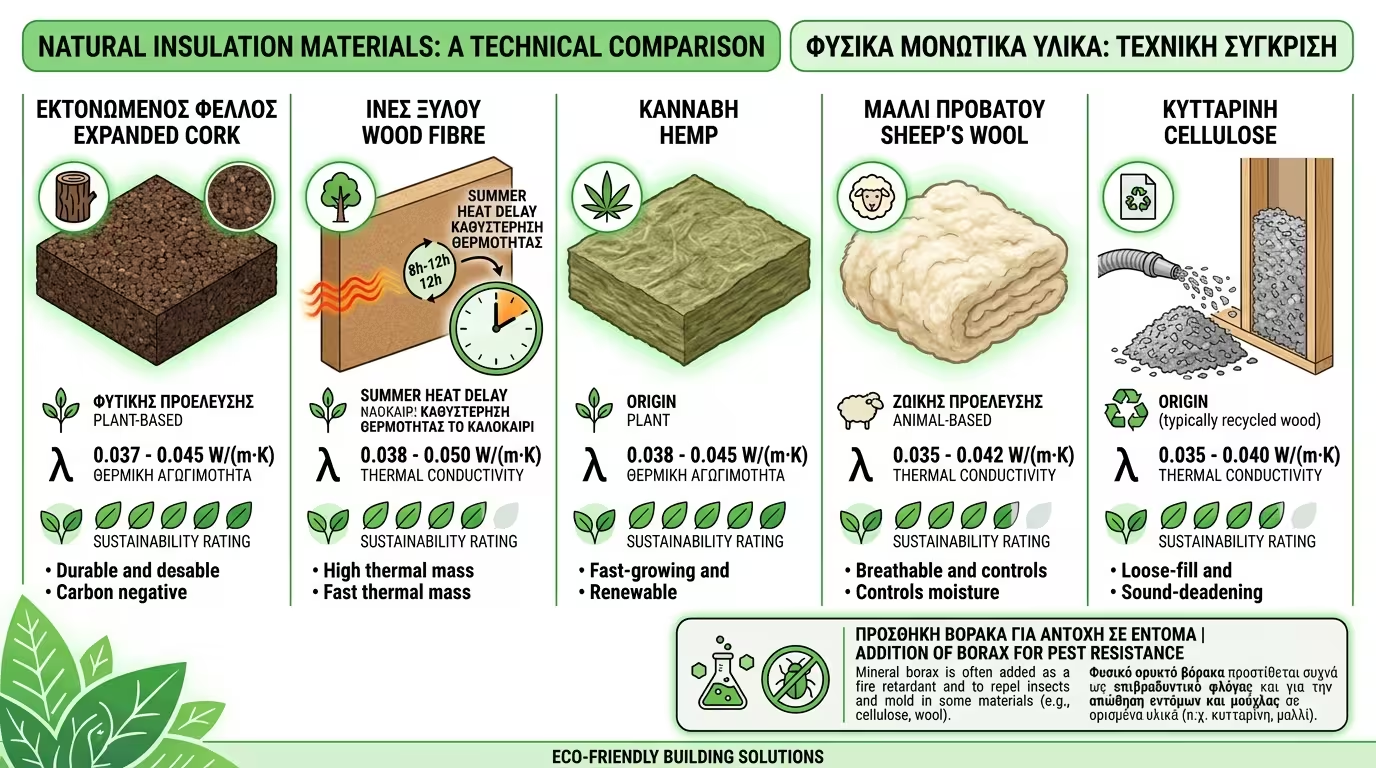
Materials that once seemed exotic are steadily gaining ground, offering absolutely healthy living without a trace of chemicals.
Read moreSprayed or poured insulation ideal for attics and wall cavities, with top thermal performance and minimal environmental footprint.
Read moreAre natural materials safe from pests? Learn about natural or mild chemical treatments (e.g. borax) that fully protect them.
Read moreWhen available space is minimal but energy demands are enormous, technology provides the answer. Meet next-generation materials delivering extraordinary performance at just a few millimetres thick.
How vacuum technology allows 2cm panels to insulate as much as 10cm of conventional insulation material.
Read moreThe lightest solid in the world. See how this advanced space technology is applied today in renders and thin membranes.
Read more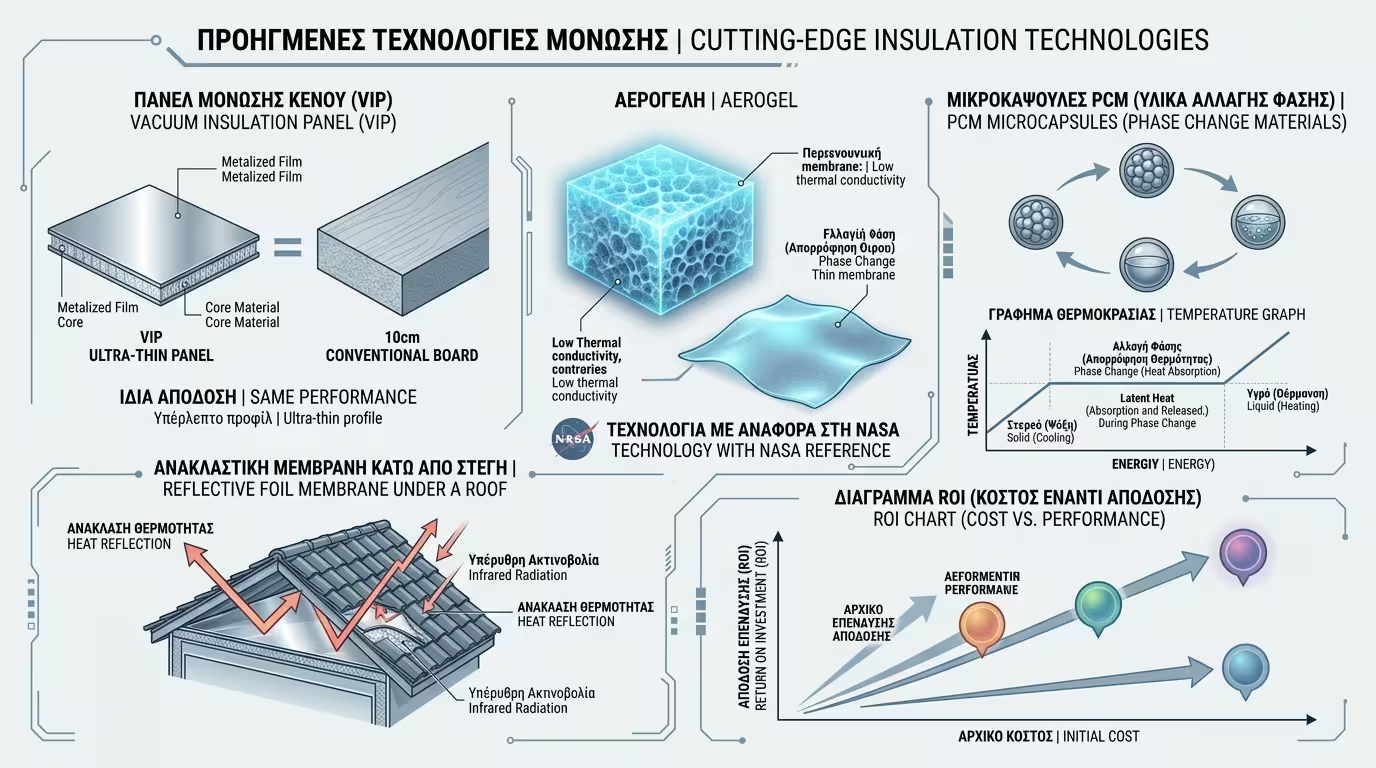
"Smart" materials that melt and solidify, absorbing and releasing heat to keep your home temperature stable.
Read moreHow thin aluminium reflective membranes repel the sun's infrared radiation before it can heat up your attic.
Read moreIs the huge investment worth it? We analyse the payback time (ROI) of these exotic materials for the average consumer.
Read moreReturn to the complete insulation guide.
Go to the guideIf you are planning insulation or an energy upgrade - contact us.
Contact us