
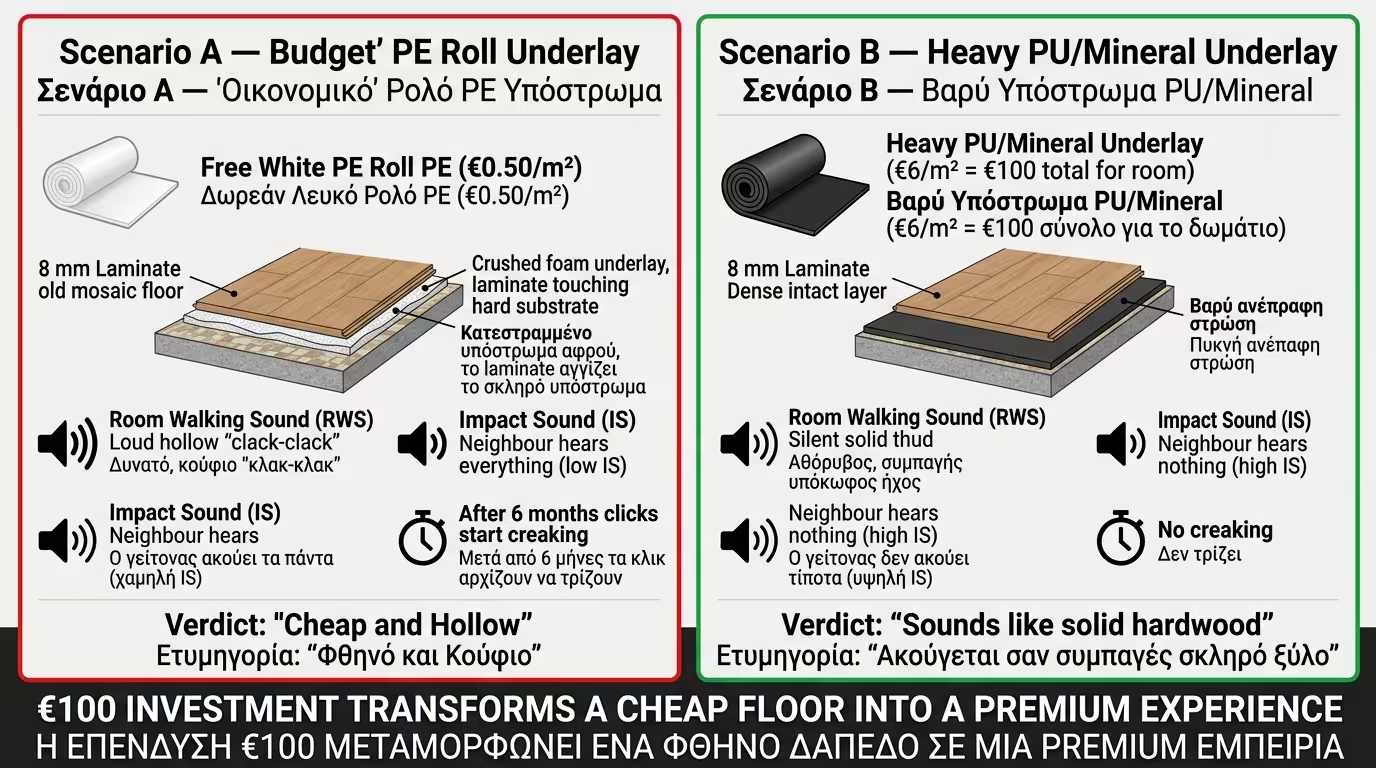
❌ Scenario A (The Freebie)
We accept the free white roll (worth €0.50/m²). Every time the cat runs, its claws sound like firecrackers (high RWS). When we walk, the neighbour below hears everything (low IS). Our floor feels "cheap" and "hollow".
When you buy a floating floor (Laminate or LVT), the shop almost always "gifts" you the underlay: a thin, white foam roll barely 2 mm thick.
The installer unrolls it on the floor, clips the Laminate on top and leaves. That same evening, you walk across your new living room and hear a hollow "click-clack" with every step, while the neighbour below thinks you are marching. What went wrong?
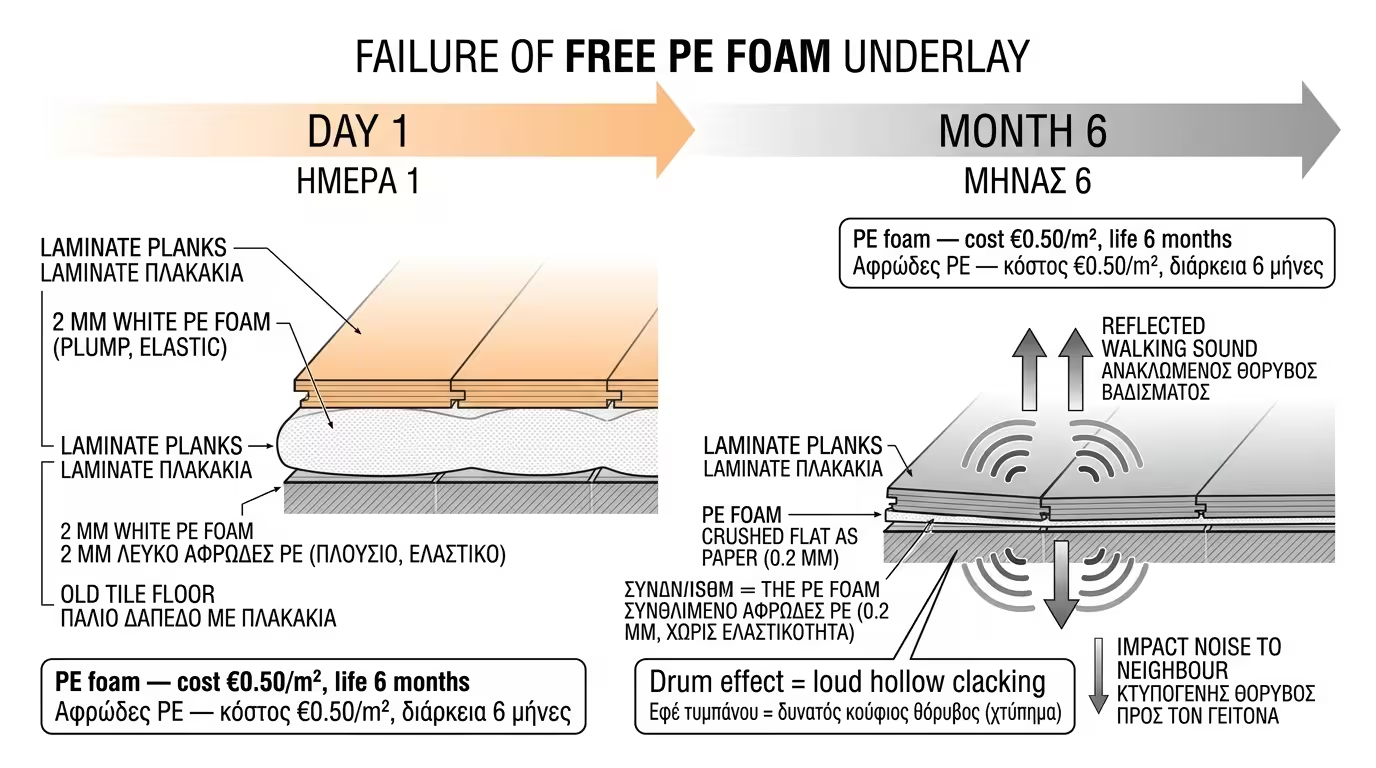
The white foam material (polyethylene - PE) is merely packaging material. It is full of air. Within 6 months of bearing the weight of furniture and footsteps, the air pops, the material "pancakes", becomes flat as paper and loses all elasticity.
The result? The hard Laminate now strikes directly onto the hard old floor (tiles/terrazzo). The "drum" has just been created. Every step sounds like a firecracker inside the room, while the neighbour below thinks you are marching.
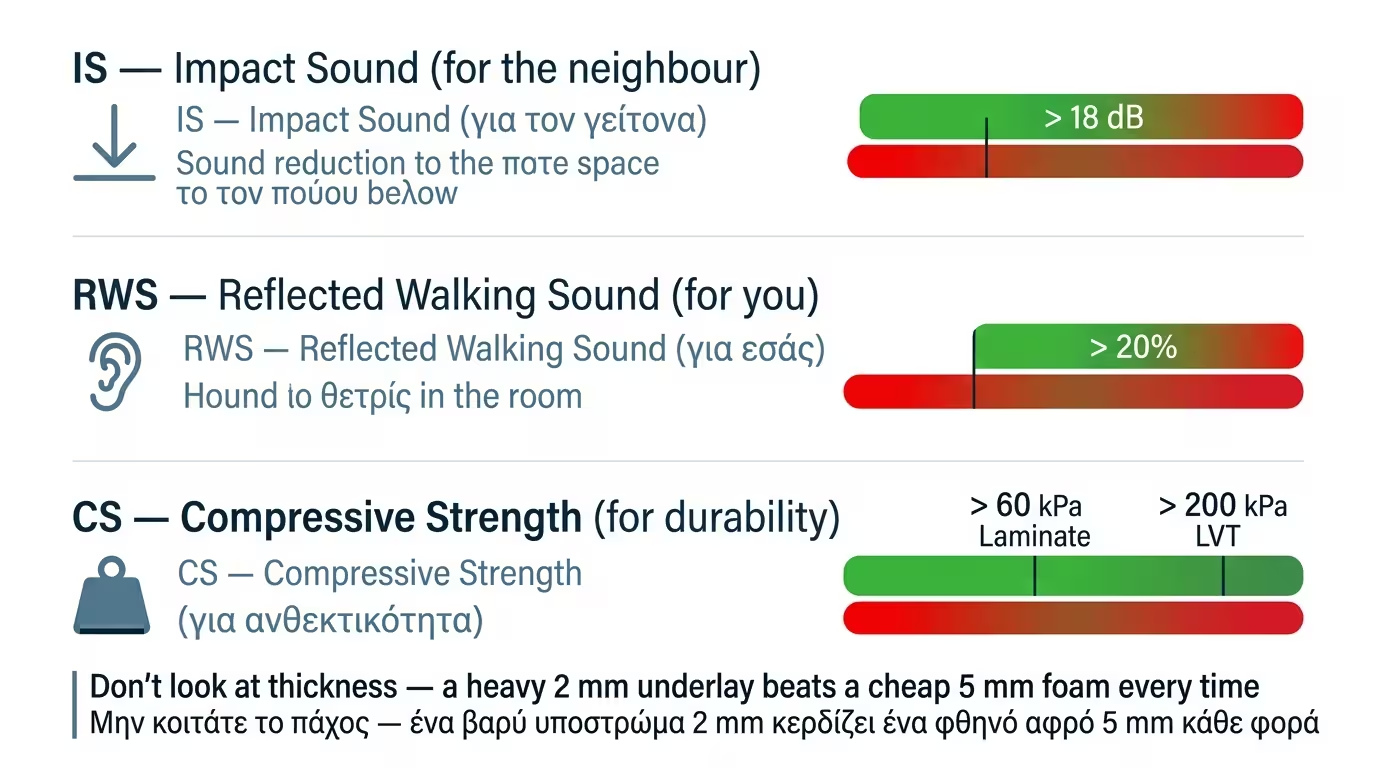
When buying a serious acoustic underlay, don't look at thickness. A heavy, quality 2mm underlay is a thousand times better than a cheap 5mm foam.
On the label of good European underlays, you will find 3 critical indices:
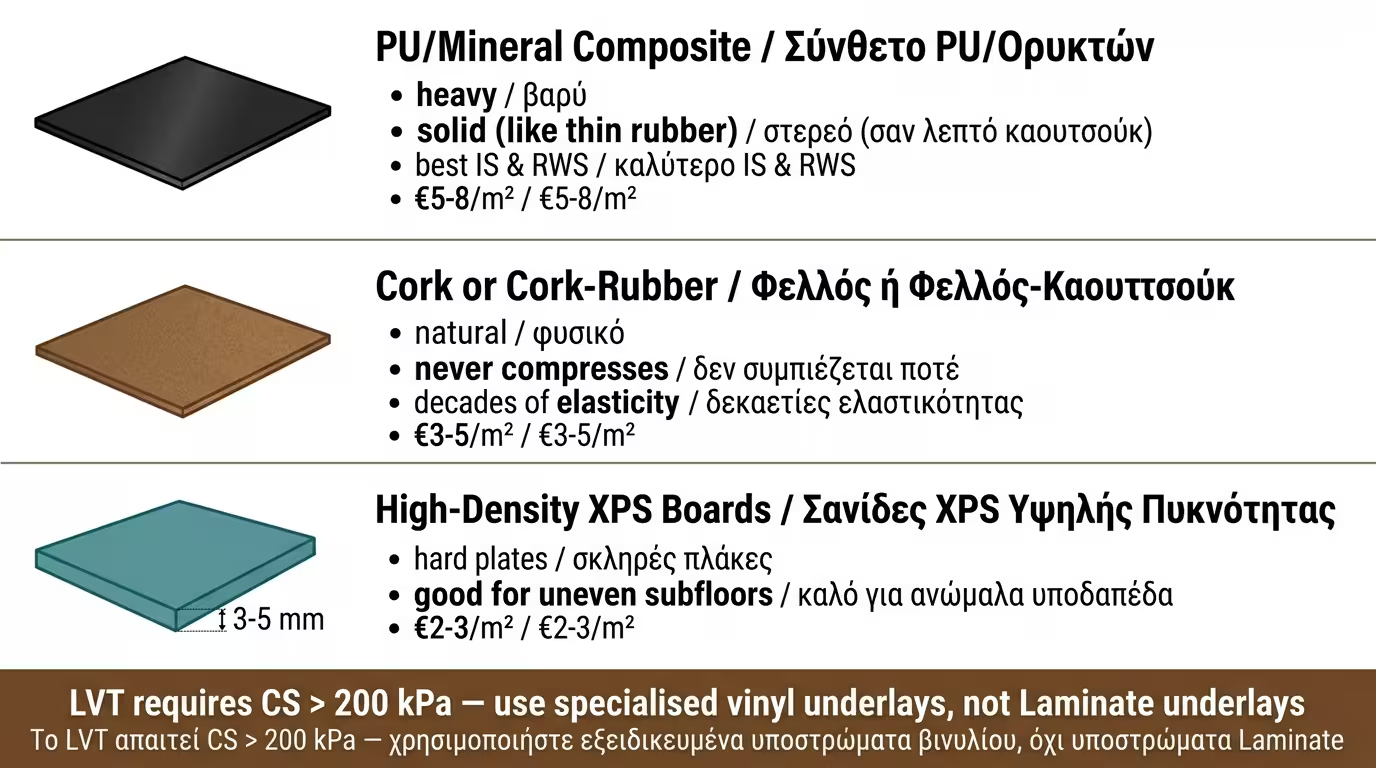
Instead of cheap PE, invest in these:
Warning - LVT is different! LVT (Luxury Vinyl Tile, click-fit) is much thinner and more flexible than Laminate. If you use a soft Laminate underlay under LVT, the click joints will break within a week! LVT requires specialised, very hard vinyl underlays (with a very high CS > 200 kPa) or thin rubber anti-vibration rolls, often with integrated adhesive backing (anti-slip).
We are laying new 8mm Laminate on top of old terrazzo tiles.
We accept the free white roll (worth €0.50/m²). Every time the cat runs, its claws sound like firecrackers (high RWS). When we walk, the neighbour below hears everything (low IS). Our floor feels "cheap" and "hollow".
We refuse the gift. We buy a heavy PU/Mineral underlay (about €6/m² - €100 total for the room). The floor is transformed! It sounds solid, "dead", as if we had screwed solid wood into the concrete. The neighbour hears nothing, and we enjoy a premium, silent floor.
The Final Conclusion: The underlay is the heart of the floating floor. It determines the sound, the feel underfoot and the lifespan. Don't spend €20/m² on beautiful Laminate and destroy it by sitting it on "thin air". Pay a little more for the right underlay.
Return to category.
Go to categoryReturn to the central guide.
Go to guide