
Plaster Types, Materials & Systems
The right material choice is the foundation of every durable structure. Learn the differences between traditional mortars, modern factory-mixed renders and decorative finishes.
See this categoryDiscover everything about plaster and renders in one comprehensive, practical guide. Whether you are a homeowner planning a renovation, a DIYer looking to fix a patch, or a professional engineer seeking technical specifications, you will find the answers here.
Browse the sections below and learn how to choose the right materials (from traditional mixes to modern thermal insulation systems), how to apply them correctly, and how to diagnose and permanently repair every crack or moisture problem.
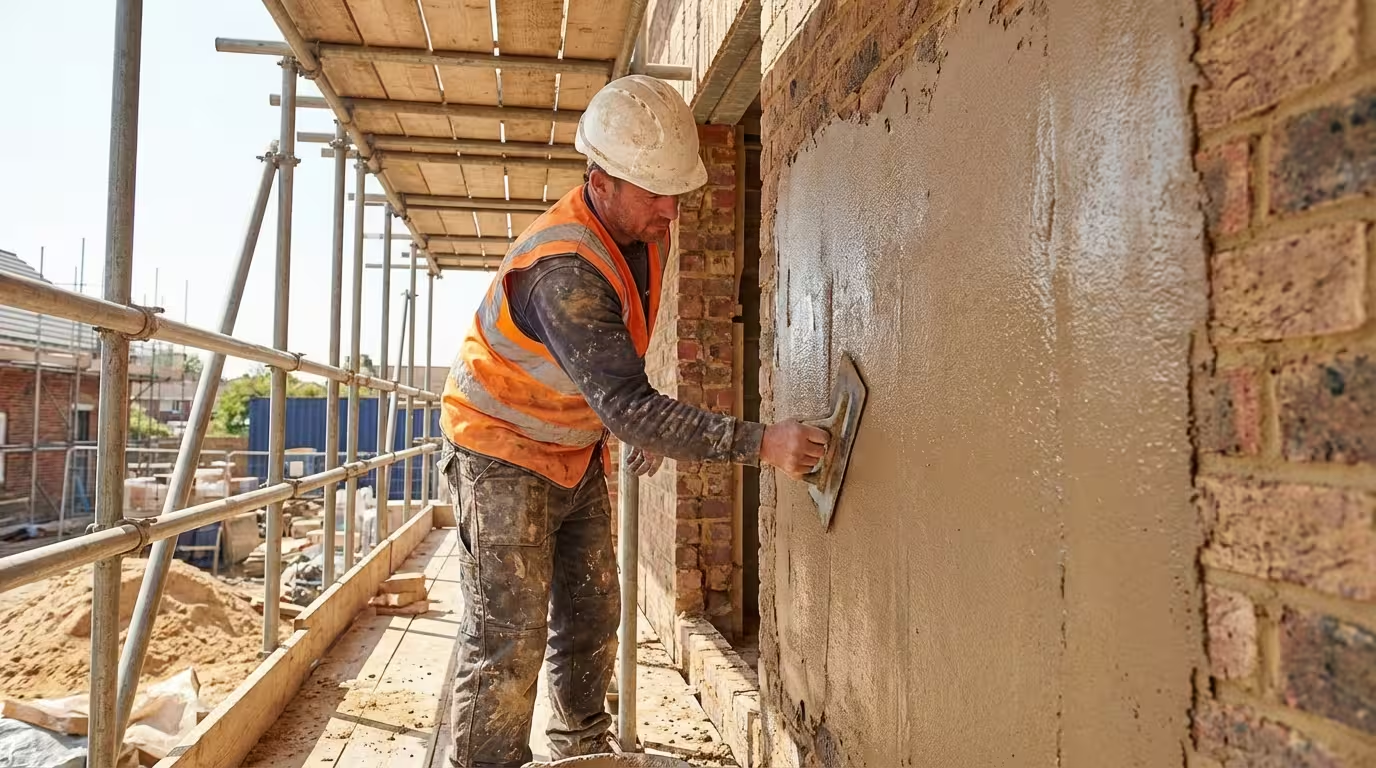
The right material choice is the foundation of every durable structure. Learn the differences between traditional mortars, modern factory-mixed renders and decorative finishes.
See this categoryTheory meets practice. Discover the secrets of proper preparation, step-by-step DIY guides and critical advice for construction site management.
See this categoryEvery defect has a cause. Learn to read the signs on your walls, from harmless hairline cracks to rising damp and salt efflorescence.
See this categoryGive permanent solutions to damage and protect your masonry. Practical guides for patching, full demolition and historic building maintenance.
See this categoryThe right material choice is the foundation of every durable structure. Learn the differences between traditional mortars, modern factory-mixed renders and decorative finishes, as well as the materials required for certified External Thermal Insulation Composite Systems (ETICS).
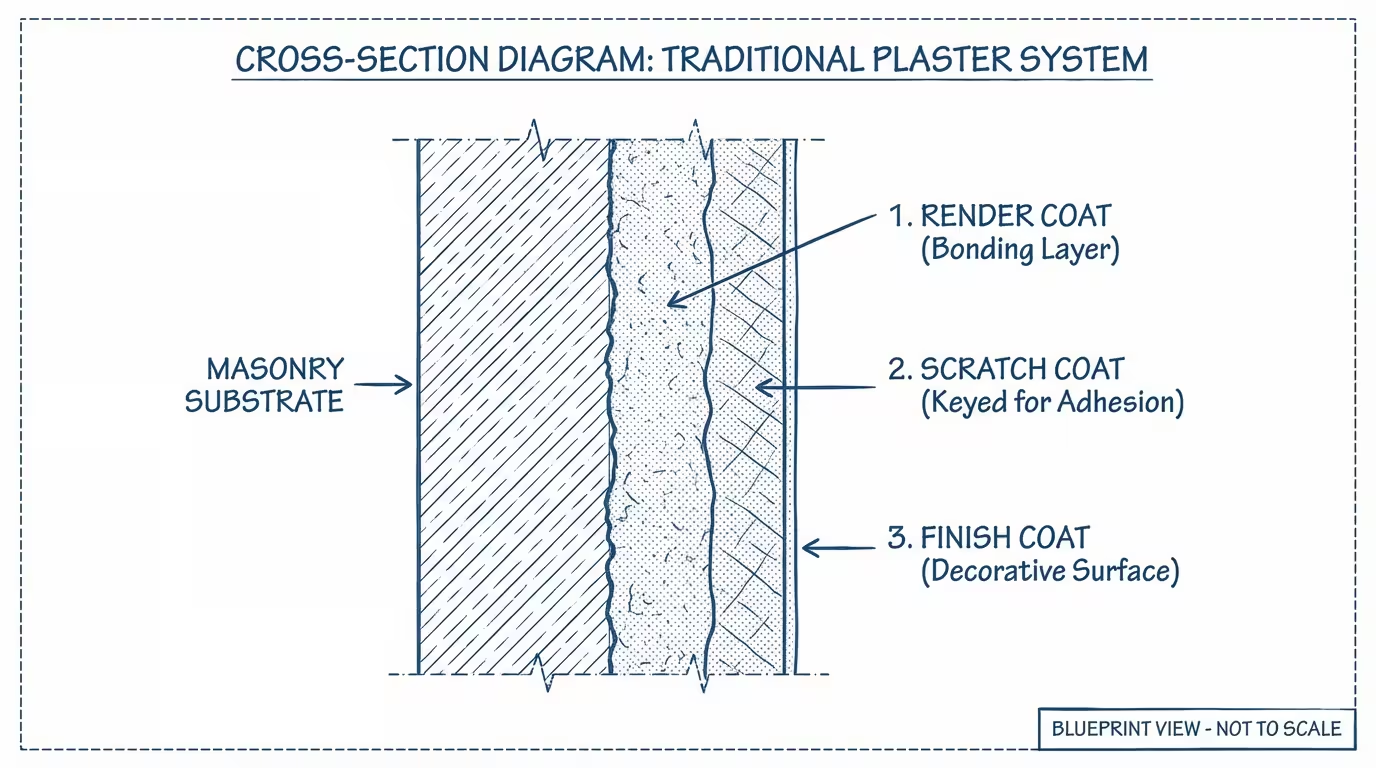
Spatterdash, scratch coat and final skim. How the traditional plastering system works and where it is applied.
A detailed comparison of the advantages, disadvantages, strengths and breathability of both materials.
Why factory consistency, quality control and site convenience are making pre-mixed renders gain ground.
A comparison of elasticity, water repellence and pollution resistance for the perfect external thermal facade.
Textures, grain sizes, application techniques and aesthetic choices for a unique architectural result.
Adhesive, mesh, primer and top coat. How to build a durable thermal facade step by step.
See all materials and systems in detail in the Plaster Types, Materials & Systems section.
Theory meets practice. Discover the secrets of proper preparation, step-by-step DIY guides and critical advice for construction site management. See detailed costs, mixing ratios and techniques that ensure a perfect result.
The most critical step before plastering for perfect adhesion and prevention of delamination.
Where it is placed, how it absorbs masonry stresses and how it protects the plaster from cracking.
The ultimate guide to mixing cement, sand and lime for a consistent result without errors.
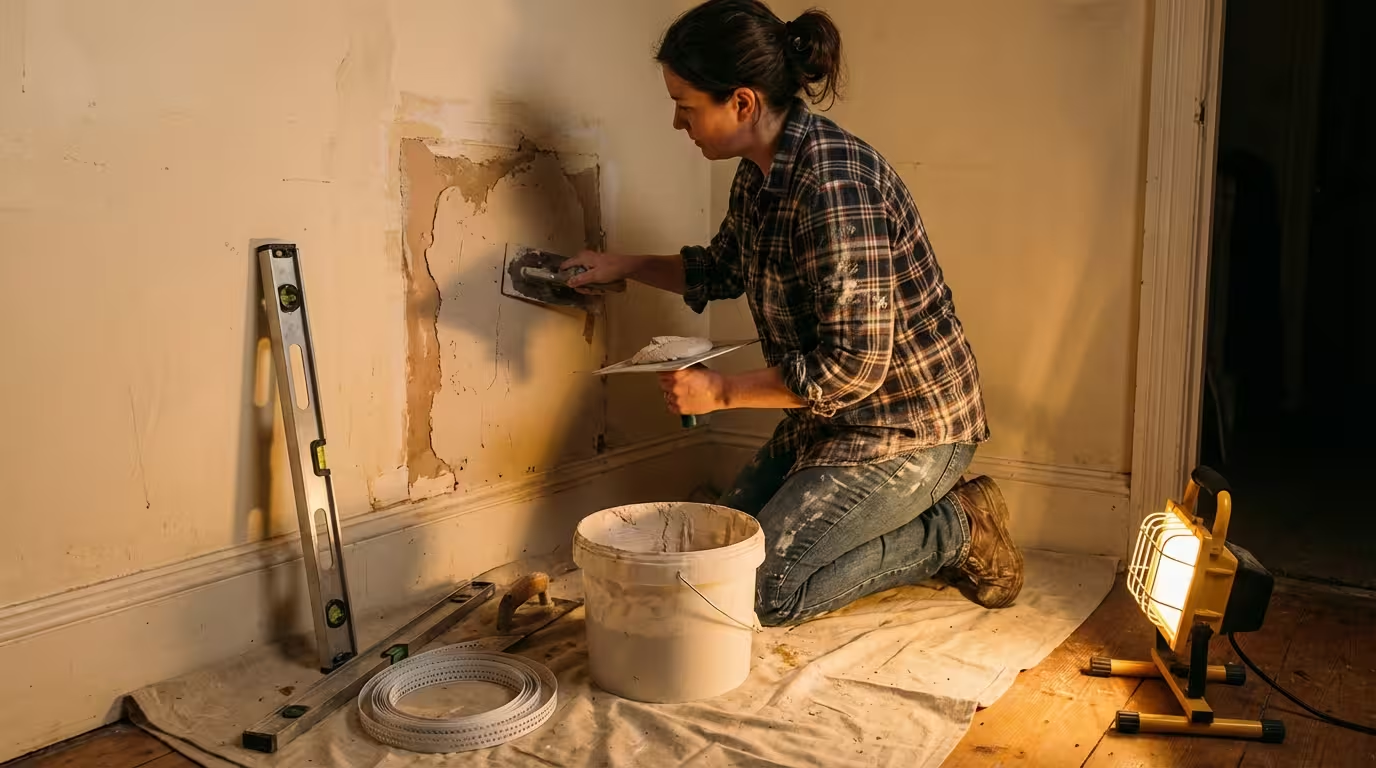
A detailed step-by-step guide for beginners who want to repair or plaster small surfaces.
Comparison of speed, labour cost and material uniformity for large-scale projects.
Price analysis per square metre, materials/labour breakdown and the 5 "hidden" renovation costs.
See all techniques and guides in Application, DIY Techniques & Project Management.
Every defect has a cause. Learn to "read" the signs on your walls. From harmless hairline cracks and blistering to destructive rising damp and salt efflorescence, we explain scientifically yet simply why a render fails.
Why a bad mix, excessive heat and rapid drying "crack" the wall surface.
How to tell dangerous cracks (from settlement/earthquakes) apart from expansion-contraction cracks.
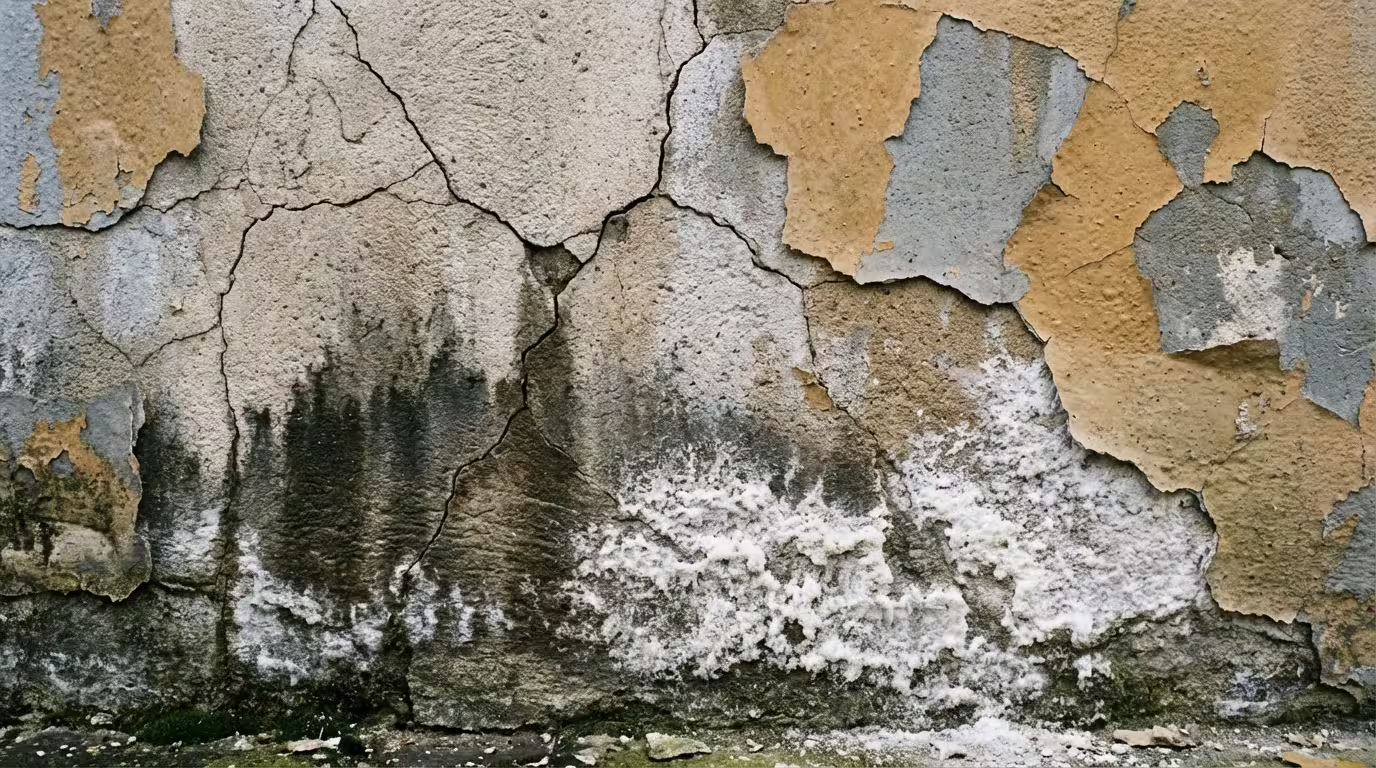
How to detect adhesion loss (with a light tap) and trapped moisture.
How water rising from foundations erodes and destroys renders at the base of walls.
What causes the white stains that appear externally and why they make paint peel.
Layer failure, poor mesh embedding and the most common mistakes that lead to cracking.
See detailed damage diagnosis in the Plaster Pathology, Cracks & Moisture section.
Give permanent solutions to damage and protect your masonry. Find practical guides for safe patching, see when full demolition is required, how to choose the right repair mortars and how to maintain historic and old buildings.
The right tools, V-cutting the crack, cleaning and filling with elastic fillers and mastics.
The correct procedure for removing the damaged section, priming and successful re-plastering.
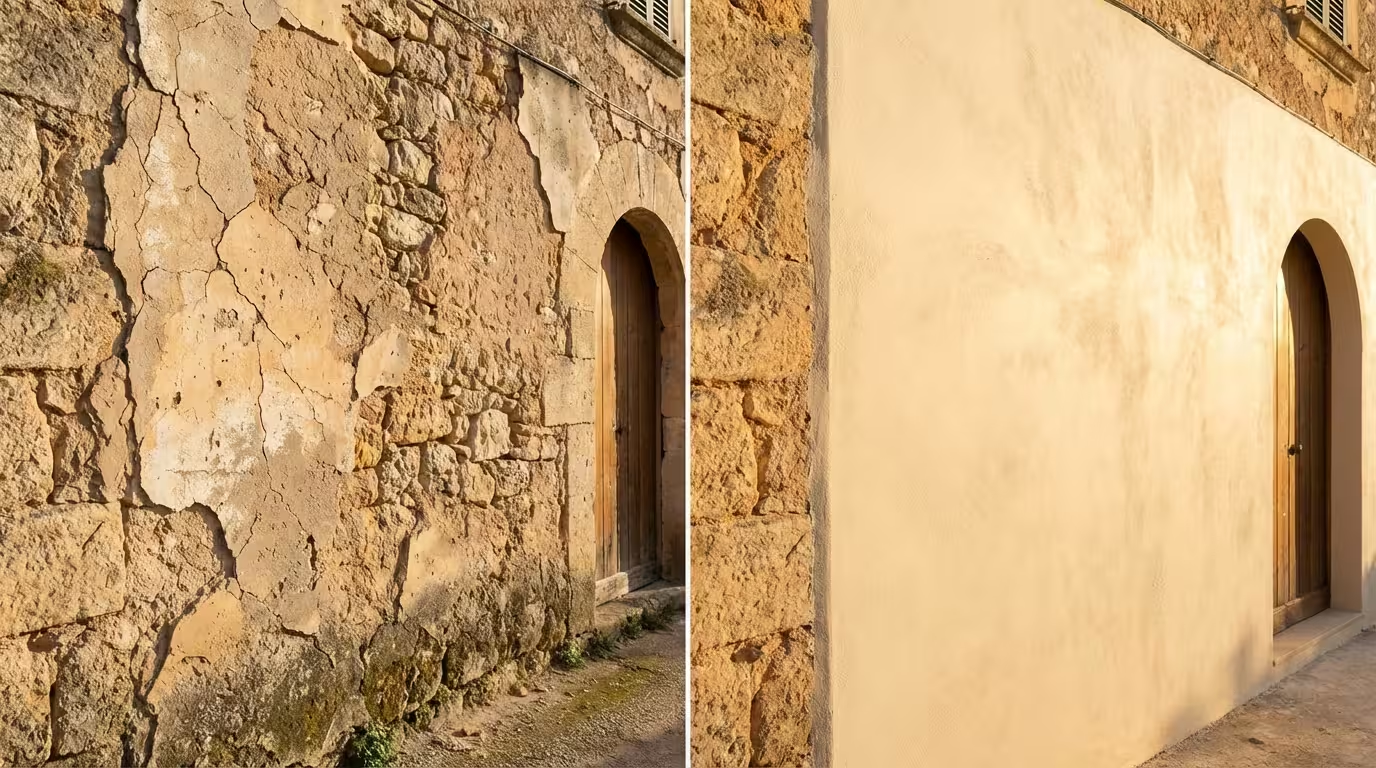
The technical criteria that show when local patching is insufficient and demolition is required.
Managing joints, protecting the stone's breathability and why ordinary cement is strictly prohibited.
What the R1 to R4 categories mean and how to choose the right material for structural or non-structural repairs.
Applying siloxane resins and primers for ultimate protection of the facade against moisture and rain.
See detailed repair techniques in the Repair, Restoration & Maintenance section.
If you are planning plastering, thermal facade installation or masonry restoration, we can plan the right technical approach for your property together.