Acrylic vs Silicone Renders: What to Choose for Your ETICS System

The decision to invest in an External Thermal Insulation Composite System (also known as ETICS) is perhaps the smartest move for the energy upgrade of your building. But, no matter how much money you spend on the best insulation material (EPS or mineral wool), the longevity of the entire system depends on just one thing: the final decorative render (finish).

This thin layer, just 1.5 - 2 millimeters thick, is your home's "shield" against the sun, rain, frost and pollutants. The two dominant "players" in the market are acrylic and silicone renders. Let's see who wins the battle and which one you should choose for your own project.

1. Acrylic Renders: The Affordable & Flexible Option

Acrylic (or paste) renders are based on acrylic resins. They are the most widespread and commercial option for external thermal insulation systems in recent years, mainly due to their excellent value for money.

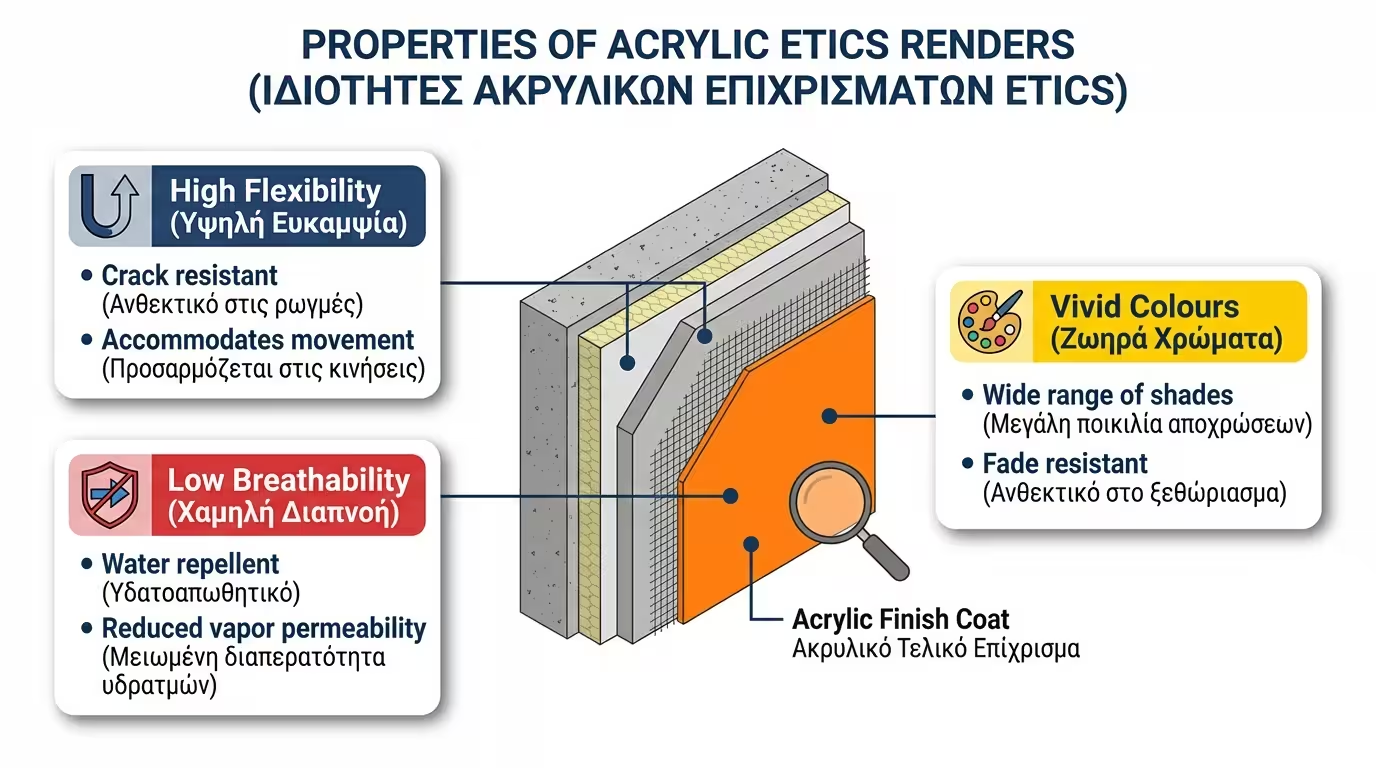
Acrylic render application on ETICS facade

Advantages

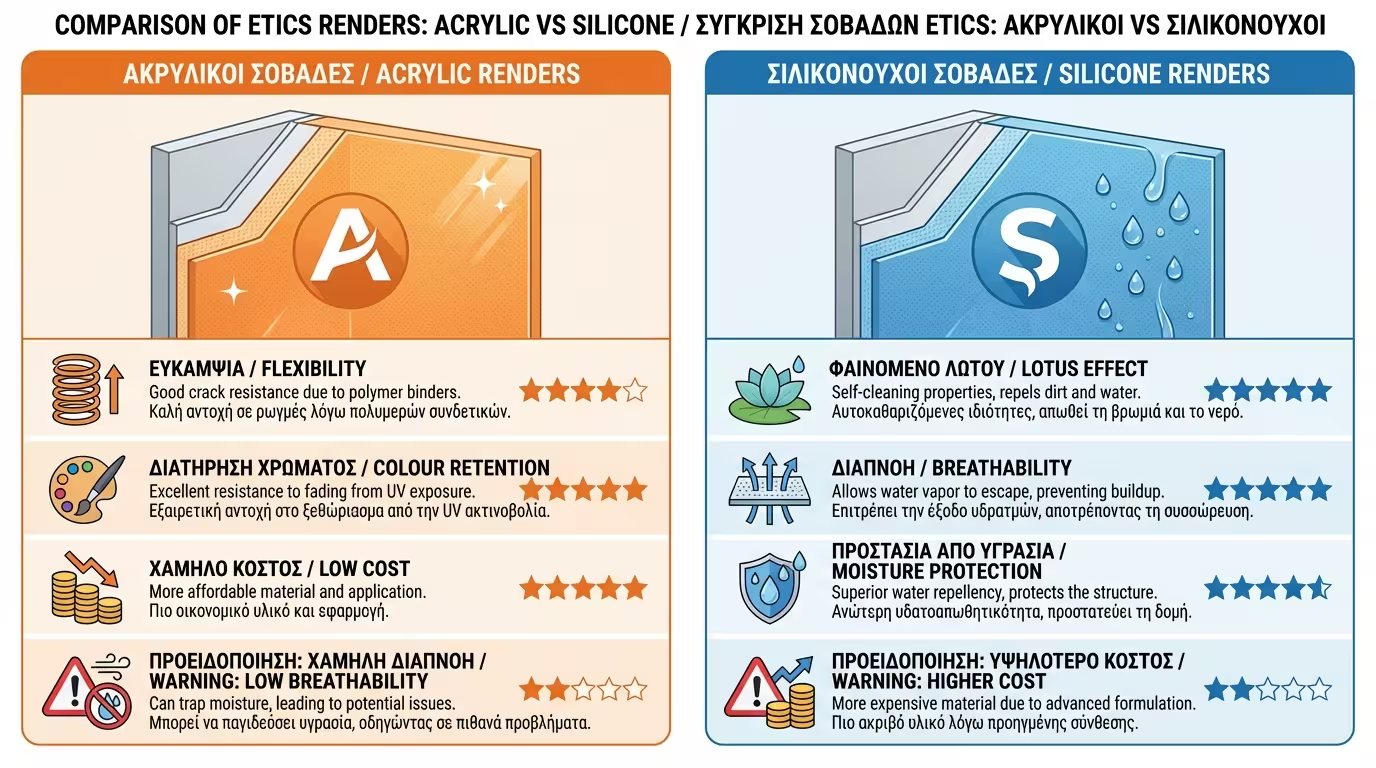
  • Top Flexibility: They are extremely elastic. They can follow the building's expansions and contractions (due to heat/cold) without cracking.
  • Vivid Colors: Acrylic resins "hold" pigments exceptionally well. If you want a facade in a very intense, dark color (e.g. deep red or anthracite), the acrylic render will keep it vivid for more years without fading easily.
  • Lower Cost: It is the most affordable option among certified ETICS systems.
Disadvantages

  • Low Breathability: They function almost like a "plastic film". They do not allow the house's water vapors to easily escape outwards.
  • Dirt Retention: They tend to be slightly thermoplastic (soften slightly in summer), causing dust and exhaust fumes to stick to them. Over the years, the facades may look "dirty".

2. Silicone Renders: The Premium Self-Cleaning Option

Silicone renders represent the evolution of coating technology. They contain silicone resins, which give them unique properties that fully justify their higher price.

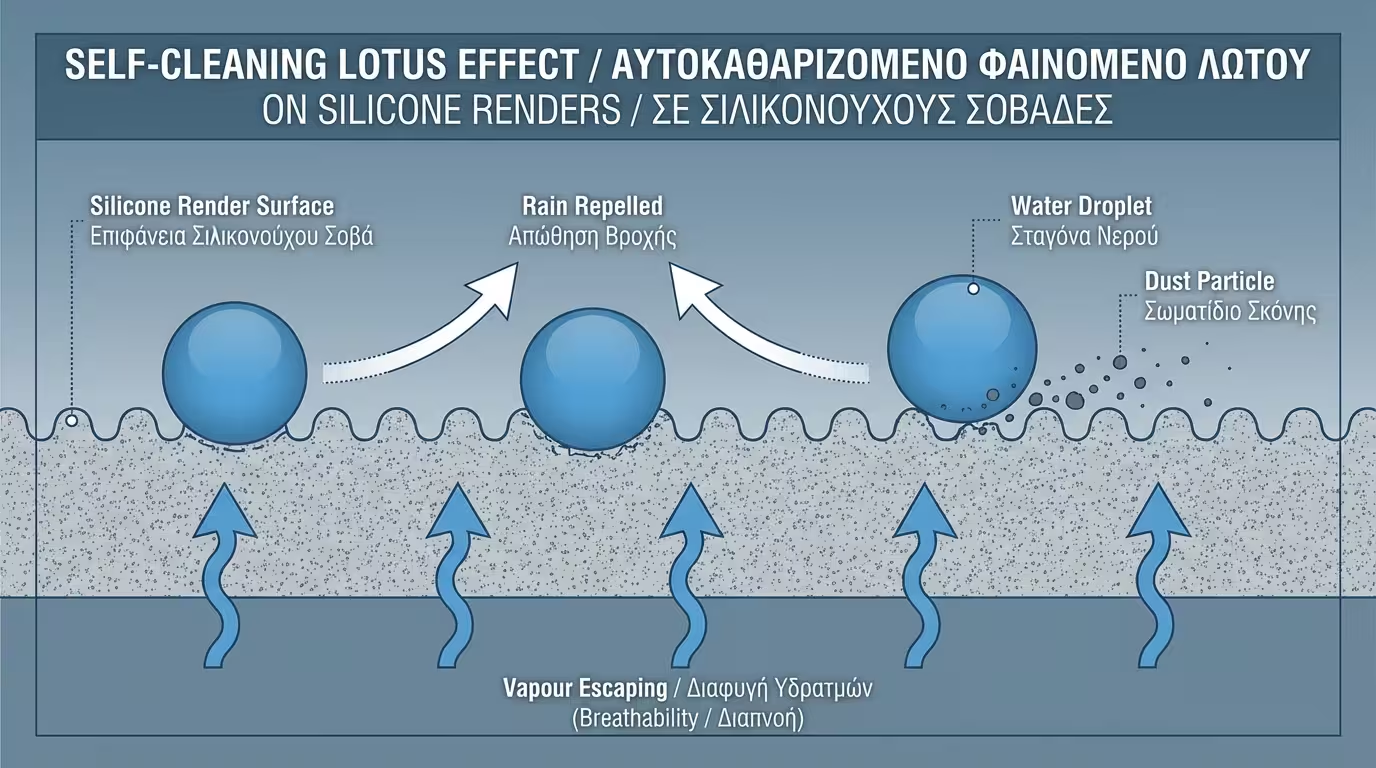
Silicone render with lotus effect self-cleaning surface

Advantages

  • The Lotus Effect (Self-cleaning): Their surface is extremely hydrophobic. When it rains, water does not spread, but forms droplets (pearls) that roll down, washing away all dust and pollutants with them. The wall washes itself!
  • Excellent Breathability: Unlike acrylics, silicone renders allow the masonry to "breathe" freely, preventing mould growth inside the house.
  • Maximum Moisture Protection: They fully repel rainwater, protecting the insulation material from getting drenched.

Disadvantages

  • Higher Cost: They are significantly more expensive than acrylics (about 20-30% difference in material price).
  • Limitation in very dark shades: Although technology has improved, historically they "hold" very intense colors slightly less than acrylics.

Comparison At a Glance

Comparison table: acrylic vs silicone renders for ETICS
Characteristic Acrylic Render Silicone Render
Flexibility (Crack resistance) Excellent Very Good
Breathability (Wall breathing) Low Excellent
Dirt Resistance (Cleanliness) Moderate Top (Self-cleaning)
Purchase Cost Affordable Premium (High)
Insulation Compatibility Only EPS / XPS EPS, XPS & Mineral Wool

Selection Guide: Which One to Choose?

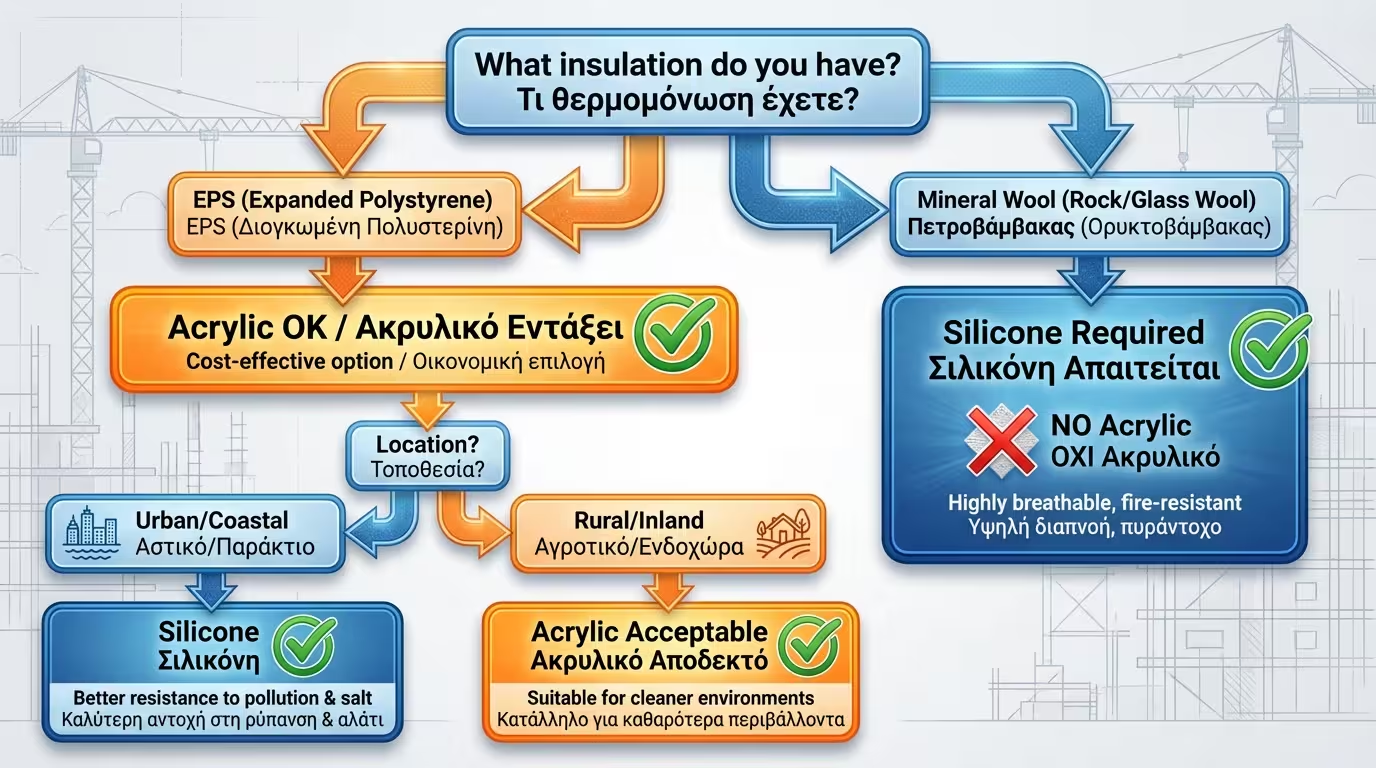
The choice is not only about your budget, but mainly about where the building is located and what insulation material you have installed underneath:

Decision diagram for choosing ETICS finish render

Choose Silicone if:

  • The building is located in an area with heavy fumes (city center) or a lot of dust. Your wall will remain clean.
  • You have chosen Mineral Wool as insulation material. Mineral wool "breathes", therefore it REQUIRES a breathable render (silicone), otherwise moisture will be trapped and the system will be destroyed.
  • The house is located in an area with high humidity or near the sea.

Choose Acrylic if:

  • You have a limited budget.
  • You want an exterior facade in a very vivid/dark color.
  • You have installed expanded polystyrene (EPS) as an insulation material, which anyway has lower breathability, so the acrylic render fits perfectly as a system.
The Primer Secret: Whether you choose acrylic or silicone, the primer applied before the final render (over the mesh) MUST be of exactly the same chemical base (acrylic primer for acrylic render, etc.) and tinted in exactly the same shade as the render.

Related Articles

Preview