
Unsuitable Sand (Sea Sand)
In the past (or in areas near the sea), many used sea sand to make the render mix, without washing it properly. This sand is full of chloride salts which will "come out" to the surface for decades.
Have you ever noticed a white, crystalline powder resembling snow or cotton sprouting above the skirting boards, around old cracks or on external walls? Many rush to blame the painter for "bad paint" or try to clean it with bleach, thinking it's some kind of mould.
In reality, you're facing efflorescence (salt deposits). It's not a fungus, nor a paint defect. It's a purely chemical reaction warning you that somewhere there's hidden water. Let's see how these white stains form and how you can get rid of them the right way.
For salts to appear on the wall's surface, three factors must coexist simultaneously:
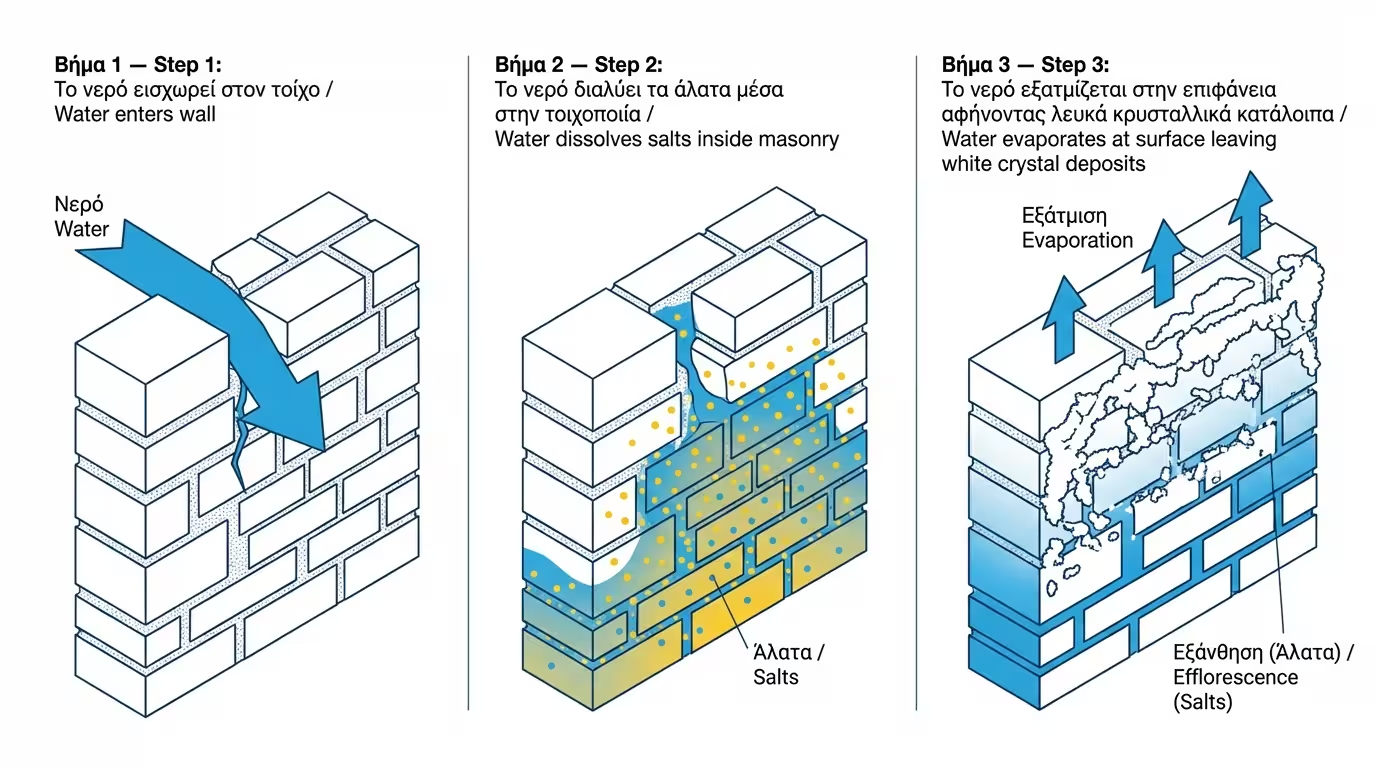
The Mechanism: Water trapped in the wall (whether from a leak, rain, or foundations) moves outward seeking an exit. On its way, it dissolves the salts naturally present in the render and brick. When this "salty" water reaches the wall's surface, it meets the air and evaporates. The water leaves, but the salts stay behind, creating these characteristic white crystals.
It's the most common homeowner mistake. A wrong diagnosis leads to the wrong treatment:
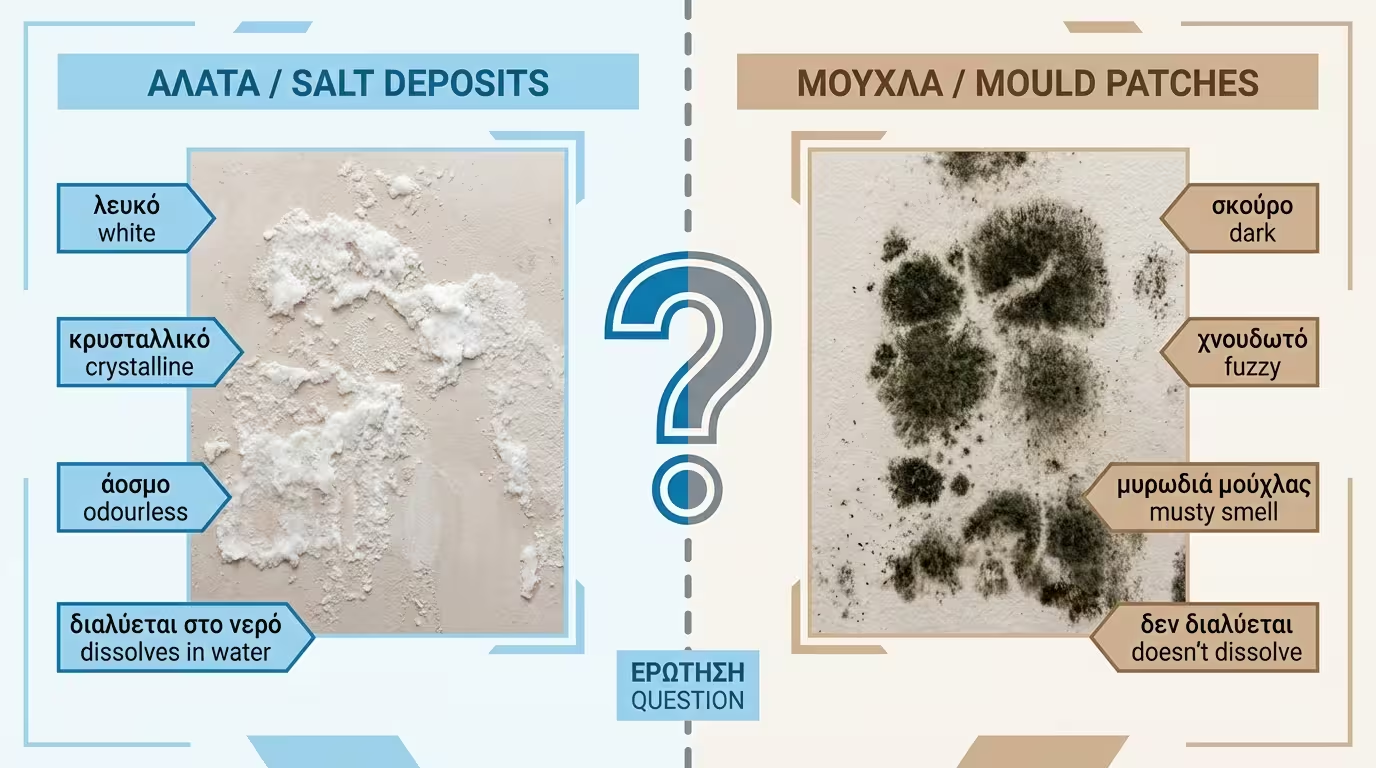
| Characteristic | Efflorescence (Salts) | Mould (Fungi) |
|---|---|---|
| Colour | Always white or very light grey | Black, green, brown, grey |
| Texture | Crystals, powder or hard crust | Fluffy or slimy patch |
| Smell | Odourless (absolutely nothing) | Strong musty/damp smell |
| Water reaction | Dissolves when rubbed | Doesn't dissolve, smears |
| Cause | Moisture passing through the wall | Surface moisture (condensation) |
Salts don't sprout from nowhere. Their main sources in construction are:
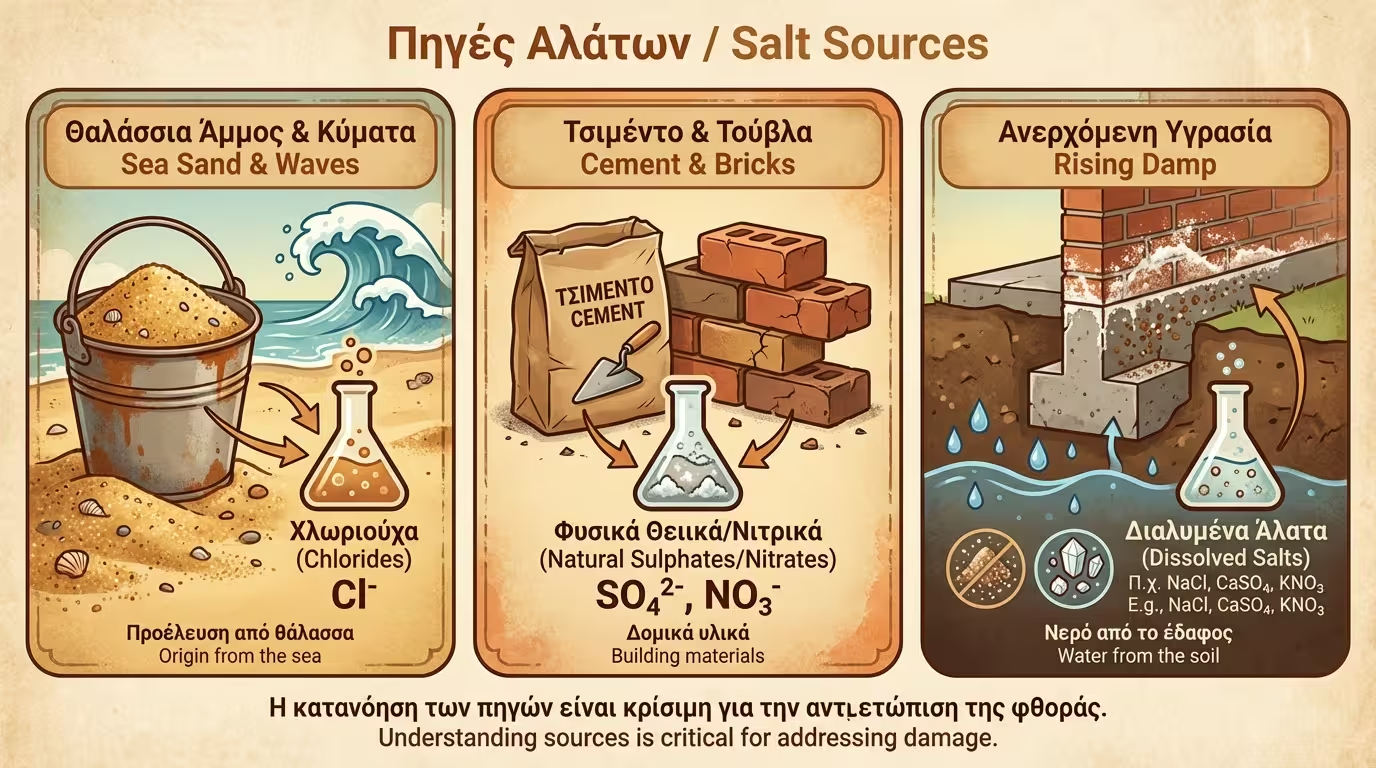
In the past (or in areas near the sea), many used sea sand to make the render mix, without washing it properly. This sand is full of chloride salts which will "come out" to the surface for decades.
All cementitious materials naturally contain salts (mainly sulphates and nitrates).
As we saw in the previous article (Rising Damp), groundwater is rich in salts and transports them into the wall through the pores.
The Wet Sponge Trap: When homeowners see the white powder, their first instinct is to grab a wet cloth or sponge and wash it. This is the worst thing you can do! By pouring water onto the salts, you simply dissolve them again and push them back into the render's pores. A few days later, when the wall dries, they will reappear in exactly the same spot, perhaps even stronger.
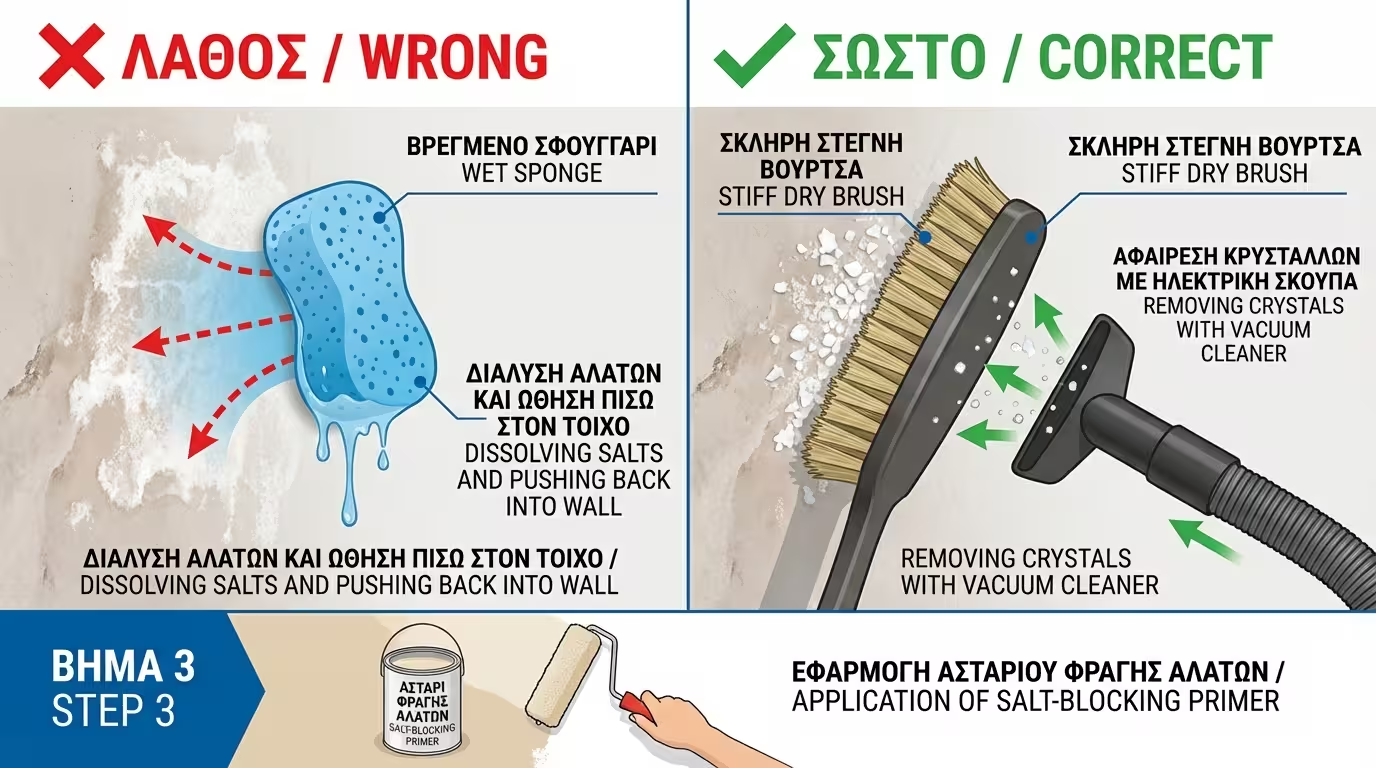
Remove the white powder STRICTLY DRY. Use a stiff brush (with plastic or wire bristles if the wall is rough) and scrub the salts. You can also use a vacuum cleaner to suck up the falling dust.
Salts are the symptom, not the disease. If you don't stop the water (e.g. if you don't fix the crack where rain gets in externally or the pipe leak), the salts will continue to appear forever.
If the wall has dried completely, we must prevent the remaining salts from destroying the new paint.
Return to category.
Go to categoryReturn to the central guide.
Go to guide