
Mistake #1: Simple Filling & Painting
As we explained, the new filler will fill with salts again in a few months. It's money thrown away.
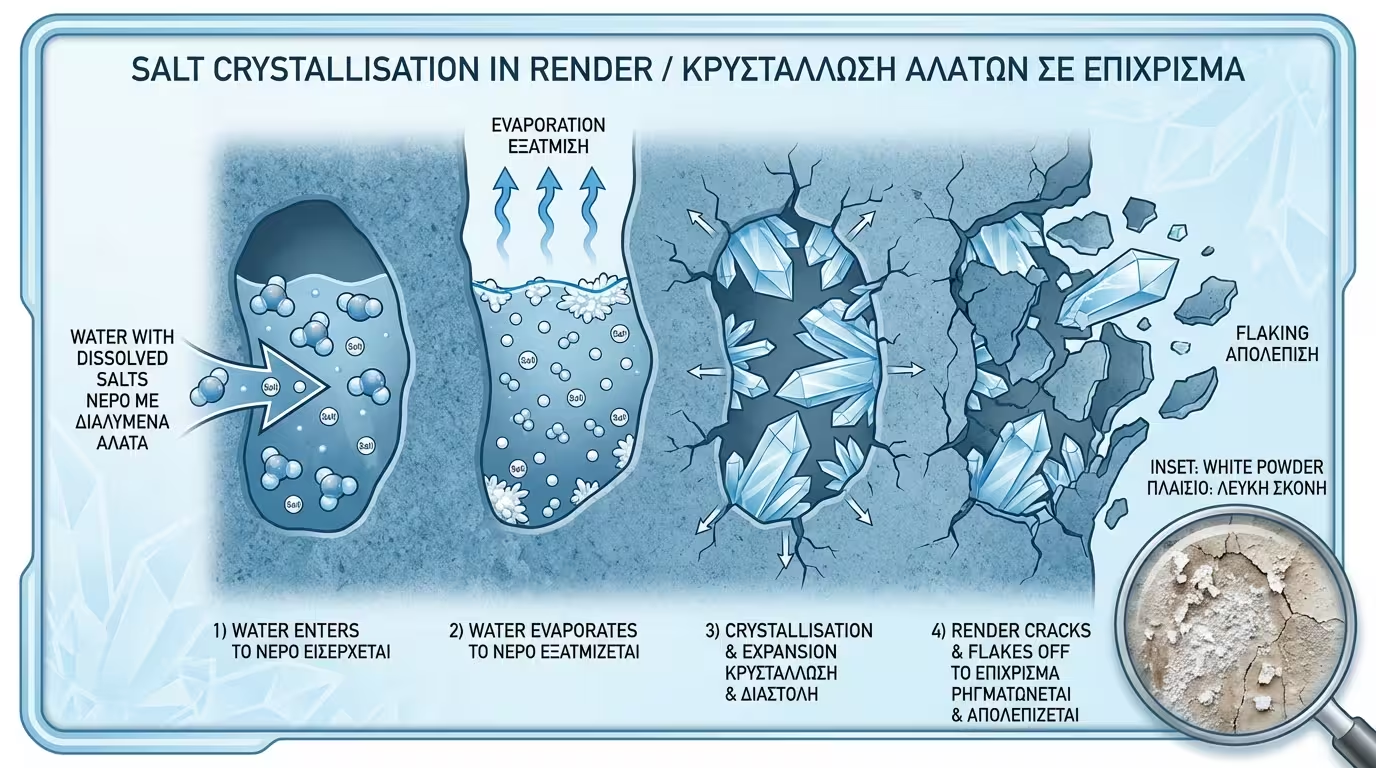
It's a familiar sight to most owners of older ground floor houses or basements: The paint right above the skirting board starts to swell, the render cracks, a white powder makes its appearance, and finally the material crumbles and falls to the floor.
You scrape the wall, fill it, paint it again, and the next year the problem returns in exactly the same spot. This endless and costly cycle is due to rising (or capillary) damp. Let's see how this phenomenon works and why simple painting will never save you.
The building materials of your house (concrete, bricks and traditional render) are porous. They are full of microscopic holes and small tubes (capillaries).
If your house's foundations are in contact with damp soil and proper waterproofing (damp-proof course) was not installed during construction, the wall's bricks start to behave like a sponge you rested in a puddle of water. Groundwater "climbs" upward, defying gravity.
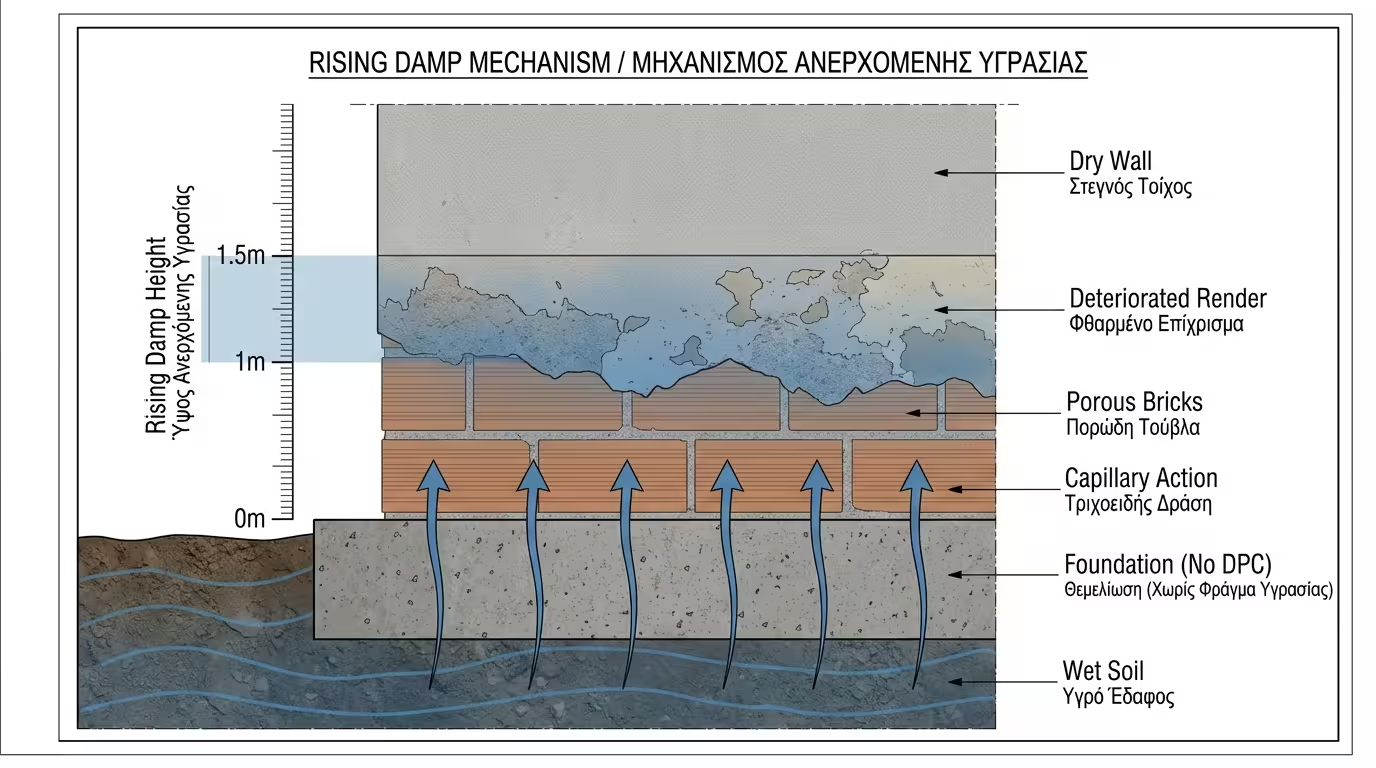
Many believe that the water itself is what brings down the render. Wrong. The real destroyer is the salts (nitrates, sulphates, chlorides) that are dissolved in the groundwater.
If you are facing rising damp, avoid these "quick fixes" that actually worsen the situation:
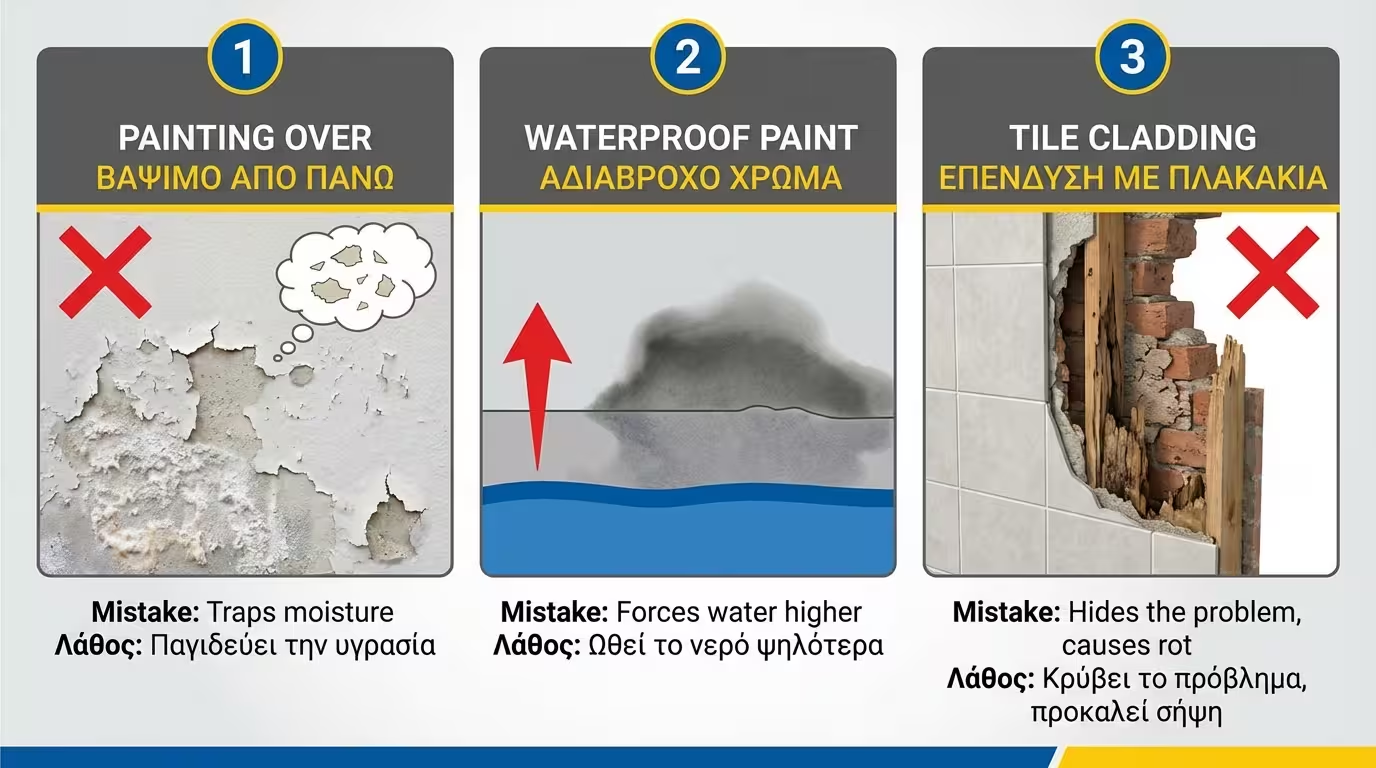
As we explained, the new filler will fill with salts again in a few months. It's money thrown away.
If you paint the lower part of the wall with a heavy elastomeric or 100% waterproof paint to "seal" the moisture, the water will simply look for another way out. Since it cannot evaporate low down, it will "climb" higher on the wall, transferring the problem half a meter upwards.
Cladding the damp wall with tiles simply hides the problem from your eyes. The moisture will continue to weather the bricks internally and will cause a strong smell of mold.
To stop rising damp, the intervention must be done on two levels: at the water source and at the wall's surface.
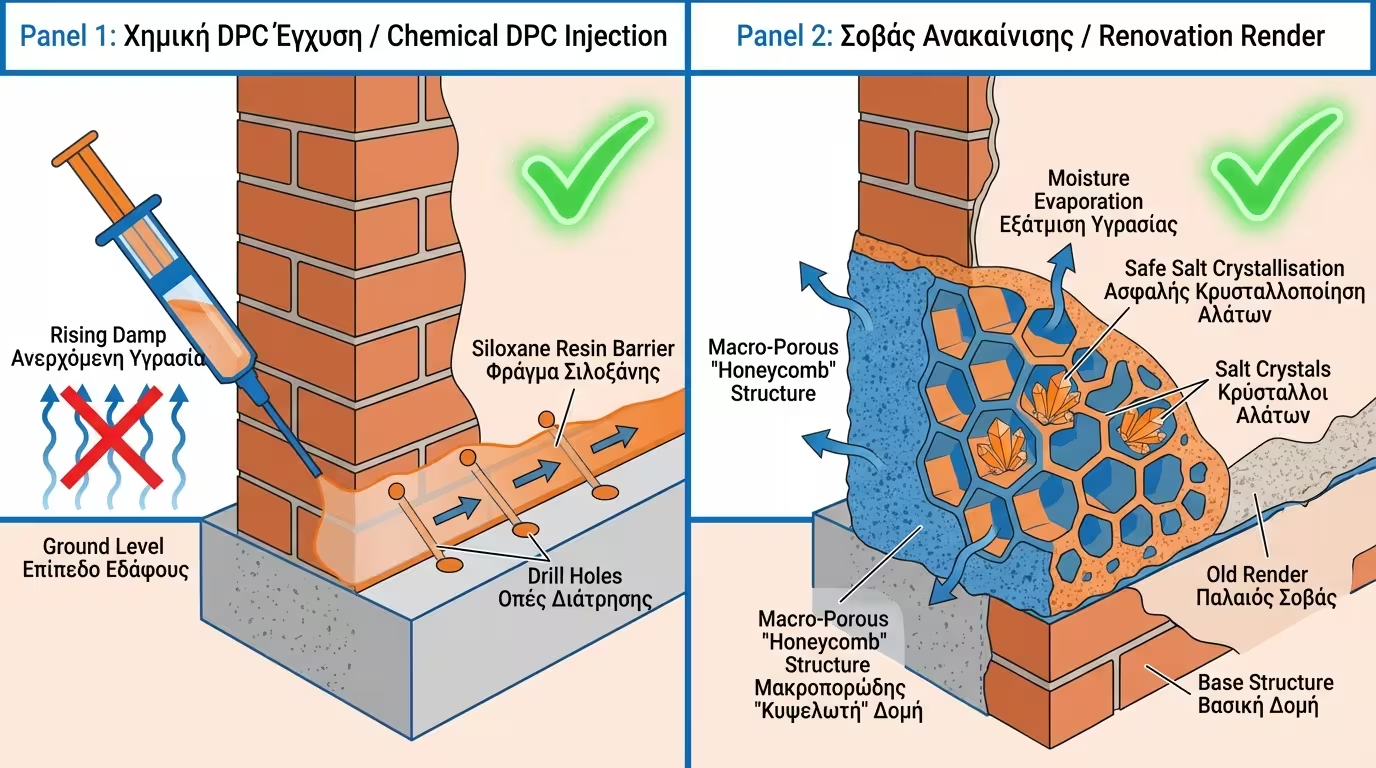
The most modern and reliable method to "cut" the water is chemical injections. Specialized crews open a series of holes low on the wall (in the first row of bricks) and introduce special hydrophobic resins (siloxanes). These resins spread inside the brick's pores and create a horizontal, impenetrable barrier. Water can no longer rise.
Even if you stop the new water from rising, the old render is already contaminated with salts and must be demolished (torn down) at least half a meter above the visible sign of moisture. The new mortar to be applied is forbidden to be simple cement render or gypsum. A certified Dehumidifying Render (Category R - Renovation plaster) must be used.
The Secret of Dehumidifying Renders: These materials have been manufactured with a macroporous structure. Their pores are huge (like honeycombs). They allow the wall to "breathe" freely, while giving plenty of space to the salts to crystallize inside them, without breaking the surface. Thus, the wall dries naturally and the paint remains intact for decades.
Return to category.
Go to categoryReturn to the central guide.
Go to guide