
🌧️ Mechanical Erosion
Rainwater, hitting with force on the already weakened (by the sun) surface, carries away the free dust and sand grains. Over the years, the thickness of the render decreases.
You look at the exterior of your house and you realise it bears no resemblance to how it looked ten years ago. The colour has faded, the textured finish has smoothed out in some areas, and if you run your hand over the wall, your fingers get covered with a fine, coloured powder.
It's not necessarily the fault of the applicator who did the work. The external render (and its paint) fights a daily battle with the elements of nature. This gradual, natural wear is called degradation (or ageing). Let's see how the sun, rain, and pollution work together to "eat" your render and how you can prolong its life.
The biggest enemy of paints and modern paste renders (acrylic/silicone) is not water, but the sun. Ultraviolet (UV) radiation has the ability to break the chemical bonds of materials.
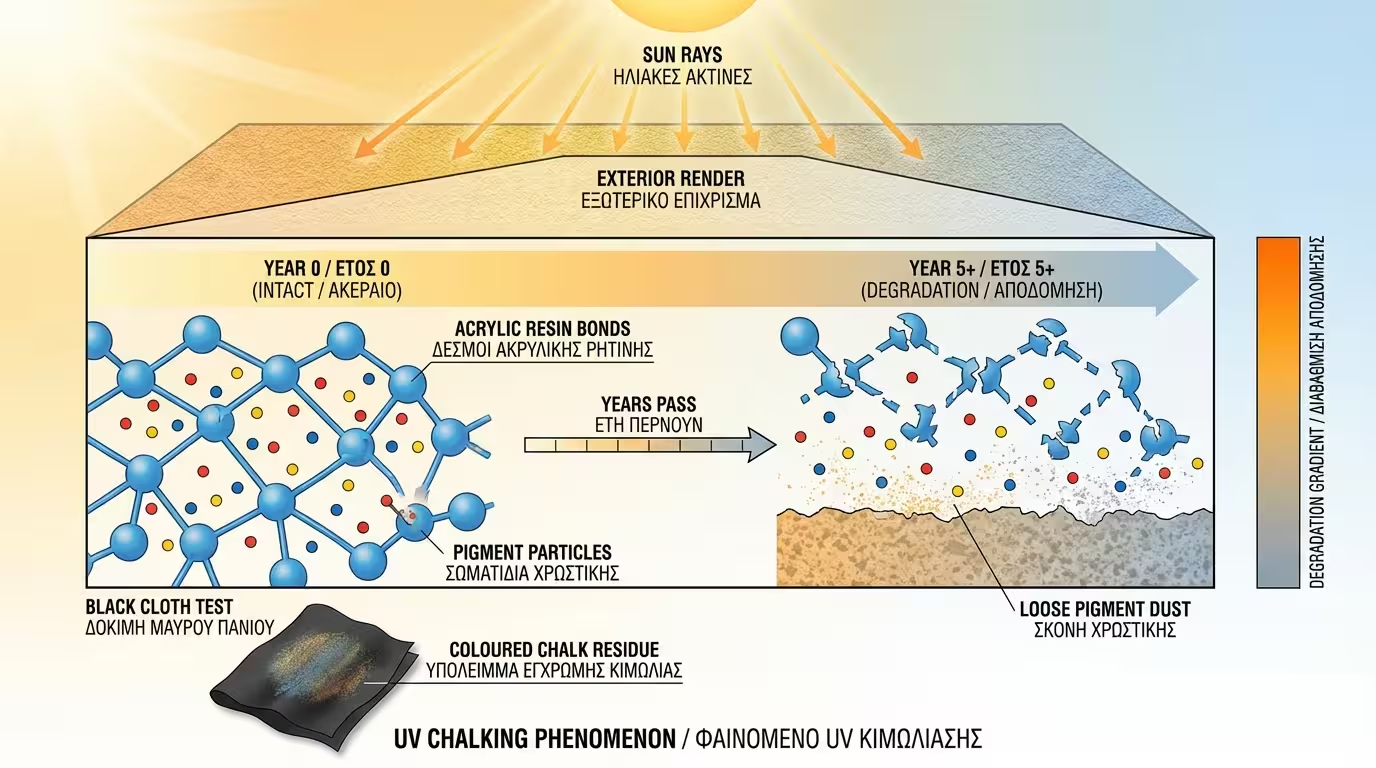
While the sun does the groundwork (breaking down the resins), the rain comes in to complete the work of degradation.
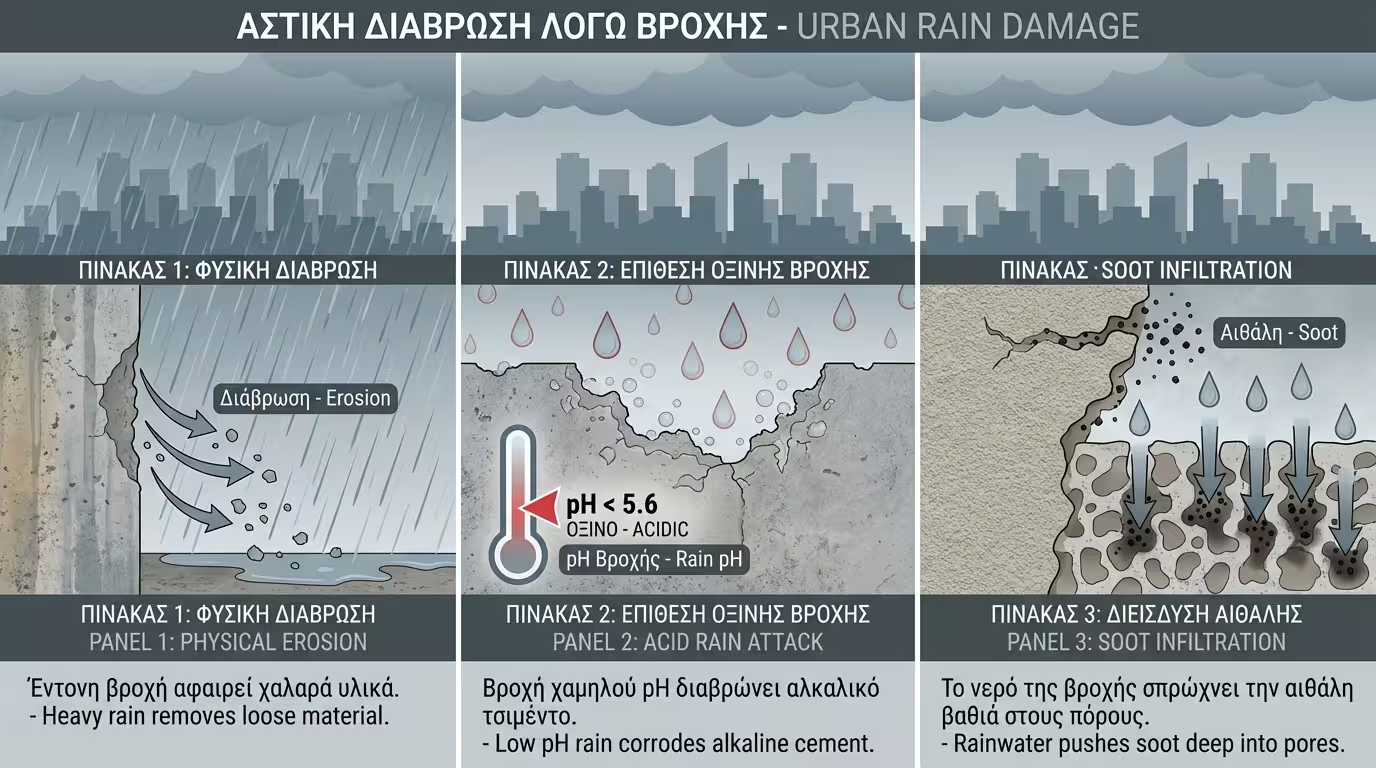
Rainwater, hitting with force on the already weakened (by the sun) surface, carries away the free dust and sand grains. Over the years, the thickness of the render decreases.
In large urban centres, the rain mixes with atmospheric pollutants and becomes slightly acidic (low pH). Traditional cement render and lime are alkaline materials (high pH). When the acid of the rain meets the alkaline cement, a chemical erosion begins that "eats" the skin of the wall.
If your house is on a main road, degradation is accelerated by exhaust fumes (soot). Micro-pollutants stick to the pores of the dried render. When it rains, the rain doesn't wash them away, but "soaks" them deeper into the material, giving the building that classic, dirty greyish look that cannot be cleaned with a hose.
How long does a render ultimately last before it starts showing the signs of ageing?
| Finish Type | UV (Sun) Resistance | Rain / Pollution Resistance | Expected Time Until Maintenance |
|---|---|---|---|
| Plain Cement Render + Cheap Emulsion Paint | Low (Heavy Chalking) | Medium | 5 - 7 years |
| 100% Acrylic Exterior Paint | Good | Good | 8 - 12 years |
| Acrylic Paste Render (ETICS) | Very Good | Excellent Waterproofing (But soils easily) | 12 - 15 years |
| Silicone/Siloxane Paste Render | Excellent | Excellent (Self-cleaning) | 15 - 20+ years |
If your wall has suffered heavy chalking and degradation, simply painting over it is money thrown away. The new paint will stick to the dust and peel off in a few months. The maintenance procedure requires proper preparation:
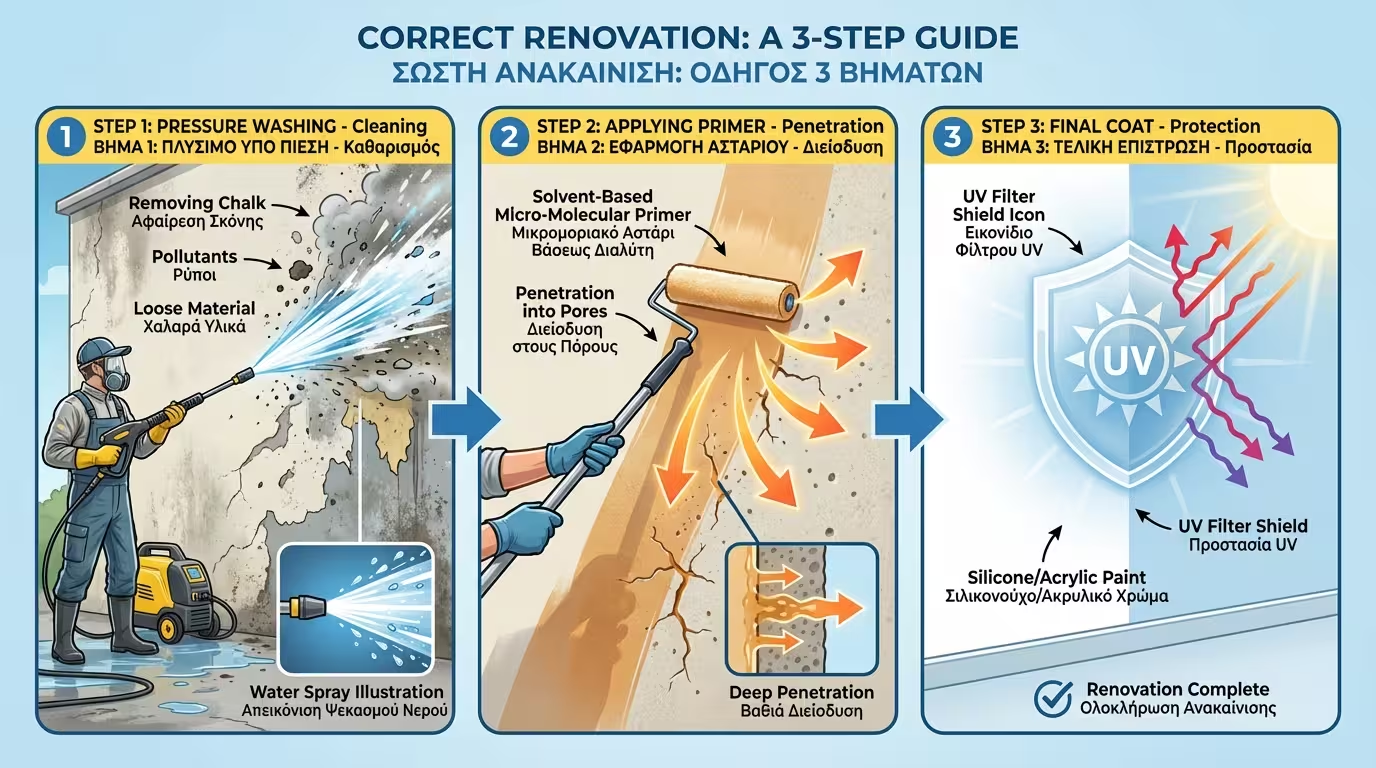
Because the old render has become porous, it needs a micro-molecular solvent-based acrylic primer (or silicone primer). This liquid will penetrate deep into the pores, "re-bind" the friable particles, and create a solid base.
Don't skimp on the final paint. Choose 100% acrylic or silicone paints, which feature built-in UV filters. If the house already has small hairline cracks, choose an elastomeric paint that acts like a flexible membrane and follows the expansions and contractions of the building.
⚠️ The Secret of Preparation: The first step is always washing. Use a pressure washer (hydroblasting) at medium pressure to wash away all the chalking dust, pollutants, and loose pieces. Let the wall dry completely.
Return to category.
Go to categoryReturn to the central guide.
Go to guide