ETICS Lifespan: Environmental Factors and Protection

External Thermal Insulation (ETICS) is not just a coat of paint. It is a complex, multi-layered "cloak" that wraps around your home, keeping it warm in winter and cool in summer. But like any exterior element, it lives permanently on the "front line" battling nature.

When you invest thousands of euros in an external insulation system, it's natural to wonder: "How many years will it last before needing demolition or major repair?" The theoretical (laboratory) answer from manufacturers is often "25 to 30 years". The real answer, however, depends entirely on the microclimate of your area and, most importantly, whether you leave the system to fend for itself. Let's look at the biggest environmental enemies of external insulation and how you can protect it.

1. The 4 Major Enemies of External Insulation

The durability of the system is mainly determined by the external, thin layer (the 1.5 - 2 mm thick pasty render). If this fails, water will penetrate inside and destroy the insulation.

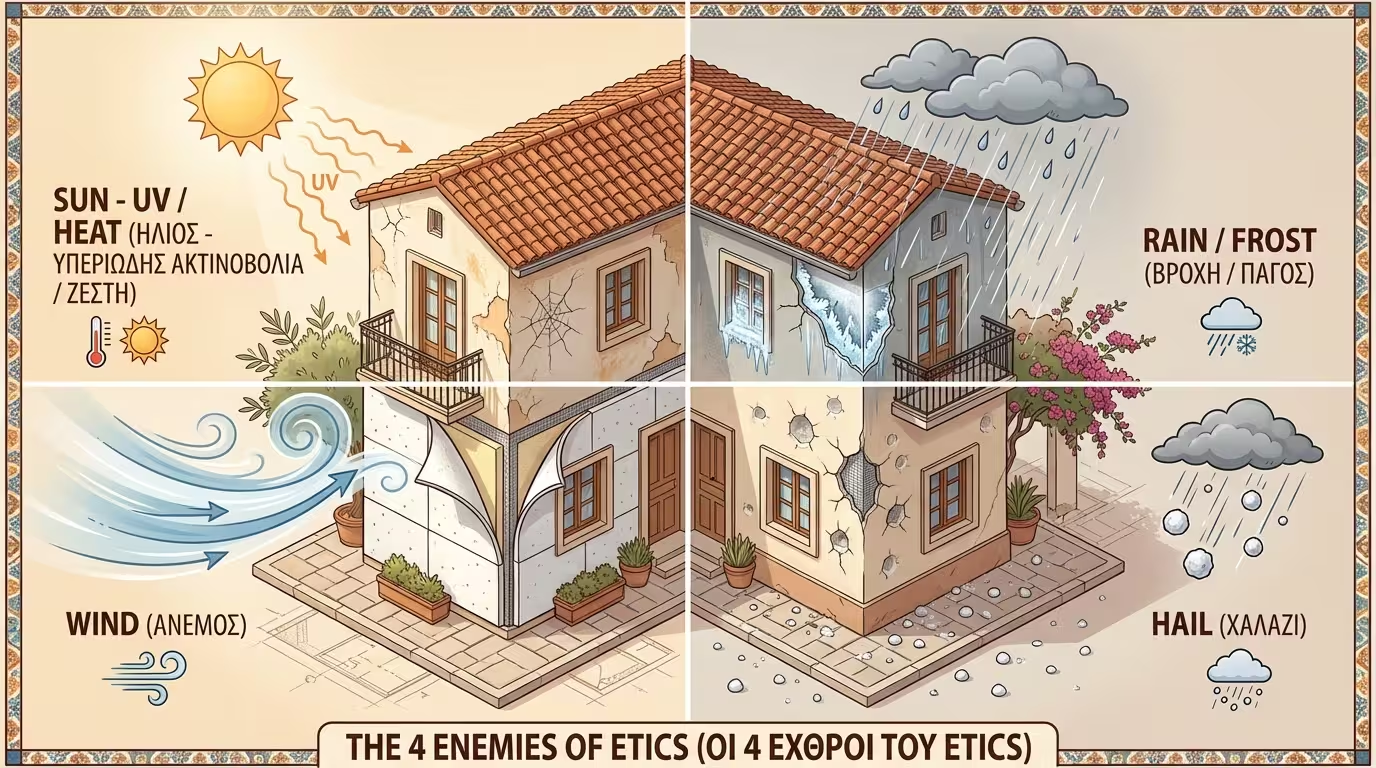
The 4 enemies of ETICS: Sun (UV/heat), Rain/Frost, Wind, Hail

☀️ 1. The Sun (UV Radiation & Thermal Shock)

The ultraviolet (UV) rays of the sun polymerise and "bake" the acrylic resins of the final render. Over the years, the render loses its elasticity, fades (chalking) and becomes brittle.

The Danger of Dark Colours: If the facade is painted in a dark colour (e.g., anthracite), the surface absorbs huge amounts of heat (exceeding 70°C in the summer). These violent thermal expansions and contractions can "break" the render or detach the fibreglass mesh.
🌧️ 2. Rain and Frost

ETICS is water-repellent, not waterproof like a plastic bag. Persistent rain (especially if it pools on sills or edges) gradually soaks the coating.

The Worst-Case Scenario: If water manages to get behind the render (through a small crack) and the temperature drops below zero, the water will freeze. The expansion of the ice will "pop" the render off (spalling).

🌪️ 3. The Wind (Wind Pressure & Suction)

In tall buildings or areas with strong winds (e.g., islands), the wind doesn't just "push" the wall. It creates suction (pulls the wall outwards). If the adhesive and anchors haven't been installed correctly (as we analyzed in a previous article), the wind can rip off entire polystyrene boards.

🔨 4. Mechanical Impacts (Blows & Hail)

ETICS systems are "soft" because they are based on polystyrene or mineral wool. A hard hit from a ball, carelessly parking a bicycle, or a severe hailstorm can puncture the external render, creating backdoors for moisture.

2. The Annual Visual Inspection

External insulation is like a car: it needs its annual "service" to reach 30+ years of life. Every autumn, take a walk around the house.

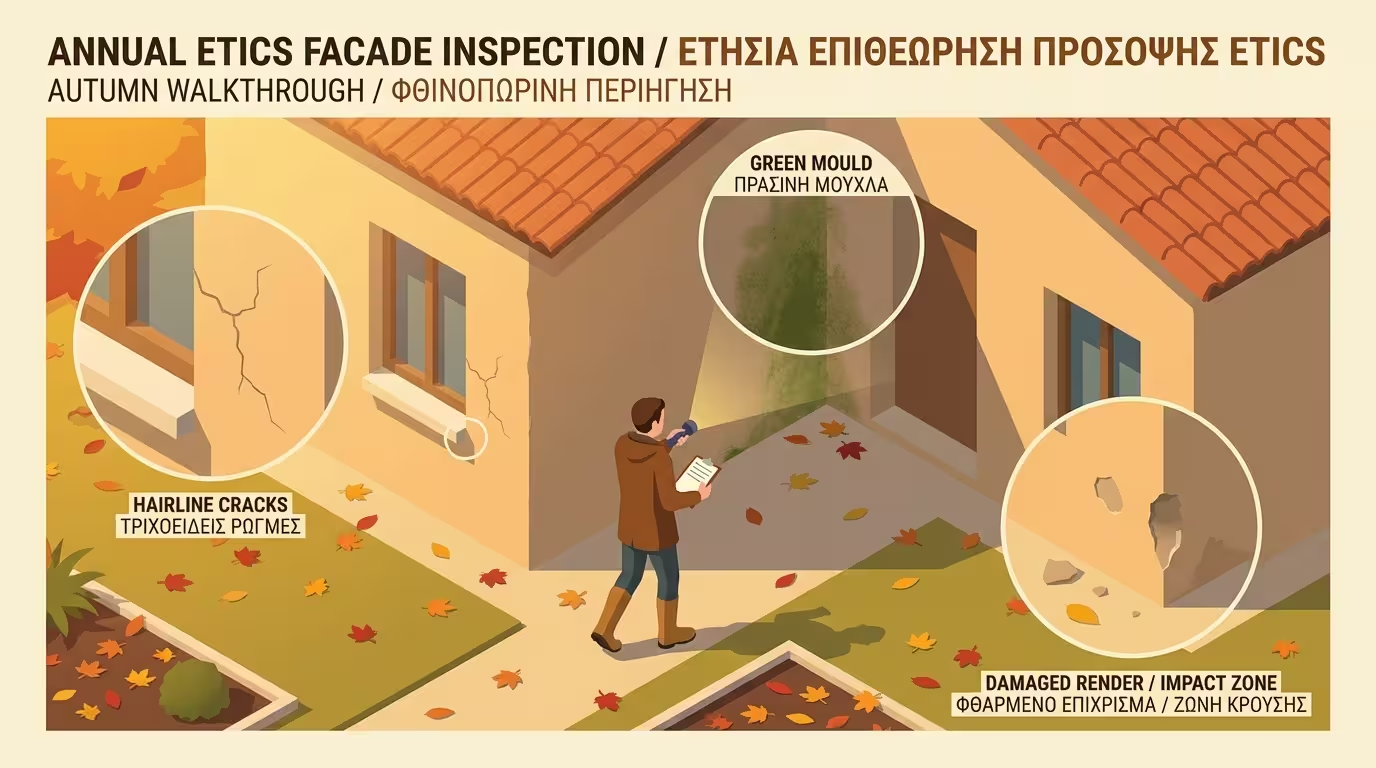
Thoroughly look for fine cracks, especially around windows, doors, and building corners. Check for black or green spots (mould/algae) in places the sun doesn't reach (North-facing sides) and for damage low down, in the "high-impact zone" (the first 1.5 metres from the ground).

Autumn inspection walk around the house: cracks, mould, low-level damage

3. Micro-Crack Repair & Gentle Cleaning

Beyond the visual inspection, two more moves can double the lifespan of your external insulation:

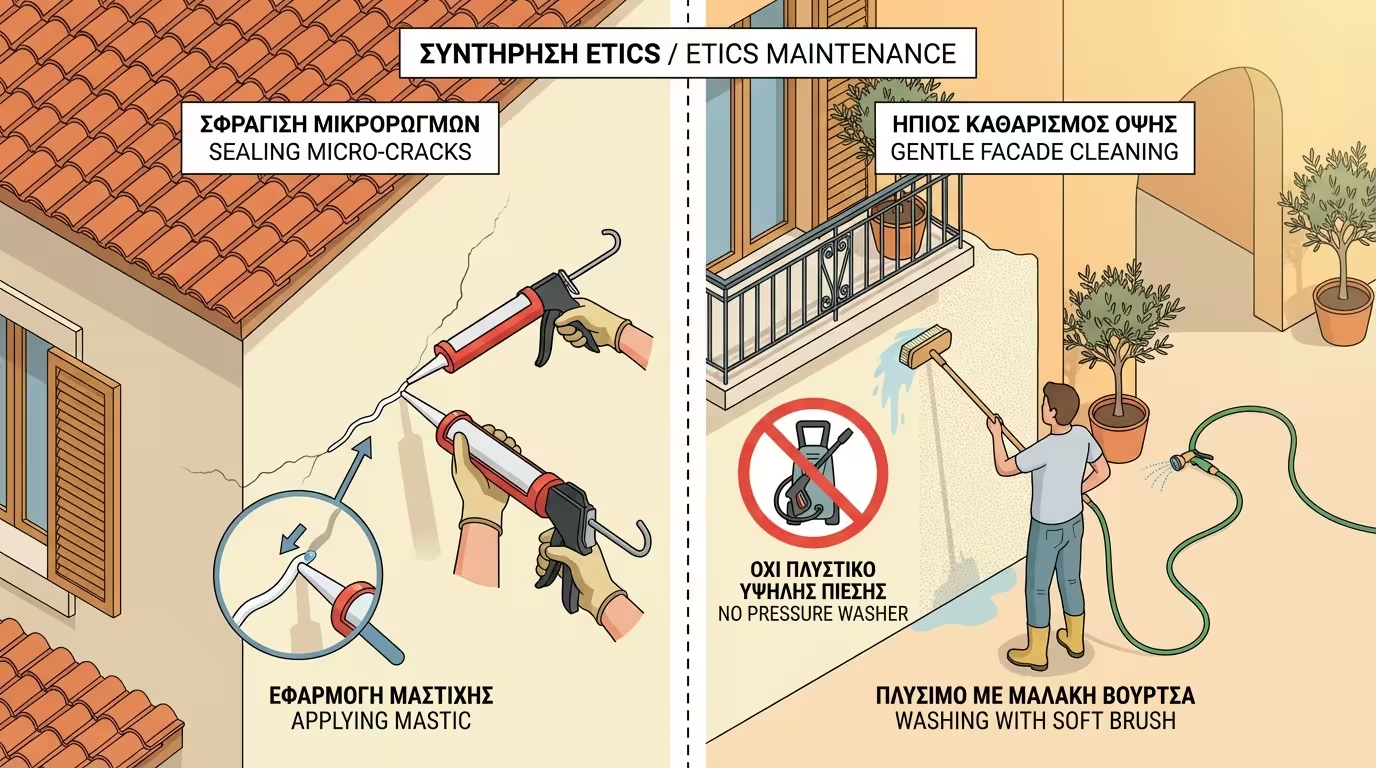
Sealing micro-cracks with mastic and gentle facade cleaning with a soft brush

1️⃣ Immediate Repair of Micro-Cracks

If you see a crack in the ETICS, don't wait for it to grow. A one-millimetre hole is enough to let water into the system. Immediately seal any hairline crack with an exterior-grade polyurethane mastic, before the winter cold begins.

2️⃣ Gentle Cleaning (Beware of Pressure Washers!)

City dust and pollutants settle on the rough texture of the render, providing food for fungi. If you want to wash the facade, using high-pressure water (hydroblasting) or spraying from very close is prohibited. The pressure washer's jet can "cut" the thin render like a knife. Wash the wall with a simple garden hose, a soft brush, and a mild cleaner.

4. Expected Wear Timeline

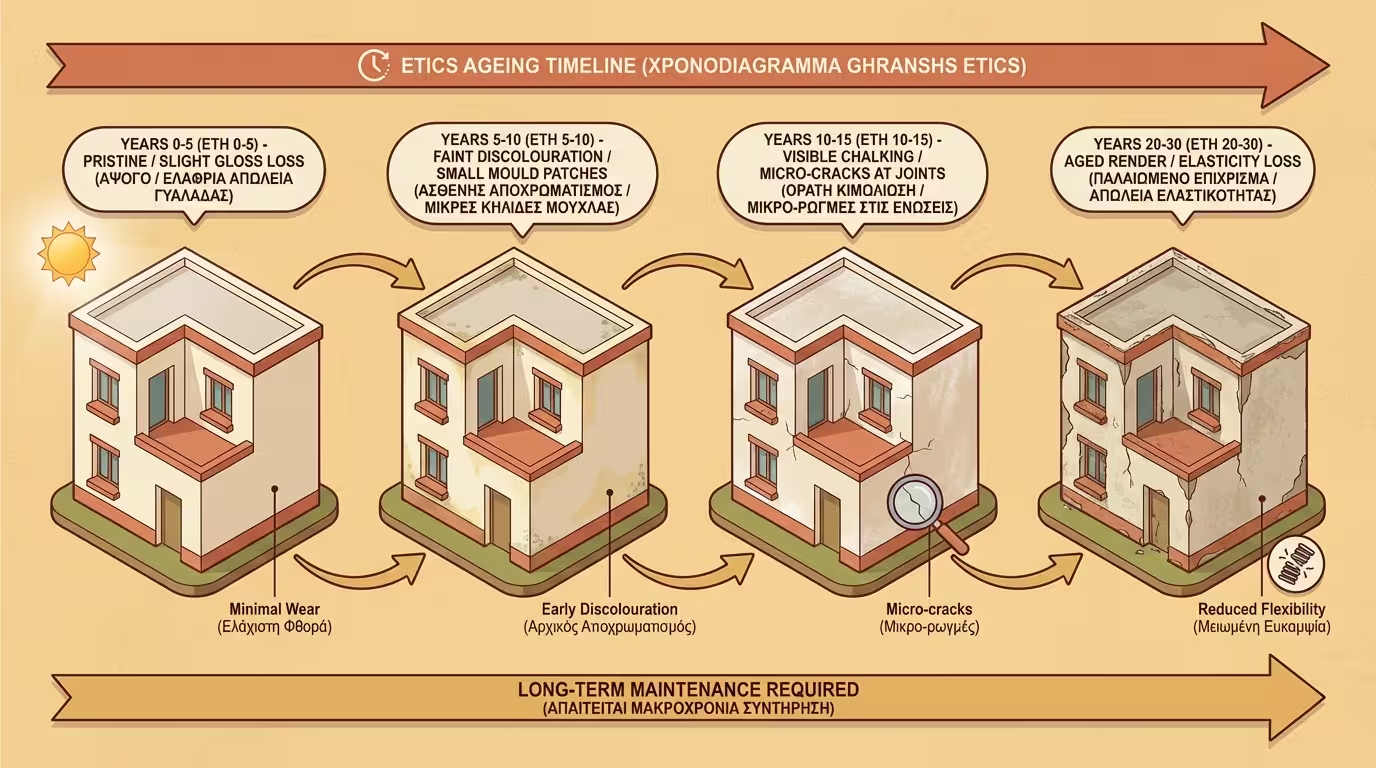
ETICS wear timeline: from the 1st year to the 30-year mark.

What to expect to see gradually in a properly installed ETICS system:

Years Since Application Expected Condition Required Maintenance Action
0 - 5 Years Like new (loss of gloss) Simple visual inspection.
5 - 10 Years Slight fading, appearance of dirt/mould on north sides Local washing, use of biocide for fungi.
10 - 15 Years Visible chalking, possible micro-cracks in joints Sealing cracks, perhaps repainting with elastomeric paint for renewal.
20 - 30 Years Marginal strength of final render (loss of elasticity) Inspection by an engineer, preparation for radical maintenance/recoating.

Related Articles

Preview