
How to Properly Repair a Crack
No more quick-fix fillers. Learn the correct process: V-cut opening, deep cleaning, proper priming and filling with the right materials.
Read more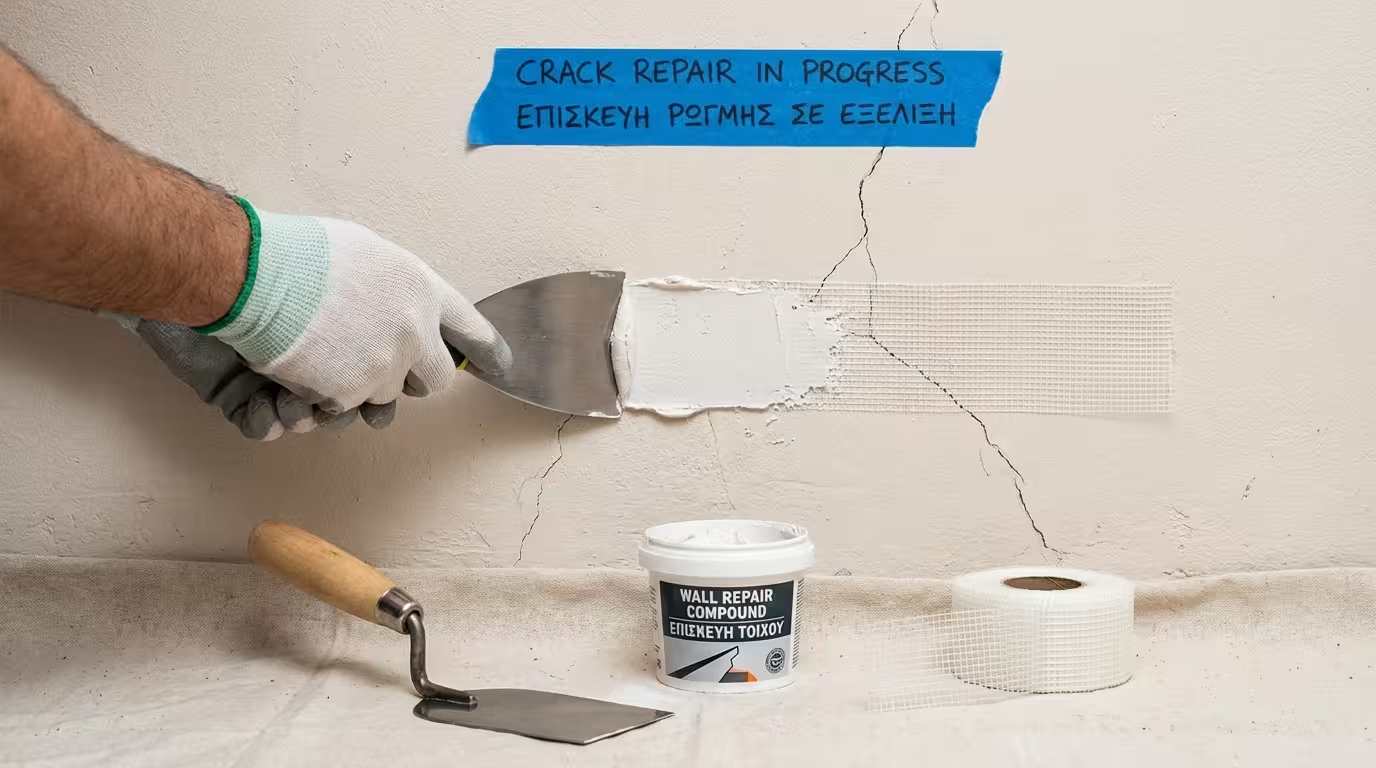
When the damage is already done, proper treatment makes the difference between a slapdash patch that cracks again in months and a permanent, reliable repair.
Discover how to correctly repair localised cracks, when full demolition of failing plaster is required, how to select certified repair mortars, and the secrets of preventive maintenance and waterproofing.
Prompt action on small cracks and damage saves time and money, preventing moisture from spreading inside the masonry.
No more quick-fix fillers. Learn the correct process: V-cut opening, deep cleaning, proper priming and filling with the right materials.
Read moreHow to safely remove the failing section without damaging sound plaster around it, and achieve a uniform finish.
Read more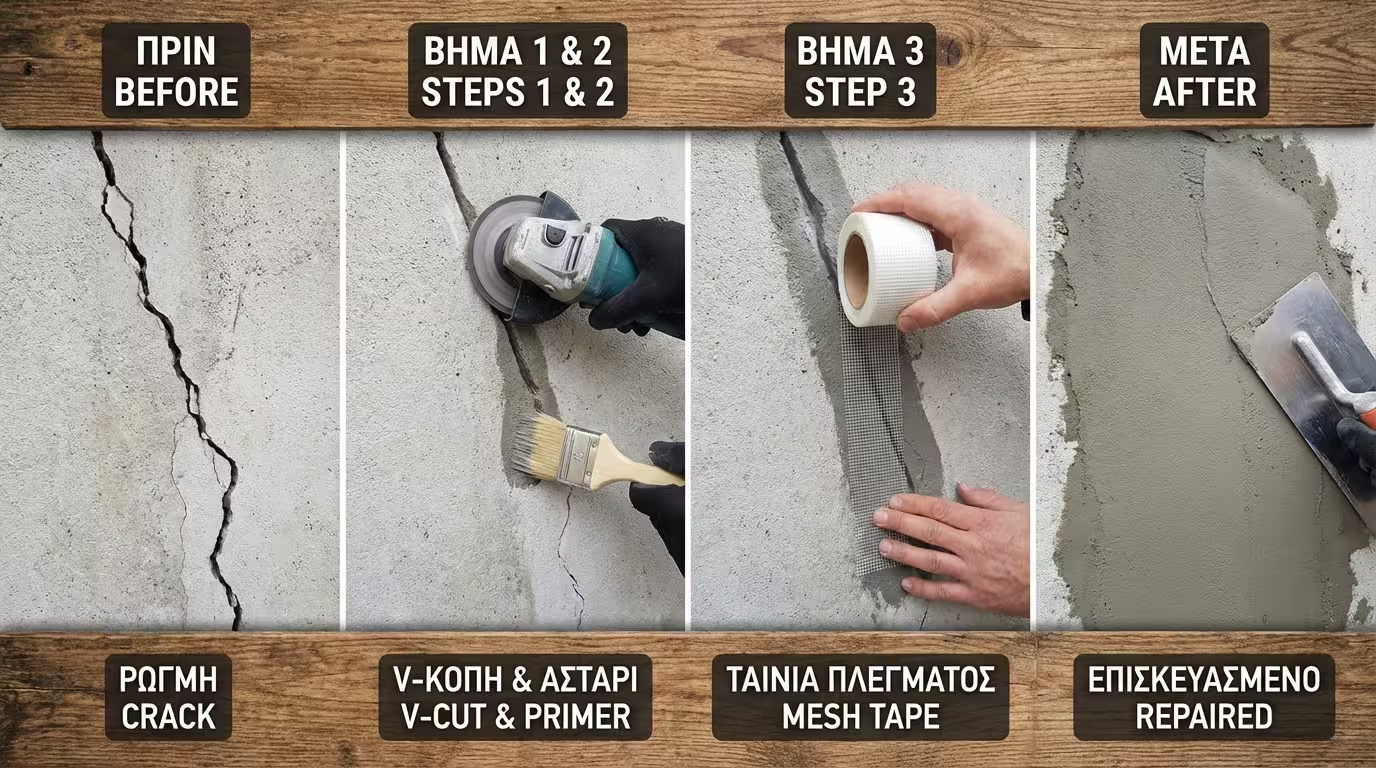
The secret to preventing re-cracking. When and how to embed fibreglass mesh within the repair material to absorb stresses.
Read moreChoosing the right tube. When to use elastomeric acrylic fillers, when polyurethane sealants and how to apply them.
Read moreThe great renovation dilemma. Technical and financial criteria to decide whether patching is worthwhile or re-rendering is needed.
Read moreSometimes patching simply isn't enough. Whether dealing with extensive deterioration or sensitive restoration of a heritage building, find the heavy-duty structural solutions and specialised mortars needed.
How to assess the wall's condition. The technical signs and delamination percentages that make demolition the only safe option.
Read moreOrganising the "dirty" job. Correct use of chipping tools, protecting structural elements and legal waste management.
Read more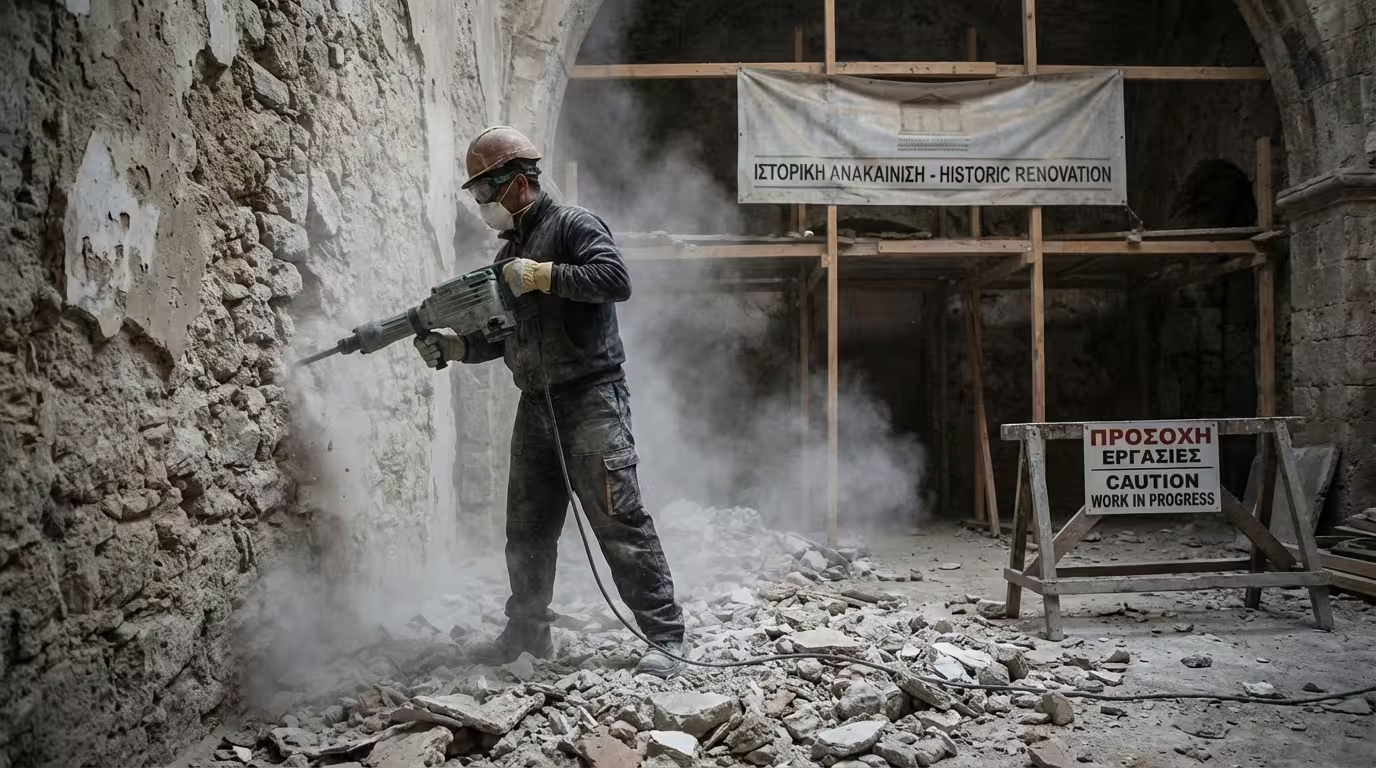
Respecting traditional construction. How to manage stone masonry joints and why new plaster must allow the stone to breathe.
Read moreWhy common cement "kills" old buildings. The need for pozzolanic and lime-based cement-free mortars to prevent cracking.
Read moreA guide for engineers and builders. What categories R1, R2, R3, R4 mean and how to select the right material for non-structural or structural repairs.
Read morePrevention is the best (and cheapest) cure. Learn how to protect rendered surfaces from sun, rain and pollution, dramatically extending their lifespan.
How long does thermal insulation really last? The environmental factors that stress it and what you can do for protection.
Read moreSafely refresh your building. How to prepare the surface and check new paint compatibility with old plaster.
Read more
The invisible shield. Applying siloxane resins and hydrophobic primers that repel rain while allowing the wall to breathe.
Read moreHow to remove white efflorescence. Correct use of mild chemical cleaners and methods that don't damage render texture.
Read moreWhat every owner should check before winter. A practical inspection guide covering gutters, window joints, canopies and balconies.
Read moreReturn to the complete plaster guide.
Go to guidePlanning plaster restoration? Get in touch.
Contact us