
Repair, Restoration & Maintenance
Return to category.
Go to categoryYou walk into the house you've just bought (or are about to renovate) and the walls tell their own story. A crack here, a blister there, a chunk of render missing over there. Your first instinct to keep the budget low is to tell the contractor: "Do a few patches, fill them in and let's paint."
But is that the right decision? In construction, there's a fine line between "smart economy" and "the trap of never-ending expenses." If you patch render that has already "died," next year you'll pay double. Let's look at the strict criteria that will help you choose between local repair and radical stripping (demolition).
Render is like skin. If the problem is superficial (a scratch), it heals. If the problem is deep in the body, a band-aid is useless. So when is stripping mandatory?
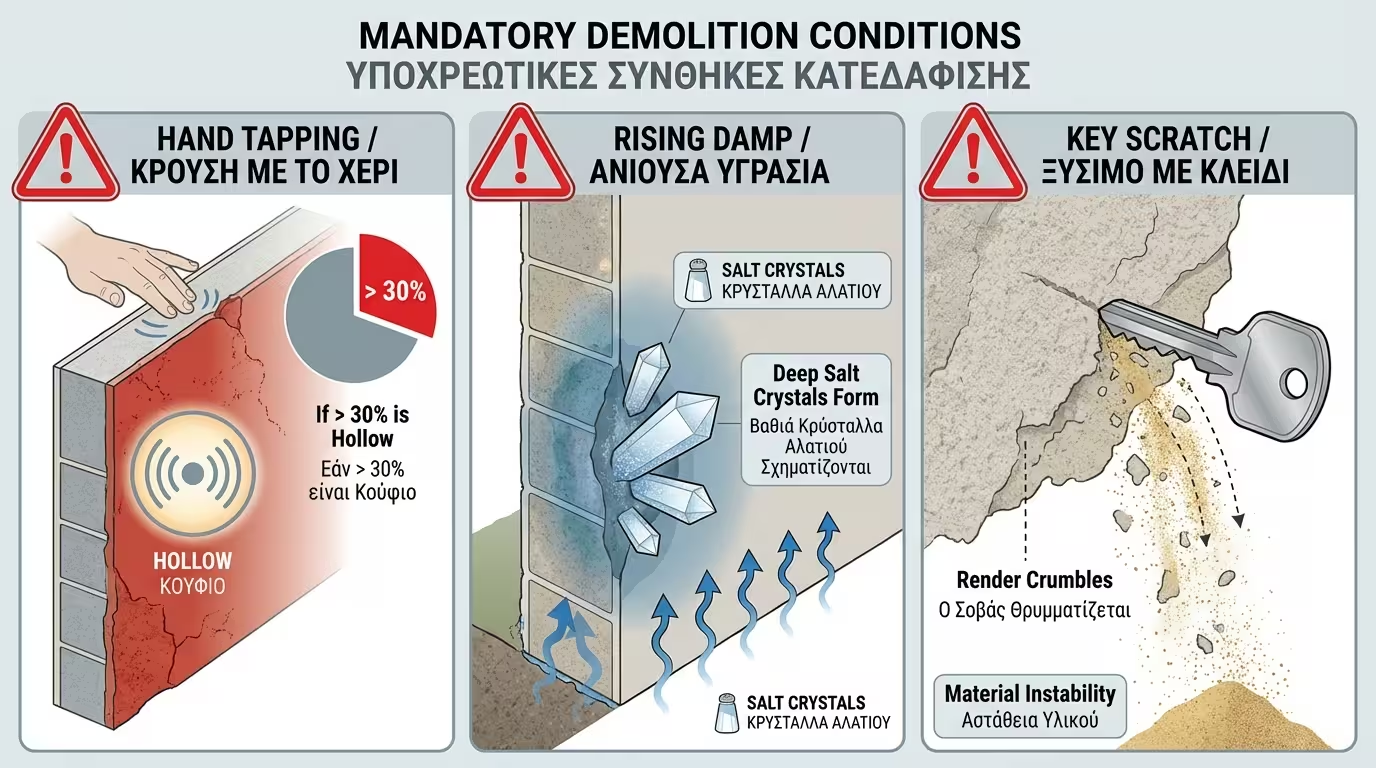
Many people consider stripping prohibitively expensive. But is it? Let's look at what you really pay:
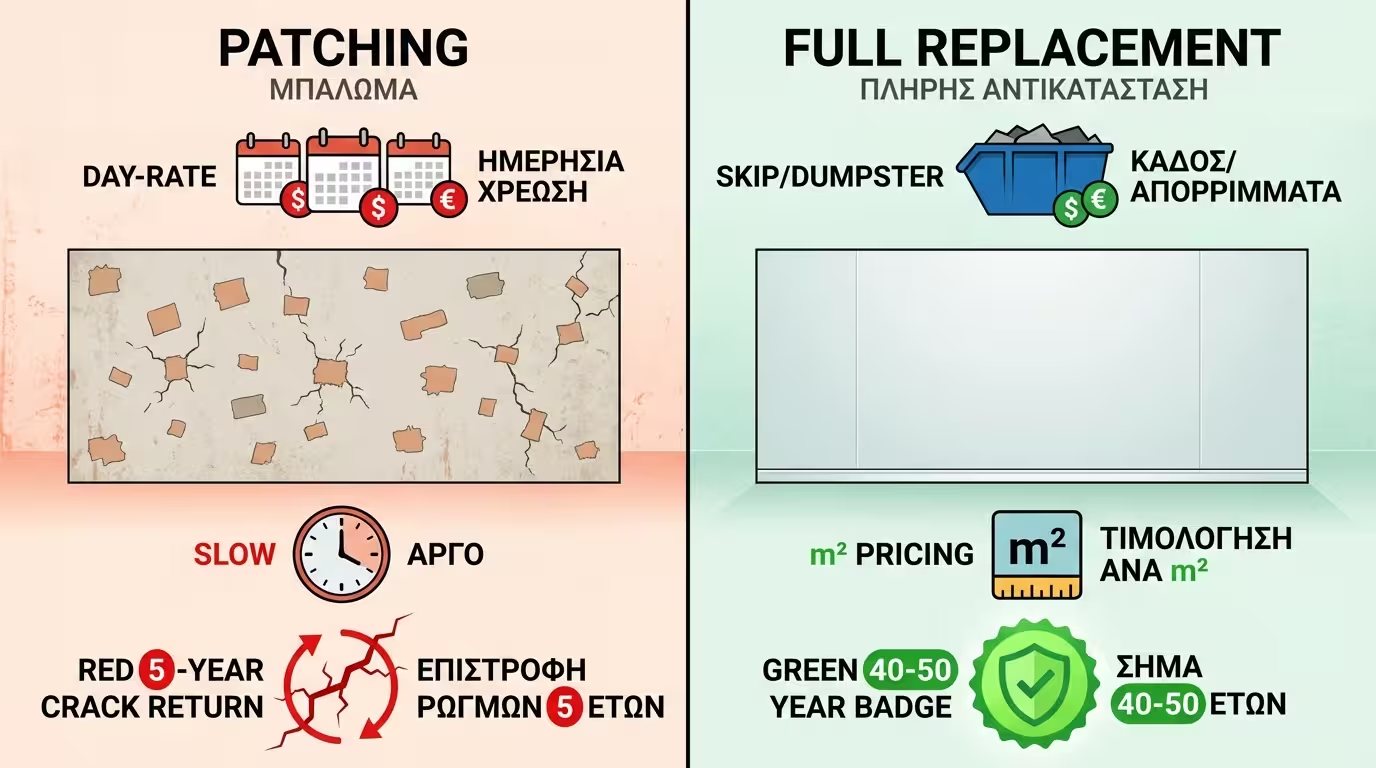
The Day-Rate Trap: Patching isn't charged per square metre - it's charged by the day. A plasterer will need 2-3 days to meticulously open 15 cracks, embed mesh, apply primers, wait for drying and sand the junctions (so the patches don't show).
| Criterion | Choose Local Repair (Patch) | Choose Full Demolition (Strip) |
|---|---|---|
| Damage Extent | Less than 20-30% of the wall | More than 30% of the wall |
| Crack Type | Hairline, superficial or around windows | Deep, diagonal or "stepped" across the wall |
| Substrate Sound | Solid in most areas | Widespread "hollow" sound everywhere |
| Moisture | Surface condensation (mould) | Deep salt saturation (rising damp) |
| Aesthetic Result | Acceptable (with good sanding/blending) | Perfect (Absolute flatness/plumb) |
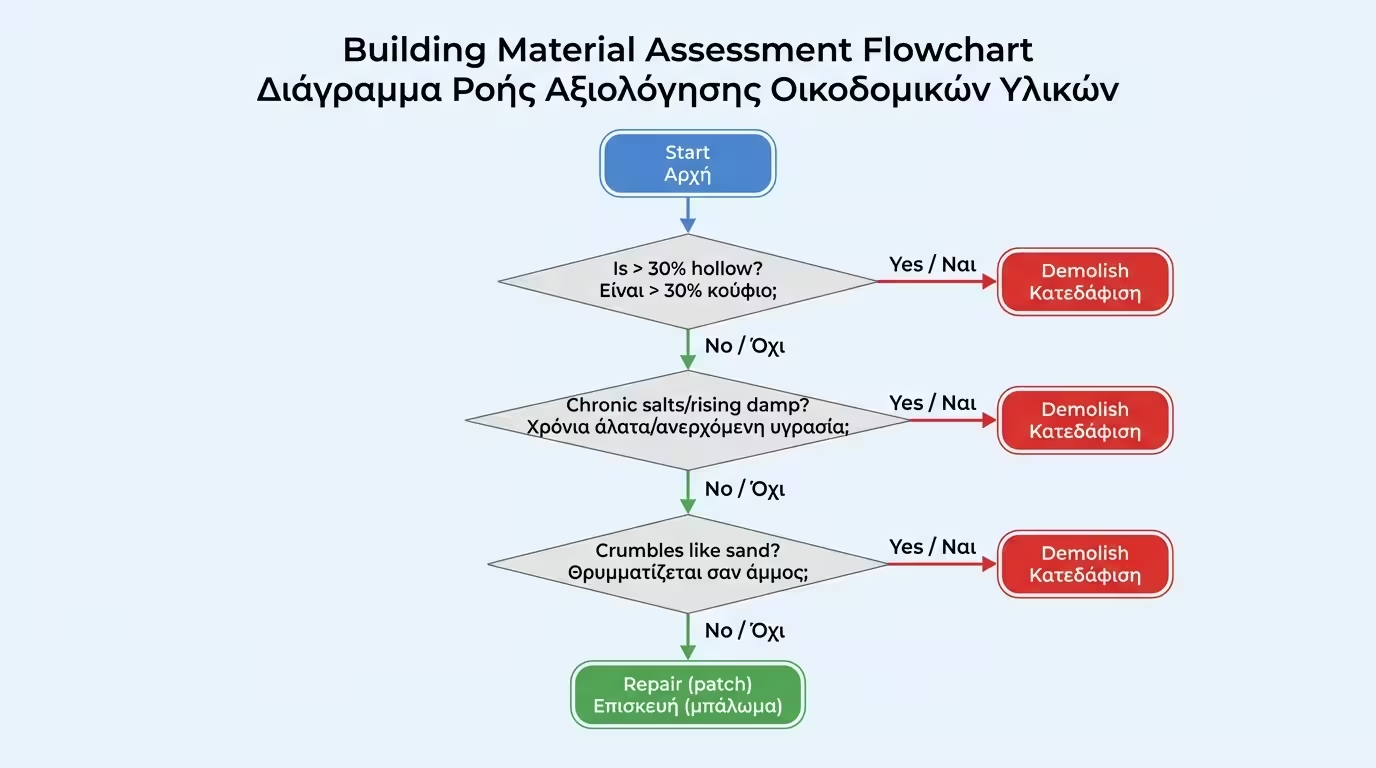
The decision must always be made without sentiment, based on the unforgiving logic of engineering: If the render's "foundation" is rotten, whatever you build on top of it will fall. If you're renovating a house to sell or rent quickly, patching is the obvious choice. But if you're building the home where your family will live for the next few decades, bite the bullet, hire a skip, demolish the rotten render and build something that will stand the test of time!
Return to category.
Go to categoryReturn to the central guide.
Go to guide