
Gypsum Plasters for Interiors: Speed, Smoothing and Perfect Finish

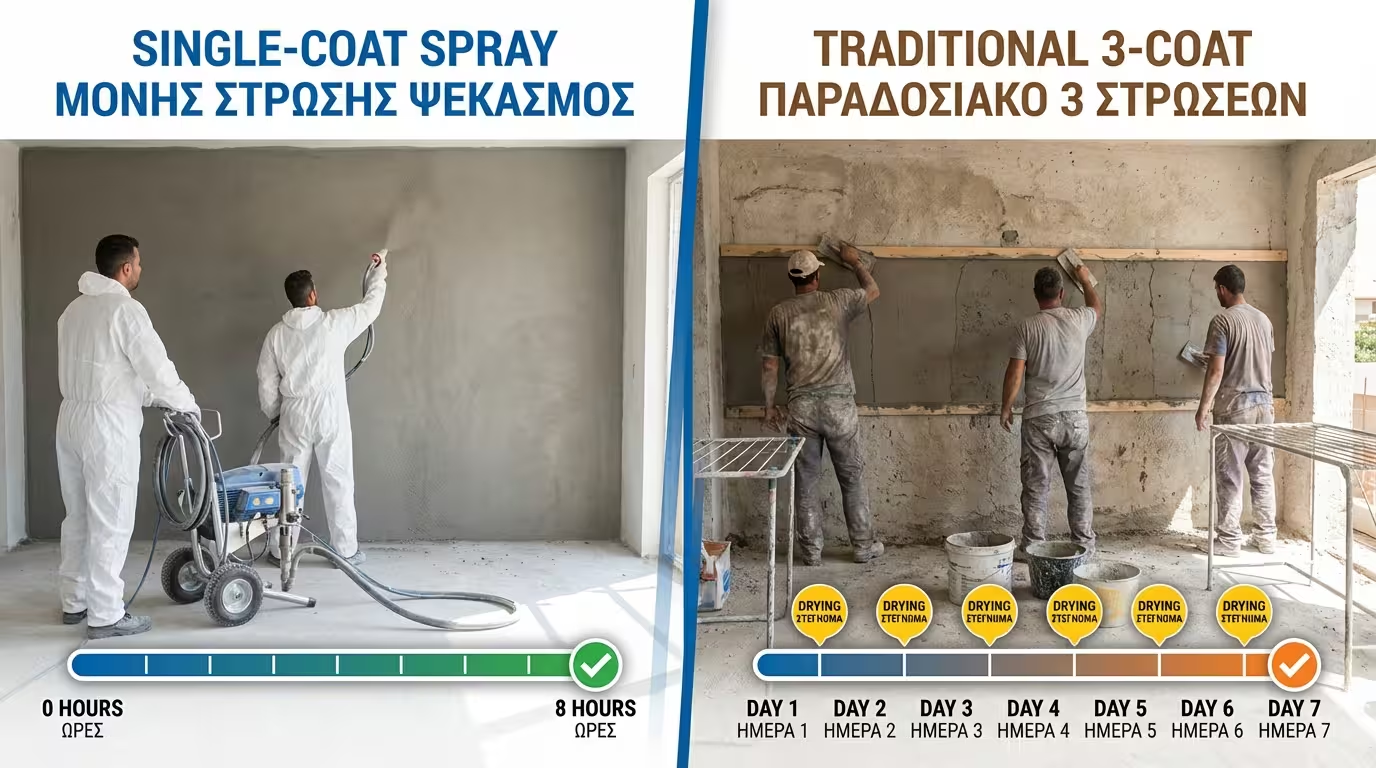
In modern renovations of apartments and houses, time is money and aesthetics demand perfectly smooth, "glass" surfaces. Traditional 3-coat render, although durable, takes days to dry and multiple coats of filling (putty) to become smooth.

This is exactly where gypsum plaster provides the solution. It is the ultimate material for interior masonry that has conquered Europe and is constantly gaining ground in Greece. Let's see why contractors and owners love it, but also what you need to watch out for before choosing it.

What is Gypsum Plaster?

As its name suggests, it is an industrial dry mortar (in bags) that has gypsum as its main binder, enriched with special polymers and resins. It contains absolutely no cement.

It is usually applied as a single-coat (one-coat). This means that it replaces the brown coat and finish coat of traditional render with a single, thick application coat, which is "pulled" with the straight edge and smoothed on the spot with the trowel.

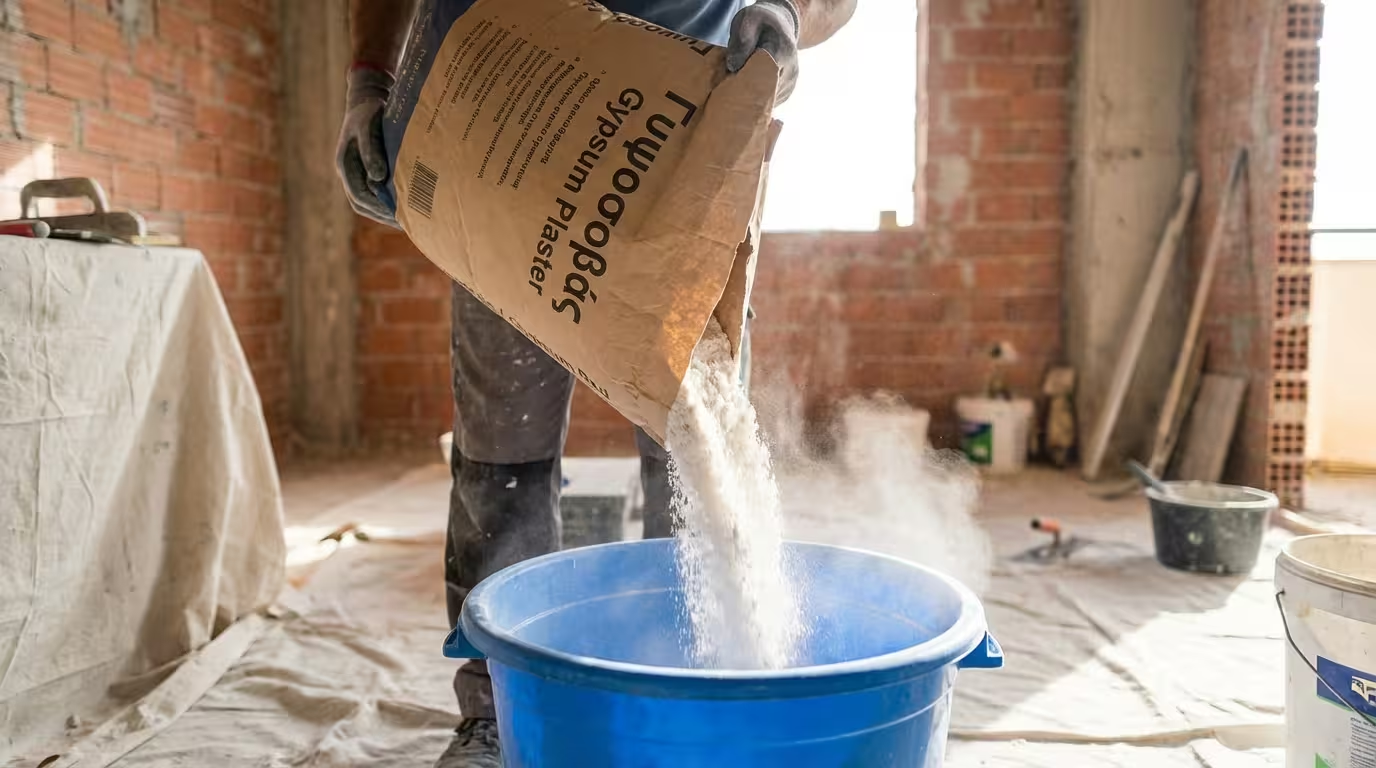
Gypsum plaster bag - industrial gypsum mortar

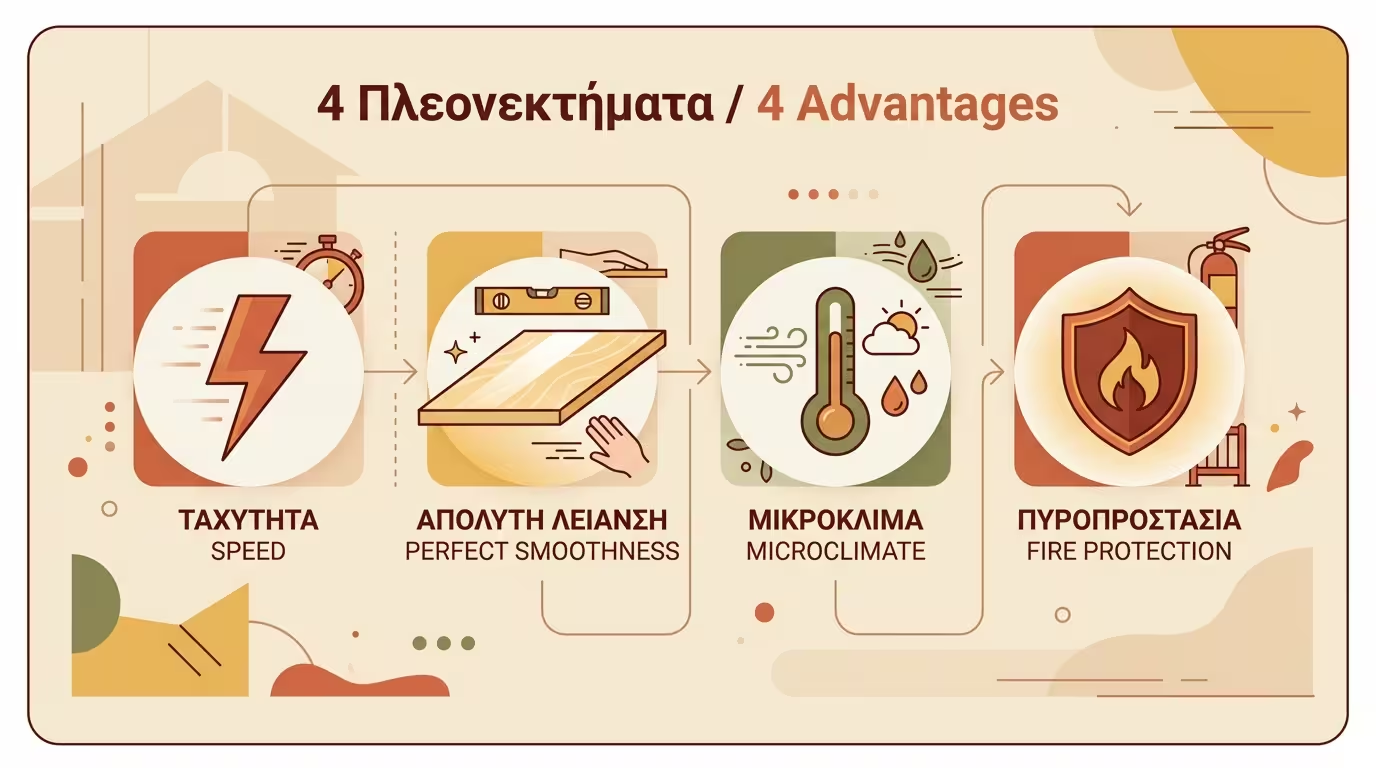
The 4 Major Advantages

4 gypsum plaster advantages: speed, smoothness, climate, fire

1. Unrivaled Speed of Application

Its application (especially with a spray machine) is extremely fast. In one day, a crew can plaster and deliver dozens of square meters ready. There are no multi-day waiting times for drying between coats that cement requires.
2. Perfect, Smooth Finish

Gypsum has the ability to be smoothed amazingly well. With the right "troweling" while the material is still wet, the wall becomes flat as paper. This means you save the many expenses and the daily wages of the painter for filling before the final painting.

3. Regulation of the Microclimate (Breathability)

Gypsum is an extremely "living" and human-friendly material. It acts as a natural humidity regulator: when the air in the room is too moist, it absorbs the moisture into its pores, and when the air dries out (e.g. from heating), it releases it back into the space.

4. Passive Fire Protection

Crystalline gypsum contains water molecules in its chemical structure. In the event of a fire, this water is released in the form of steam, delaying the spread of the fire and protecting the structural elements of the building.

The Big Limitation: The Enemy of Gypsum is Water

Before you rush to choose gypsum plaster for the whole house, you must know the golden rule: Gypsum plaster is strictly for interior, dry spaces.

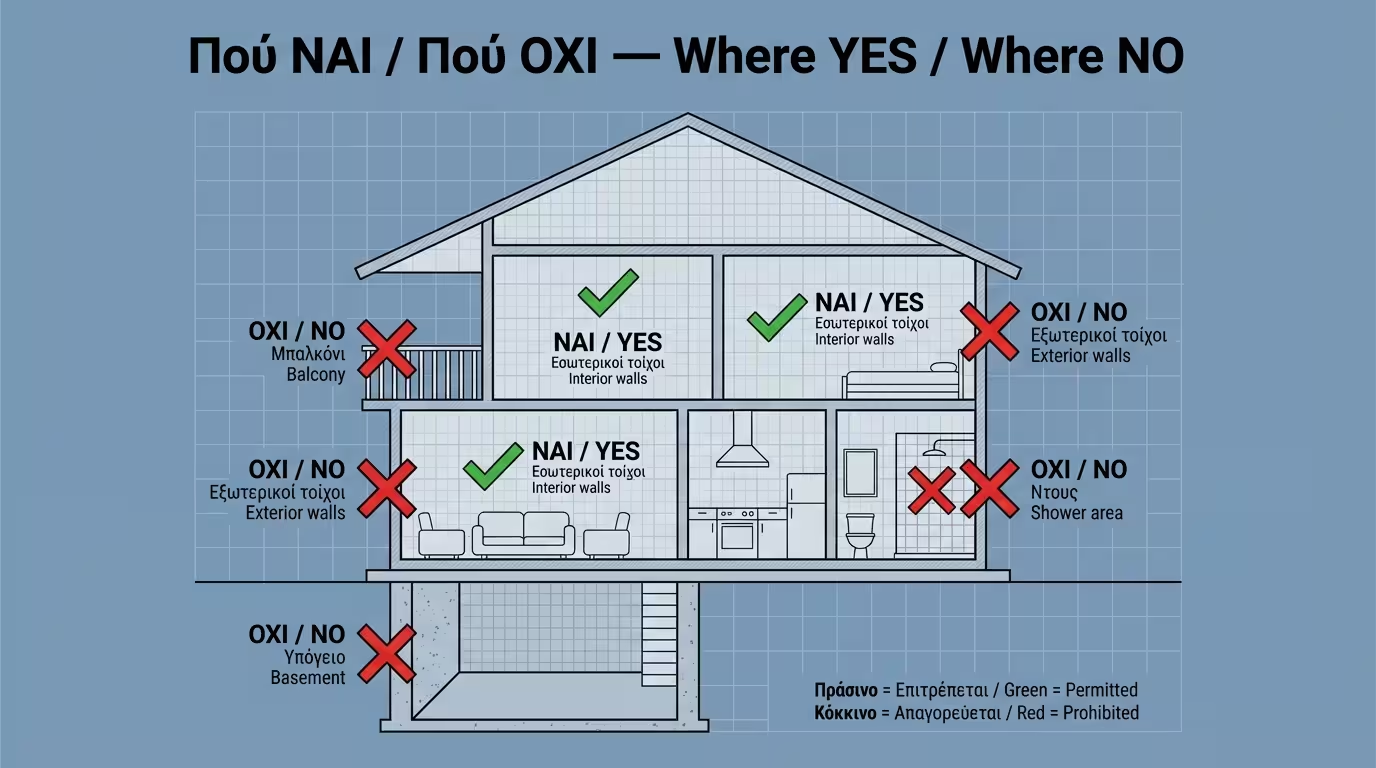
Gypsum plaster - forbidden on external walls and showers

Where is it FORBIDDEN?

On external facades, balconies, basements with rising damp, and inside showers. If gypsum gets repeatedly wet, it "rots", loses its mechanical strength and detaches.

What about bathrooms?

It can be used in the high areas of the bathroom or kitchen, but in the areas where water falls directly (behind the shower tiles), the application of a waterproofing system (e.g. brushable cementitious waterproofing) is first required.

Comparison: Gypsum Plaster vs Traditional Render

Comparison table: gypsum plaster vs traditional cement render
Characteristic Gypsum Plaster Traditional Render (Cement/Lime)
Application Area Indoor only Indoor & Outdoor
Number of Coats 1 (Single-coat) 3 (Scratch, Brown, Finish)
Delivery Speed Very high Low (requires waiting time)
Need for Filling Minimal to none Essential for a smooth result
Water Resistance Very low High

Useful Tips for DIYers and Professionals

The Rule of Cleanliness: Gypsum is "contaminated" very easily. If you use a bucket or a mixer that has residue from old, dry gypsum, your new mix will set (turn to stone) in just a few minutes, before you even have time to spread it on the wall! Tools and water must be spotlessly clean.

1. The Primer is mandatory

If you apply gypsum plaster on smooth concrete (ceilings, columns), the use of a quartz primer (bonding primer) is mandatory first. If you omit it, the heavy gypsum risks peeling off and falling.

2. Correct Water Ratio

Gypsum does not forgive mistakes with water like cement does. If you pour more water to make it "softer", the material will lose its strength, crack and rub off like chalk. Always follow the packaging instructions.

Related Articles

Preview