Weather Conditions & Plastering: Protecting Against Heatwaves, Frost and Wind

Most of the time, the real culprit is literally right above our heads: the weather. Let's look at the 3 great enemies.

1. Enemy #1: Heatwaves & Direct Sun

If you have ever seen a brand-new, very expensive plaster fill with cracks the very next day after its application, the first thought is usually "it was the material's fault" or "it was the operative's fault".

Cement and lime do not simply "dry" like clothes in the sun. To harden and gain their strength, they undergo a chemical process called hydration. For this process to be completed correctly, the materials need their water for a specific period of time. Extreme weather conditions violently disrupt this balance.

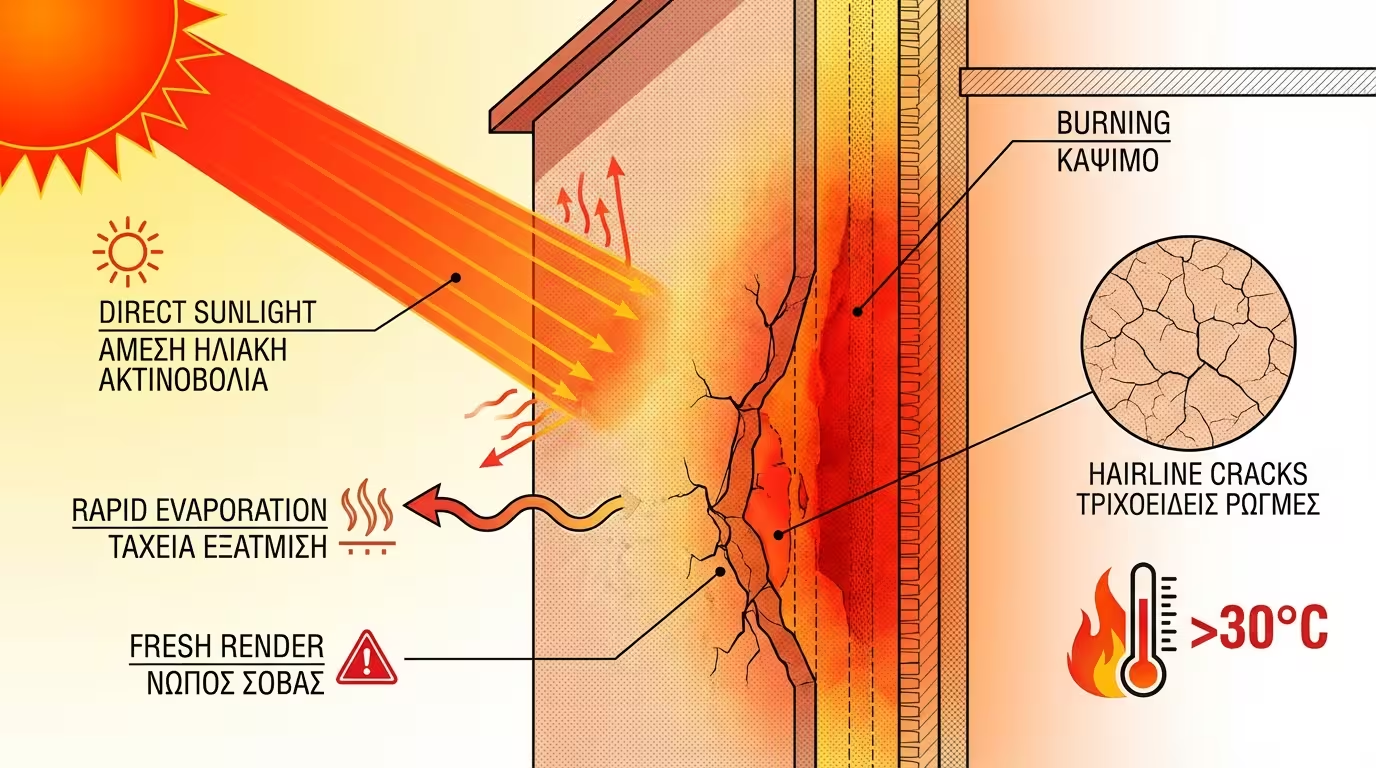
Summer is the most popular season for construction work, but at the same time the most dangerous for renders. When the temperature exceeds 30°C or when the hot sun hits the fresh plaster directly, the water in the mix evaporates in minutes.

Render cracking from heatwave - hairline crack network

🔥 "Burning"

The cement is left without water before it can chemically react. The material shrinks abruptly, fills with a network of capillary cracks (like a spider's web) and its surface rubs off like dust. In essence, the plaster "burns" and becomes useless.

🛡️ Solution

Schedule work on external facades early in the morning or late in the afternoon, always "chasing" the shadow of the building. Place special shade nets (hessian) on the scaffolding. Wet the wall with water before applying the plaster, so the hot brick does not suck out its moisture.

2. Enemy #2: Frost

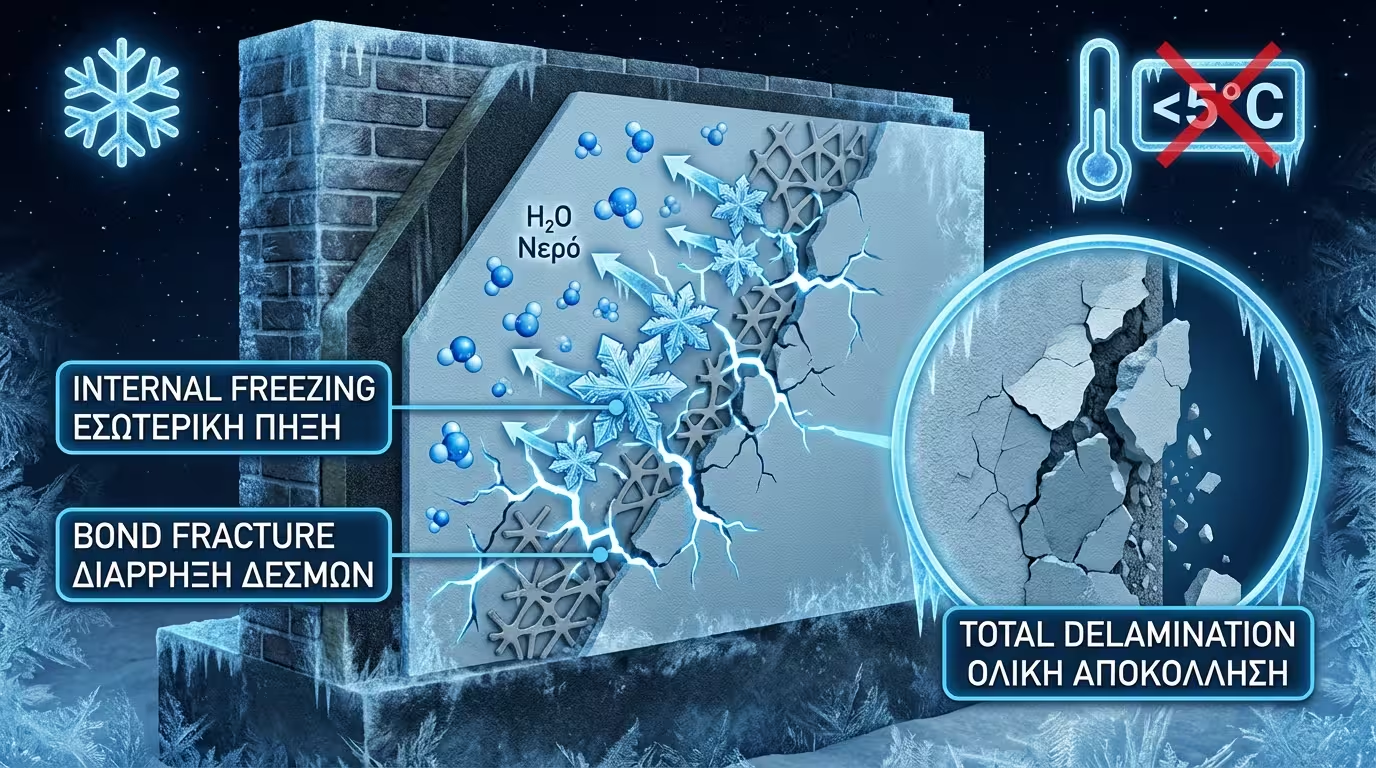
If summer "burns" the plaster, winter "detonates" it from the inside. The problem is not the cold itself, but the water that freezes.

Render delaminating due to internal frost damage

🧊 Internal Freezing

If you apply plaster and at night the temperature drops below 0°C, the water still inside the wet mortar will freeze. As is well known, ice expands (taking up more volume than water). This expansion breaks the internal bonds of the cement. When the ice melts the next day, the plaster will be completely crumbly and will fall off by hand in large chunks.

🚫 The Absolute Rule

Plastering is prohibited when the ambient or wall temperature is below 5°C. Do not plaster if the weather forecast shows frost for the next 24 hours. In emergency cases, there are special anti-freeze mass additives that are poured into the mix and lower the freezing point of water, but their use must be done with strict dosage.

3. Enemy #3: Strong Wind

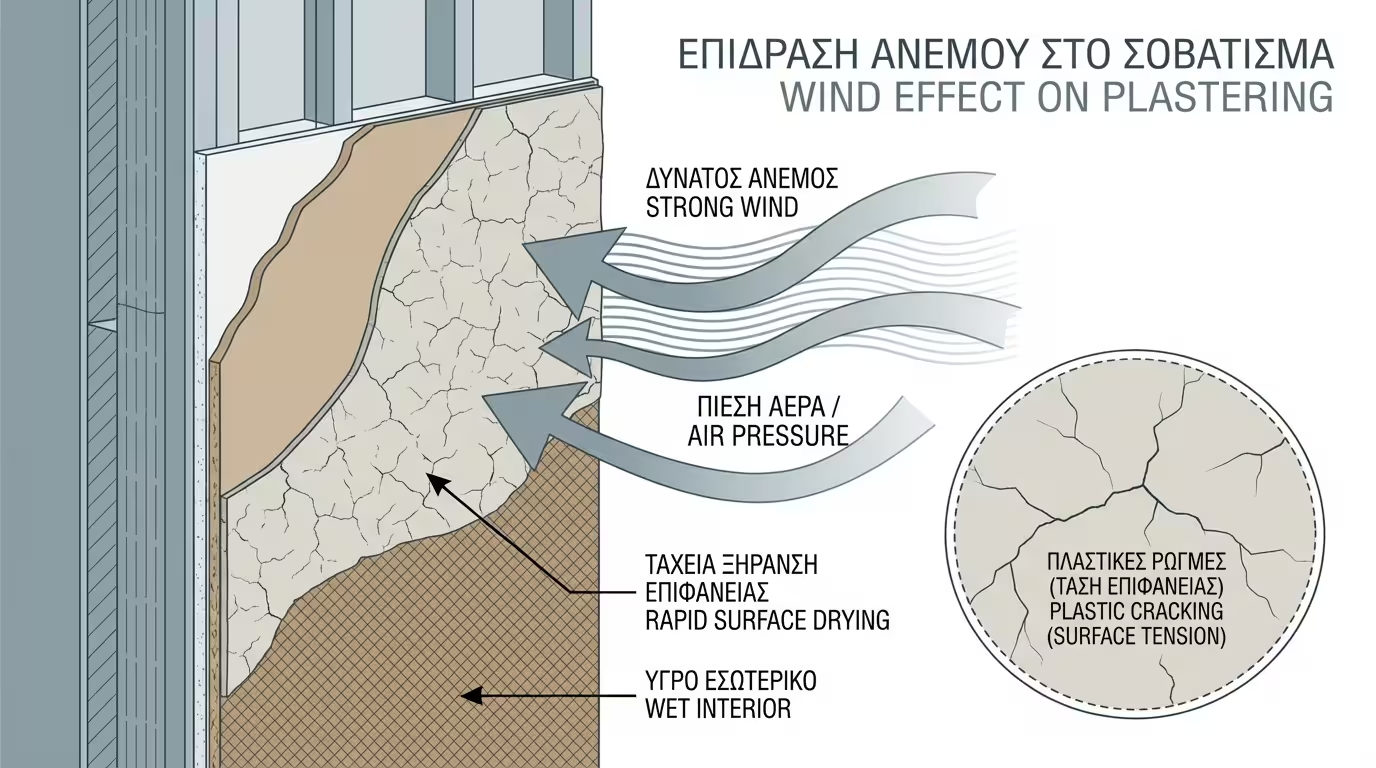
Many ignore the wind, thinking that if it is cloudy and cool they are safe. Wrong! The dry and strong wind acts like a giant hair dryer.

Surface cracking of render from dry strong wind

💨 Plastic Cracking

The wind dries the outer skin of the plaster instantly, while its interior remains damp. This difference in drying speed creates huge surface stresses, causing what we call "plastic cracking". Also, if you apply a colored acrylic/silicone plaster (ETICS), the wind does not even leave you the time to rub it with the plastic float to bring out its texture (e.g., grafiato).

🧱 Solution

As with the sun, placing nylon or dense hessian on the outside of the scaffolding acts as an excellent windbreak.

4. Conditions Summary Table

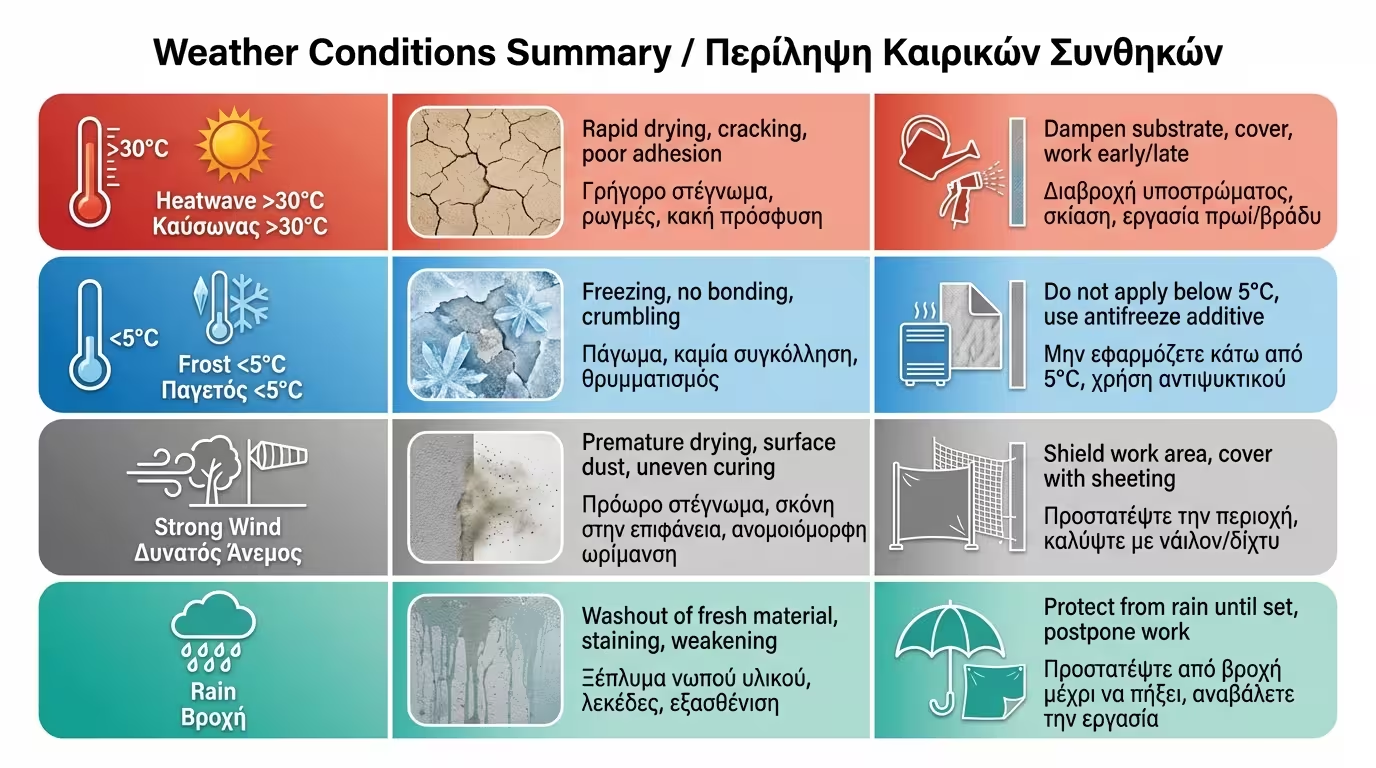
Weather conditions, render effects and prevention measures table
ConditionEffectPrevention
>30°C"Burning", cracksShade, wetting
<5°CFreezing, delaminationPostpone / anti-freeze
Strong windSurface crackingHessian windbreak
RainCement washoutCover with sheeting, wait

5. Tips & Curing

💡 The Importance of Curing: If you plaster on a warm spring or summer day, your job does not end when the operative leaves. For your plaster to become "reinforced concrete", you must "cure" it. Take a hose with a shower head (so the water comes out like rain, not with pressure) and lightly spray the freshly plastered walls 1-2 times a day, for the next 2-3 days. This extra water will feed the cement and eliminate any risk of cracking.

🎨 ETICS: Even More Sensitive

These materials are even more sensitive than traditional cement plaster. If it rains on fresh acrylic plaster before it has time to dry (polymerize), its resins will dissolve, run down the wall like milk, and the plaster will be completely destroyed. Always check the weather for rain in the next 24 hours!

💧 Damp Walls

After a heavy rain, the external bricks are soaked. Do not start plastering immediately. The wall will not be able to absorb any moisture from the plaster, with the result that your mortar "sags" and slides continuously.

Conclusion

Check the forecast, plan your working hours, protect the scaffolding - and never forget to "cure" fresh render.

Related Articles

Application, DIY Techniques & Project Management

Return to category.

Go to category

Preview