The Logic
If you pour water over the crystals, a large part of them will dissolve and be sucked back into the wall pores, only to reappear the following week.
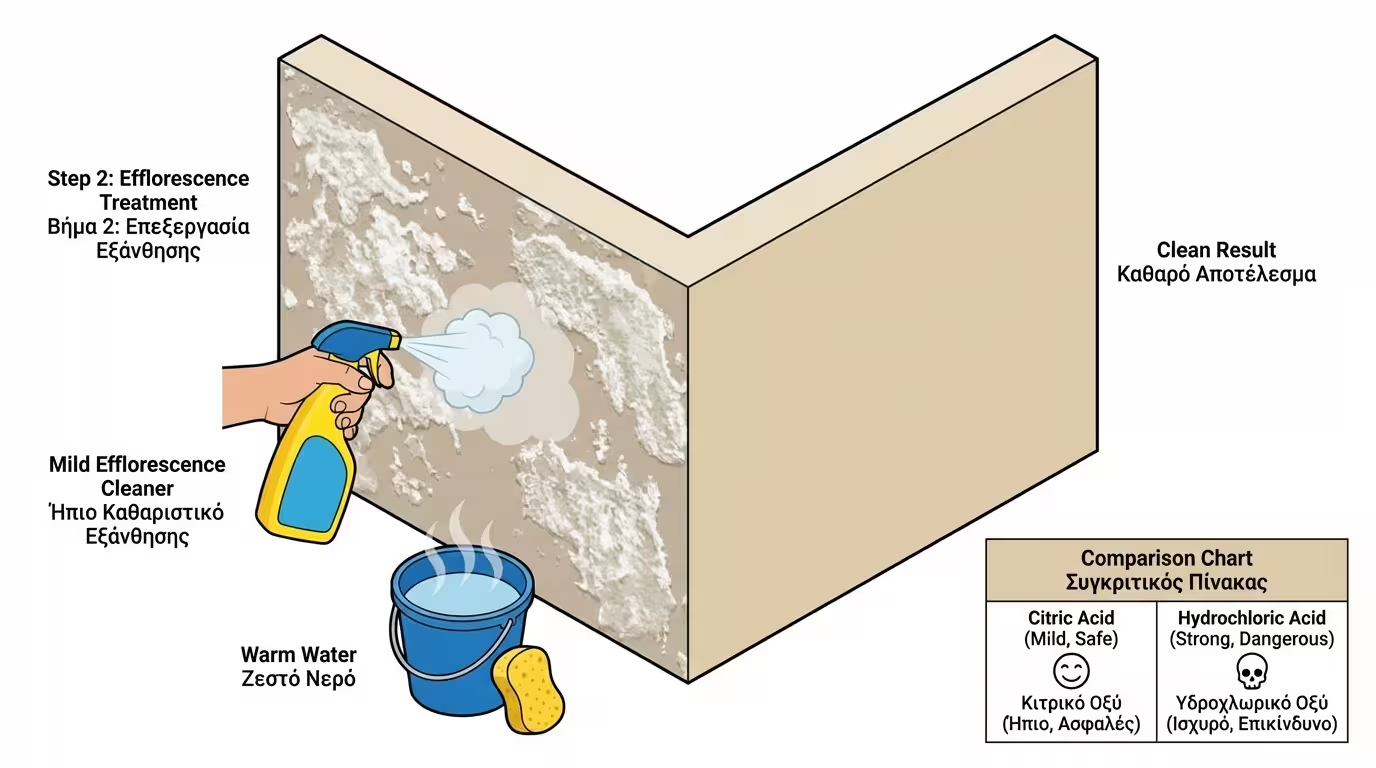
You have a beautiful decorative brick enclosure, a stone-built facade or a dark coloured render wall, and suddenly you see large, white "stains" forming that look like chalk or dried tears.
No matter how much you try to wash them away with a hose, as soon as the wall dries, the white stains come back with a vengeance.
These are the well-known efflorescence (salts). Rainwater entered the wall, dissolved the salts of the cement and, upon exiting, left them on the surface. Cleaning them requires a bit of chemistry and a lot of care, as the wrong method can "burn" the surface of your wall irreparably.
The first advice given by many old tradesmen for cleaning salts is: "Pour some spirit of salts (hydrochloric acid) to burn them off". This is probably the biggest mistake you can make.
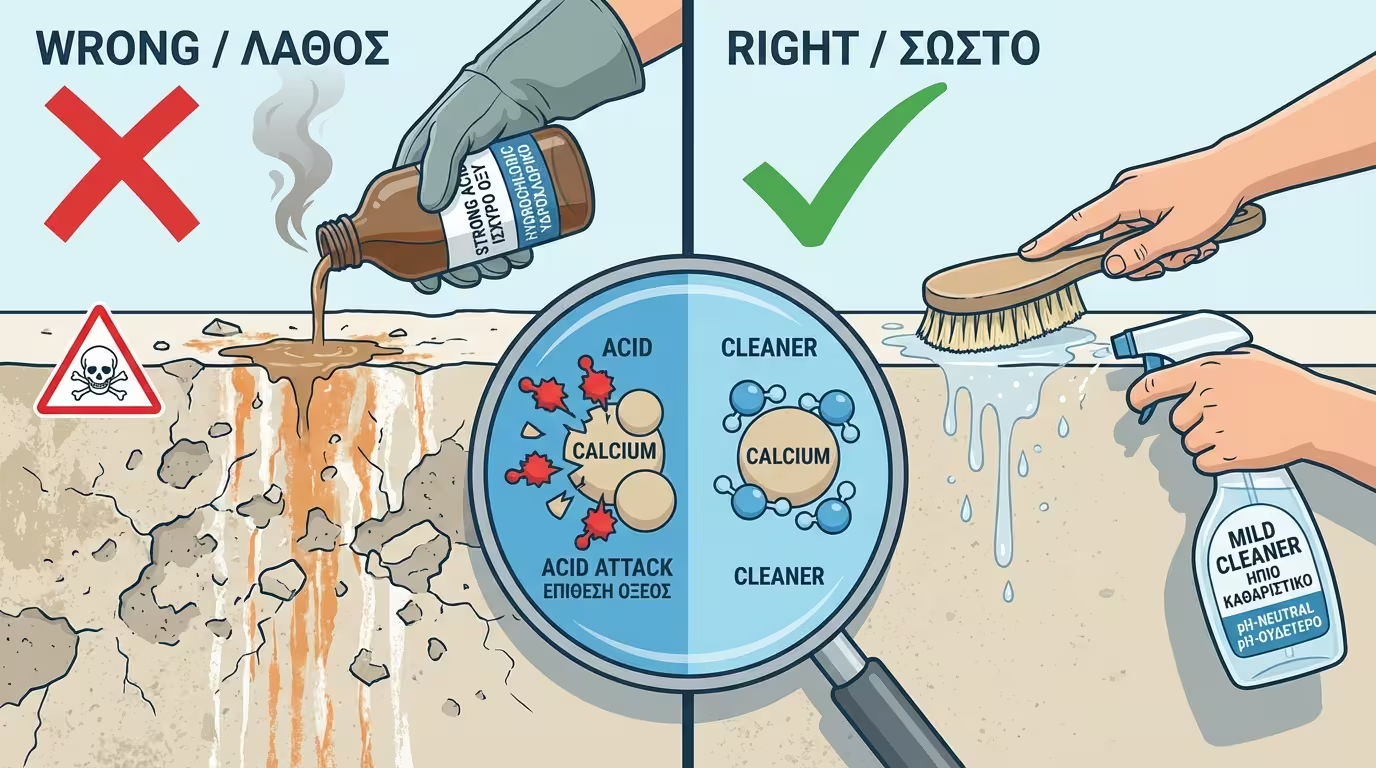
⚠️ The Hidden Catastrophe: Hydrochloric acid is extremely aggressive. Yes, it will dissolve the salts instantly, but at the same time it will "eat" the joint between the bricks, permanently stain the stone, yellow the render and destroy the resins of the paint. We need a much gentler approach.
Before using any liquid, you must remove the main bulk of the salts dry.
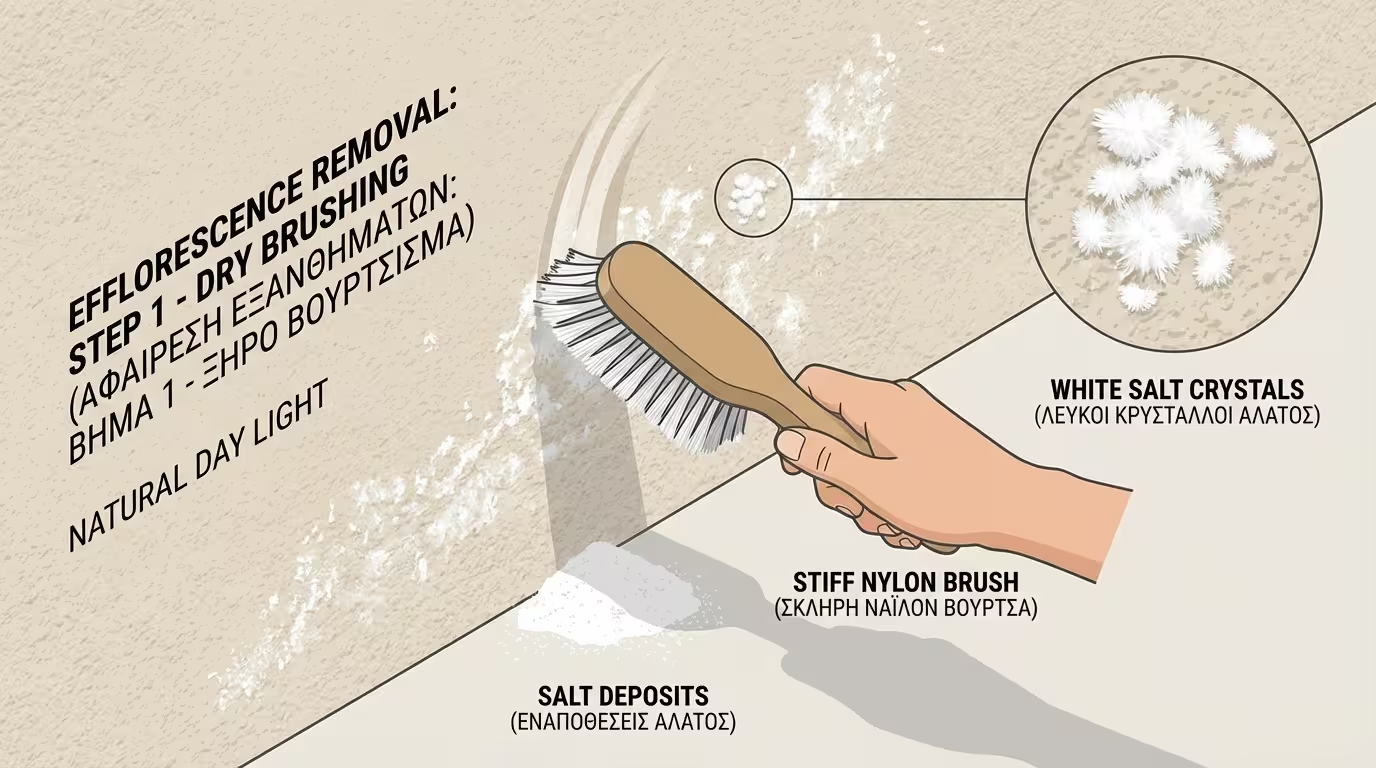
If you pour water over the crystals, a large part of them will dissolve and be sucked back into the wall pores, only to reappear the following week.
Take a stiff brush with plastic (or soft metal) bristles and scrub the surface vigorously while it is completely dry. Sweep up or vacuum the white dust that falls with a vacuum cleaner.
After the "foam" of the salts is gone with the scrubbing, the stubborn stains that have soaked the surface will remain. This is where chemistry takes over:
For very light cases, the acetic acid contained in vinegar works wonders. Mix equal parts white vinegar and water in a spray bottle. Spray the stains, leave it to act for 5-10 minutes, scrub with a brush and rinse.
Instead of buying dangerous hydrochloric acids, look in hardware stores for special salt and cement residue cleaners based on sulfamic acid or citric acids. They are much gentler on the render and paints, do not give off toxic fumes and dissolve salts safely.
| Surface Type | Recommended Cleaning Material | What Is Strictly FORBIDDEN |
|---|---|---|
| Unpainted Cement Render | Special cleaner (Sulfamic acid) | Hydrochloric acid, Bleach |
| Exposed Brickwork (Facing Bricks) | White vinegar solution or Special brick cleaner | Wire brushes (scratch the glaze) |
| Coloured Render (ETICS) | Very diluted vinegar & plenty of water | Strong acids (discolour the resins) |
| Natural Stone / Marble | Special alkaline marble cleaners | Any ACID (Destroys marble instantly) |
The application procedure of the chemical requires attention:
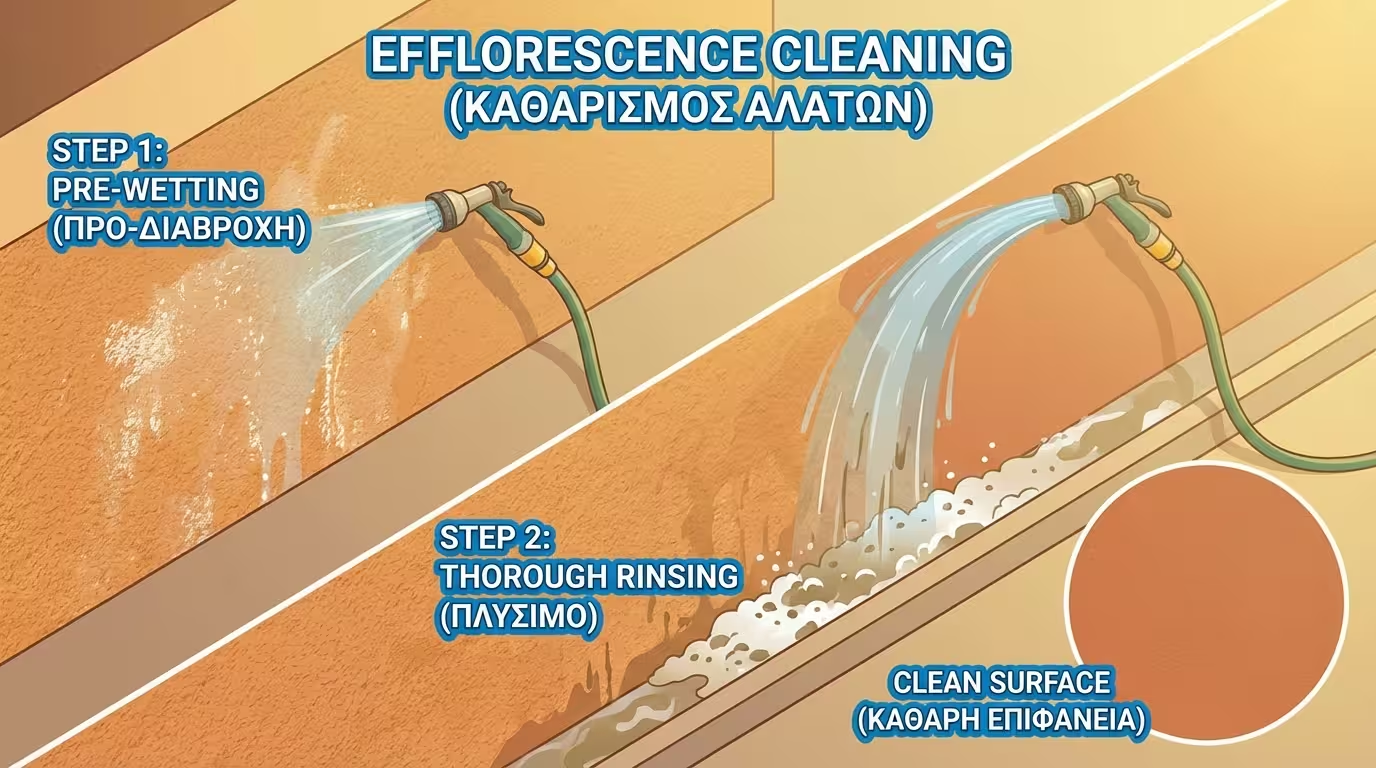
Before pouring the salt cleaner, lightly wet the wall with clean water (without soaking it). This fills the wall's pores with water, preventing the cleaner from penetrating too deeply and dissolving the cement core.
Apply the diluted chemical cleaner (according to instructions) with a brush or sponge only on the stain.
Scrub lightly. You will see a light foam, which means the acid is reacting with the salt. Leave it for 3-5 minutes (never let it dry on the wall).
Rinse with plenty of clean water (with a hose or low-pressure washer). You must remove every trace of the acid, otherwise it will continue to "eat" the wall.
💡 The Last Step - Closing the Backdoor: Once you clean your wall and the salts disappear, you have won a battle, but not the war. If rainwater continues to attack the wall, the salts will return. Once the wall is completely dry (after 3-4 days of fine weather), immediately apply the waterproofing with siloxane resins that we described in the previous article. This invisible barrier will keep the water out, ensuring that your wall will never "weep" again.
Return to category.
Go to categoryReturn to the central guide.
Go to guide