
📦 "With Materials" Price (Turnkey)
The contractor takes care of everything. He buys the sand, the cement, the ready-mixed bags, the corner beads and pays the wages of his craftsmen. It is the most carefree solution for the owner.
The first question every owner or builder asks before starting a project is one: "How much will it cost me?" With the fluctuations in the prices of building materials and the changes in the daily wages of craftsmen, the construction market in 2026 has formed new facts. The cost of plastering is never a dry number. It depends on the method, the condition of the wall and whether the agreement includes materials. Let's look in detail at how prices are shaped this year, so you can properly evaluate the quotes of the crews.
In the Greek market, contractors usually provide quotes in two different ways. You must be absolutely clear about what the price you hear includes:
The contractor takes care of everything. He buys the sand, the cement, the ready-mixed bags, the corner beads and pays the wages of his craftsmen. It is the most carefree solution for the owner.
You buy and bring the materials to the project (often with your own market research for better prices) and the contractor is paid strictly and only for his art and the hands of his workers.
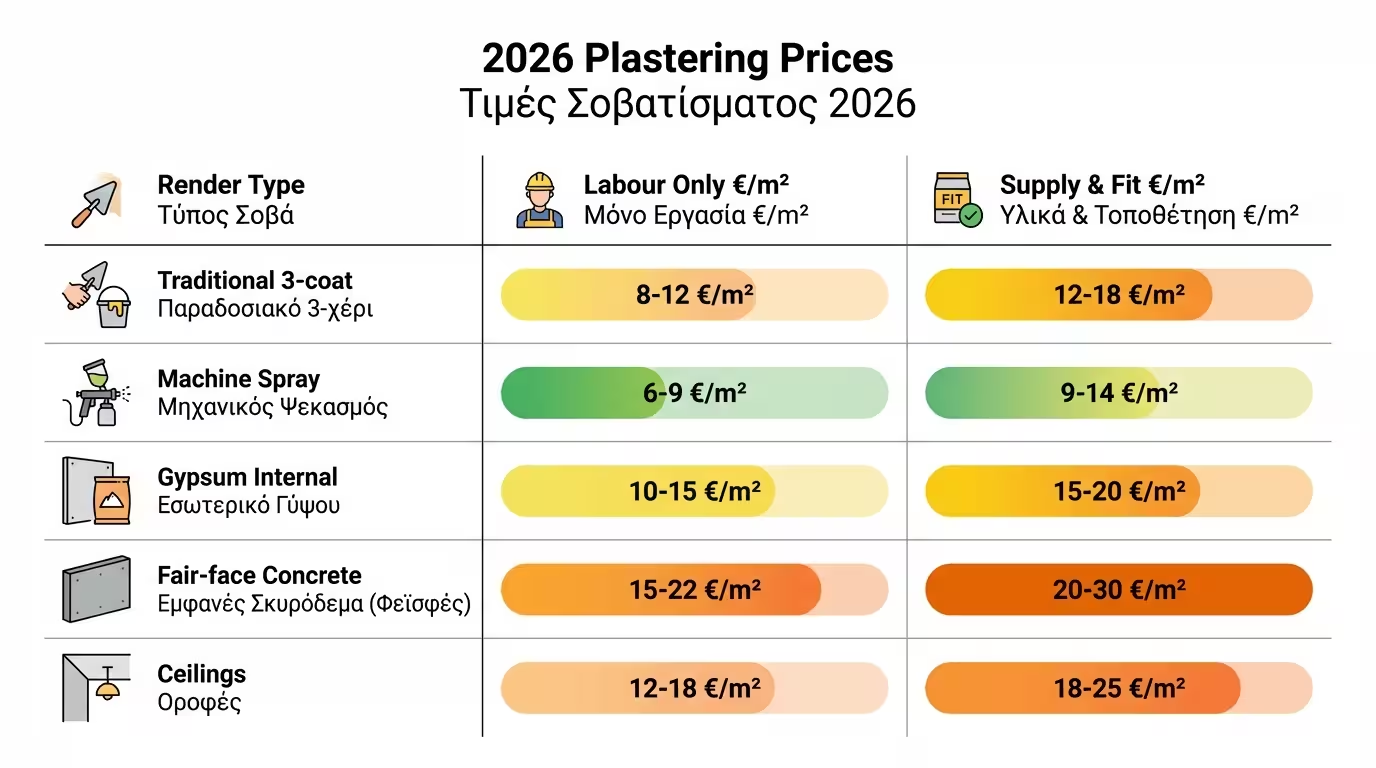
| Render Type | Labour Only (€/m²) | Supply & Fit (€/m²) |
|---|---|---|
| Traditional (3 coats) | 8-12€ | 14-20€ |
| Machine Spray | 6-10€ | 12-16€ |
| Gypsum (Internal) | 6-9€ | 11-15€ |
| Fair-Face Concrete | 10-14€ | 18-24€ |
| Ceilings | +20% to 30% on wall price | |
Note: The above prices are indicative, refer to market averages for surfaces over 100 m² and do not include 24% VAT.
If you get a quote that is noticeably higher than average, do not reject it immediately. There are technical reasons that justify the price increase:
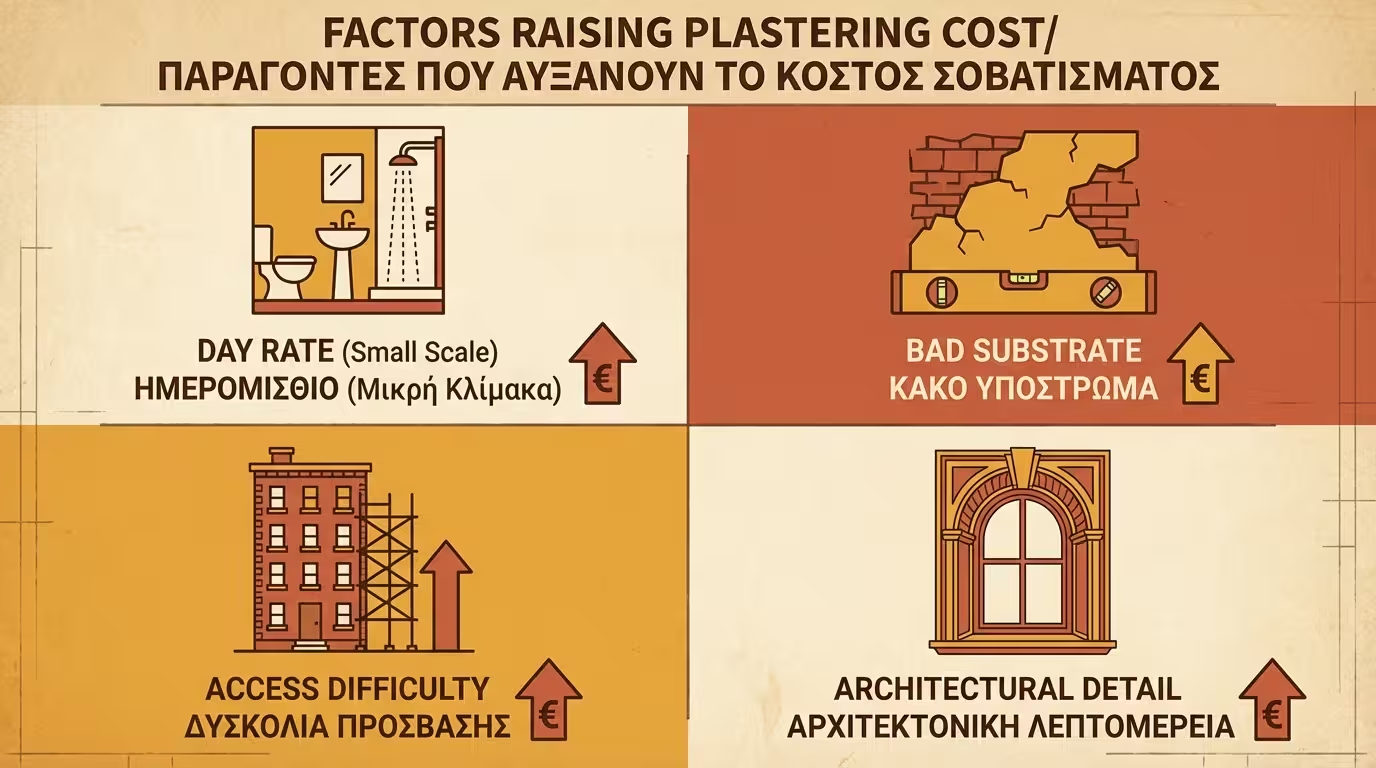
The golden rule of construction says: the fewer the square metres, the more expensive the price per metre. If you want to plaster a small 15 square metre bathroom, no crew will charge you by the square metre (e.g. 15m² x 15€ = 225€). The project will be priced as a lump sum (by the day rate), as the operative will lose his whole day for the back-and-forth, setting up and cleaning.
If you are renovating an old house and the walls are crooked, the plasterer will need to throw double the material (large thickness) to bring them "plumb". More material means more waiting time and increased cost of buying bags. The same applies if extensive use of expensive primers is required (e.g. quartz primer on smooth concrete).
Carrying 2 tons of sand and cement to a detached house with a yard is easy. Taking them up to the 5th floor of an apartment building in the city centre, without an elevator or without space for a crane/hoist, skyrockets the labour cost. Hauling gets paid.
If the house has many recesses, hidden lighting, arches or too many small windows, the placement of the corner beads and the "turning" on the edges requires surgical precision and plenty of time.
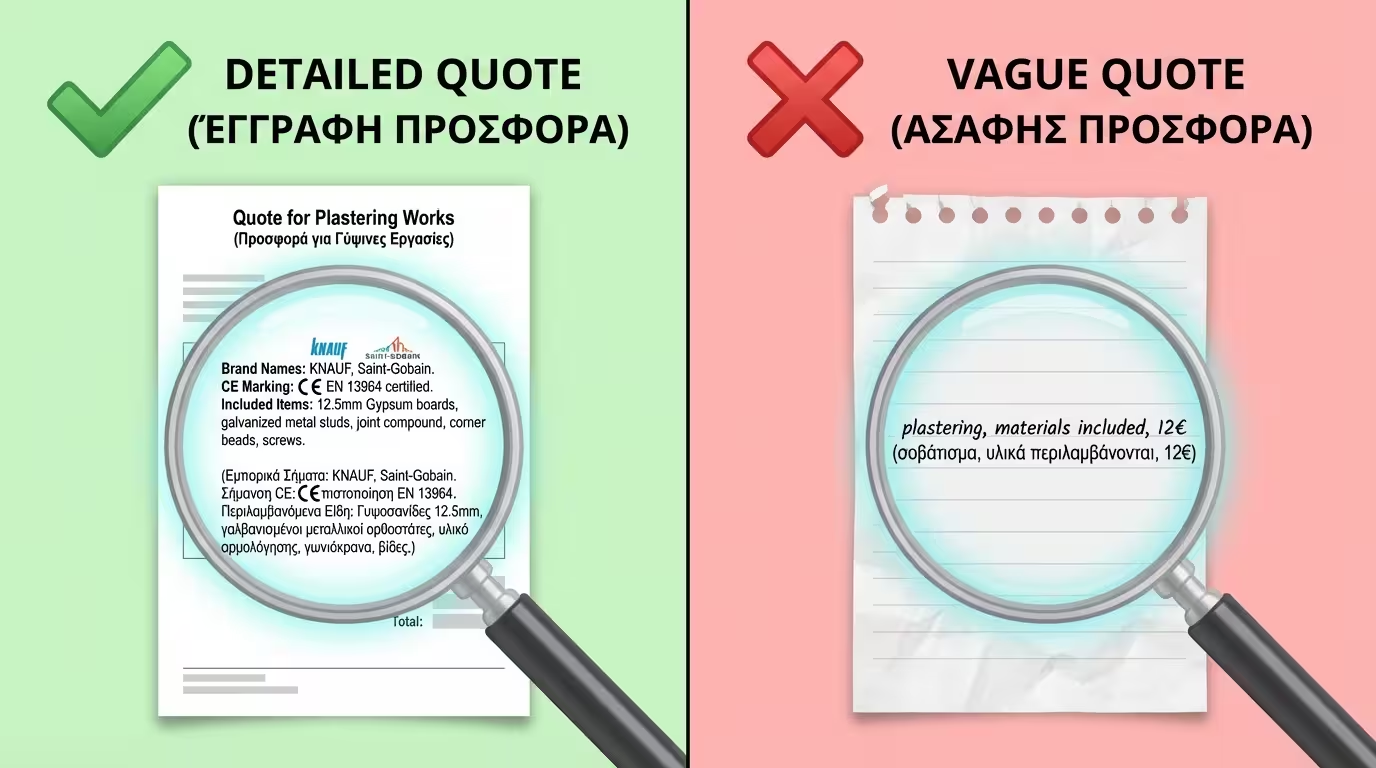
⚠️ Beware of "Very Cheap" Quotes: If a quote (with materials) is unusually low, it usually hides discounts on quality. The contractor may avoid using quartz primer, not put fiberglass mesh anywhere at the joints, or use galvanized corner beads externally (which will rust) instead of stainless steel ones. Always ask for a written breakdown of materials!
Before the project starts, agree on the method of measurement (remember the rule with the "sheets" and the gaps of the windows).
On large jobs, agree with the contractor to "finish" a small wall for you first. This way you will check the quality of the plumbing and the cleanliness of the crew before committing to the whole building.
The right price isn't the cheapest - it's the one that includes everything in writing. Know exactly what you're paying for before the first trowel hits the wall.
Return to category.
Go to categoryReturn to the central guide.
Go to guide