Roman Mortar
The Romans discovered that by mixing lime with volcanic ash (pozzolan from the Pozzuoli region), they created a mixture that hardened even underwater. Thus was born the first, highly durable, "ecological cement" in history.
How is it that buildings thousands of years old, such as the Pantheon in Rome or Byzantine monuments, stand proudly to this day, while modern cement renders crack within a few years? The secret lies in the wisdom of ancient materials: in Kourasani and Roman Mortars.
Today, as bioclimatic architecture and green renovations gain ground, these historical renders are making a dynamic comeback. Whether you are an engineer undertaking the restoration of a heritage building, or an owner/DIYer who wants a completely natural, "living" wall in their living room or bathroom, it's time to meet the materials that do not contain a single gram of modern cement.
The main difference between these materials and modern renders is the complete absence of common cement (Portland). Instead of cement, they use hydraulic lime combined with natural pozzolans as a binder.
The Romans discovered that by mixing lime with volcanic ash (pozzolan from the Pozzuoli region), they created a mixture that hardened even underwater. Thus was born the first, highly durable, "ecological cement" in history.
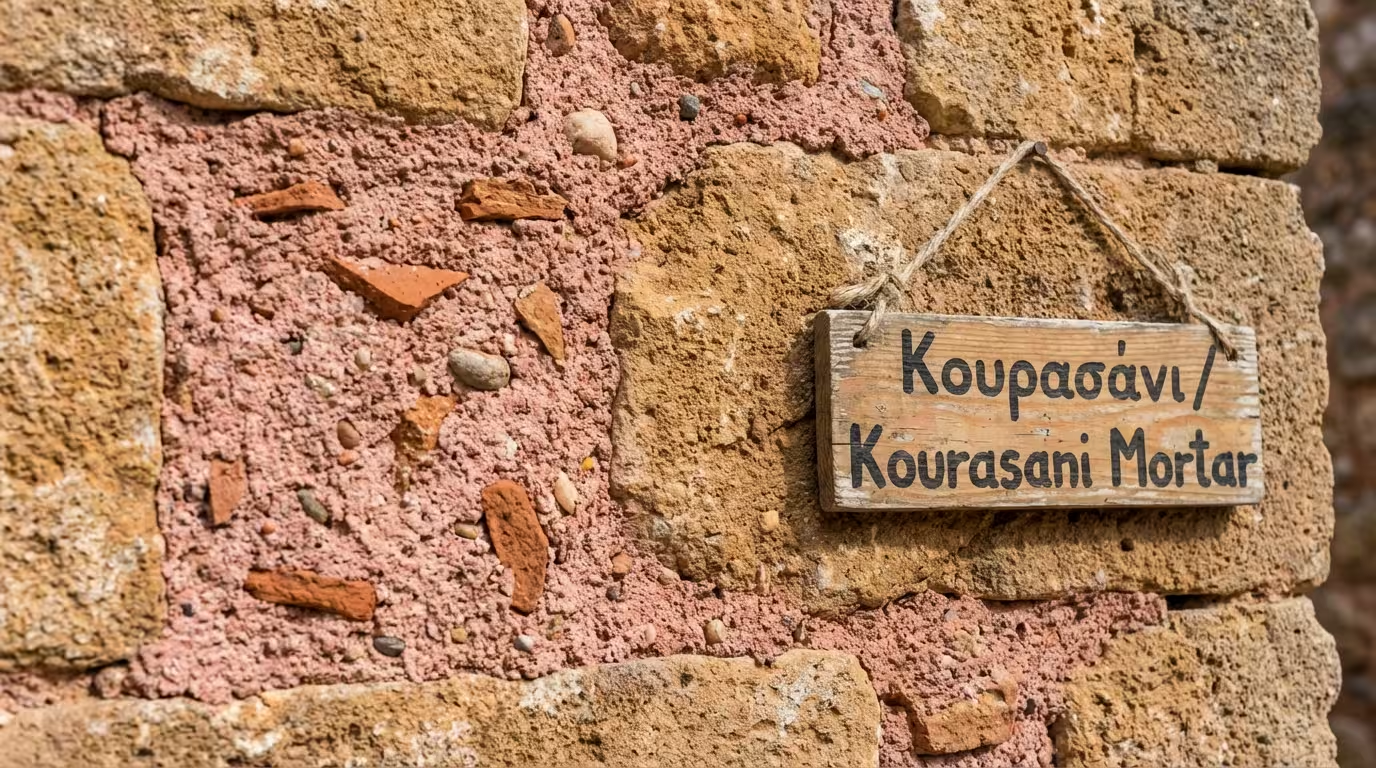
In Byzantium and the East, because volcanic ash was not everywhere, craftsmen found another clever solution: they replaced pozzolan with crushed ceramic (broken tiles and baked clay). This mixture (lime, Santorini earth, crushed tile, quartz sand, and water) was named Kourasani (or Khorasan) and stands out for its characteristic terracotta/pink color.
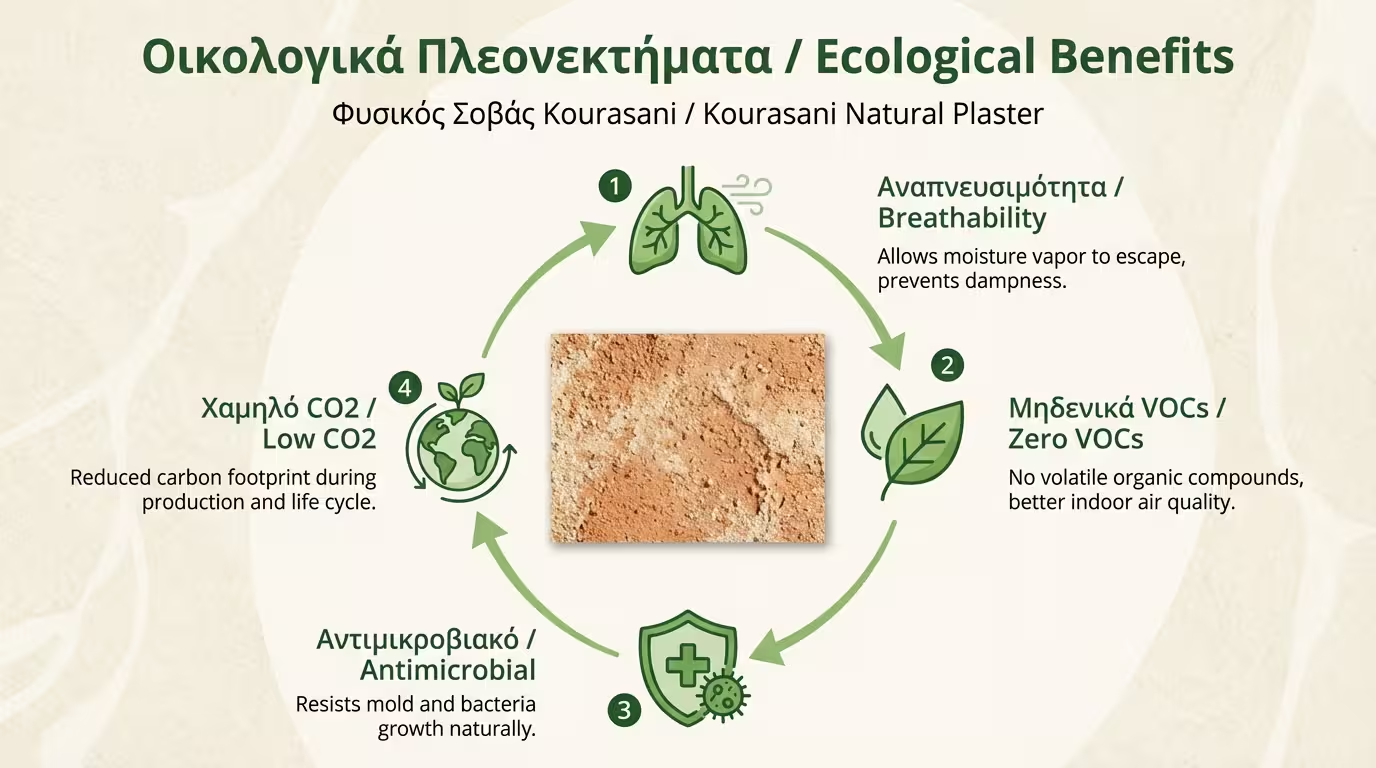
In modern construction, these materials are considered premium, primarily due to their bioclimatic properties:
Kourasani acts like a "lung" for the building. It absorbs excess room humidity when there is water vapor and releases it when the atmosphere is dry. Result? An end to mold and condensation.
They are 100% natural materials, without chemical resins, plasticizers, and volatile substances. They are ideal for children's rooms and allergy sufferers.
Due to the high alkalinity of lime, fungi and bacteria cannot survive on their surface.
Cement production is responsible for massive CO2 emissions worldwide. Producing lime and crushed ceramic requires much less energy, making these materials environmentally friendly.
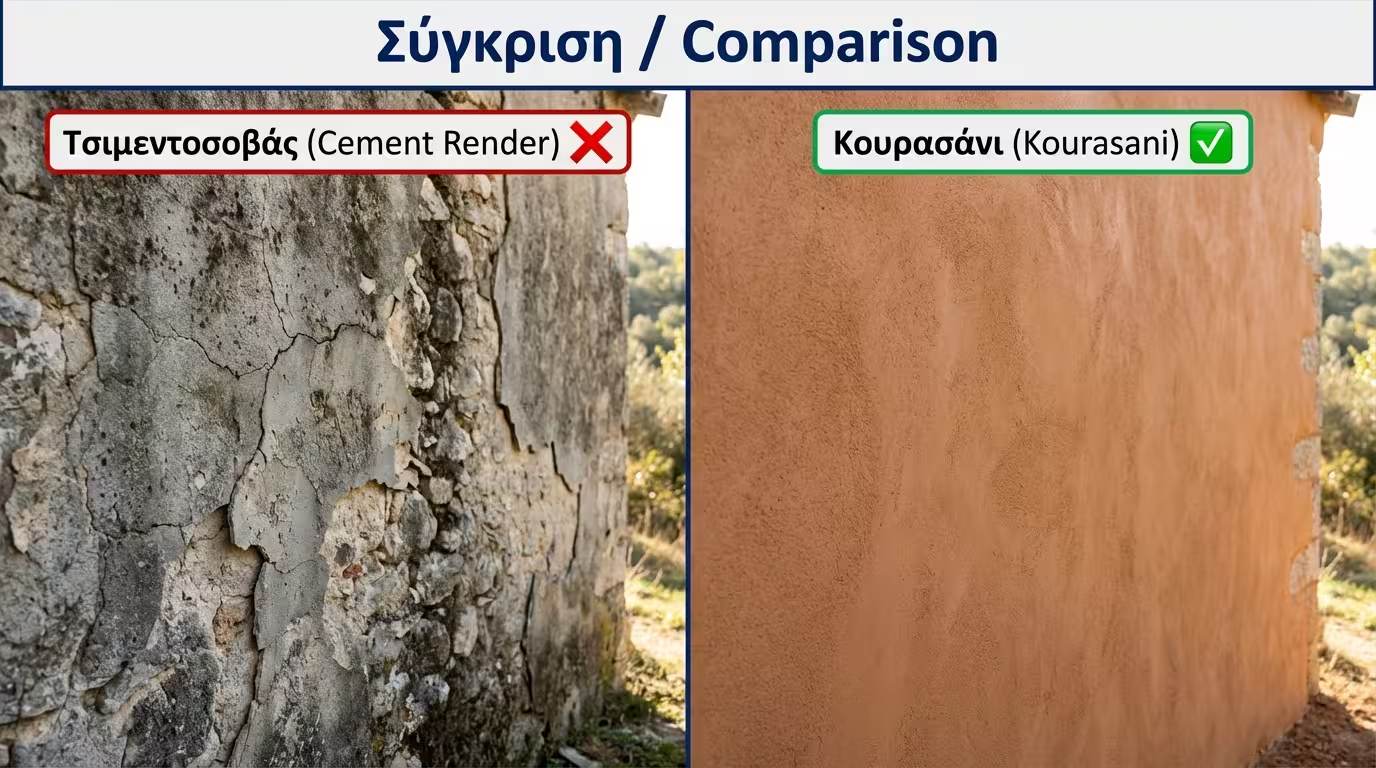
| Characteristic | Kourasani / Roman Mortar | Common Cement Render |
|---|---|---|
| Components | Lime, crushed ceramic, pozzolan, water | Cement, sand, water, (little lime) |
| Wall Breathability | Excellent (regulates humidity) | Very low (traps water vapor) |
| Aesthetics / Color | Earthy, natural hues (mass-colored) | Grey, requires painting |
| Flexibility | Very high (absorbs shocks) | Low (cracks with micro-movements) |
| Compatibility | Ideal for stone, clay, brick, heritage | Ideal for concrete (damages stone) |
Although previously used as basic building materials, today we primarily find them in:
Cement is strictly prohibited in heritage buildings because it "corrodes" them. Kourasani is completely compatible (R-class) with old masonry.
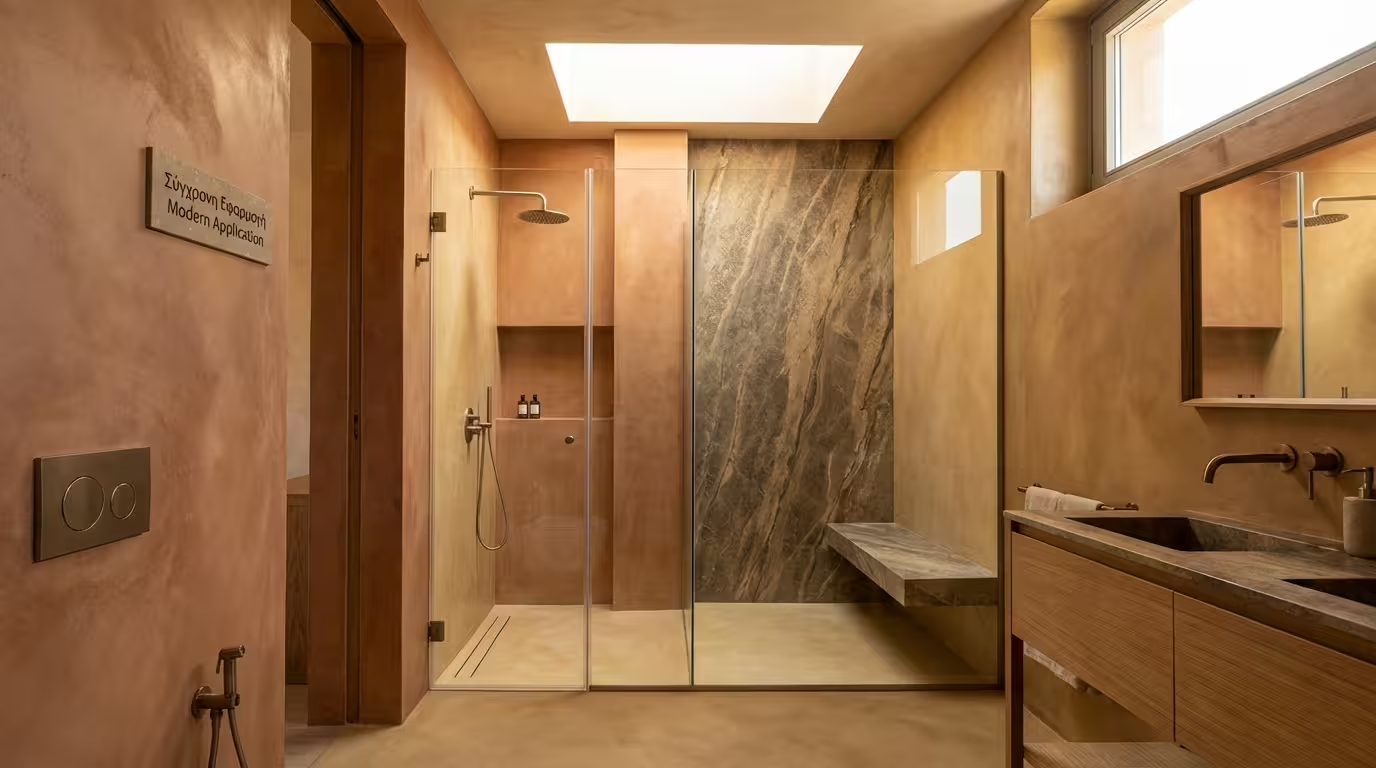
When pressed and polished correctly (like pressed cement screed), kourasani becomes waterproof, offering a luxurious, rustic aesthetic.
Its textured surface and warm, earthy colors (derived from natural pigments) eliminate the need for plastic paints.
The role of time: Cement-free mortars do not "set" abruptly. They dry much slower, absorbing carbon dioxide from the atmosphere (carbonation). This means they give the craftsman ample time to work them and achieve the perfect texture, but they require patience before being handed over for use.
Many craftsmen, used to the speed of modern render, secretly add a little cement to kourasani to make it "pull" faster. This ruins all its bioclimatic properties and negates its ecological value.
If you apply kourasani in a bathroom or kitchen counter, its final finish must be done with natural beeswax or linseed oil. This seals the pores, highlights its grain, and makes it stain-resistant, without using chemical varnishes.
Return to category.
Go to categoryReturn to the central guide.
Go to guide