
Shrinkage Cracks (Drying)
The most common issue in new renders. Why a bad mix, excessive heat and rapid drying crack the surface like a spider web.
Read more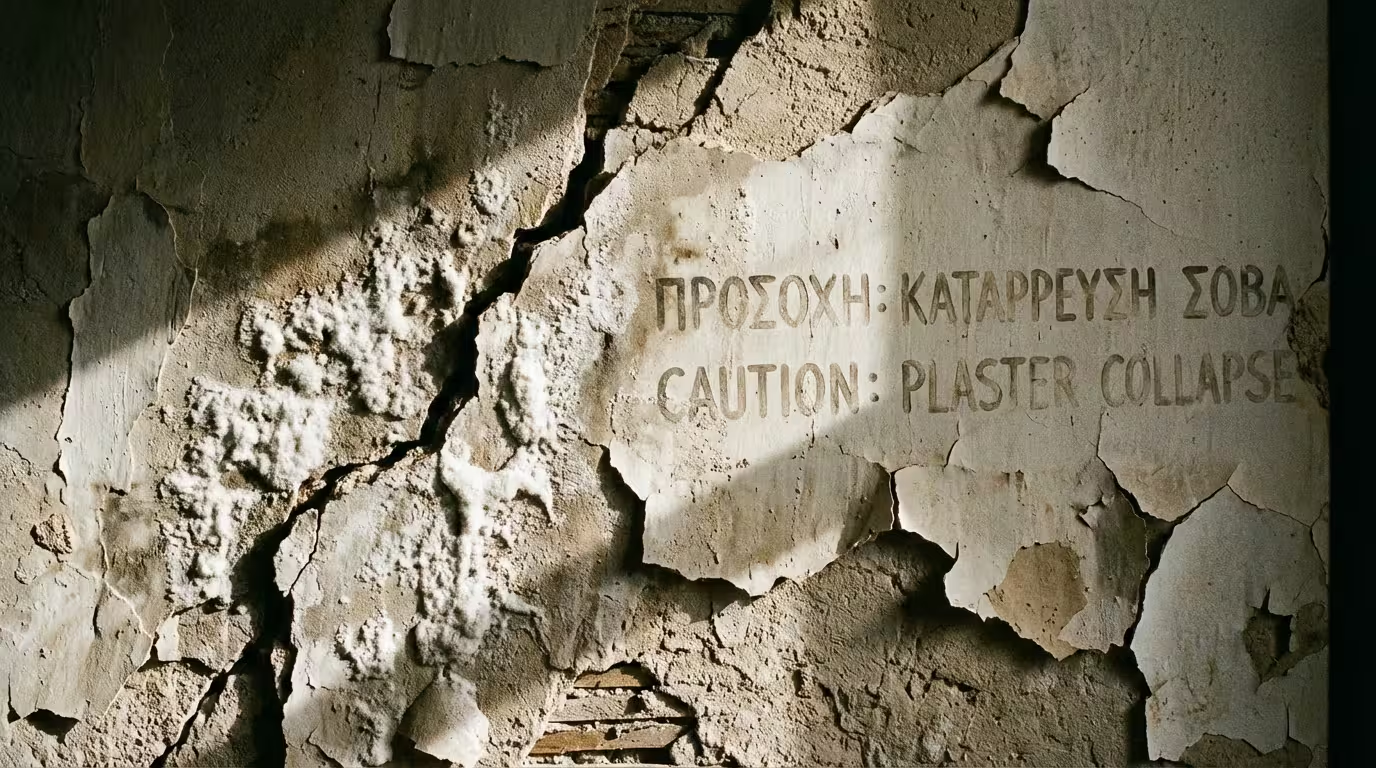
Every crack, stain or peel on your wall tells a story. The secret to permanent repair isn't surface-level filling, but correctly diagnosing the root cause.
In this section, we analyse plaster "pathology": from harmless hairline cracks and unsightly salt deposits to destructive rising damp and dangerous structural failures. Learn to decode wall symptoms and protect your building before problems spread.
Not all cracks are the same. Some are merely cosmetic blemishes while others signal structural or insulation problems. Learn to distinguish crack types and their real causes.
The most common issue in new renders. Why a bad mix, excessive heat and rapid drying crack the surface like a spider web.
Read moreWhen to worry. How to distinguish cracks from ground settlement, earthquakes or poor masonry-to-concrete connections.
Read more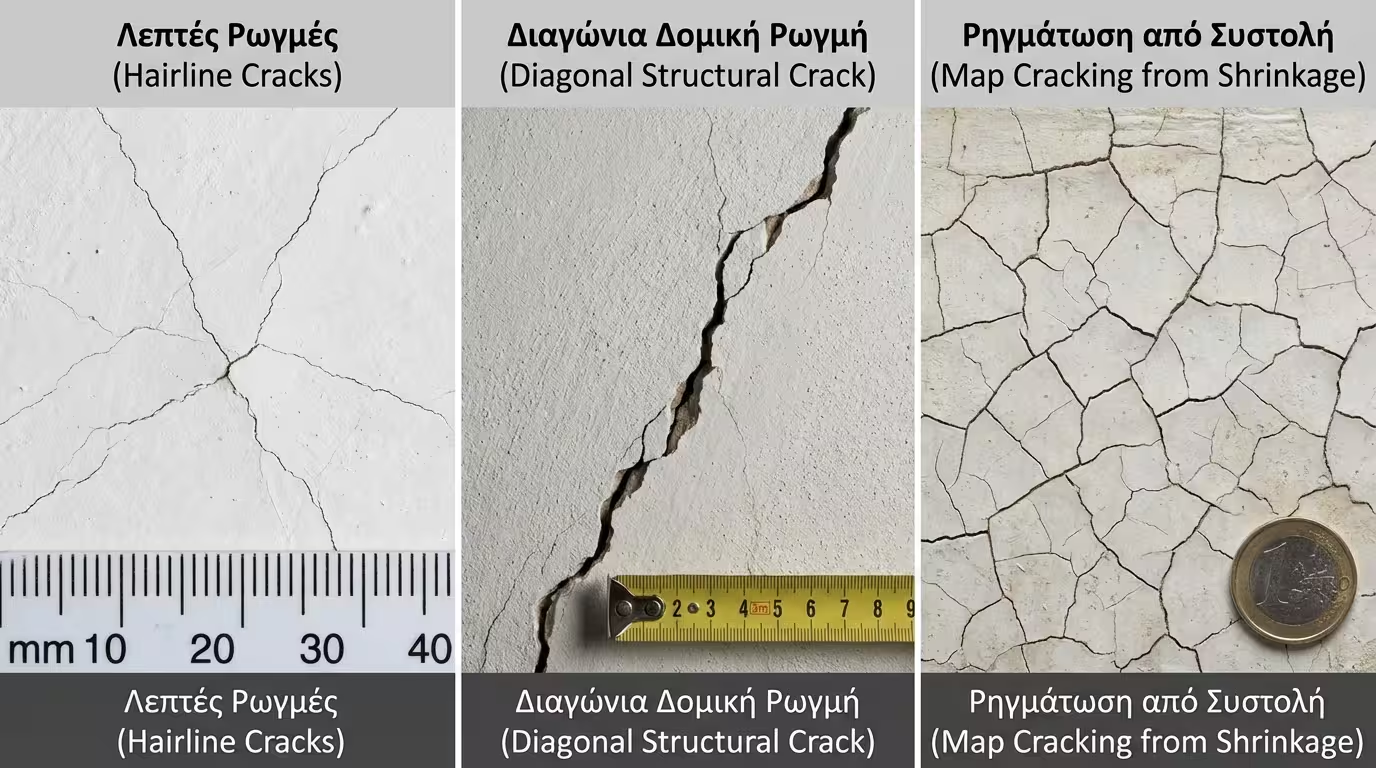
The building's reaction to temperature changes. How sudden weather shifts create stresses that crack external facades.
Read moreWhen the insulation system fails. Common causes: poor mesh embedment, missing corner beads and base coat errors.
Read moreHarmless or dangerous? Identification guide for cracks under 1mm wide and how they affect your home's waterproofing.
Read moreWater is the number one enemy of every building. Whether from the ground, rain or interior humidity, moisture gradually erodes plaster finishes.
The "sponge" effect. How water rising from foundations destroys low-level plaster, causing severe deterioration.
Read moreThose annoying white patches. Where salts come from, how they destroy paint and why simple washing won't remove them.
Read more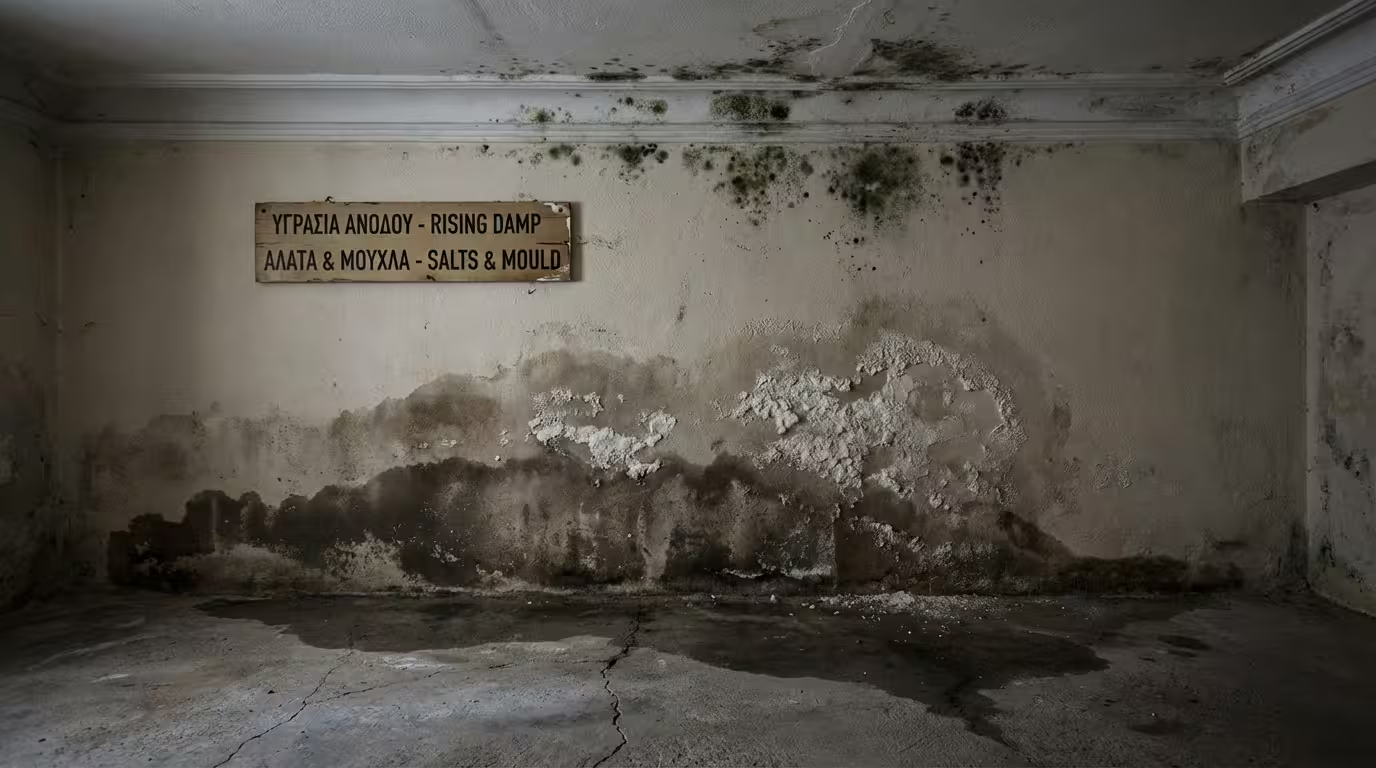
The invisible threat. How hidden plumbing leaks and poor joint sealing trap water, rotting masonry from inside out.
Read moreA health and aesthetics issue. The role of condensation, poor ventilation and how thermal bridges create the perfect environment for fungi.
Read moreTime leaves its marks. Surface deterioration, fading and strength loss caused by solar radiation and acid rain.
Read moreWhen plaster loses contact with the wall, collapse is only a matter of time. Learn to spot dangerous areas before accidents from falling material occur.
Why adhesion fails? The role of poor preparation, missing primer and dust that prevents bonding to the wall.
Read moreWhen the wall forms "bubbles". How trapped moisture seeking escape presses the finish coat, destroying cohesion.
Read more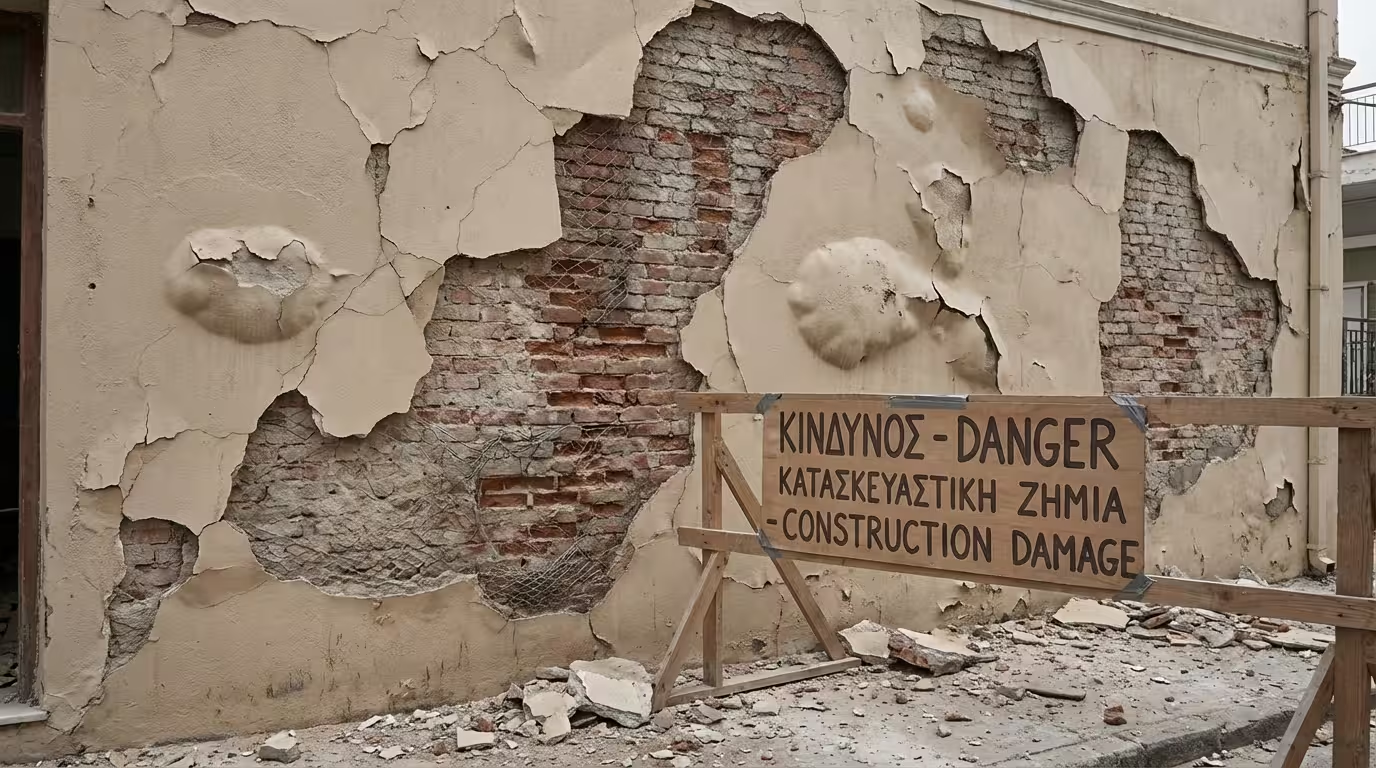
The sound test. How to locate internally delaminated areas with a light tap before complete collapse occurs.
Read moreAn expensive and dangerous error. Why poor adhesive application or missing mechanical fixings can cause entire ETICS sections to fall.
Read moreThe destructive power of ice. How trapped pore water expands in winter, "shattering" the external render layers.
Read moreReturn to the complete plaster guide.
Go to guideIf you've found deterioration - request a technical assessment.
Contact us