
Repair, Restoration & Maintenance
Return to category.
Go to categoryIs there anything worse than spotting a crack in your living room? Yes - watching the exact same crack reopen just months after you paid to have it repaired and repainted.
When a crack persistently reappears in the exact same spot, it is sending us a clear message: the crack is active. The building at that point "moves" slightly (due to contractions-expansions or junctions of different materials) and the forces that develop are greater than the strength of simple filler. The solution is not to apply more filler, but to "arm" your repair using reinforcement mesh (fibreglass mesh).
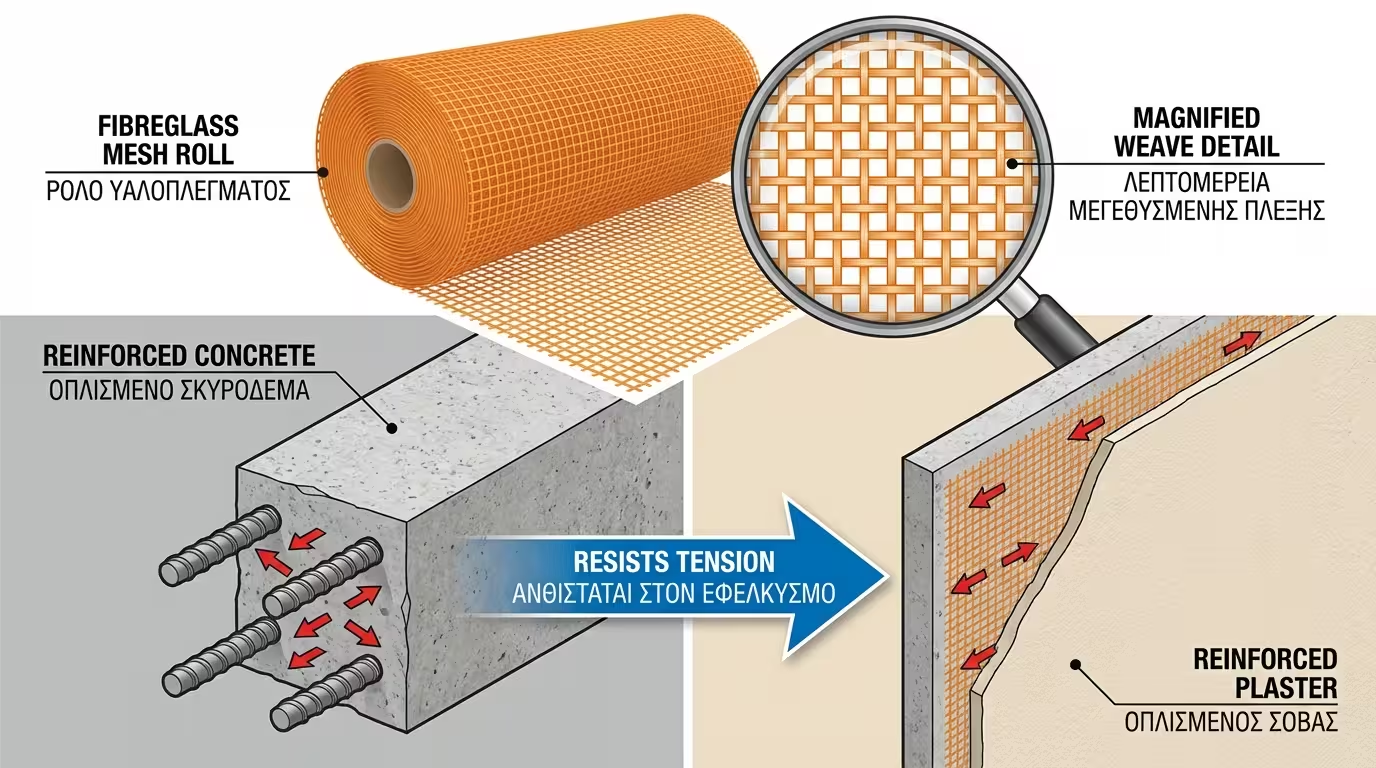
The reinforcement mesh (known on construction sites as "the net") is a woven grid of glass fibres, usually coated with special resins to resist the alkalis of cement.
Its function is supremely simple yet lifesaving: it does for the render exactly what iron does for concrete (reinforced concrete). On its own, the render or filler has enormous resistance to compression, but zero resistance to "tension" (pulling). When the wall is pulled, the filler tears. Fibreglass mesh, being extremely resistant to pulling, absorbs these tensions and keeps the repair united, preventing the creation of a new crack.
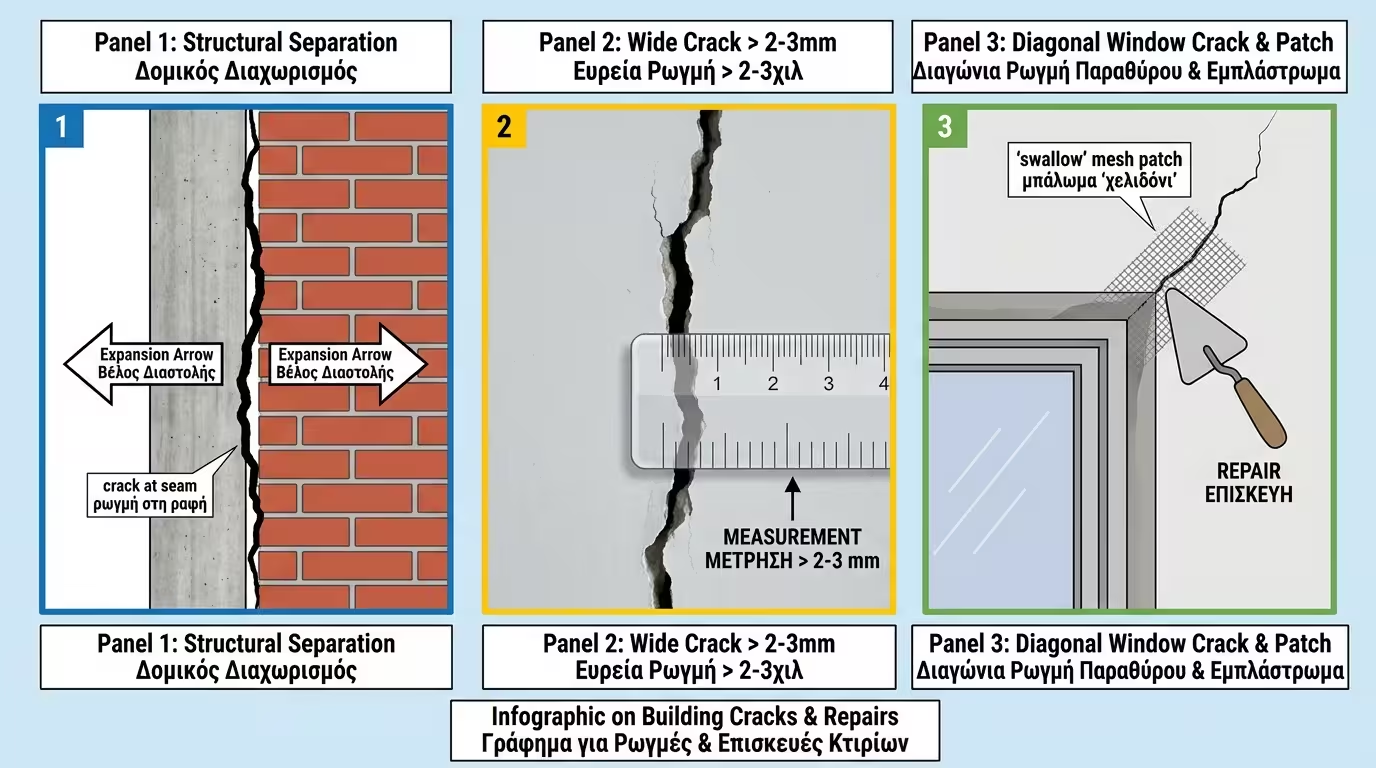
Not all cracks need net. However, in the following 3 cases, its use is a one-way street:
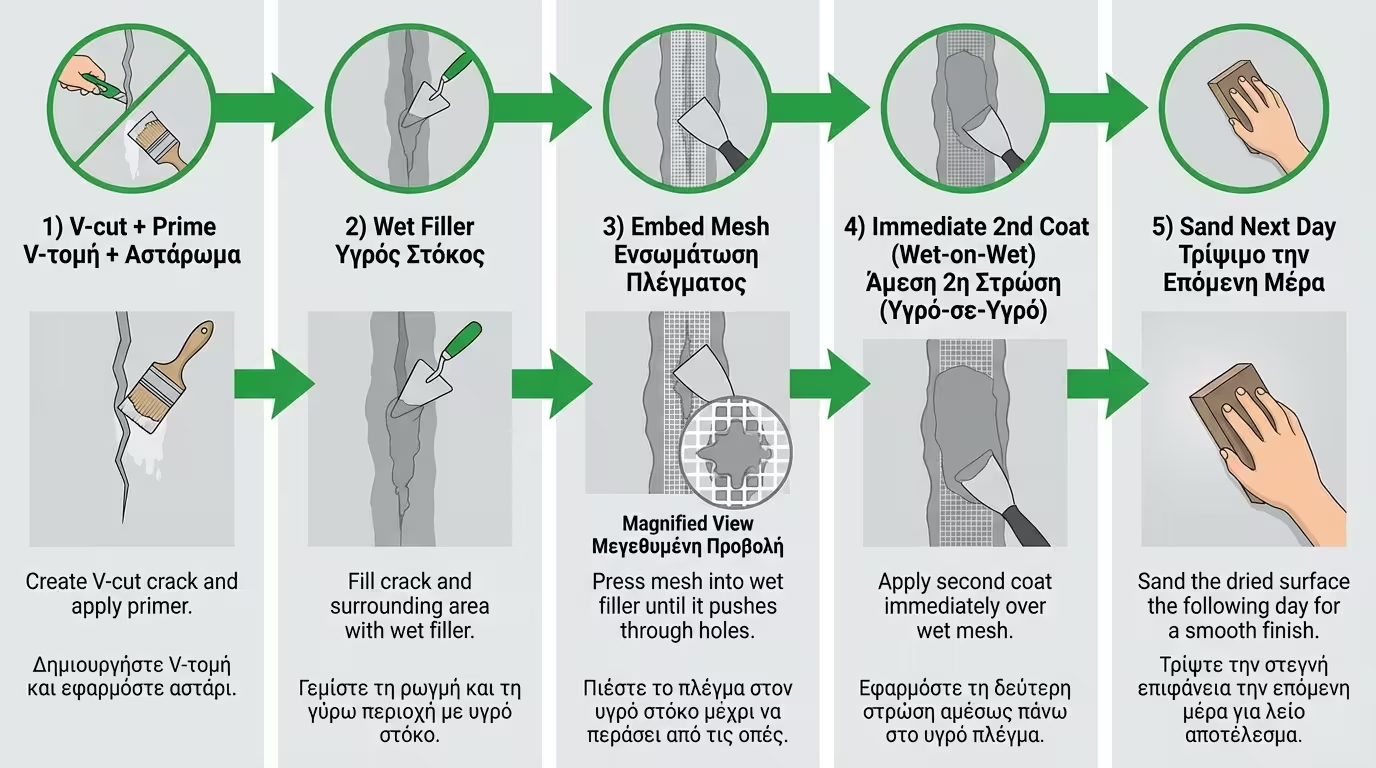
Buying a fibreglass mesh tape is not enough. The secret to success (and the point where many amateurs make a mistake) is the way the net will be trapped inside the material.
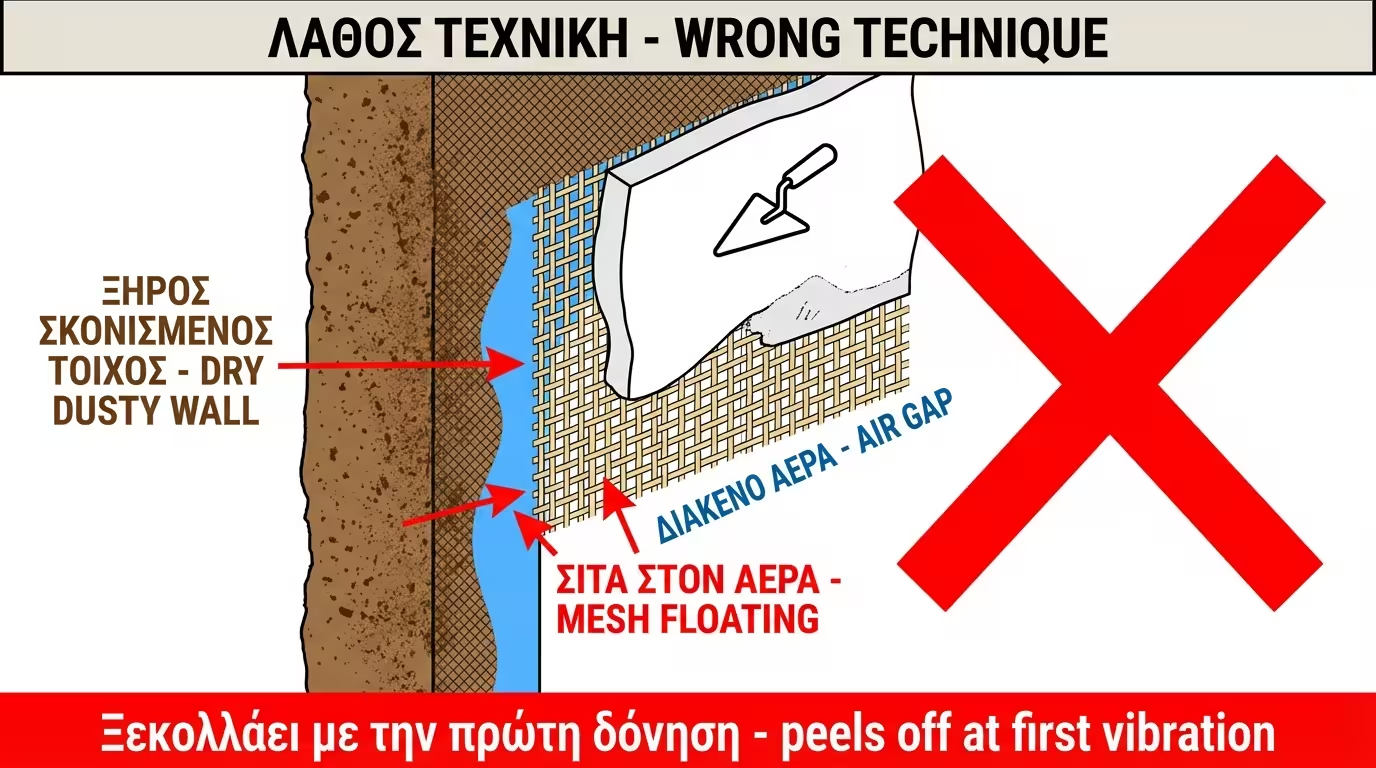
The Classic Mistake: Many take the self-adhesive net tape, stick it directly onto the dry, dusty wall (over the crack) and then pass the filler over it. This is wrong! The net remains in the air (on its back side) and the filler simply covers it superficially. With the first vibration, the whole "patch" will peel off like a sticker.
For the mesh to work, it must "swim" inside the repair material (usually in the outer 1/3 of its thickness).
Return to category.
Go to categoryReturn to the central guide.
Go to guide