The Role of Sand and Grain Size: How They Affect Shrinkage and Adhesion

When we think of render, our minds immediately go to cement and lime. However, the real "backbone" of the mix – the one that takes up 70% to 80% of its volume – is the sand (the aggregates).

Choosing the wrong sand is the number one cause of cracking, delamination, and "bursting" of the wall. Whether you are a DIYer buying bags from the building materials yard, or an engineer checking materials on the construction site, understanding grain size is the key to an excellent result.

What Is Grain Size?

The term grain size (grading) simply refers to the size (diameter) of the sand grains. It is measured in millimeters (mm). A sand can be very "fine" (like powder), "medium", or "coarse" (with small pebbles).

The secret to a proper mix is to have graded grain size, meaning it contains both coarse and fine grains. The coarse grains create the "skeleton" of the render, while the fine grains enter the gaps between them and "lock" the mix, making it compact.

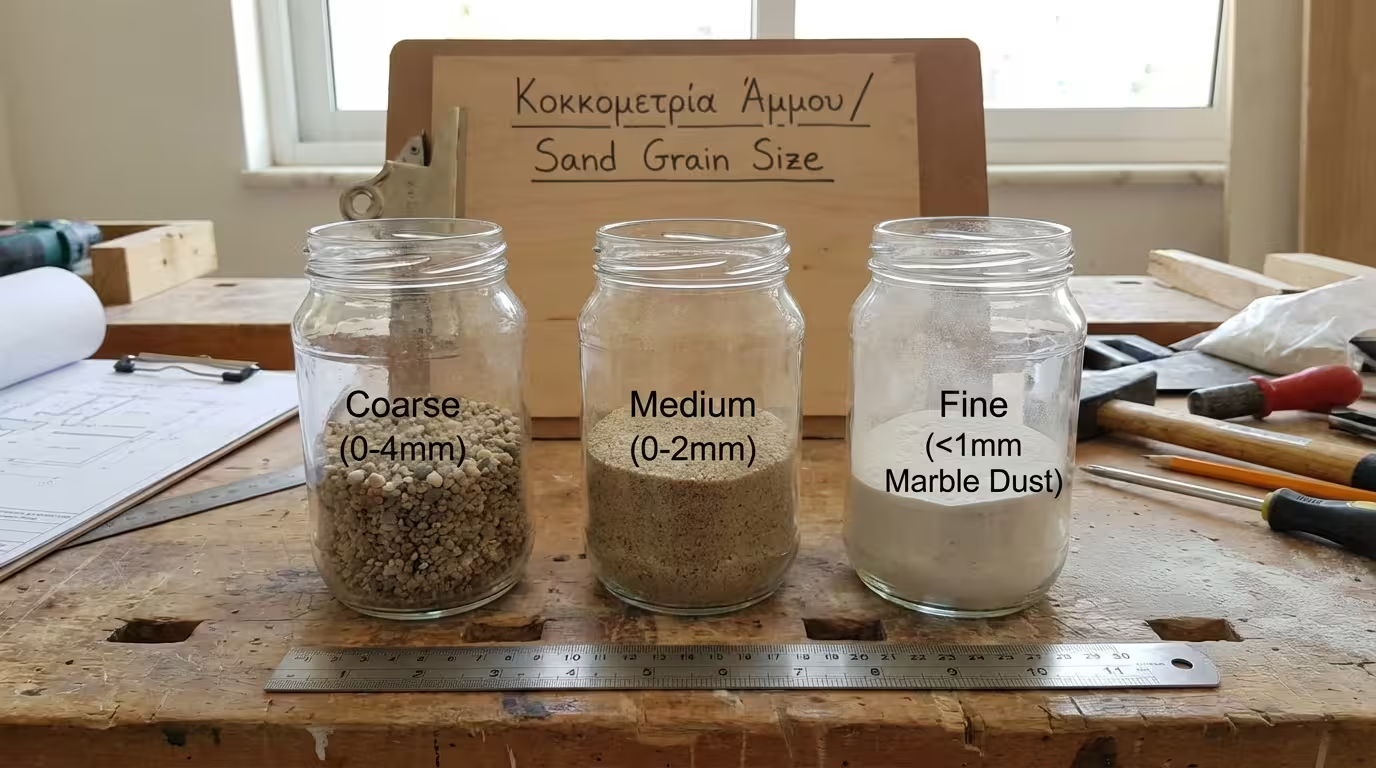
Three types of sand: coarse, medium, fine - grain comparison

Which Sand Goes on Each Coat of Render?

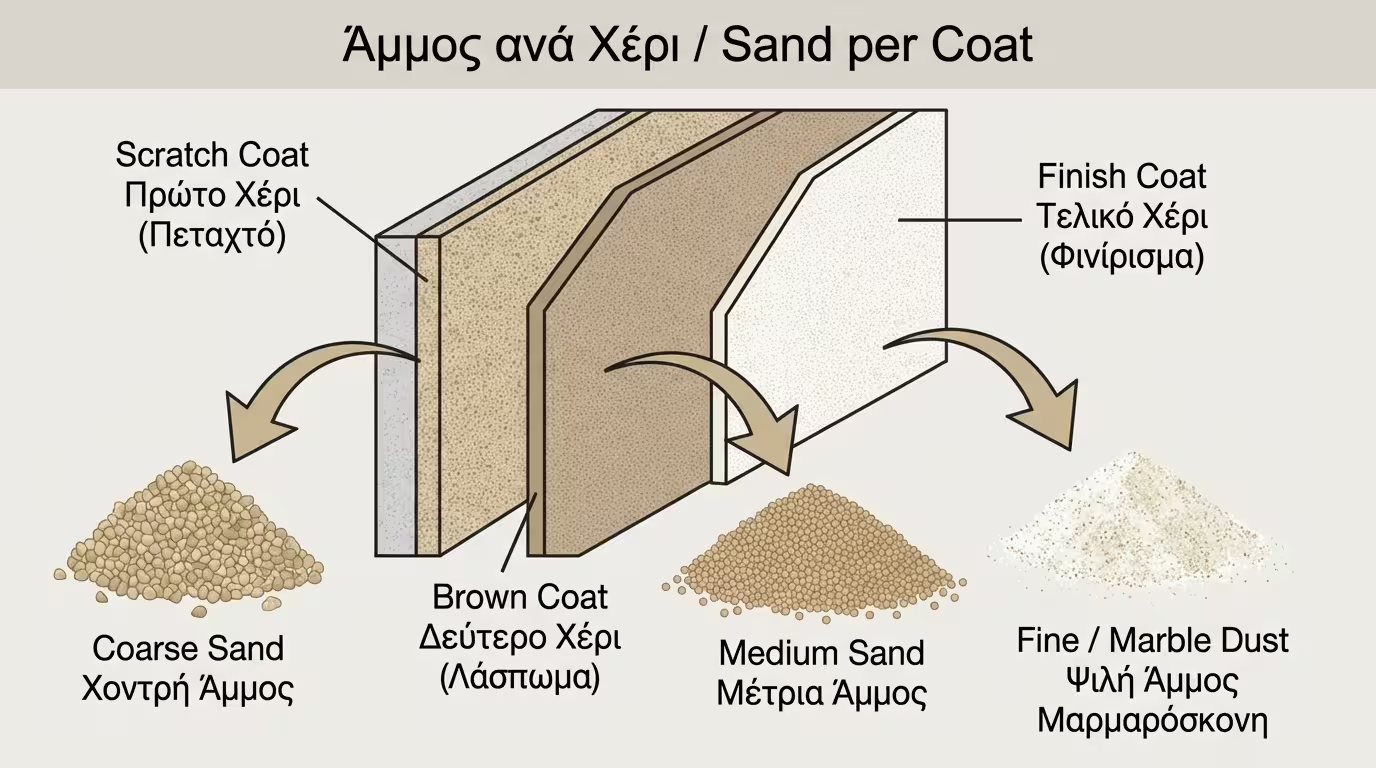
Three render coats with corresponding sand grain sizes

Each layer of render requires a different size of sand to work properly:

1. For the Scratch Coat (1st coat)

  • What we need: A rough surface to "hook" the next coat.
  • Ideal Grain Size: Coarse sand (e.g. concrete sand or coarse river sand), with grain sizes from 0mm to 4mm (or even 5mm).
  • Result: Creates "teeth" on the smooth concrete or brick.
2. For the Brown Coat (2nd coat)

  • What we need: Filling, levelling and flexibility.
  • Ideal Grain Size: Medium sand (river or crushed quarry sand), with grain sizes from 0mm to 2mm (or 2.5mm).
  • Result: Gives volume without sagging and is easily worked with the screed rule.

3. For the Finish Coat / Marble (3rd coat)

  • What we need: An absolutely smooth surface, ready for puttying or painting.
  • Ideal Grain Size: Very fine sand or marble dust, with grains below 1mm (usually 0-0.8mm).
  • Result: Closes the pores and gives the velvety finish.

The "Dirty Sand" Nightmare: Clay & Salts

Even if you achieve the right grain size, your sand must be clean. In building materials yards, sand (especially sea or river sand) must be strictly washed.

If the sand contains:

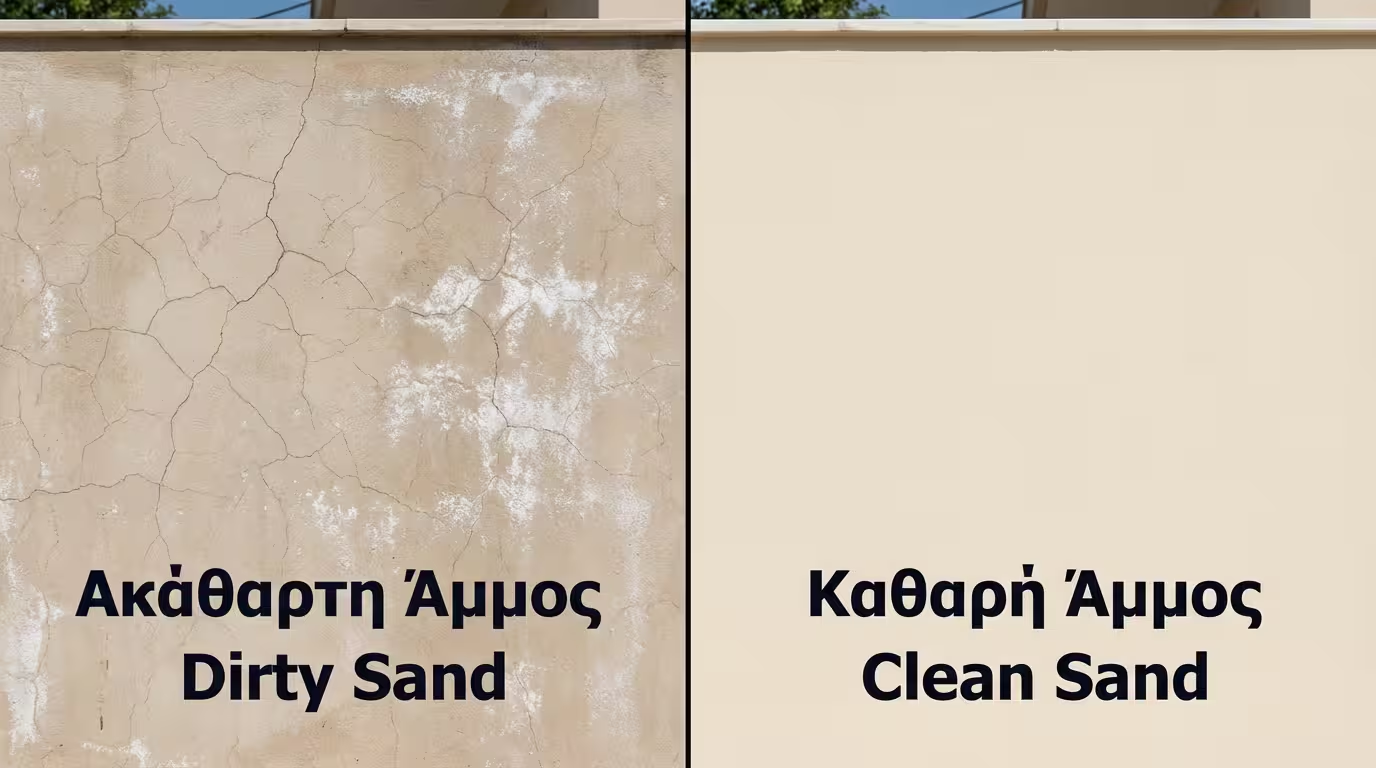
Wall with hairline cracks and salt efflorescence from unclean sand

1. Clay (Silt)

Clay sucks the water of the mix like a sponge. When the render dries, the clay will shrink abruptly, filling your wall with infinite hairline cracks (like a spider web).

2. Salts

If the sand hasn't been washed properly of salt, it will "travel" with the moisture outwards. In a few months, you will see the render and the paint peeling off and white stains (efflorescence) appearing on the facade of the house.

Comparison Table: The Correct Size per Application

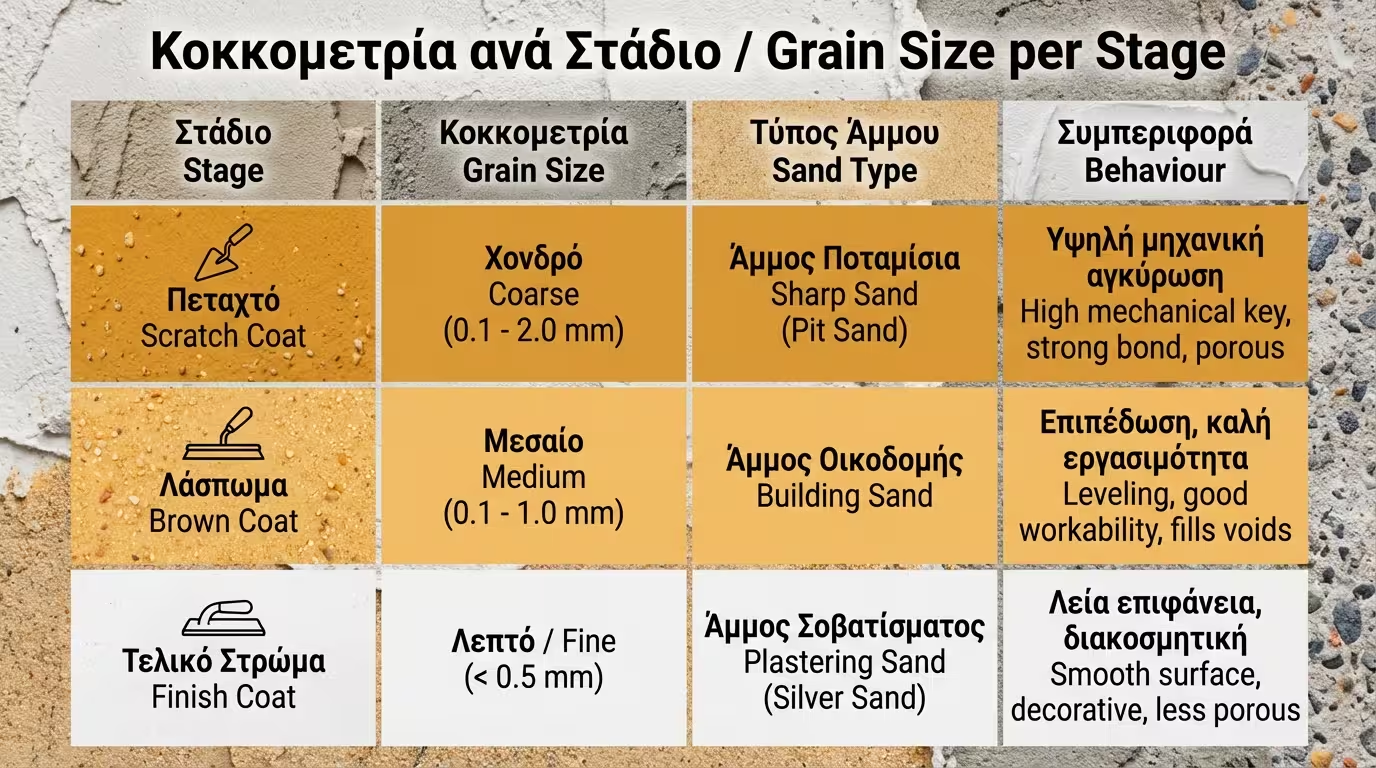
Sand grain size table by plastering stage
Plastering Stage Ideal Grain Size (Grading) Sand Type Behaviour
Scratch coat 0 - 4 mm Coarse (e.g. Concrete) Maximum mechanical adhesion.
Brown coat 0 - 2 mm Medium (River/Crushed) Balance of strength & flexibility.
Finish Coat / Marble < 1 mm Fine (Marble dust) Smoothing and sealing of pores.

Useful Tips for DIYers and Professionals

How grain size relates to cracking: If you try to fill a thick gap (e.g. 3 centimeters) using very fine sand, the material has so much cement and water in proportion to the "skeletal" grains, that the shrinkage during drying will be huge. The result? Guaranteed bursting of the render. Thick fill = Coarse sand.

The "Hand Test" (For DIYers)

Take a handful of wet sand from the pile and rub it between your palms. If when you shake off your hands mud (soil) remains on your skin that doesn't come off easily, the sand is not clean and is unsuitable for a good render.

Consistency with Ready-Mixed Renders

If you are afraid of the quality of the bulk sand they will bring you to the site, the safest solution is the ready-mixed bagged renders, where the grain size and washing of the aggregates are controlled by strict factory standards.

Conclusion

Choosing the wrong sand is the number one cause of cracking and delamination. With the right grain size per layer and clean, washed sand, your render will last decades.

Related Articles

Preview