GP (General Purpose)
General Purpose mortar. The classic render (body coat/finish coat) for internal and external walls.
In modern construction, the era when the contractor said "trust me, the material is good" has passed irreversibly. Today, the choice of building materials is based on strict European specifications, measurable laboratory data and legal responsibilities.
For renders (plasters), the "Bible" of certification is the European Standard EN 998-1. Whether you are a supervising engineer, an architect or an owner who wants to check the materials of their renovation, understanding this standard and the CE Marking is absolutely essential. Let's decode the letters and numbers hidden in the Technical Data Sheets (TDS) of ready-mixed renders.
The EN 998-1 standard specifies the requirements for factory-made rendering and plastering mortars based on inorganic binders for external (render) and internal (plaster) use. Essentially, it obliges material manufacturers to test their products in independent laboratories and accurately declare their performance through the Declaration of Performance (DoP).
Without the CE marking and compliance with EN 998-1, a ready-mixed mortar is legally prohibited from being sold and incorporated into any public or private project in the European Union.
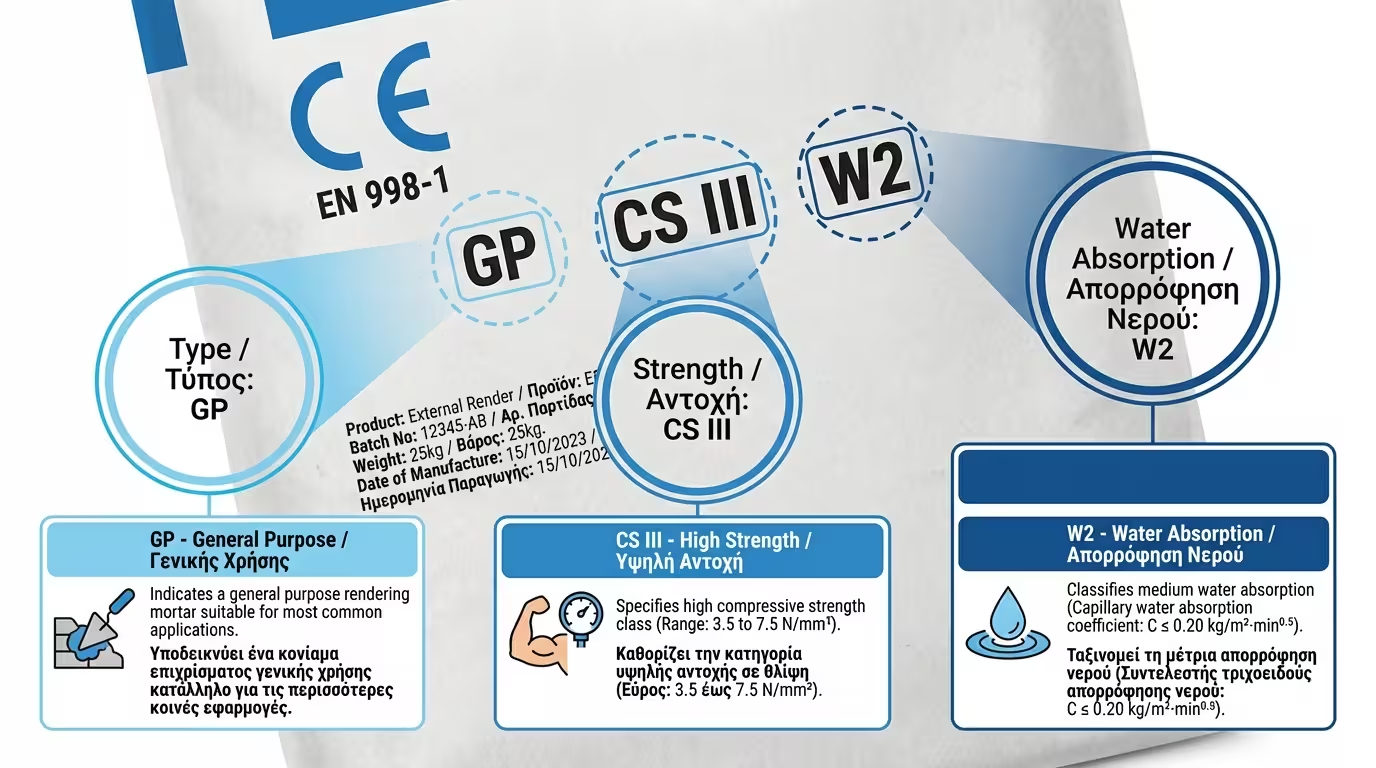
When you look at the bag of a factory-made render, you will see a series of codes. The most critical ones for the correct selection of the material are the following:
The standard divides renders into categories according to their purpose:
EN 998-1 classifies renders by purpose:
General Purpose mortar. The classic render (body coat/finish coat) for internal and external walls.
Lightweight mortar. Ideal for aircrete (Ytong) or old masonry, with a specific weight under 1300 kg/m³.
Coloured rendering mortar.
One coat rendering mortar (e.g. gypsum plasters). Applied in a single thick coat.
Renovation mortar / dehumidifying plaster. Designed specifically for walls with rising damp and salts.
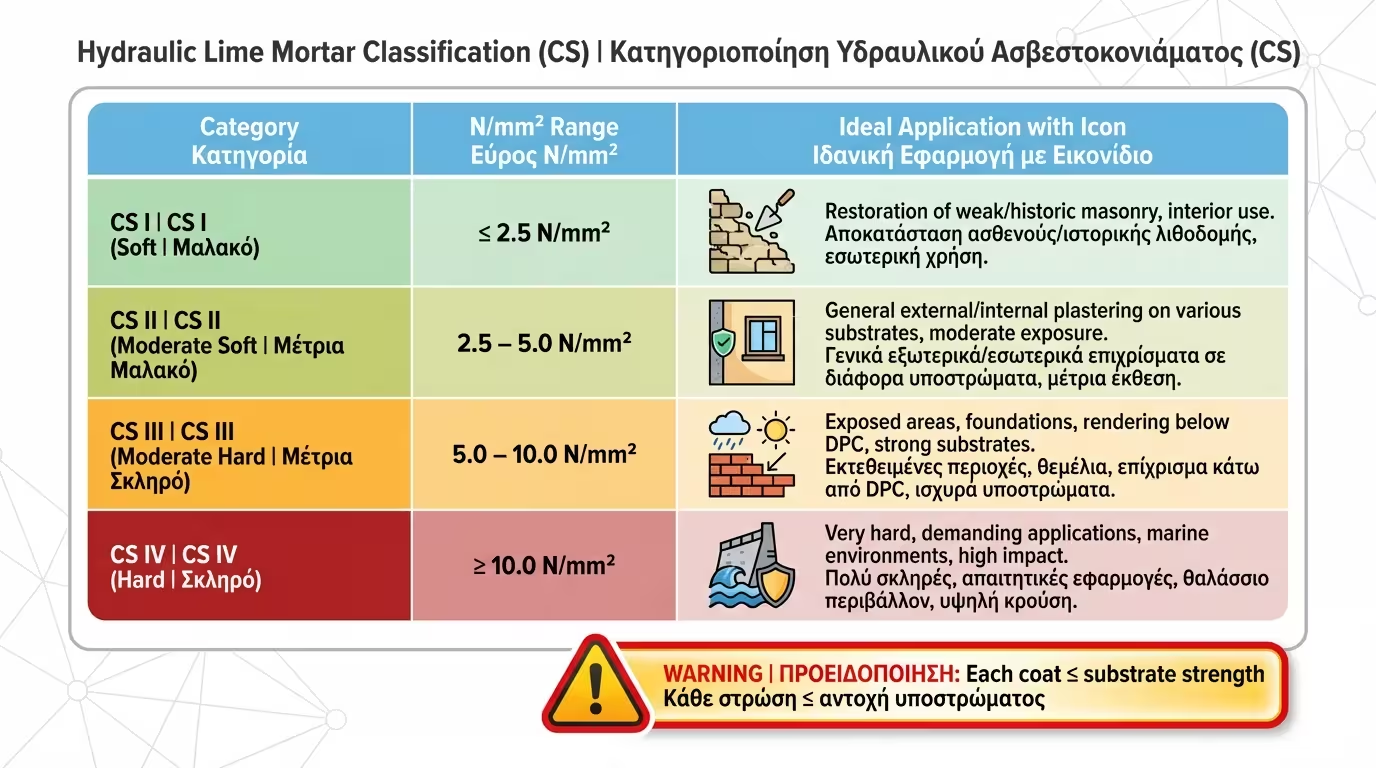
It shows how hard/resistant the render is. Measured in N/mm² after 28 days.
| Category | N/mm² | Application |
|---|---|---|
| CS I | 0.4 - 2.5 | Very soft. Ideal for old, weak bricks or heritage buildings. |
| CS II | 1.5 - 5.0 | Soft to moderate. |
| CS III | 3.5 - 7.5 | Moderate to hard (The most common category for standard body coats). |
| CS IV | ≥ 6.0 | Very hard. For ground floors, garages and high-impact zones. |
⚠️ The Engineer's Mistake: Many times, we assume that "harder is better". Wrong! The rule of construction says that each coat must be softer (or of equal strength) than the previous one. If you put an ultra-hard render (CS IV) on a soft, old brick, the render will violently shrink, break the brick and delaminate. The material must "match" the substrate.
It shows how much water the render absorbs if it gets wet (e.g. from rain).
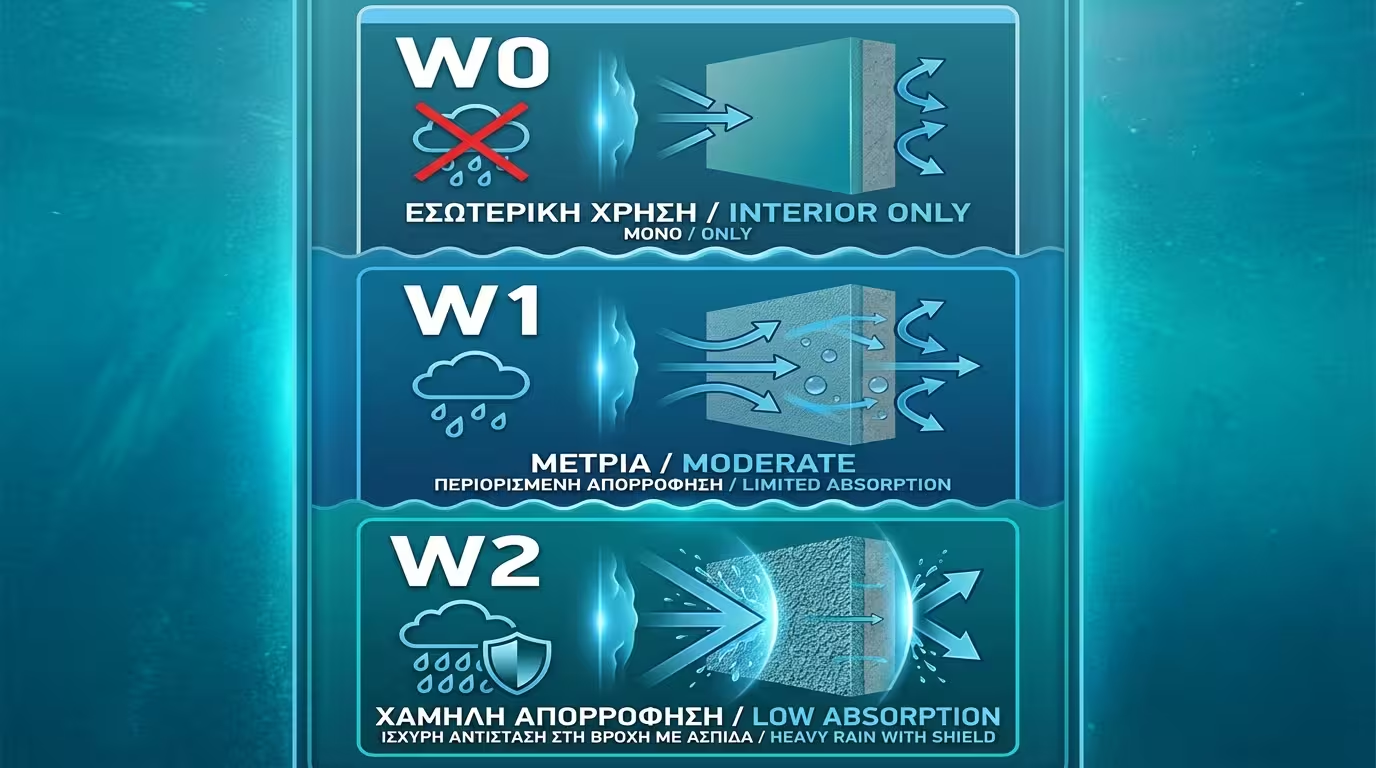
No specified requirement (for internal use only).
Moderate water absorption (Suitable for external use with conditions).
Low water absorption (Excellent waterproofing). Mandatory for the final external render, especially in coastal or mountainous areas.
Beyond theory, the use of certified CE materials (EN 998-1) has huge practical implications:
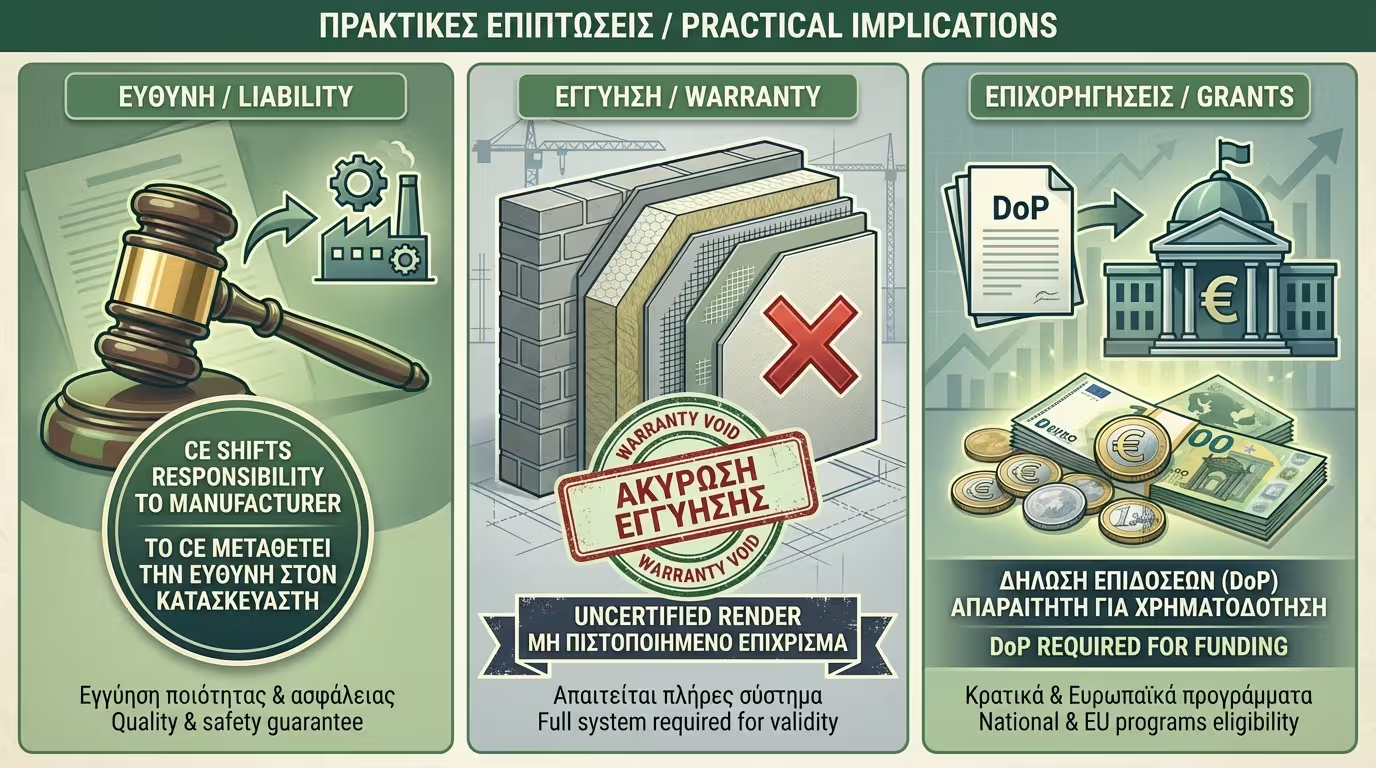
If you install "loose" materials of unknown origin in a project and the render collapses causing damage (or injury), the supervising engineer and the contractor bear full liability. If the material has CE and fails, the liability shifts to the manufacturer (provided it is proven that it was correctly applied).
In External Thermal Insulation Composite Systems (ETICS), all materials (adhesives, meshes, renders) must be tested as a SINGLE system (usually under the ETAG 004 standard). The selection of a random, uncertified render voids the warranty of the entire thermal facade system.
State energy upgrade programmes strictly require the submission of DoP (Declaration of Performance) datasheets and CE marking to approve the disbursement of funds.
If you get your hands on a bag of factory-made render for the "second
coat" (body coat) of an external facade, you should look for the
following ideal marking:
EN 998-1: GP / CS III / W2.
(That is: General Purpose mortar / Medium-High Strength / Highly
waterproof).
Always ask your suppliers for up-to-date Technical Data Sheets (TDS) and do not accept materials on site if they do not have the CE marking clearly printed on the packaging!
Return to category.
Go to categoryReturn to the central guide.
Go to guide