
⚡ Astonishing Speed
A well-organised team with a spray machine can cover triple the square metres per day compared to traditional hand-throwing.
The image of the plasterer expertly throwing mortar at the wall with his trowel is deeply engrained in Greek construction. But in recent years, the characteristic hum of the “press” (the spray rendering machine) is heard on more and more building sites. Whether you’re building a new apartment block or renovating a flat, the choice of application method directly affects the budget, delivery time and final quality of the project.
The rendering machine is essentially an automated mixer and pump. The operator empties bags of factory-made render (e.g. gypsum or cement plaster) into the hopper. The machine automatically mixes the powder with the precise amount of water and pushes the slurry through a thick hose. At the nozzle end, another technician "sprays" the material evenly onto the wall using compressed air.
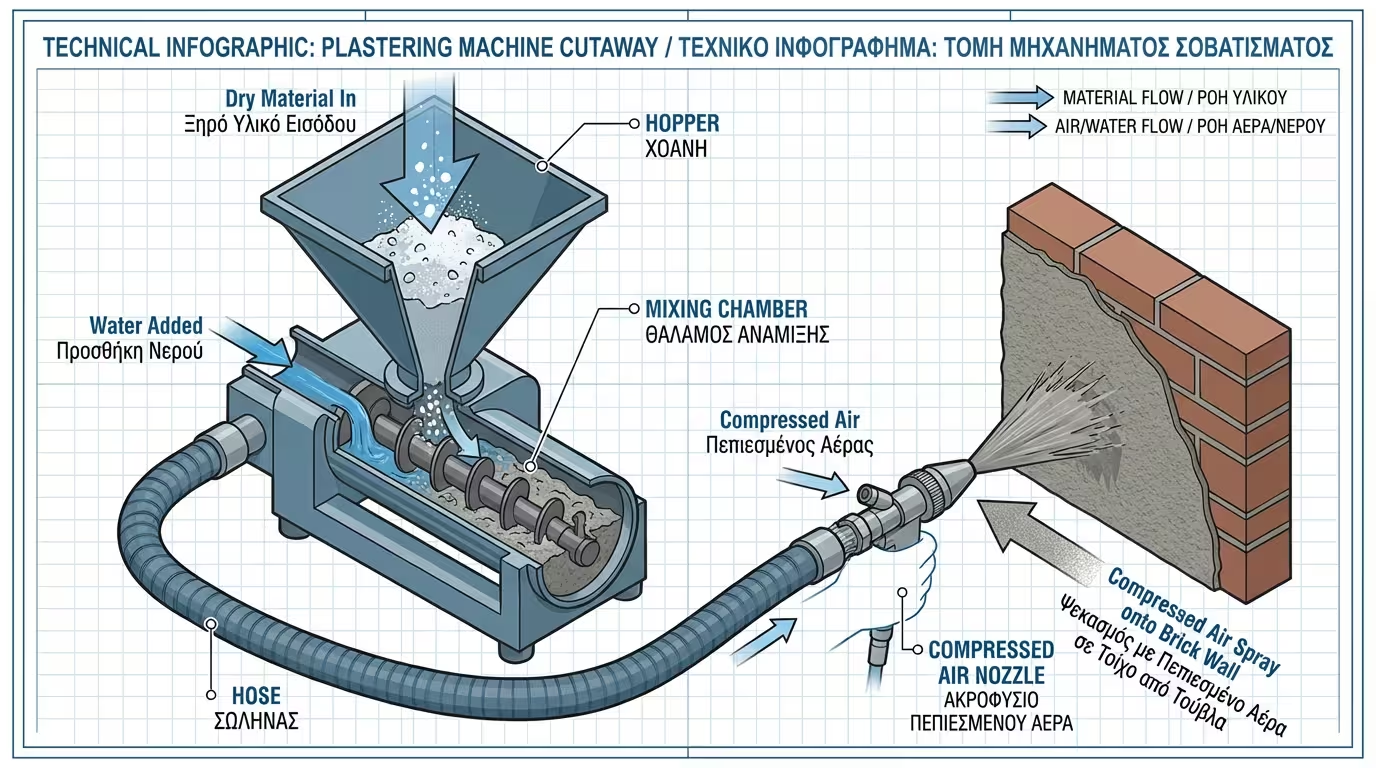
A well-organised team with a spray machine can cover triple the square metres per day compared to traditional hand-throwing.
The machine mixes continuously with a constant water ratio. There's zero chance of one batch being "watery" and the next "stiff," dramatically reducing the risk of shrinkage cracks.
The material is sprayed on target and sticks immediately, unlike hand application where a fair amount of mortar falls onto the floor.
On large projects, the machine's speed drastically reduces the total number of labour days the owner pays for.
It's the method everyone knows: the tradesman mixes the mortar in a mixer or bucket and throws it onto the wall by hand.
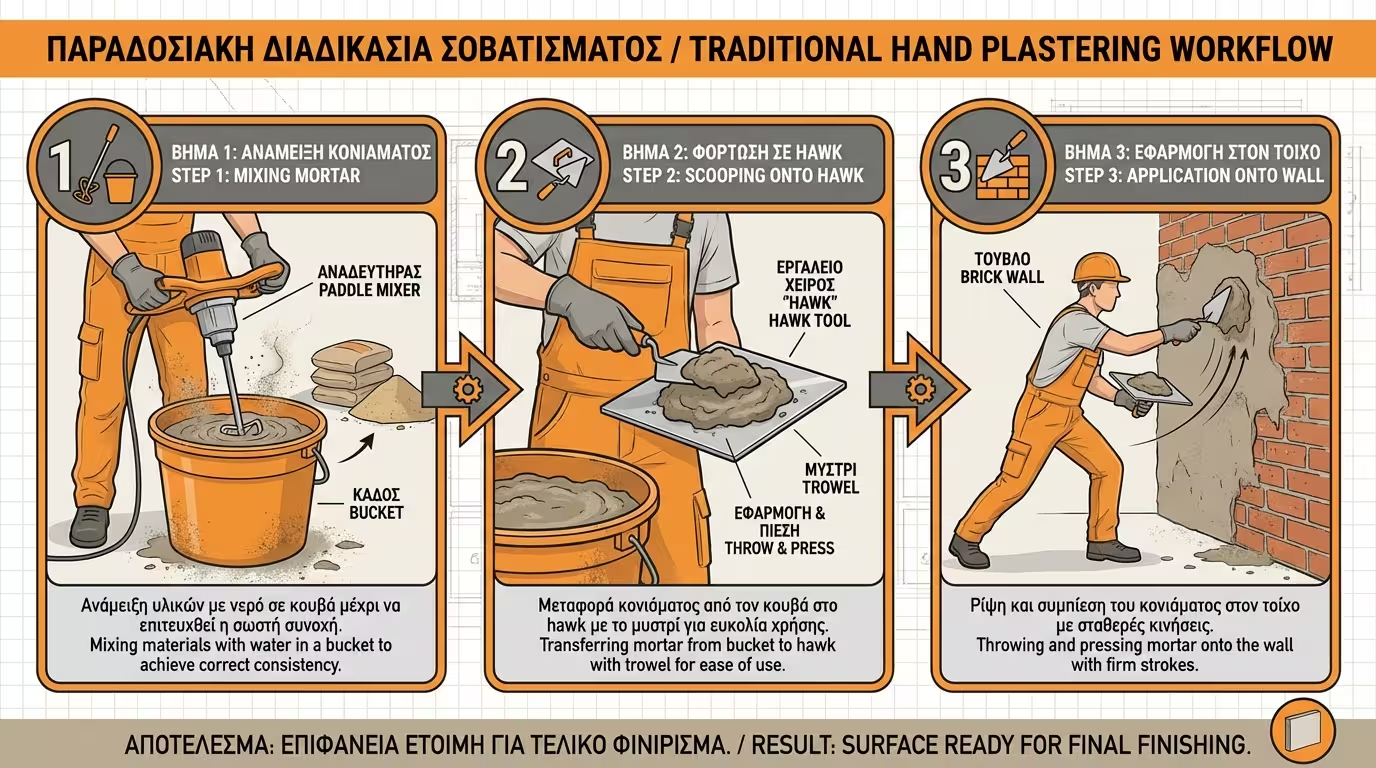
Ideal for DIYers, small bathroom refurbishments, patches or walls of just a few square metres. The tradesman unpacks his tools and starts immediately.
On very narrow scaffolds, small light wells or hard-to-reach spots, the bulky spray hose won't fit. A trowel reaches everywhere.
You don’t need three-phase power or machines that cost €5,000.
It's extremely heavy manual work. On projects over 100 m², the completion time increases exponentially.
Mix quality and the force with which material "sticks" to the wall depend 100% on the tradesman's fatigue and experience.
| Criterion | Machine (Spray) | Hand |
|---|---|---|
| Application Speed | Extremely fast | Slow |
| Mix Consistency | Perfectly stable (industrial) | Variable (experience-based) |
| Ideal Project Size | Large renovations, new builds, ETICS | Small rooms, patches, awkward spots |
| Cost (large projects) | Lower (fewer labour days) | Higher (more labour days) |
| Material Waste | Minimal | Medium-high |
Because the machine sprays material under high pressure, it creates a cloud of micro-droplets around the technician. Window and floor protection must be 100% airtight, otherwise everything will be covered in mortar splatter.
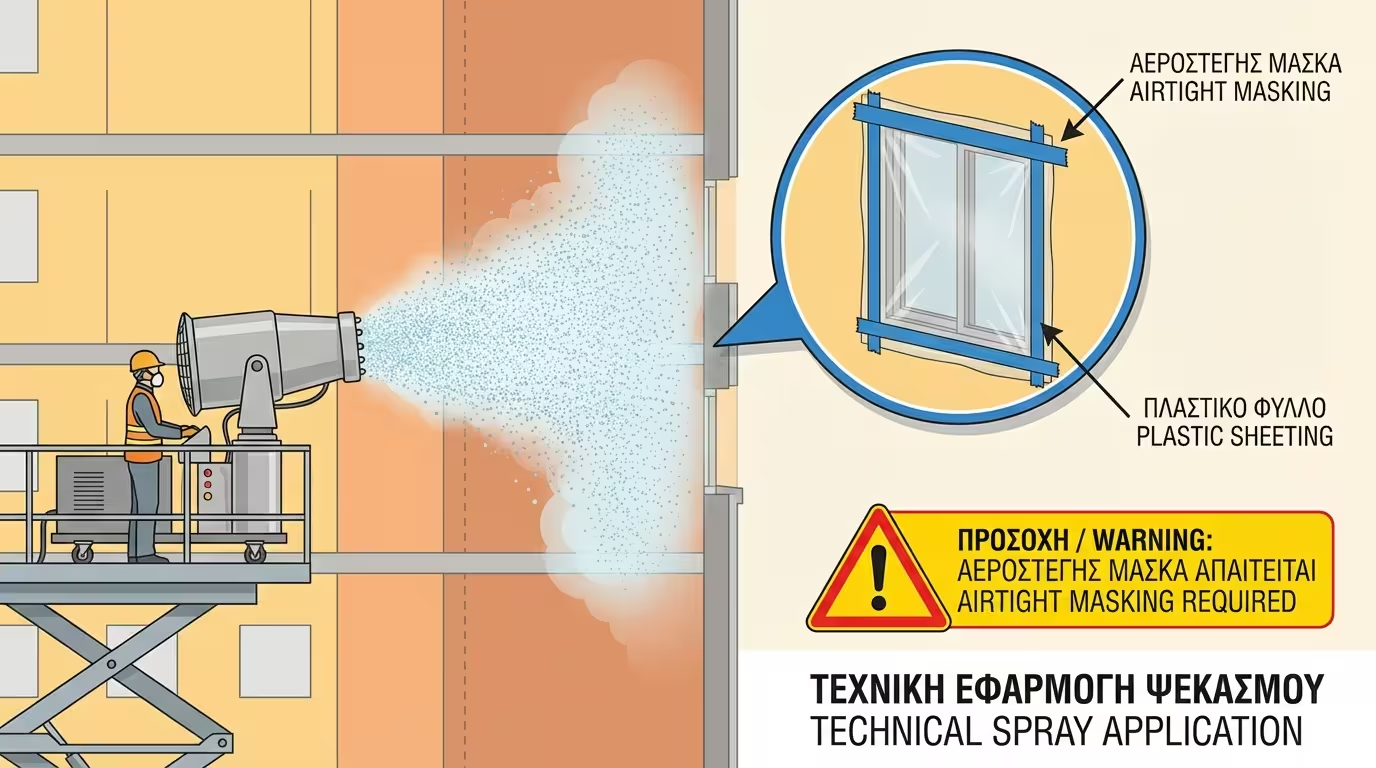
⚠️ The Big Misconception: A common myth says "machine render is smoother." This is WRONG! The machine ONLY does the spraying. Levelling (screeding with a straight-edge) and final finishing (rubbing with a float) are always done by hand. If the tradesman doesn't have a "good hand," the wall will come out crooked regardless of how the material was applied.
Machines don't work well with traditional "loose" mix (sand– cement–water) because the sand granules clog the rotor. The spray machine performs best with factory-made bagged renders containing special additives (plasticisers) that make the slurry "glide" through the hose.
Many professional spray machines require three-phase power (380V) and a continuous water supply with good pressure - something often missing on buildings under construction.
The machine needs time for transport, network connection and thorough cleaning at the end. It's not worth the effort for small patches.
Return to category.
Go to categoryReturn to the central guide.
Go to guide